Like
Share
멍실장
고양이 음수량 증가 방법 증상과 원인, 진단·치료와 관리 포인트 총정리

Complete Guide to Increasing Your Cat’s Water Intake: Symptoms, Causes, Diagnosis, Treatment, and Management

UrinaryDiseasesMeongsiljang Veterinary Advisory Board

Increasing your cat’s water intake is essential for maintaining urinary tract health. Since dehydration can lead to urinary tract diseases, proper management is important.

Increasing Your Cat’s Water Intake Is Key to Maintaining Urinary Tract Health
A cat drinking from running water
Increasing your cat’s water intake is essential for preventing urinary tract diseases and maintaining healthy kidney function. - Dehydration: Insufficient water consumption leads to highly concentrated urine, increasing the risk of urinary stones and infections. Senior cats are particularly vulnerable, as kidney function tends to decline with age, making careful hydration management even more critical. - Water Bowl Placement: Place water bowls in quiet, safe locations where your cat can access them comfortably. Ideally, keep the water source far away from feeding areas. - Water Type: Many cats are attracted to moving water, so using a water pump or fountain can be effective. Devices designed for indoor use that create a flowing water effect are especially helpful. - Environmental Stress: Sharing water sources with other animals or exposure to noise can deter drinking. Adjust the environment according to your cat’s preferences to encourage hydration. - Health Check-ups: Consult your veterinarian if you notice changes in appetite or signs of pain. Immediate veterinary care is necessary if your cat shows difficulty urinating or exhibits signs of discomfort.

Main Causes of Insufficient Water Intake: Environmental, Behavioral, and Health Issues
There are several reasons why cats may drink less water. - Environmental factors: If the water bowl is in an inconvenient location or shared with other animals, your cat may feel hesitant to drink. - Behavioral factors: Your cat may have experienced discomfort while drinking in the past or simply lost interest. - Health issues: A decreased appetite or pain can naturally lead to reduced water intake. - Stress response: Environmental changes or noise can cause psychological stress, disrupting drinking habits. - Underlying medical conditions: Kidney dysfunction, diabetes, and other conditions are directly linked to decreased water intake. Identifying the exact cause is the first step toward proper management.
A cat avoiding its water bowl placed near a noisy bathroom.

5 Key Signs of Insufficient Water Intake
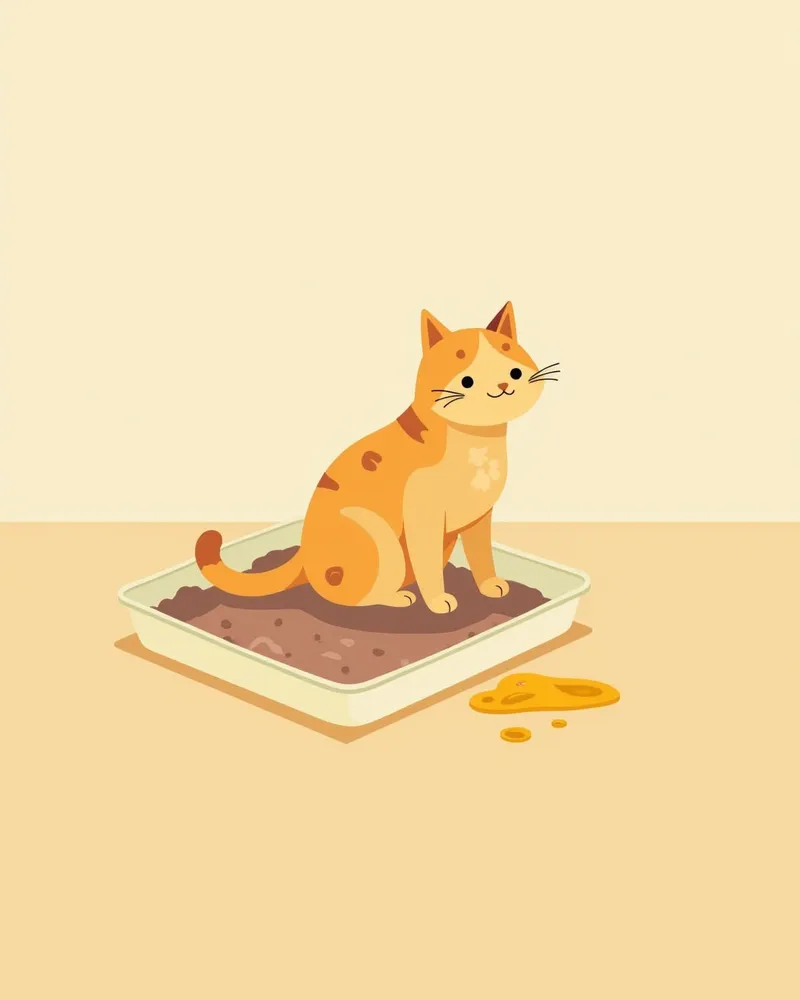
There are several signs that may indicate your cat isn’t drinking enough water. - Decreased urination frequency: Your cat may urinate only once or twice a day. - Increased urine concentration: The urine may appear dark yellow or have a stronger odor. - Reduced urine volume: Your cat may produce less urine or visit the litter box less often. - Decreased activity level: Your cat may seem more lethargic or less active than usual. - Reduced appetite: Your cat may eat less than normal. If these symptoms persist, consult your veterinarian immediately.
Your cat is producing small amounts of dark urine.

Emergency Signs Requiring Immediate Veterinary Visit

If your cat is trying to urinate but nothing comes out, or is straining with a pained expression, this is a medical emergency caused by a urinary blockage. This condition can be life-threatening, so it is essential to visit a veterinary clinic within one hour. Additionally, persistent vomiting, lethargy, and weight loss also require immediate veterinary attention.

Various Diagnostic Methods for Assessing Water Intake
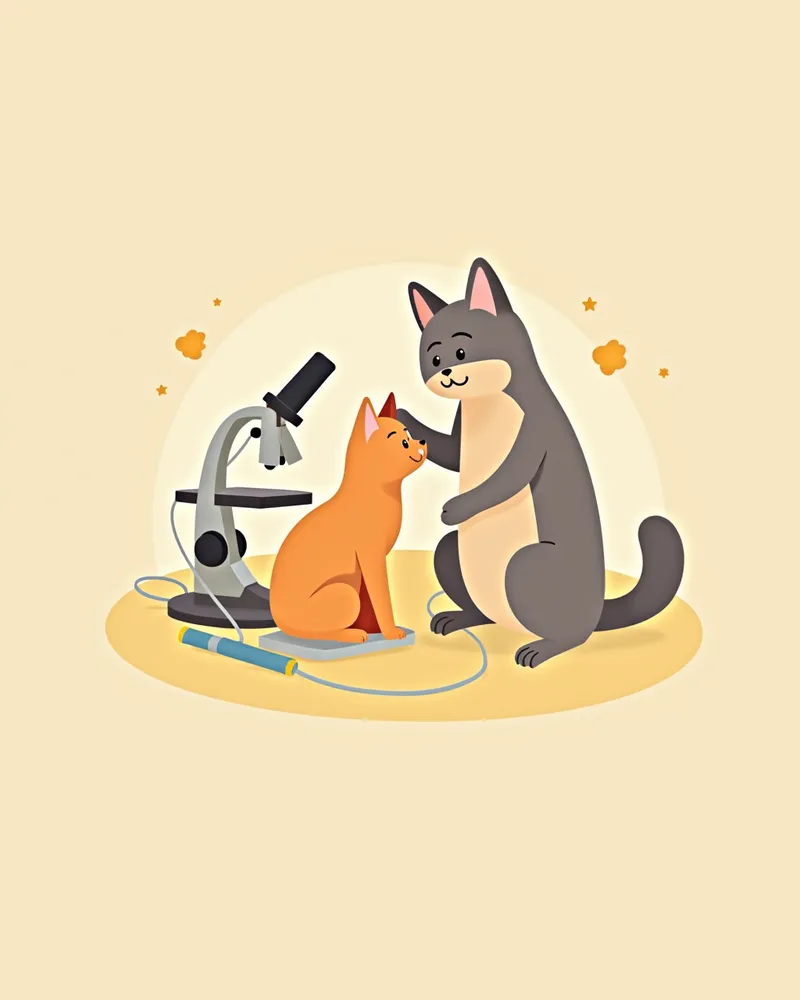
To accurately determine whether your cat is drinking enough water, a veterinarian’s professional assessment is essential. - Blood tests: These check kidney function, electrolyte balance, and blood sugar levels. A cat’s normal daily water intake is typically no more than 45 mL per kilogram of body weight; exceeding this may indicate polydipsia (excessive thirst). - Urinalysis: This analyzes urine concentration, acidity, protein levels, and the presence of white blood cells. If the urine is excessively concentrated, it may suggest dehydration or impaired kidney function. - Urine specific gravity measurement: A urine specific gravity (USG) of 1.025 or higher indicates well-concentrated urine, which may point to insufficient water intake or dehydration. - Ultrasound examination: This evaluates structural abnormalities in the kidneys and urinary tract, helping to detect lesions or enlargement. - Water intake record analysis: Tracking your cat’s water consumption over a week can help monitor trends. If intake remains consistently lower than usual, it warrants further investigation. An accurate diagnosis enables the development of a tailored management plan.
A veterinarian performing a urine test on a cat

Step-by-Step Guide to Treatment and Management for Increasing Water Intake
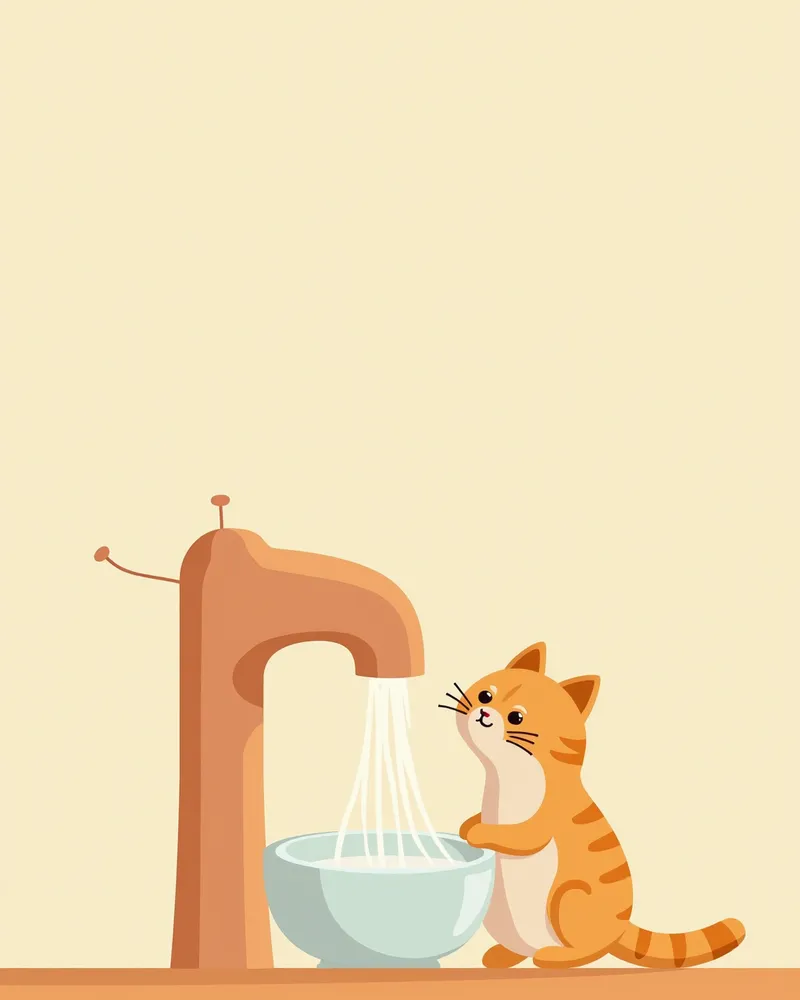
Treatment for increased water intake depends on the underlying cause. - Change the water bowl: Place bowls in multiple locations and use clean, shallow ones. It’s best to keep them away from feeding areas. - Use a water pump: Cats that prefer running water may benefit from a water fountain. Regular cleaning and filter replacement are essential. - Increase wet food: Offering more wet food than dry food can help boost hydration. If feeding only wet food, ensure the product is nutritionally balanced. - Add flavor to water: Try adding a small amount of fish broth or a cat-specific hydration supplement. Start cautiously, as too much may deter your cat. - Clean the water bowl more frequently: Clean the bowl 1–2 times daily to prevent bacterial growth and maintain your cat’s interest in drinking. Try these methods gradually.
A cat drinking from a water pump with a filter

Practical Management Tips for Increasing Water Intake at Home
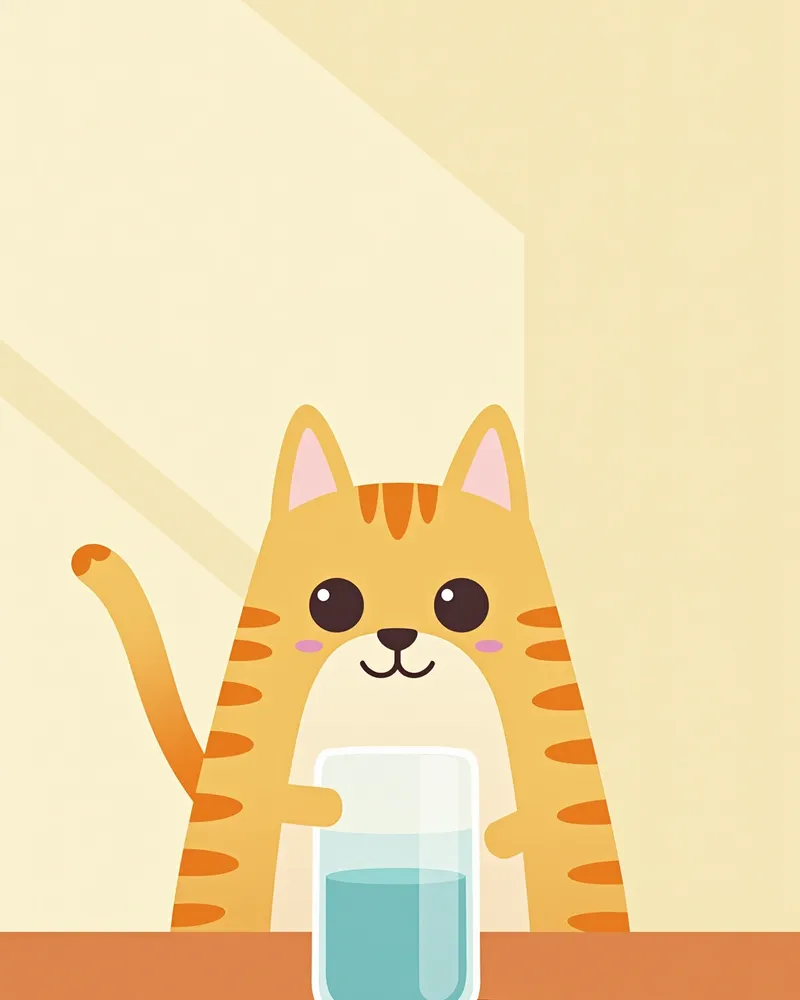
Consistency is key to daily management aimed at increasing your cat’s water intake. - Change the water bowl location: Place it in a quiet, easily accessible spot. Providing multiple water bowls around the house can encourage your cat to drink more. - Vary the type of water: Rotate between filtered water, bottled water, and refrigerated water. Room-temperature water is generally preferred over very cold water. - Clean the water bowl regularly: Clean it once or twice daily to remove odors and maintain hygiene. - Use a water fountain: This is effective for cats that prefer running water. Regular filter changes and cleaning are essential. - Include wet food in the diet: Aim for wet food to make up more than half of your cat’s daily meals. However, feeding exclusively wet food may not always be practical or efficient. - Ensure dedicated drinking times: Refresh the water in the morning and evening. Offering water alongside wet food can boost your cat’s desire to drink.
A cat drinking water from a glass on a wooden table

Certain Breeds Are More Susceptible to Insufficient Water Intake

For cats, the impact of stress and aging on urinary tract health is more clearly established than any genetic predisposition linked to specific breeds. Feline idiopathic cystitis (FIC) can be triggered by stress, while kidney issues tend to become more common as cats age. Therefore, managing water intake is important for all cats, and regular health check-ups along with consultations with your veterinarian enable early detection and prevention.

Reviewed by a veterinarian

Dr. Tony — Punnawat Phongkittirak

Dr. Tony — Punnawat Phongkittirak

Veterinarian

A veterinarian who majored in veterinary medicine at Khon Kaen University, Thailand, and completed the IVSA program at North Carolina State University in the United States. Drawing on clinical experience at animal hospitals, he works in the pet healthcare field and is dedicated to building a digital care environment that connects pet parents with veterinarians.

Frequently Asked Questions

What should I do if my cat isn’t drinking enough water?
Try changing the water bowl frequently and installing a flowing water pump. Encouraging your pet to eat more wet food or placing water bowls in various locations can also be helpful.
Do water pumps really work?
Yes, many cats prefer running water. A water pump helps keep the water fresh and encourages your cat to drink more. However, it does require regular maintenance.
Can I add flavor to the water?
Adding a small amount of cat-specific hydration supplements or diluted fish broth is fine. However, be cautious not to give too much, as it can cause gastrointestinal issues.
How many liters of water should I drink per day?
A cat’s normal daily water intake is generally no more than about 45 mL per kilogram of body weight. For example, a 4 kg cat would normally drink up to around 180 mL per day. If your cat is drinking significantly more than that, it could be a sign of polydipsia (excessive thirst), and it’s important to identify the underlying cause.
Is it okay to feed only wet food?
It’s a good idea to combine wet and dry food in your pet’s diet. For optimal nutritional balance, we recommend using both types of food together.

Comparison Chart of Methods to Increase Water Intake

ItemEffectivenessCostManagement Difficulty
Using a water pumpHighMediumLow
Increasing wet foodVery highLowLow
Changing the water bowl locationMediumLowLow
Adding flavor to the waterLowLowLow

Effectiveness may vary from cat to cat. Applying methods in combination is most effective. In particular, the combination of a water pump and wet food is the most helpful.

Share

Related Guides
References

[1] The Cat, Clinical Medicine and Management, 2nd Edition. Elsevier, 2023.

[2] A Professional’s Guide to Feline Behaviour. Wiley-Blackwell, 2021.

[3] International Society of Feline Medicine Consensus Statement on Feline Lower Urinary Tract Disease. Journal of Feline Medicine and Surgery, 2022.

This information is based on veterinary literature and does not replace diagnosis or treatment. Please consult a veterinarian for specific health concerns.

Metapet Co., Ltd. | CEO: Park Sung-yong | Business Reg. No. 417-88-02562 | Seoul, South Korea | Customer Center

How to Increase Your Cat's Water Intake: Full Guide | Meongsiljang