Like
Share
멍실장
강아지 뇌하수체 종양 증상과 원인, 진단·치료와 관리 포인트 총정리

Why Is My Dog Drinking So Much Water? — From Causes to Diagnosis and Treatment of Pituitary Tumors

EndocrineDiseasesMeongsiljang Veterinary Advisory Board

Pituitary tumors in dogs are growths that develop in the pituitary gland, causing a variety of symptoms due to excessive hormone secretion. Early detection and appropriate treatment are crucial.

Pituitary Tumors in Dogs Are Growths That Develop in the Pituitary Gland

An anatomical illustration showing the location of the pituitary gland in dogs
Pituitary tumors in dogs are growths that develop in the pituitary gland and tend to occur more frequently in middle-aged and older dogs. Adenomas of the anterior pituitary lobe are the most common type, and a significant number of these secrete adrenocorticotropic hormone (ACTH), leading to pituitary-dependent hyperadrenocorticism (Cushing’s disease) due to excessive cortisol production by the adrenal glands. - Pituitary tumor: A tumor arising from the pituitary gland; functional tumors cause systemic metabolic changes through excessive hormone secretion. - Hormone excess: Excessive cortisol secretion can lead to symptoms such as increased water intake and urination, and abdominal distension. - Early detection: Early symptoms are often subtle and easy to miss, so regular check-ups are helpful for monitoring changes in middle-aged and older dogs. - Space-occupying effects: As the tumor grows, it may cause neurological signs such as lethargy, decreased appetite, gait abnormalities, and seizures. If any of these symptoms are suspected, a veterinary visit is necessary.

The Primary Cause of Pituitary Tumors Is Hormonal Dysregulation
The primary mechanism behind the most common functional pituitary tumors in dogs is the excessive secretion of ACTH from the pituitary gland. This leads to overproduction of cortisol by the adrenal cortex, resulting in systemic metabolic changes. More than 90% of clinically apparent cases of hyperadrenocorticism in dogs are reported to be caused by pituitary corticotroph adenomas. - Hormonal imbalance: Functional pituitary tumors disrupt the hormonal regulatory system, triggering widespread physiological changes. - Age: These tumors tend to occur primarily in middle-aged and older dogs. - Tumor nature: Most are benign adenomas, while pituitary adenocarcinomas are rarely reported (less than 3%). - Importance of early diagnosis: Monitoring for even mild symptoms and detecting the condition early through regular check-ups can aid in management. - Space-occupying effects: As the tumor grows, it may cause neurological signs such as lethargy, gait abnormalities, and seizures.
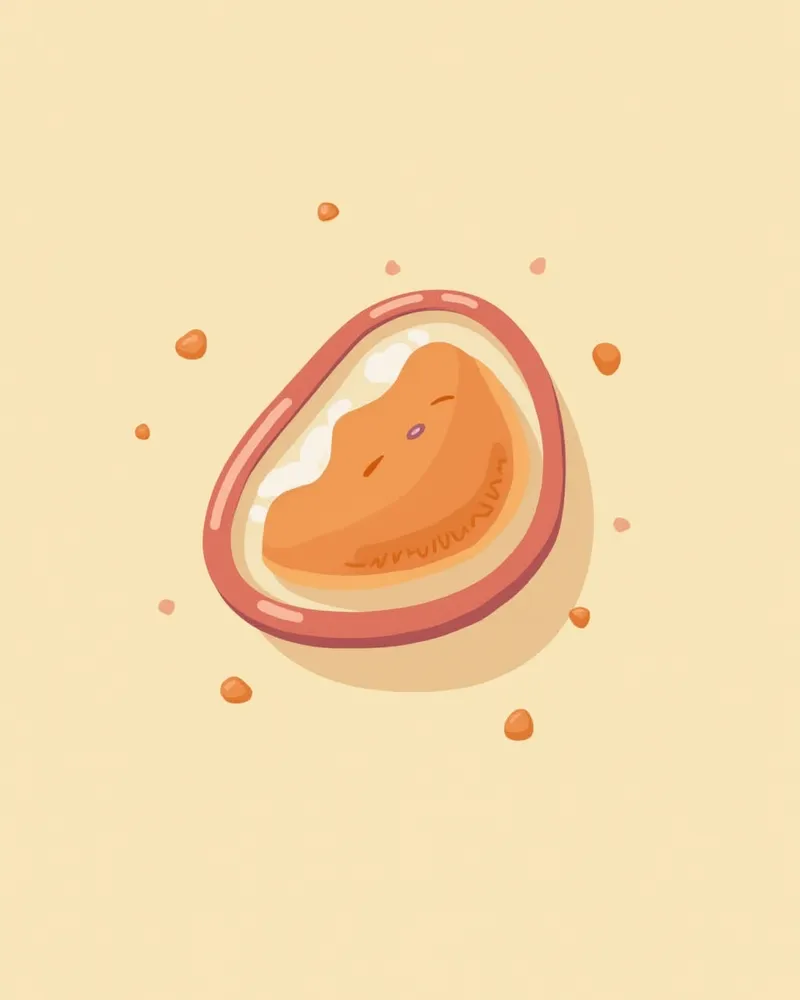
Microscopic image of a dog’s pituitary tumor tissue

Main Symptoms Include Excessive Drinking and Urination, Weight Gain, and Hair Changes

Common symptoms of pituitary-dependent hyperadrenocorticism in dogs include increased water intake and urination, weight changes, abdominal distension, and thinning hair or hair loss. - Excessive drinking and urination: Due to excess cortisol, dogs drink more water and produce more urine. In dogs, daily water intake exceeding 90 mL per kilogram of body weight is considered polydipsia. - Abdominal distension: A pendulous abdomen may develop. - Hair and skin changes: Hair may thin and hair loss (alopecia) may occur, sometimes accompanied by skin problems. - Lethargy and decreased activity: General symptoms such as lethargy and reduced appetite may appear. - Changes in appetite: Polyphagia (increased appetite) may occur. - Early recognition is important: If these symptoms persist, it is advisable to have your dog examined at a veterinary clinic.
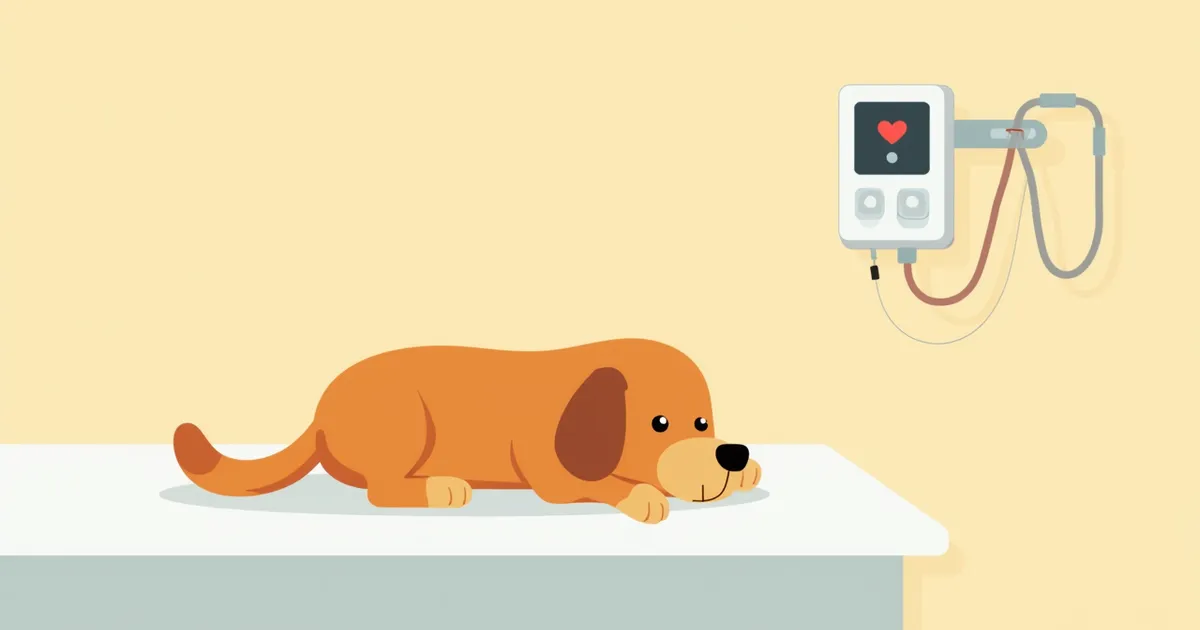
A dog showing fatigue and abdominal obesity due to a pituitary tumor

Symptoms Requiring Immediate Veterinary Visit

If your dog suddenly becomes disoriented, experiences seizures, or displays other abrupt neurological signs such as pressing its head against objects or circling, seek veterinary care immediately. These symptoms may indicate a medical emergency caused by the mass effect of a tumor, pituitary apoplexy, or brain herniation. Delaying treatment can be life-threatening.

Diagnosis Is Confirmed Through Blood Tests and Imaging Studies
Diagnosing pituitary tumors in dogs involves endocrine function tests to determine if the tumor is functional, along with imaging studies like CT or MRI to identify the mass. - Endocrine function tests: Hormone tests help determine whether the tumor is functional (secreting hormones) or if there is pituitary dysfunction. - Limitations of imaging: While imaging can locate the tumor, it cannot determine if the tissue is overproducing hormones, so functional testing is also necessary. - MRI scans: MRI provides detailed information about the size and location of the pituitary tumor, as well as any invasion into surrounding tissues or brain herniation. - CT scans: CT scans can also detect pituitary masses. - Combined testing: For an accurate diagnosis, hormone tests and imaging studies are used together. - Differential diagnosis: It is important to differentiate pituitary tumors from conditions such as Cushing’s disease, acromegaly, hypothyroidism, and diabetes insipidus.
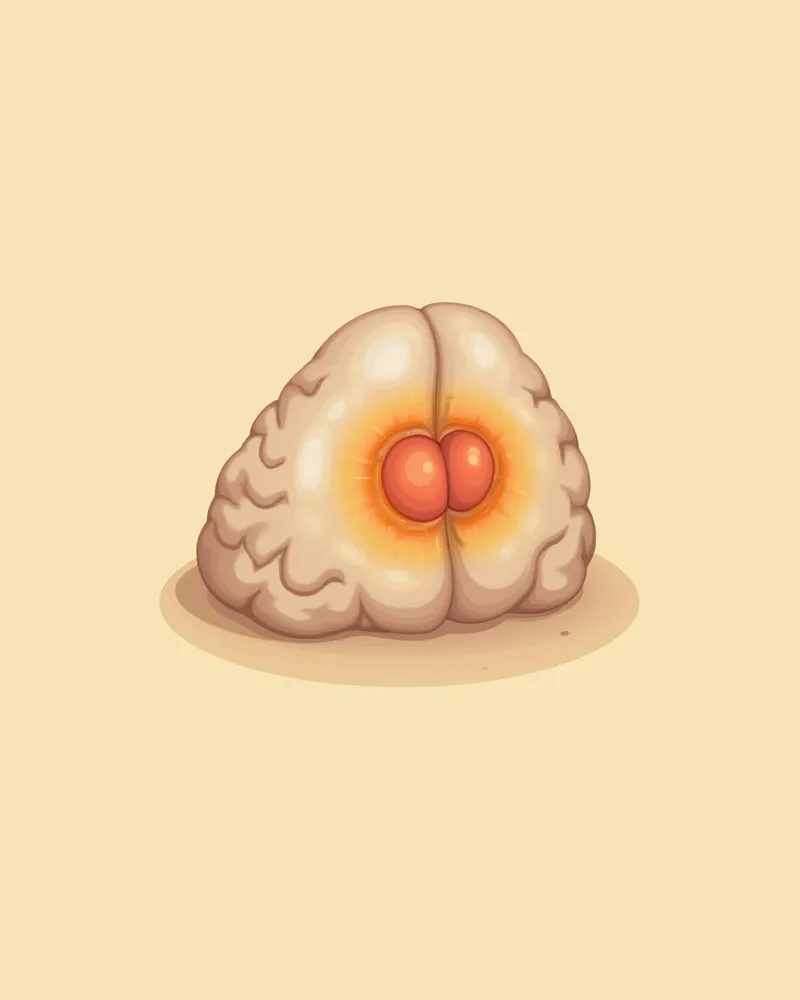
MRI image showing a pituitary tumor in a dog

Treatment Options Include Medication, Surgery, and Radiation Therapy
Treatment for pituitary tumors includes medication, surgery, and radiation therapy, which are selected or combined based on the patient’s condition. - Medication: In cases of pituitary-dependent hyperadrenocorticism, excess cortisol can be managed with trilostane or mitotane. - Surgical removal: Hypophysectomy is considered when the tumor is confined to the pituitary gland, and successful outcomes have been reported even with relatively large tumors. - Radiation therapy: When neurological symptoms are present, megavolt radiation therapy is a treatment option that has been proven effective in reducing the size of the pituitary mass. - Secondary hypothyroidism: If this condition occurs concurrently, it can be treated with thyroid hormone (levothyroxine) supplementation. - Individualized treatment: A treatment plan is developed by comprehensively considering the tumor’s size and location, as well as the patient’s overall condition. - Regular monitoring required: Throughout treatment, hormone levels and imaging tests are repeated to assess efficacy.
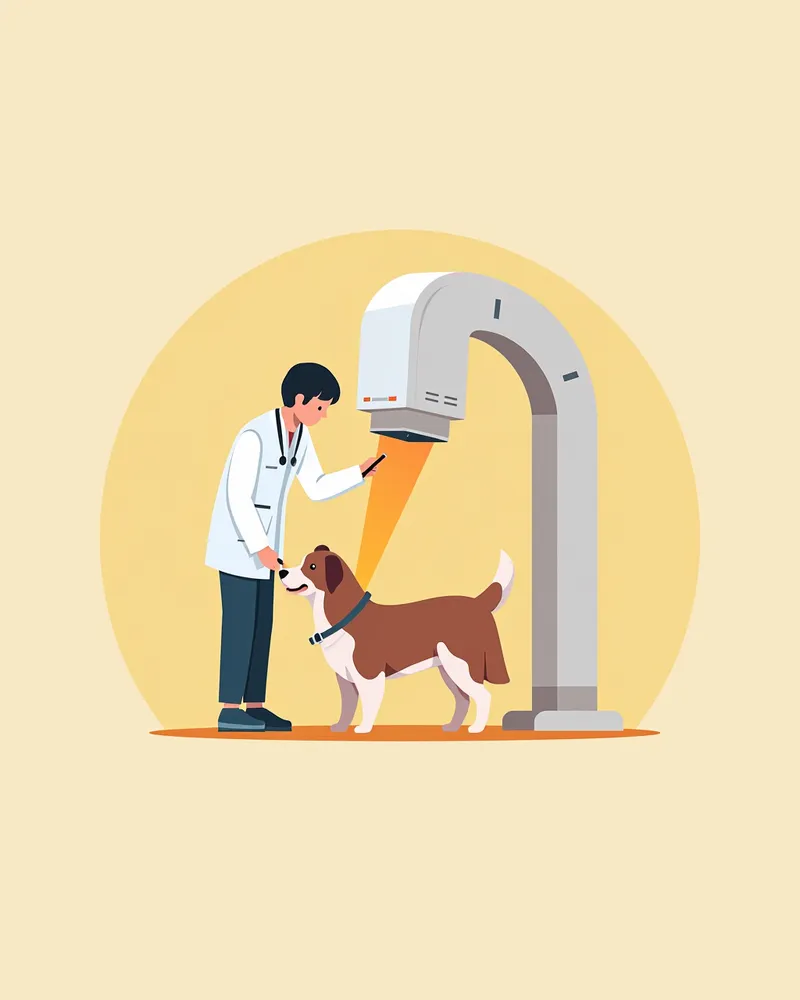
A scene of radiation therapy for treating pituitary tumors in dogs

Home Care Centers on Dietary Management and Regular Check-ups

Home care for dogs with pituitary tumors centers on dietary management and regular check-ups. - Low-fat, low-sodium diet: Reduce fat and salt intake to help prevent weight gain and high blood pressure. - Regular blood tests: Continuously monitor hormone levels, as well as liver and kidney function. - Medication management: Administer medications at consistent times to avoid missed doses, and closely watch for any side effects. - Minimize stress: Provide a quiet environment, a consistent daily routine, and ample rest. - Exercise moderation: Avoid strenuous activity, but maintain fitness with appropriate walks and play. - Owner observation: It is crucial to quickly notice any changes in your dog’s daily life and seek early veterinary consultation.
A healthy meal scene for managing pituitary tumors

Certain Breeds Are More Susceptible to Pituitary Tumors

Pituitary tumors tend to occur more frequently in middle-aged to senior dogs. Since it is difficult to confirm whether specific breeds are more susceptible based solely on the provided veterinary textbook references, it is helpful for older dogs to undergo regular health check-ups to monitor for changes in water consumption and urination, as well as alterations in skin and coat condition. Early detection is advantageous for management.

Reviewed by a veterinarian

Dr. Tony — Punnawat Phongkittirak

Dr. Tony — Punnawat Phongkittirak

Veterinarian

A veterinarian who majored in veterinary medicine at Khon Kaen University, Thailand, and completed the IVSA program at North Carolina State University in the United States. Drawing on clinical experience at animal hospitals, he works in the pet healthcare field and is dedicated to building a digital care environment that connects pet parents with veterinarians.

Frequently Asked Questions

Can a dog’s pituitary tumor be cured?
The outlook varies depending on the tumor’s size and location, as well as the timing of treatment. In pituitary-dependent hyperadrenocorticism, symptoms can be managed with medications such as trilostane or mitotane, and radiation therapy can help shrink the mass when neurological signs are present. Whether a complete cure is possible depends on the specific status of the tumor.
Are pituitary tumors genetic?
It is difficult to confirm whether pituitary tumors are hereditary in certain breeds based solely on the veterinary evidence provided. Since they tend to occur more frequently in middle-aged and older dogs, regular check-ups are recommended for senior pets.
What side effects can occur during medication treatment?
When using medications like trilostane or mitotane, regular check-ups are essential to monitor hormone levels and overall health, as well as to watch for any side effects. Specific side effects can vary depending on the medication and the patient's condition, so it's important to consult with your veterinarian.
Even if a tumor is small, is treatment still necessary?
Even if a functional tumor is small, it can continuously overproduce hormones. Treatment and monitoring are recommended to minimize the systemic effects of excess cortisol.
What is the likelihood of recurrence?
One study reported a median survival time of approximately 750 days for dogs with pituitary tumors. Prognosis varies depending on tumor size and location, as well as response to treatment, making regular check-ups and medication adjustments essential.

Comparison of Pituitary Tumor Treatment Methods

ItemEfficacySide effects/risksSuitability
Drug therapyControls cortisol excessRequires regular hormone and systemic monitoringPituitary-dependent hyperadrenocorticism
Surgical treatmentEffective for localized tumorsRisk of surgery-related complications and deathWhen the tumor is confined to the pituitary gland
Radiation therapyReduces mass size and improves neurological symptomsRadiation therapy-related effectsWhen there are neurological symptoms or surgery is difficult

The treatment method varies depending on the tumor size, location, and the patient's condition. Decide after consulting your veterinarian.

Share

Related Guides

References

[1] Sheena Warman (2023) 100 Top Consultations in Small Animal General Practice. Wiley-Blackwell.

[2] Fundamentals of Veterinary Clinical Pathology, 3rd Edition (2022). Elsevier.

[3] BSAVA Manual of Canine and Feline Dermatology, 4th Ed (2021). BSAVA Publications.

This information is based on veterinary literature and does not replace diagnosis or treatment. Please consult a veterinarian for specific health concerns.

Metapet Co., Ltd. | CEO: Park Sung-yong | Business Reg. No. 417-88-02562 | Seoul, South Korea | Customer Center

Why Is My Dog Drinking So Much Water? Pituitary Tumors Explained | Meongsiljang