

Dog Radiation Therapy — A Complete Guide from Indications to Effects, Side Effects, and Care
The indications for radiation therapy in dogs are determined by the location and type of cancer, and it plays a crucial role in pain relief and extending survival time. Accurate diagnosis and a well-planned treatment strategy are essential.
Indications for Dog Radiation Therapy: A Core Strategy in Cancer Treatment

Main Causes and Pathogenesis of Radiation Therapy

Checklist of Main Symptoms and Signs

Emergency Signs Requiring Immediate Hospital Visit
If your dog shows signs of difficulty breathing, severe pain, bleeding, or decreased consciousness, you should go to the hospital immediately. Radiation therapy requires specialized equipment and environment, so early diagnosis and planning are essential for effectiveness.
Diagnostic Methods for Accurate Diagnosis
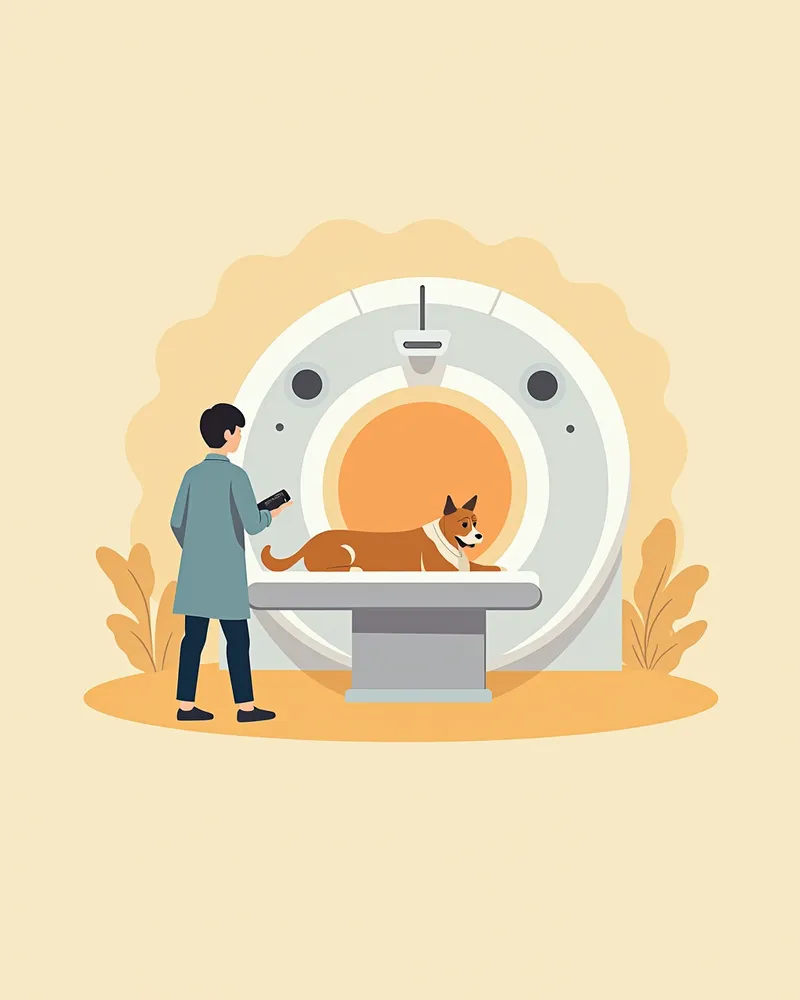
Treatment Approaches and Methods by Stage

Home Care and Daily Care Points

Prevention of Recurrence and Breed-Specific Precautions
Certain breeds may have a higher risk of tumor development, so breeds with known risks require more careful monitoring. Even after radiation therapy, it is important to detect recurrence early through regular check-ups, and it is also advisable to check for metastasis using chest imaging and lymph node assessment.
Reviewed by a veterinarian

Dr. Tony — Punnawat Phongkittirak
VeterinarianA veterinarian who majored in veterinary medicine at Khon Kaen University, Thailand, and completed the IVSA program at North Carolina State University in the United States. Drawing on clinical experience at animal hospitals, he works in the pet healthcare field and is dedicated to building a digital care environment that connects pet parents with veterinarians.
Reviewed 2026-06-07
Frequently Asked Questions
Does radiation therapy cause pain?
How long does the treatment take?
What are the side effects of radiation therapy?
Is radiation therapy a better option than surgery?
How much will the treatment cost?
Comparison of Curative vs. Palliative Treatment
| Item | Curative treatment | Palliative treatment |
|---|---|---|
| Goal | Complete tumor removal / maximum control | Symptom relief and maintenance of quality of life |
| Number of sessions / duration | Split over weekdays for about 2 weeks, roughly 10 sessions | Fewer fractions, such as 2–4 sessions |
| Applicable cancer types | Localized early-stage tumors | Advanced / inoperable tumors |
| Risk of side effects | Relatively high (acute effects such as skin reactions) | Low (mild) |
| Cost | High | Moderate |
The treatment approach is determined by the veterinarian based on the type of tumor and how far it has progressed.
Share
Related Guides

Comprehensive Guide to Recommended Hospice Care and Quality of Life Management for Cats with Tumors

7 Factors Determining Prognosis and Life Expectancy in Dogs with Tumors, According to Veterinarians

7 Criteria Veterinarians Recommend for Choosing Canine Tumor Biopsy and Fine-Needle Aspiration

Feline Vitreous Opacity: Symptoms, Causes, Diagnosis, Treatment, and Management Tips

Measuring Intraocular Pressure in Cats (Tonometry) — Timing for Glaucoma Detection and Interpreting Results

Feline Ocular Ultrasound — Key Points for Diagnosing Cataracts, Tumors, and Retinal Detachment

How to Clean Your Cat’s Eye Discharge — Safe Eye Cleaning and Flushing Methods and Warning Signs

If Your Cat’s Tears Won’t Stop — Causes of Nasolacrimal Duct Obstruction and When to Seek Treatment

If Your Cat’s Eyes Are Constantly Dry and Sticky — Key Points on Keratoconjunctivitis Sicca and Cyclosporine Treatment

If Your Cat’s Eye Color Changes or Pupils Are Abnormal — Warning Signs of Intraocular Tumors and Treatment Timing
References
[1] Henry CJ, Higginbotham ML (2010) Cancer Management in Small Animal Practice. Saunders/Elsevier, Maryland Heights.
[2] Veterinary Surgical Oncology, 2nd Ed. (2018). Elsevier.
[3] Knapp-Hoch HM, Fidel JL, Sellon RK, Gavin PR (2009) An expedited palliative radiation protocol for lytic or proliferative lesions of appendicular bone in dogs. J Am Vet Med Assoc.