Like
Share
멍실장
고양이 팔리아티브 케어·통증 관리 증상과 원인, 진단·치료와 관리 포인트 총정리

How to Reduce Pain in Cats with Cancer: A Complete Guide to Palliative Care and Pain Management

Oncology/CancerDiseasesMeongsiljang Veterinary Advisory Board

Palliative care and pain management are essential for maintaining a cat’s quality of life as chronic conditions like cancer progress. Effective pain relief must go hand in hand with emotional comfort.

Palliative Care and Pain Management Are Key to Maintaining Quality of Life in Cats
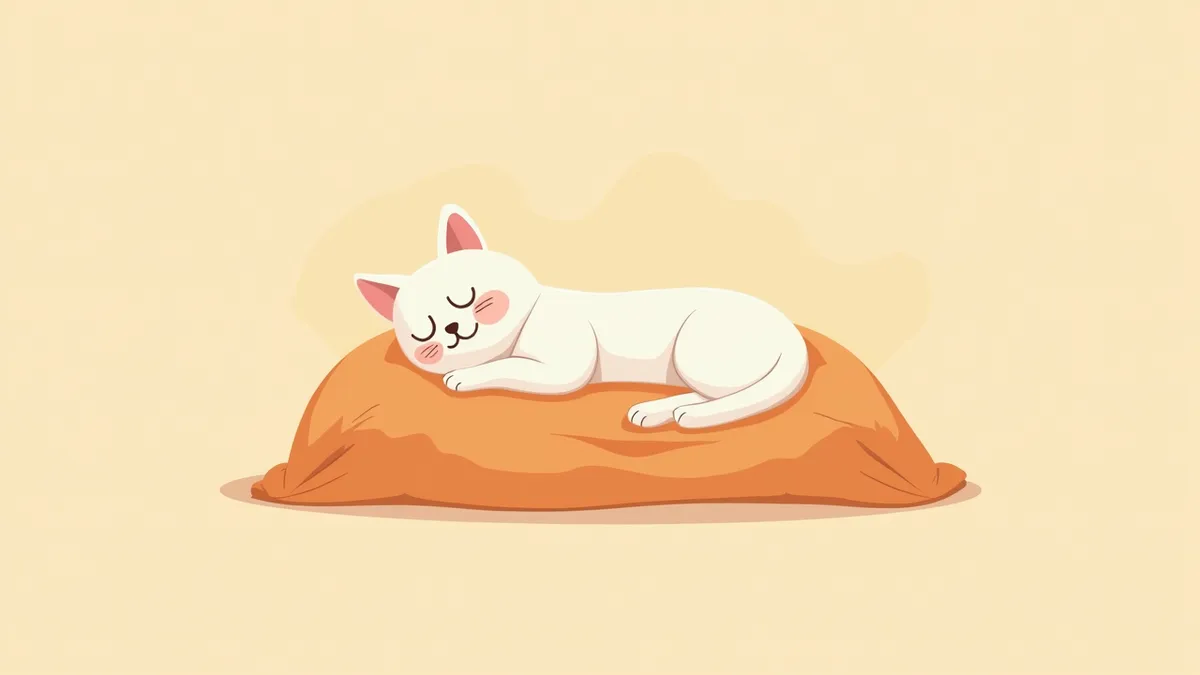
An elderly cat resting comfortably on a soft bed
Palliative care plays a crucial role in maintaining quality of life for cats in the later stages of cancer or chronic disease. It is essential to address both pain relief and emotional well-being, as this directly enhances the cat’s comfort and overall satisfaction with life. Working closely with your veterinarian to develop a tailored care plan is key. This plan should comprehensively consider factors such as pain levels, behavioral changes, and appetite. Additionally, active involvement and consistent observation by family members are vital for effectiveness. Regular check-ups and adjustments ensure that care remains appropriately matched to the cat’s changing condition.

Main Causes and Mechanisms of Pain

Feline pain can arise from a variety of causes, including cancer metastasis, post-surgical recovery, arthritis, and nerve damage. In cats with cancer, tumors may compress nerves or destroy tissue, leading to persistent pain. This goes beyond mere physical discomfort, often resulting in decreased appetite, reduced activity levels, and anxiety-related behaviors. Pain is also linked to abnormal responses in the nervous system, making early detection and management essential. Accurate assessment by a veterinarian and tailored treatment are crucial. Clearly identifying the underlying cause of pain is the first step toward effective management.
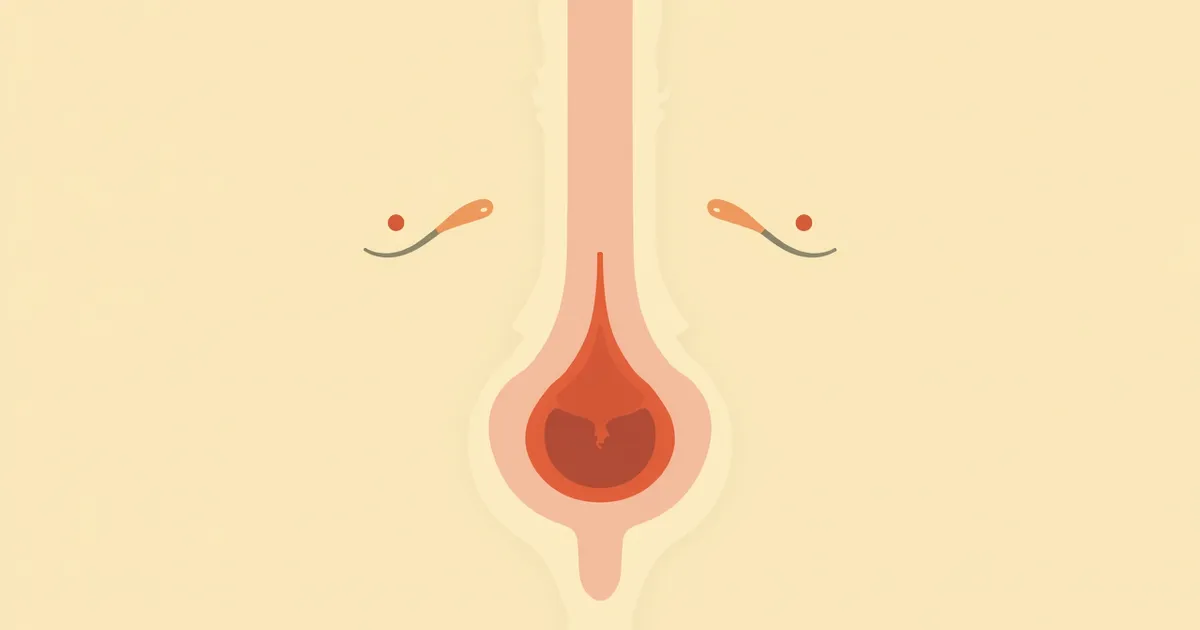
An anatomical diagram highlighting the pain pathways in a cat's nervous system.

Identify Key Symptoms and Signs

Because cats don’t always show obvious signs of pain, it’s important for owners to watch them closely. Here are some common symptoms:
Decreased activity: The cat stays in one place all day or moves less than usual.
Loss of appetite: The cat eats less or refuses food altogether.
Reduced grooming: The cat suddenly grooms itself much less often.
Vocalization: The cat meows more frequently than usual or cries out.
Changes in posture: The cat grimaces when moving or drags its hind legs.
These changes could be signs of pain, so please consult your veterinarian right away.
A cat sitting in an uncomfortable position

Signs Requiring Immediate Veterinary Visit

If your cat is in severe pain, has completely lost its appetite, hasn’t moved for over 24 hours, or is breathing rapidly, please visit a veterinarian immediately. These could be signs of a life-threatening emergency.

Diagnostic Tests for Accurate Diagnosis

To accurately identify the cause of pain in cats, a comprehensive examination is essential. Imaging tests such as CT (computed tomography) scans can help determine the location and extent of abnormalities or tumors causing pain. Blood and urine tests assess overall health and screen for underlying conditions, while also evaluating factors like kidney function that influence medication selection. Additionally, using validated pain assessment tools such as the Glasgow Composite Measure Pain Scale (CMPS-Feline), the Feline Grimace Scale, and the Feline Musculoskeletal Pain Index (FMPI) allows for objective and consistent measurement of behavioral and facial changes. Veterinarians synthesize this information to make a diagnosis and establish a treatment plan. An accurate diagnosis forms the foundation for effective pain management.
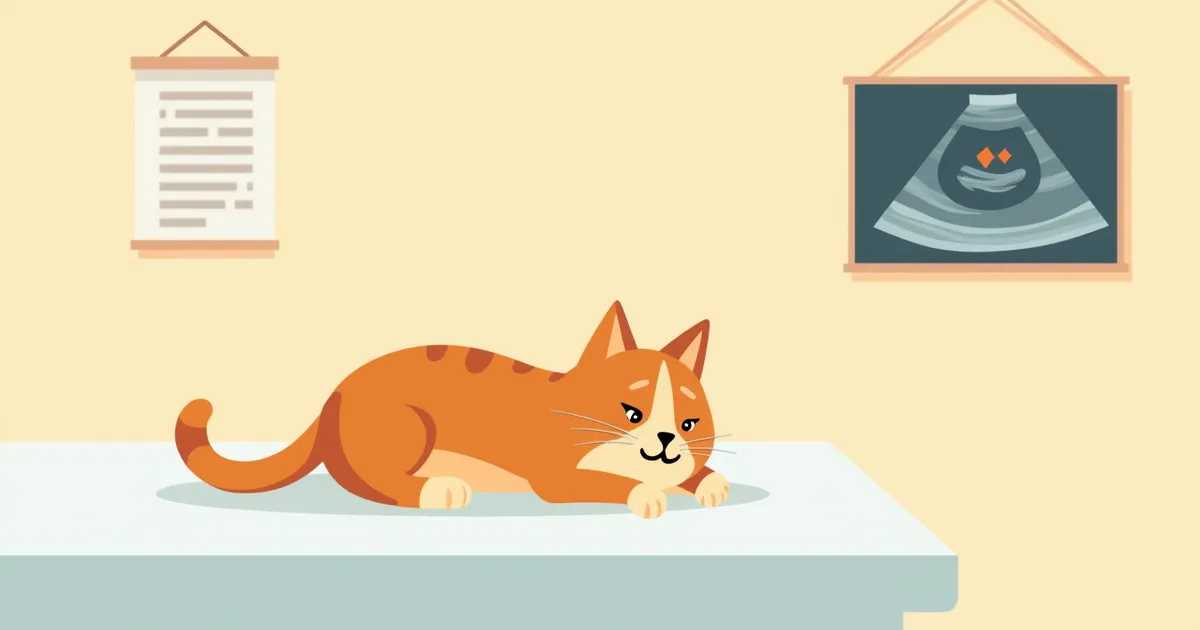
A veterinarian is performing an X-ray examination on a cat.

Various Treatment Methods and Step-by-Step Approach
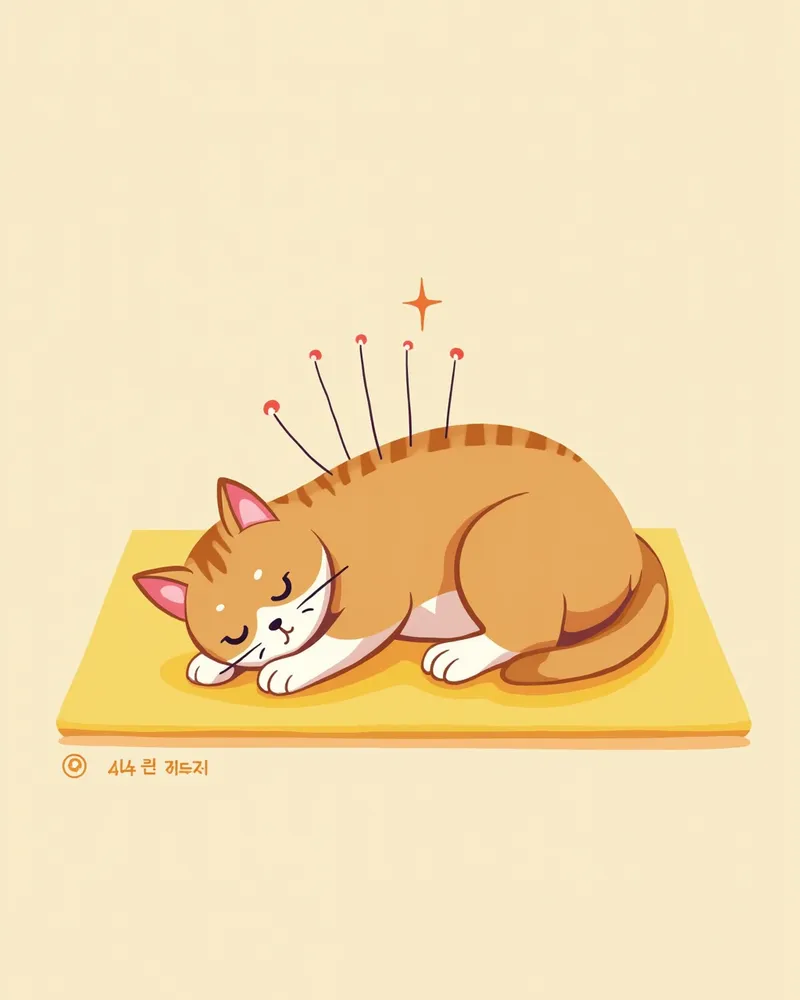
Managing pain in cats is most effective with a multimodal approach that combines several methods rather than relying on a single treatment. Here are the main treatment options:
Medication: Use pain-relieving medications, such as analgesics prescribed by your veterinarian. If giving pills is difficult, liquid formulations may be easier to administer.
Physical Therapy and Nursing Care: Alleviate pain and discomfort through physical therapy, attentive nursing care, and techniques such as wound dressing, bandaging, and cold compresses.
Integrative Therapies: Stimulate cells to aid tissue recovery and reduce inflammation and pain using therapies like acupuncture or photobiomodulation (low-level laser or LED therapy).
Environmental Management: Reduce stress by providing a comfortable resting area and an environment that is easy for your cat to navigate.
If the issue persists, your veterinarian may refer you to a pain specialist. Since treatment is tailored to each patient’s condition, regular check-ups are essential.
A cat receiving acupuncture treatment

Home Care and Management Tips

To help relieve your cat’s pain at home, it’s important to adjust their environment and daily routines. Here are some practical care tips:
Provide a Comfortable Space: Offer a low bed or cushion where your cat can rest comfortably.
Adjust Meals: Feed smaller, more frequent meals to reduce stomach strain, and choose foods that appeal to your cat’s taste.
Regular Observation: Keep a daily record of any behavioral changes and share them with your veterinarian.
Emotional Stability: Speak in a gentle voice and maintain a calm, quiet environment.
Encourage Gentle Exercise: Avoid intense physical activity and instead encourage movement with soft, engaging toys.
A cozy space for your cat

Preventing Recurrence and Long-Term Management Precautions

Palliative care requires long-term management rather than a short-term approach. While your cat is on medication, closely monitor for any side effects and adjust the dosage as directed by your veterinarian. Additionally, be prepared to flexibly adapt the treatment plan based on changes in your cat’s condition.

Reviewed by a veterinarian

Dr. Tony — Punnawat Phongkittirak

Dr. Tony — Punnawat Phongkittirak

Veterinarian

A veterinarian who majored in veterinary medicine at Khon Kaen University, Thailand, and completed the IVSA program at North Carolina State University in the United States. Drawing on clinical experience at animal hospitals, he works in the pet healthcare field and is dedicated to building a digital care environment that connects pet parents with veterinarians.

Frequently Asked Questions

How can you tell if your cat is in pain?
Key warning signs include reduced activity, decreased appetite, less grooming, vocalizing, and changes in posture. It’s important for pet owners to monitor their pets daily.
Are pain medications dangerous for cats?
Medications prescribed by your veterinarian are safe to use. However, reducing the dose or stopping the medication on your own can worsen your pet's pain.
Are complementary therapies effective?
Acupuncture, photobiomodulation therapy, and similar treatments can often help alleviate pain. However, you should consult with your veterinarian before using them.
My cat isn’t eating. What should I do?
Offer smaller, more frequent meals and try foods with a strong aroma. Consult your veterinarian about considering nutritional supplements.
When should palliative care begin?
It is best to start treatment as soon as pain begins to develop as the disease progresses. Early intervention can help improve your pet's quality of life.

Comparison Table of Pain Management Methods

ItemMethodEfficacyPrecautionsRecommended timing
Medication therapyHighPossibility of side effectsVeterinary prescription essentialWhen pain occurs
Physical therapyModerateContinuous management requiredPerformed by a specialistRehabilitation stage
Adjunctive therapyModerate to highIndividual response variesUse after consulting a veterinarianAdjunctive use
Environmental adjustmentModerateNo side effectsEasily practiced at homeAll stages

Each method is most effective when combined according to the cat's condition.

Share

Related Guides

References

[1] The Cat, Clinical Medicine and Management, 2nd Edition, 2023

[2] A Professional’s Guide to Feline Behaviour: Understanding, Improving and Resolving Problems, 2022

[3] Small Animal Anesthesia and Pain Management: A Color Handbook, 3rd Edition, 2021

This information is based on veterinary literature and does not replace diagnosis or treatment. Please consult a veterinarian for specific health concerns.

Metapet Co., Ltd. | CEO: Park Sung-yong | Business Reg. No. 417-88-02562 | Seoul, South Korea | Customer Center

Reducing Pain in Cats with Cancer: Palliative Care Guide | Meongsiljang