Like
Share
멍실장
강아지 달팽이약중독 증상과 응급 대처법, 위험 섭취량과 예방까지 총정리

If Your Dog Ingested Slug Bait — Poisoning Symptoms and Emergency Response

Emergency/ToxicityDiseasesMeongsiljang Veterinary Advisory Board

Here’s a summary of the neurotoxic symptoms, immediate emergency response steps, dangerous ingestion levels, and prevention guidelines for dogs that have ingested slug bait (metaldehyde).

What Is Slug Bait Poisoning in Dogs?
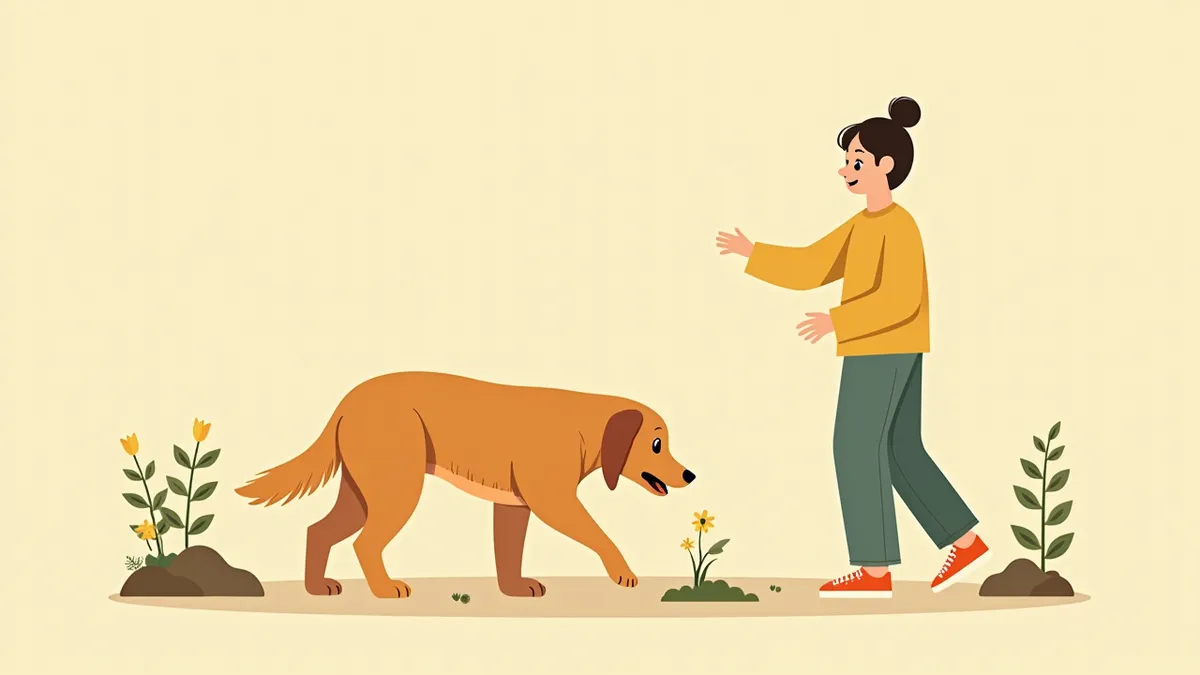
A dog and its owner approaching snail pellets in the garden
Slug bait poisoning in dogs is a neurotoxic emergency that occurs when a dog ingests metaldehyde, the active ingredient in products used to control slugs and snails in gardens and vegetable patches. Metaldehyde is a cyclic polymer of acetaldehyde that primarily affects the central nervous system (CNS). The most critical point is that your dog needs to reach the veterinary clinic before symptoms appear. Because slug bait often comes in granule or pellet form, dogs can easily mistake it for food. Depending on the amount ingested and how quickly treatment is administered, it can lead to life-threatening seizures and hyperthermia. The prognosis depends heavily on the ingested dose and the time elapsed before treatment, so contact your veterinarian immediately if you suspect ingestion.

Why Is Slug Bait Fatal to Dogs?

The exact mechanism of metaldehyde poisoning has not yet been fully elucidated. Although it was previously hypothesized that metaldehyde is converted into acetaldehyde after ingestion, thereby exerting its toxicity, this has not been confirmed. Recent evidence suggests that metaldehyde causes neuronal overexcitation by increasing excitatory neurotransmitters in the brain or decreasing gamma-aminobutyric acid (GABA), an inhibitory neurotransmitter. This neuronal overexcitation leads to generalized muscle tremors and seizures. Concurrently, impaired thermoregulation can result in hyperthermia. If seizures and hyperthermia persist, hepatic and renal dysfunction may develop several days after the initial recovery. There is no specific antidote for metaldehyde poisoning; therefore, rapid toxin removal and symptom management are critical determinants of survival.

Checklist of Main Symptoms

Symptoms typically appear within 30 minutes to 2 hours after ingestion, though in rare cases they may not manifest until 10–12 hours later.
Muscle tremors: Rapid shaking of the entire body; this is a common early sign.
Seizures: Loss of consciousness accompanied by convulsions, requiring immediate intervention.
Hyperthermia: As tremors and convulsions persist, body temperature rises and panting occurs.
Excessive drooling and vomiting: These are common symptoms that often appear shortly after ingestion.
Gait abnormalities (ataxia): The pet may stumble or be unable to stand properly.
Dilated pupils and hyperactivity: Pupils may enlarge, and the pet may become overly sensitive to stimuli.
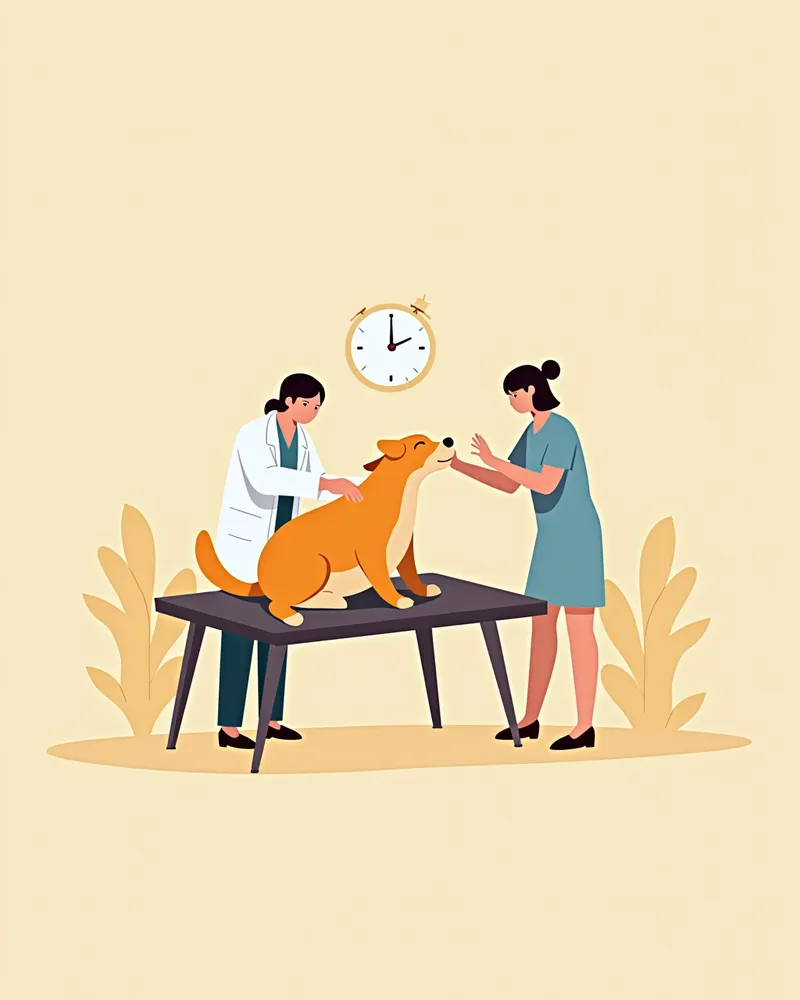
A dog suspected of snail bait poisoning being examined by a veterinarian

Signs That Require Immediate Visit to an Emergency Animal Hospital

If you notice any of the following symptoms, take your pet to a 24-hour emergency animal hospital immediately. Seizures, hyperthermia, and difficulty breathing can be life-threatening within minutes. • Generalized seizures or convulsions that do not stop • Body temperature exceeding 40°C or severe panting • Gums turning blue or pale • Unconsciousness or lack of response • Suspected ingestion of snail bait—even if no symptoms are present, seek veterinary care immediately

Dangerous Ingestion Levels — Even Small Amounts Are Dangerous for Small Breeds

According to veterinary textbooks, the lethal dose (LD50) of metaldehyde in dogs is reported to be approximately 210–600 mg per kilogram of body weight. The concentration of metaldehyde in commercially available slug and snail baits typically ranges from 2.75% to 3.25%. Using the lowest LD50 value (210 mg/kg) and a bait concentration of 3.25%, the lethal dose equates to about 6.5 grams per kilogram of body weight, meaning a 5 kg small dog would reach this threshold at approximately 32 grams. However, toxic symptoms can occur with even smaller amounts, and it is often difficult to determine the exact amount ingested. Do not assume your pet is safe just because it seems to have eaten only a little; if you suspect any ingestion, seek immediate veterinary care.
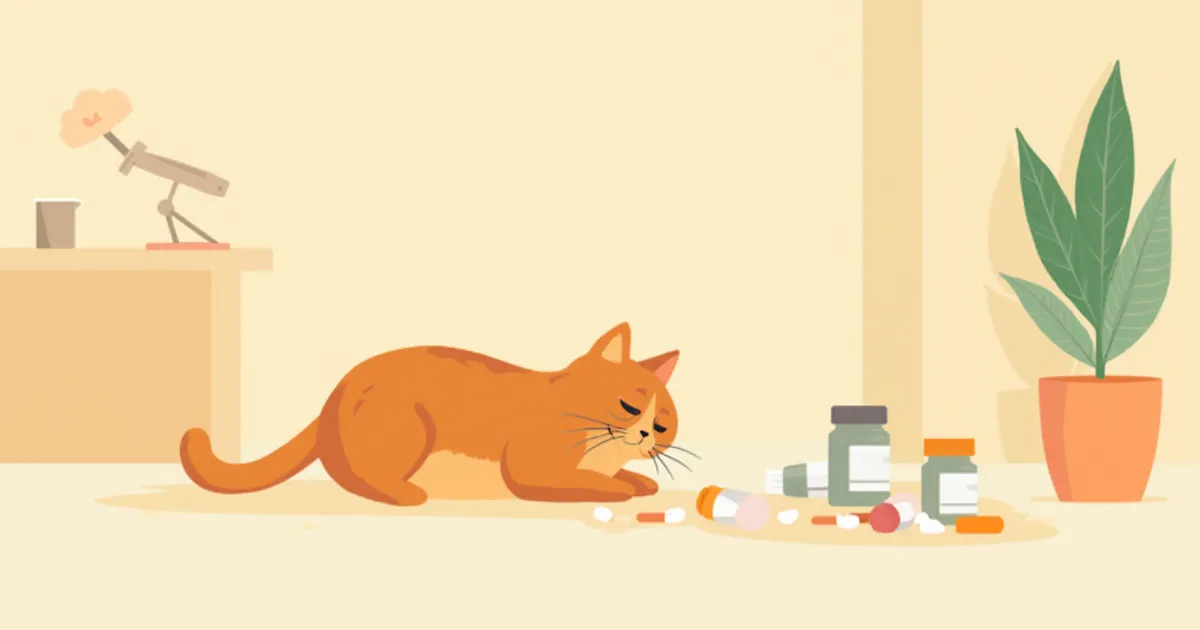
Image comparing small amounts of slug bait that are dangerous for small dogs

Treatment at the Animal Hospital

According to veterinary textbooks, the key to treating slug bait poisoning is rapid toxin removal and symptom management.
Inducing vomiting: This is most effective when performed quickly before symptoms appear. Once symptoms have started, inducing vomiting can actually be dangerous.
Activated charcoal administration: This blocks the absorption of toxins in the intestines.
Anticonvulsants: These control seizures to prevent brain damage.
Fluid therapy: This helps protect the kidneys and aids in flushing out toxins.
Temperature regulation: If hyperthermia is present, immediate cooling measures are taken.
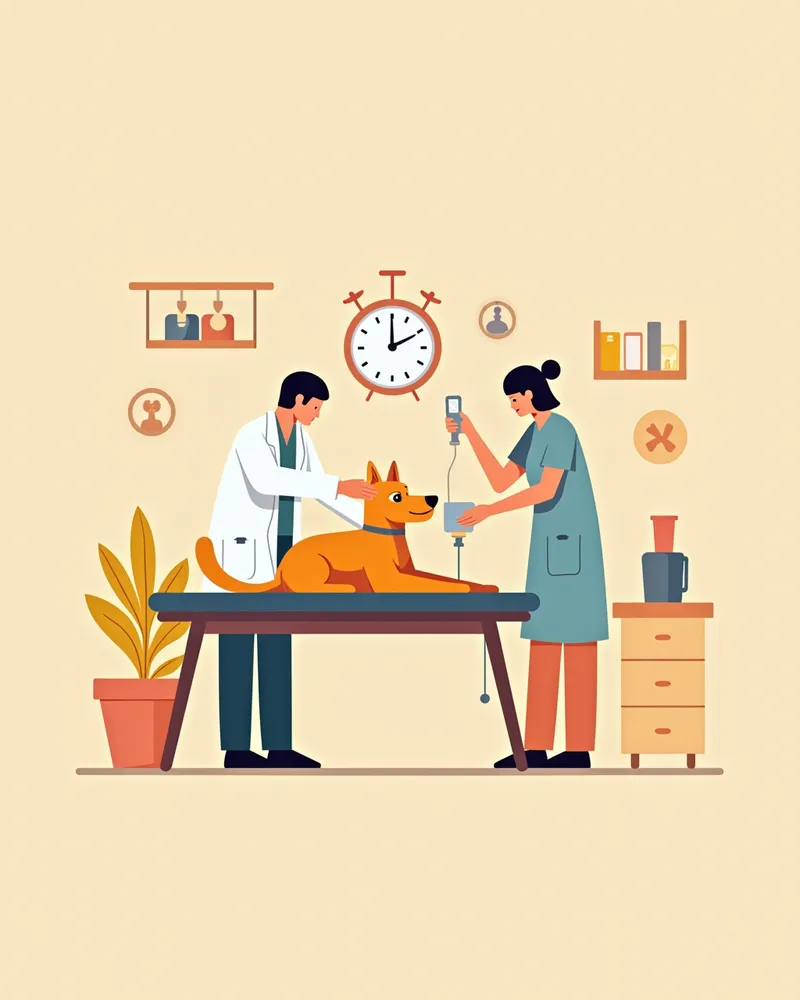
A veterinarian administering intravenous fluid therapy to a dog suffering from slug bait poisoning.

What to Do vs. What Not to Do at Home

✅ What to do • Bring the packaging of the ingested product to the clinic — it is essential for verifying the ingredients and concentration. • Place your dog in a cool, quiet area to minimize stress and stimulation. • Write down the time of ingestion, the estimated amount consumed, and when symptoms began. ❌ What not to do • Do not attempt to induce vomiting at home — if symptoms have already started, this can be dangerous. • Do not force your dog to drink milk or water. • Do not delay a vet visit by waiting to see if symptoms improve on their own.

Prevention Guidelines for Slug Bait Poisoning

During the spring-to-summer garden maintenance season, snail bait may also be used in neighboring yards. Stay vigilant even during walks. • Store household snail bait in a locked container placed high out of your dog’s reach. • If you spot small green or blue pellets while walking, immediately move your dog away from the area. • Keep the leash short when walking in parks or residential areas with gardens. • Never use snail control products that do not carry a pet-safe label.

Reviewed by a veterinarian

Dr. Tony — Punnawat Phongkittirak

Dr. Tony — Punnawat Phongkittirak

Veterinarian

A veterinarian who majored in veterinary medicine at Khon Kaen University, Thailand, and completed the IVSA program at North Carolina State University in the United States. Drawing on clinical experience at animal hospitals, he works in the pet healthcare field and is dedicated to building a digital care environment that connects pet parents with veterinarians.

Frequently Asked Questions

I think my pet may have ingested a snail pellet, but there are no symptoms yet. Should I take them to the vet?
Yes, it’s essential to go. If your pet receives emetic treatment to induce vomiting during the early stage before symptoms appear, it can significantly reduce the amount of toxin in their system. Once symptoms begin to manifest, treatment becomes much more challenging and the prognosis worsens.
Can snail bait poisoning be cured with treatment?
With prompt treatment, most pets make a full recovery. However, if seizures persist for an extended period or if hyperthermia causes damage to the brain or kidneys, lasting complications may arise. Timely intervention is crucial in determining the prognosis.
I don’t know what snail medication looks like—how can I tell the difference?
Most commercial slug baits are small green or blue granules. They often have a grainy scent that can attract dogs. If you spot these granules in your garden or at a park, immediately move your dog away from the area.
Can't we dilute the toxins by giving water or milk at home?
It’s not working. Snail medication should not be diluted with water or milk. Forcing it into your pet’s mouth can actually cause it to enter the airway, which is dangerous. The only correct course of action is to take your pet to the vet immediately.
Besides snail bait, are there other toxic substances I should watch out for in the garden?
Yes. Herbicides, insecticides, rodenticides, and fertilizers are also dangerous for dogs. Extra caution is especially needed during the spring and summer garden maintenance seasons. Always store garden chemicals in a place where your dog cannot access them.

Share

Related Guides

References

[1] Peterson ME, Talcott PA. Small Animal Toxicology. In: Blackwell's Five-Minute Veterinary Consult Clinical Companion: Small Animal Toxicology, 3rd Edition. Wiley-Blackwell, 2013.

[2] Schaer M, Gaschen FP. Decontamination and Toxicology. In: Clinical Medicine of the Dog and Cat, 4th Edition. CRC Press, 2022.

[3] Plumb DC. Metaldehyde. In: Plumb's Veterinary Drug Handbook, 10th Edition. Wiley-Blackwell, 2023.

[4] Silverstein DC, Hopper K. Decontamination Procedures. In: Feline Emergency and Critical Care Medicine, 2nd Edition. Wiley-Blackwell, 2015.

This information is based on veterinary literature and does not replace diagnosis or treatment. Please consult a veterinarian for specific health concerns.

Metapet Co., Ltd. | CEO: Park Sung-yong | Business Reg. No. 417-88-02562 | Seoul, South Korea | Customer Center

Dog Ate Slug Bait? Metaldehyde Poisoning Signs & First Aid | Meongsiljang