Like
Share
멍실장
강아지 장중첩증 증상과 원인, 진단·치료와 관리 포인트 총정리

My Puppy Keeps Vomiting and Crouching — Symptoms, Causes, and Emergency Response for Intussusception

DigestiveDiseasesMeongsiljang Veterinary Advisory Board

Intussusception in dogs is a gastrointestinal emergency in which a segment of the intestine telescopes into an adjacent segment. The main causes include parvovirus, enteritis, and parasitic infections. Early detection and prompt surgical intervention are critical to survival.

What Is Intestinal Intussusception in Dogs?
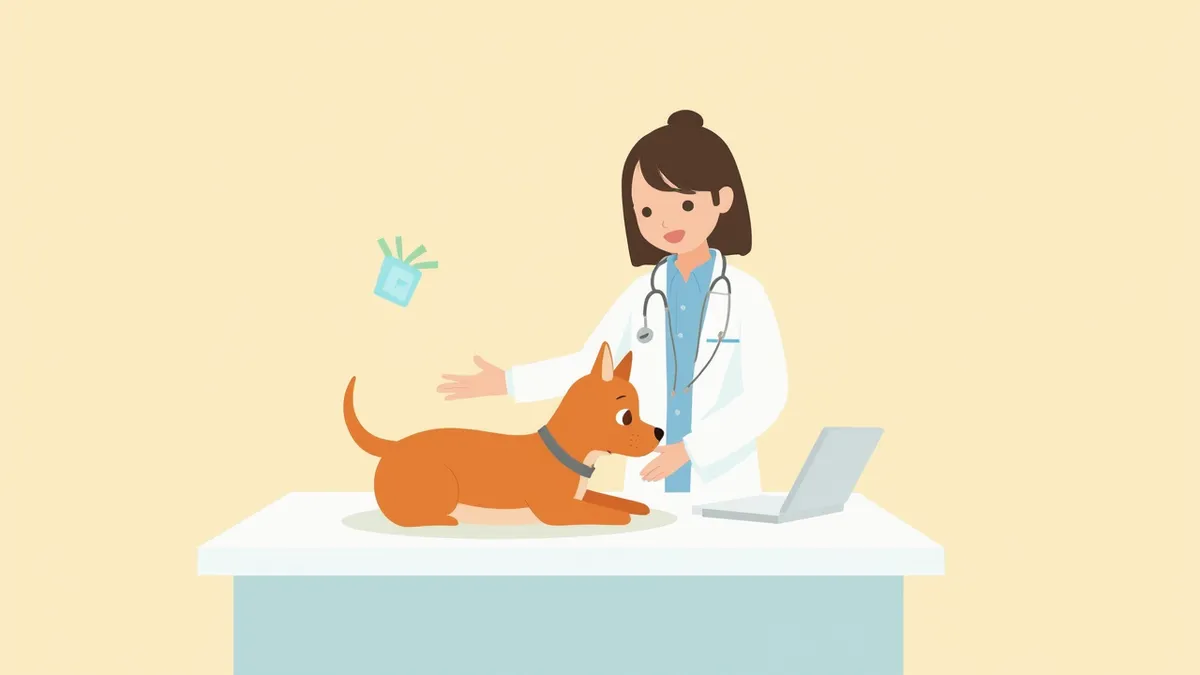
A scene of a veterinarian palpating a puppy's abdomen.
Intussusception in dogs is a gastrointestinal emergency in which a segment of the intestine telescopes into an adjacent portion. The most critical factor is immediate surgery. Because blood flow to the affected segment can be cut off, leading to intestinal necrosis within hours, emergency treatment must be sought within 24 hours if vomiting, bloody stools, and severe abdominal pain occur together. This condition is particularly common in young puppies recovering from parvovirus enteritis or those who have recently undergone significant dietary changes.

Causes of Intestinal Intussusception

Intestinal intussusception occurs when intestinal motility becomes abnormally hyperactive or when irregular peristalsis develops. Textbooks describe it as a complication of abnormal intestinal motility associated with enteritis or intraluminal masses, resulting in the telescoping of the intestine. In young puppies, severe enteritis, such as that caused by parvovirus, is commonly a predisposing factor. Other potential causes include bacterial enteritis, intestinal parasites like roundworms and whipworms, ingestion of foreign bodies, intestinal tumors, and sudden dietary changes. This condition is most frequently reported in puppies under one year of age, and the risk is further increased if parvovirus vaccination has not been completed.

Key Symptoms Owners Should Check For

Repetitive vomiting: Repeatedly vomiting food and bile, unable to even keep water down.
Blood or mucus in stool: Stools containing visible red blood or thick, jelly-like mucus.
Severe abdominal pain: Extreme discomfort when the abdomen is touched, often accompanied by a hunched posture.
Abdominal distension: The belly appears noticeably swollen or feels hard to the touch.
Lethargy and loss of appetite: Sudden weakness and a complete refusal to eat.
Signs of shock: Pale gums and low body temperature require immediate emergency veterinary care.
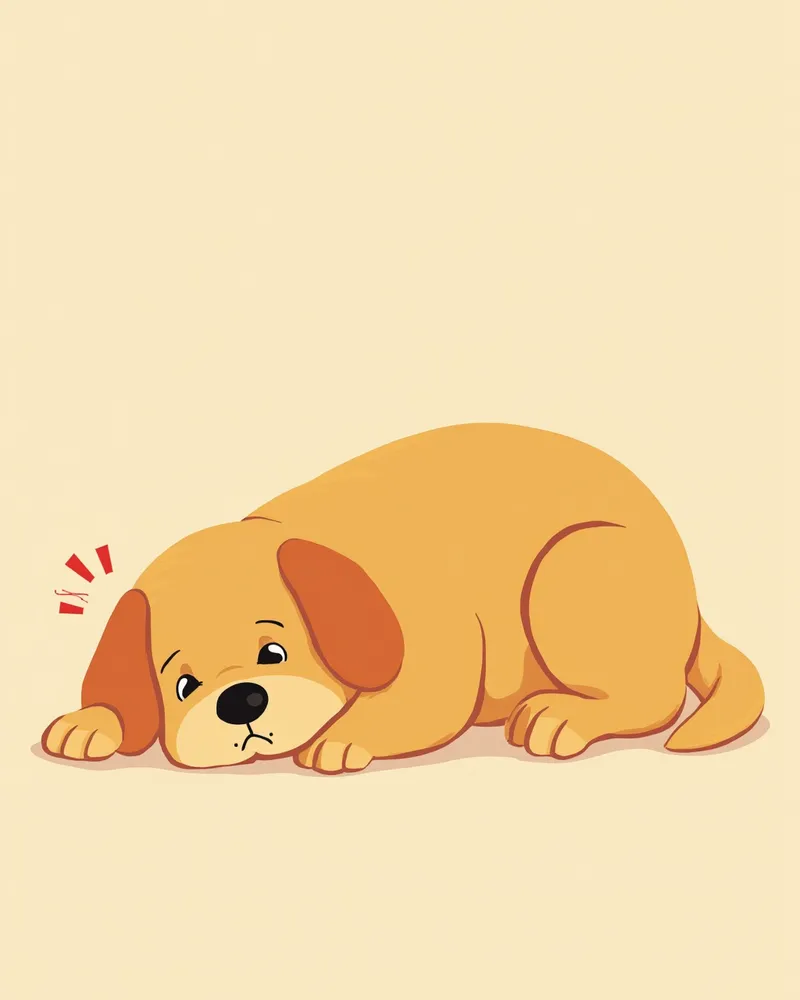
A puppy curled up in pain from an upset stomach

When to Go to the Emergency Room Immediately

If any of the following signs are present, seek immediate care at a 24-hour emergency animal hospital. Intestinal necrosis can progress within hours. • Vomiting and bloody diarrhea persisting simultaneously for more than two hours • Severe abdominal pain that prevents any abdominal palpation • Pale or bluish gums • Altered consciousness or inability to stand • A firm, sausage-shaped mass palpable in the abdomen

Diagnostic Methods for Intussusception

When a veterinarian palpates the abdomen and feels a sausage-shaped mass, intestinal intussusception is strongly suspected. On ultrasound, the classic sign of intussusception is the "target sign," where the cross-section appears as concentric circles resembling a bullseye. X-rays are used to check for intestinal obstruction and the degree of distension. Blood tests assess dehydration, electrolyte imbalances, and inflammation levels to evaluate the patient’s overall condition before surgery. Since ultrasound is the key diagnostic tool, it’s best to go directly to a clinic equipped with ultrasound facilities.

Treatment — Surgery Is Key

The primary treatment for intestinal intussusception is surgery. If detected early while the intestine is still viable, we may attempt manual reduction to gently separate the telescoped segments. However, if necrosis has set in or the risk of recurrence is high, we perform an intestinal resection and anastomosis to remove the affected section and reconnect the healthy ends. Post-operative care includes intravenous fluid therapy and antibiotics. The prognosis worsens as the extent of necrosis increases, so seeking veterinary care immediately upon noticing symptoms is crucial.
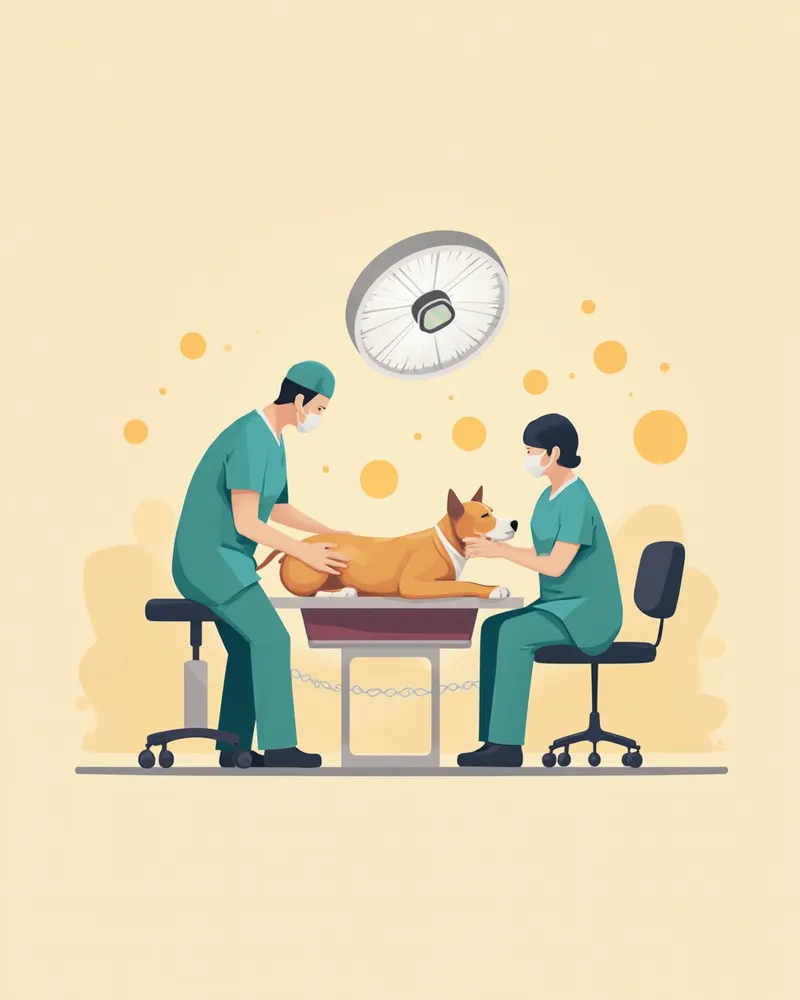
Dog intestinal surgery scene

Post-Surgery Home Care and Recovery

For the first few days after surgery, feed small amounts of an easily digestible prescription diet several times a day. Gradually increase water intake in small increments. Keep your pet wearing an Elizabethan collar or abdominal protective suit to prevent licking the surgical site, and restrict vigorous activity for at least two to three weeks. Monitor bowel movements and appetite daily, and contact your veterinarian immediately if you notice any abnormalities. To help prevent recurrence, be sure to confirm with your attending veterinarian whether intestinal plication was performed and review the post-discharge care plan.
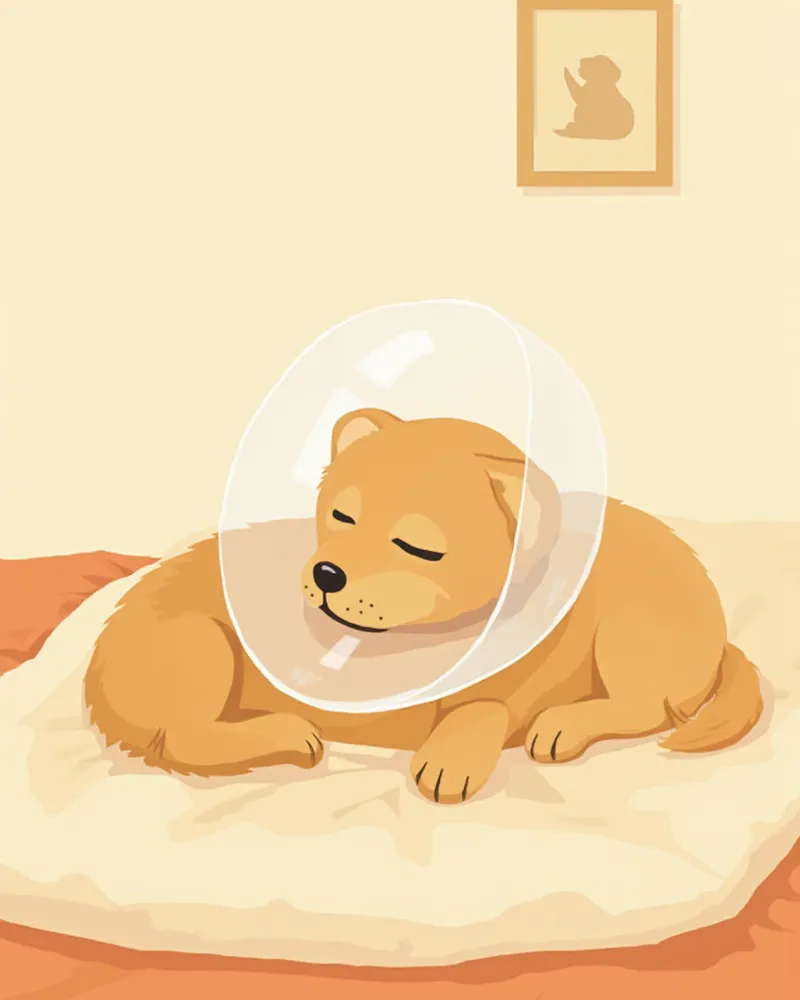
A recovering puppy resting while wearing a neck collar

Pay Extra Attention to Young Puppies and Certain Breeds

Intestinal intussusception is most common in young puppies, though veterinary textbooks also note cases in adult medium- to large-breed dogs, particularly males. Therefore, it’s important to closely monitor puppies under six months of age and medium- to large-breed dogs. Since parvovirus enteritis can be a predisposing factor, pay special attention to puppies that haven’t completed their vaccination series. Because intussusception can recur once it has occurred, continue to monitor your pet’s bowel movements, appetite, and signs of abdominal distension even after recovery.

Reviewed by a veterinarian

Dr. Tony — Punnawat Phongkittirak

Dr. Tony — Punnawat Phongkittirak

Veterinarian

A veterinarian who majored in veterinary medicine at Khon Kaen University, Thailand, and completed the IVSA program at North Carolina State University in the United States. Drawing on clinical experience at animal hospitals, he works in the pet healthcare field and is dedicated to building a digital care environment that connects pet parents with veterinarians.

Frequently Asked Questions

Can intestinal intussusception be treated with medication alone?
Unfortunately, medication alone is not effective for treatment. Because the overlapping intestines need to be returned to their proper position, surgery is usually required. In some early cases, manual separation may be possible, but surgery is often recommended to prevent recurrence.
Does the parvovirus vaccine also prevent intestinal intussusception?
Parvovirus enteritis is one of the main causes, so completing vaccinations can help reduce the risk. However, since intestinal intussusception can also occur due to various other causes beyond parvovirus, it's a good idea to combine regular health check-ups with deworming.
Is there a chance the condition could come back after surgery?
Yes, intussusception can recur, especially in young puppies, who have a relatively high recurrence rate. To help prevent recurrence, surgeons may perform an additional procedure called enteropexy during the initial surgery. After recovery, keep a close eye on your puppy’s bowel movements and appetite, and seek veterinary care promptly if you notice any abnormalities.
Can you tell the difference between intestinal intussusception and simple enteritis at home?
It can be difficult to tell the difference. Both conditions cause vomiting and diarrhea, but intussusception is often accompanied by bloody stools, severe abdominal pain, and a palpable abdominal mass. If you're unsure whether it's simple enteritis or an emergency, the safest course of action is to visit a veterinary clinic immediately.
If my pet won’t let me touch its belly, does that mean I need to take it to the vet?
Yes, you must take your pet to the vet. Severe abdominal pain that makes your pet resist having its belly touched can be a sign of several emergency conditions, including intestinal intussusception. Rather than trying to diagnose it yourself, it’s important to confirm the cause with advanced diagnostics like an ultrasound.

Share

Related Guides

References

[1] Nelson RW, Couto CG. Small Animal Internal Medicine, 6th Ed. Elsevier, 2019. Chapter 33: Diseases of the Small Intestine.

[2] Fossum TW. Small Animal Surgery, 5th Ed. Elsevier, 2018. Chapter 19: Surgery of the Small Intestine.

[3] Ettinger SJ, Feldman EC, Côté E. Textbook of Veterinary Internal Medicine, 8th Ed. Elsevier, 2017. Gastrointestinal Emergencies.

This information is based on veterinary literature and does not replace diagnosis or treatment. Please consult a veterinarian for specific health concerns.

Metapet Co., Ltd. | Seoul, South Korea | © 2024 Metapet Co., Ltd. All rights reserved.