Like
Share
멍실장
강아지 지방 저장 세포 활성화 증상과 원인, 진단·치료와 관리 포인트 총정리

If Your Dog’s Liver Is Hardening — Timing for Treating Fat-Storage Cell Activation and Liver Fibrosis

Liver HealthDiseasesMeongsiljang Veterinary Advisory Board

Activation of fat-storing cells in dogs is an early stage of liver damage that can lead to liver fibrosis by causing fat accumulation and inflammatory responses. Early detection and management are crucial.

Activation of Fat-Storage Cells in Dogs Is an Early Stage of Liver Damage
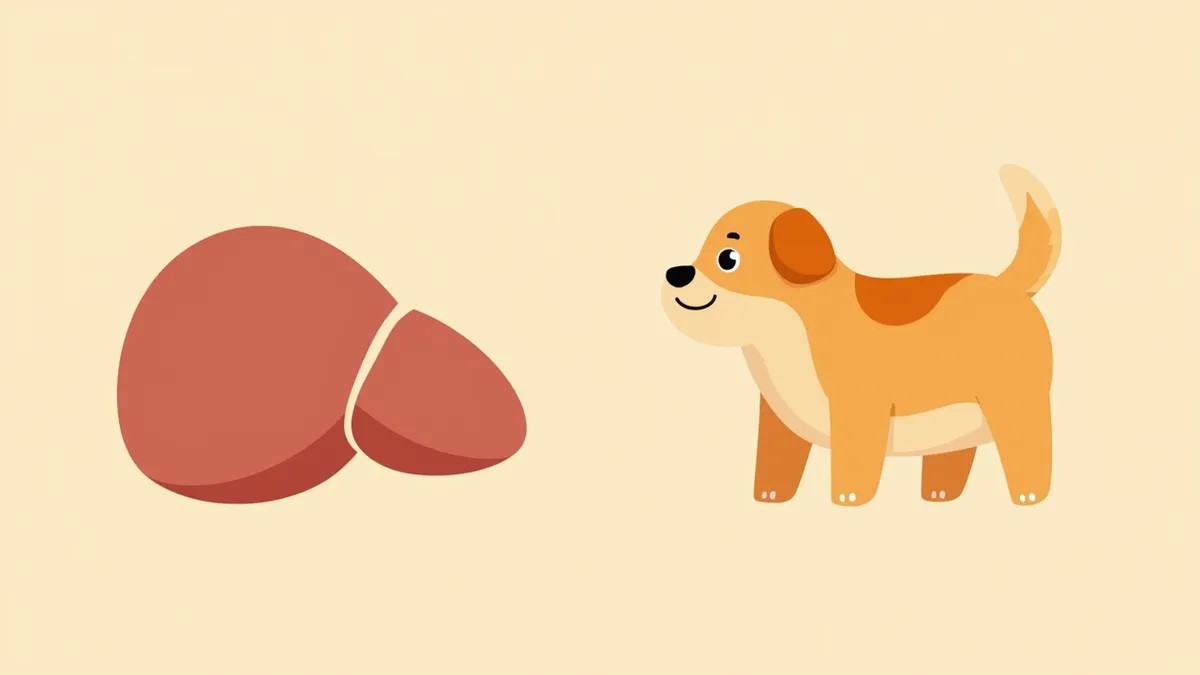
A comparison image of a healthy dog liver and a liver with fat accumulation
Activation of fat storage cells in dogs is an early pathological state in which substances such as fat or glycogen abnormally accumulate within liver cells. The prognosis is generally favorable if the underlying cause is identified and treated early. - Lipid metabolism disorders: When lipid metabolism is not properly regulated, fatty acids exceed the liver cells' processing capacity and accumulate as triglycerides. - Hormonal imbalances: Steroid administration or hyperadrenocorticism (excess cortisol) are common causes of vacuolar changes in liver cells. - Energy imbalance: When peripheral fat is excessively mobilized to the liver during energy deficiency, fat accumulates in the liver. - Systemic risk factors such as obesity: Obesity is a multifactorial risk factor that increases various health risks and requires concurrent management. - Neglect of underlying diseases: If the underlying condition is not addressed, it can progress to liver dysfunction. Therefore, early identification and correction of the cause are essential.

The Main Causes Are Obesity and Unbalanced Diets
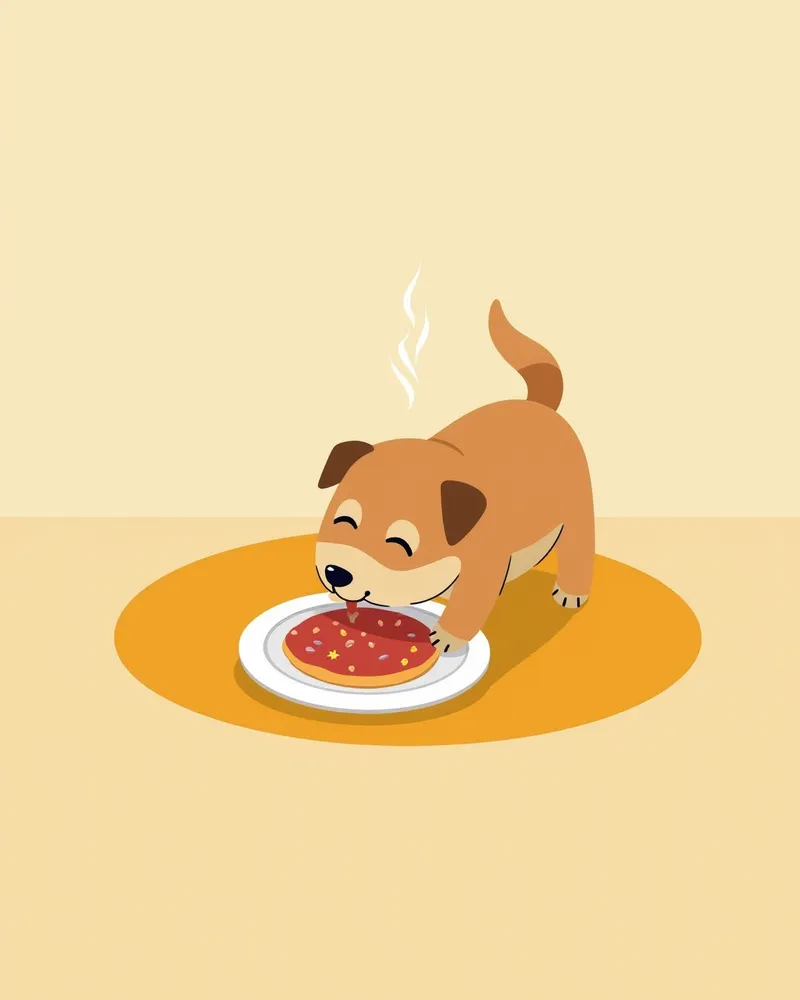
The main causes of fat cell activation in dogs are hormonal imbalances and lipid metabolism disorders. - Hormonal imbalances: Steroid administration or hyperadrenocorticism (excess cortisol) are common causes of hepatic vacuolar changes. Endocrine disorders such as hypothyroidism can also be involved. - Lipid metabolism disorders: When fatty acids exceed the liver cells' processing capacity, they accumulate as triglycerides. - Obesity: Obesity results from a combination of factors such as diet, exercise, and endocrine disorders, increasing the risk of systemic health issues. - Lack of exercise: Low activity levels increase the risk of obesity. - Genetic predisposition: Certain breeds, such as Scottish Terriers, have been reported to be particularly susceptible. When these factors overlap, the condition can progress.
A scene of a puppy eating high-fat human food

Check for Key Symptoms and Signs

Activation of fat-storage cells typically shows few symptoms in the early stages. However, as the condition progresses, the following signs may appear. If you notice any of these symptoms, be sure to consult your veterinarian.
Decreased appetite: Your pet suddenly loses interest in food.
Increased fatigue: They remain lethargic and stay in one place all day.
Abdominal swelling: You may notice a distended belly.
Jaundice: The eyes and lips turn yellow.
Recurrent vomiting: Vomiting occurs multiple times a day.
If you observe any of these signs, immediate veterinary attention is required.
A dog that looks tired, with a slightly distended abdomen

Jaundice or Persistent Vomiting Requires Immediate Veterinary Visit

Jaundice is a clinical sign that appears when bilirubin levels rise to more than two to three times the normal range due to bile stasis, indicating a problem with liver function. If you notice jaundice or repeated vomiting, it could lead to acute liver damage, so it’s best to visit a veterinary clinic as soon as possible.

Diagnosis Is Confirmed via Blood Tests and Ultrasound
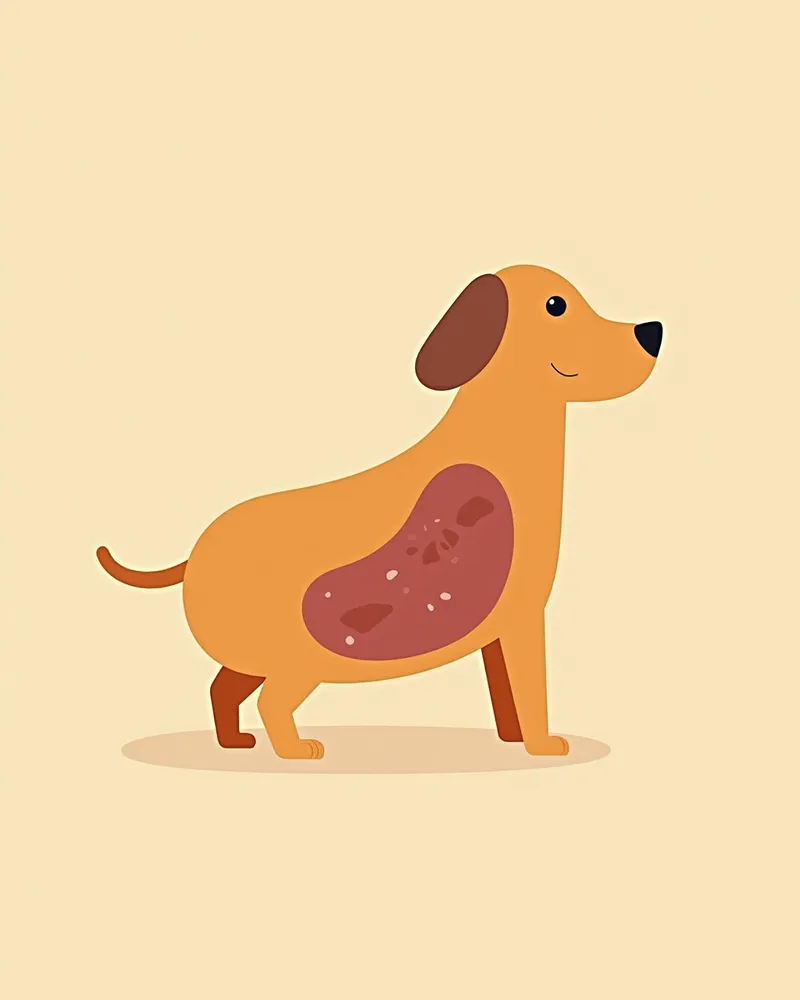
Activation of fat-storing cells can be suspected when liver enzyme levels change on blood tests. - Blood tests: Elevated ALT and AST (markers of hepatocyte damage) and ALP and GGT (markers of cholestasis) suggest possible liver abnormalities. In vacuolar hepatopathy, ALP tends to rise more markedly than ALT. - Interpreting results: Normal or only slightly elevated enzymes do not completely rule out liver disease. - Abdominal ultrasound: The liver may appear uniformly enlarged or hyperechoic (bright), indicating fat and glycogen accumulation. - Liver biopsy: Histopathological examination is required for a definitive diagnosis. - Regular check-ups: Dogs at risk should undergo periodic screening.
The ultrasound image of the dog's liver shows fat accumulation.

Treatment Centers on Dietary Management and Weight Loss

The cornerstone of treatment is identifying and addressing the underlying disease while carefully managing diet and weight. - Treating the underlying cause: If the condition is caused by steroids or endocrine disorders, correcting the underlying disease is the most important step. - Balanced nutrition: Consult your veterinarian to adjust your pet’s diet and ensure adequate protein intake. - Portion control: Provide the exact recommended daily amount of food. - Hepatic support supplements: Antioxidants and liver protectants such as vitamin E, SAMe, and UDCA may be beneficial. - Weight monitoring: Weigh your pet every 1–2 weeks to track changes. Consistent management is the key to recovery.
A puppy enjoying a walk in the park

Strictly Follow Home Care Guidelines

Activating fat-storage cells can be reversed once the underlying cause is identified and managed. Please strictly follow these guidelines:
Portion control: Adhere precisely to the recommended daily food allowance.
Liver-support supplements: Consistently administer antioxidant and hepatoprotective supplements recommended by your veterinarian.
Maintain exercise habits: Take your pet for walks at a consistent time every day.
Regular check-ups: Schedule periodic liver function tests.
Avoid high-fat foods: Do not feed your pet high-fat human foods.
Maintaining these habits will help stabilize liver function.
A dining table set with healthy pet food, a calendar, and a leash.

Caution Is Needed for Breeds Prone to Obesity

Certain breeds are more susceptible to liver cell changes or obesity. For example, Scottish Terriers are associated with a breed-specific condition called vacuolar hepatopathy, while Labrador Retrievers have a reported genetic predisposition to obesity. For these breeds, weight management and regular check-ups are especially important.

Reviewed by a veterinarian

Dr. Tony — Punnawat Phongkittirak

Dr. Tony — Punnawat Phongkittirak

Veterinarian

A veterinarian who majored in veterinary medicine at Khon Kaen University, Thailand, and completed the IVSA program at North Carolina State University in the United States. Drawing on clinical experience at animal hospitals, he works in the pet healthcare field and is dedicated to building a digital care environment that connects pet parents with veterinarians.

Frequently Asked Questions

Can the activation of fat-storing cells be treated?
The prognosis is generally favorable when the underlying disease is identified and treated early, and diet and weight are managed together. Correcting the underlying disease is the key to recovery.
When should I give my pet a liver protectant?
Start administering the medication at the time recommended by your veterinarian and continue giving it consistently as directed. Since the method of administration varies depending on the medication, please follow your veterinarian’s instructions.
My dog suddenly lost his appetite. Could it be a sign of fatty liver?
A decreased appetite can have many causes, but it may also be an early sign of liver problems. We recommend visiting a veterinary clinic right away.
What tests does a veterinarian perform if fatty liver symptoms appear?
Diagnosis is made through blood tests, liver ultrasound, and, if necessary, a liver biopsy. We begin with non-invasive tests in the early stages.
If my pet is experiencing diarrhea, can I give them human food?
Absolutely not. High-fat and high-sodium foods can strain the liver and worsen the condition.

Share

Related Guides

References

[1] Buffington, C.A. et al. (1989). Lack of effect of age on digestibility of protein, fat and dry matter in beagle dogs. Nutrition of the Dog and Cat, Cambridge University Press.

[2] Ishioka, K. et al. (2007). Plasma leptin concentration in dogs: effects of body condition score, age, gender and breeds. Res. Vet. Sci. 82: 11–15.

[3] Gogos, C.A. et al. (1998). Dietary omega-3 polyunsaturated fatty acids plus vitamin E restore immunodeficiency and prolong survival for household dogs. J. Toxicol. Environ. Health 28: 407–414.

This information is based on veterinary literature and does not replace diagnosis or treatment. Please consult a veterinarian for specific health concerns.

Metapet Co., Ltd. | CEO: Park Sung-yong | Business Reg. No. 417-88-02562 | Seoul, South Korea | Customer Center

Dog Liver Hardening: Fat-Storing Cell Activation & Fibrosis Timing | Meongsiljang