
Like
Share
멍실장
강아지 조기 발견 종양 선별 검사 증상과 원인, 진단·치료와 관리 포인트 총정리

Early Detection of Canine Cancer — Timing for Tumor Screening and Essential Checkpoints

Oncology/CancerDiseasesMeongsiljang Veterinary Advisory Board

Early tumor screening for dogs is a crucial test that detects cancer in its initial stages, significantly improving treatment success rates. Regular check-ups allow you to identify potential risks before they become serious.

What is Early Detection Tumor Screening for Dogs?
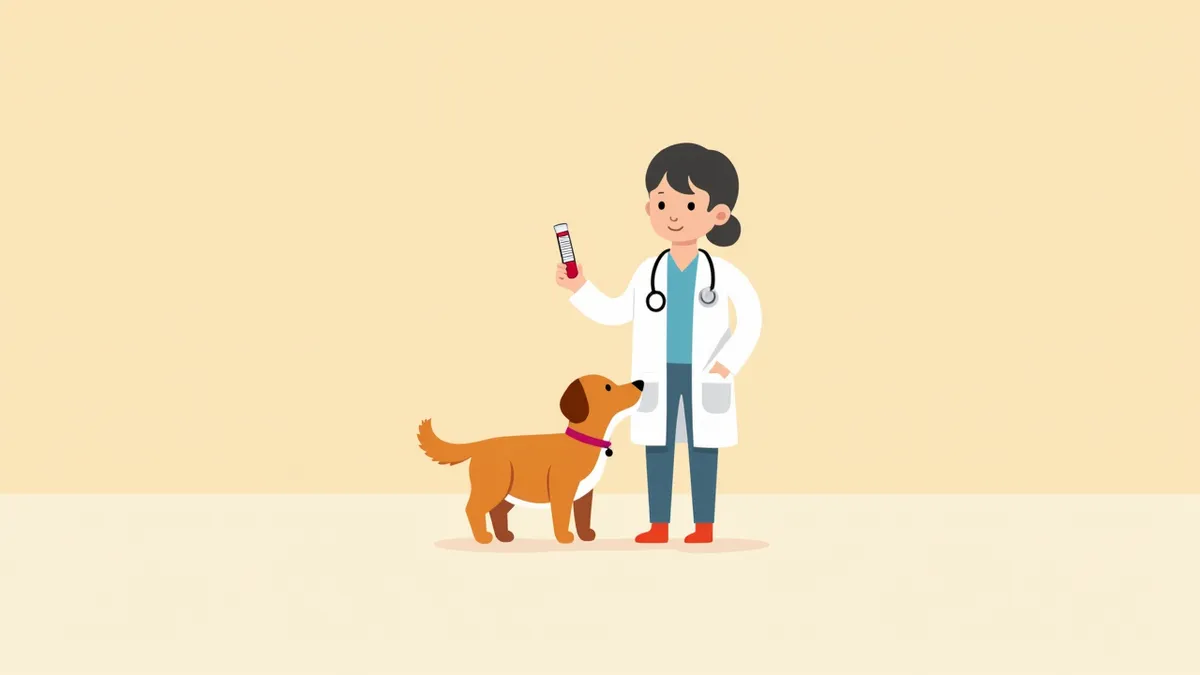
A scene of a veterinarian examining a blood sample from a puppy.
Early detection tumor screening for dogs is a crucial procedure that identifies cancer in its initial stages, significantly improving treatment success rates. This screening comprehensively utilizes blood tests, imaging studies (ultrasound and X-rays), and, when necessary, tissue biopsies. It can identify risks even in the absence of symptoms. Because early detection is possible, regular check-ups are essential. Screening is recommended at least once a year, with more frequent examinations advised for senior dogs or specific breeds. Early detection increases the likelihood of surgical intervention and reduces treatment-related side effects.

What Are the Main Causes of Cancer?

Canine cancer arises from a complex interplay of factors, including genetic predisposition, aging, environmental influences, and chronic irritation. The risk of cancer increases with age, and certain tumors, such as anal sac adenocarcinoma, are reported to occur primarily in senior dogs. Additionally, the risk can vary by size and age; for instance, bone tumors near joints are more commonly suspected in large-breed dogs. Regarding environmental factors, secondhand smoke has been linked to an increased risk of lung cancer in dogs, while chronic irritation and oxidative stress (reactive oxygen species) are known risk factors in the carcinogenic process. Since lifestyle, diet, and exercise levels can also impact overall health, it is important to be aware of these factors and manage them through regular veterinary check-ups.
An image highlighting the facial features of a senior dog

What Are the Main Symptoms of Early-Stage Tumors?

Early-stage tumors often present with subtle symptoms that pet owners may easily overlook. However, you should always be vigilant for the following signs, as early detection is key to successful treatment.
Weight loss: Your pet may lose weight despite maintaining a normal appetite.
Increased fatigue: You may notice excessive sleepiness or reduced activity levels throughout the day.
Decreased appetite: Sudden refusal to eat or a noticeable reduction in food intake can occur.
Abnormal lumps or swelling: Unusual masses or swellings may appear on the body.
Persistent coughing or difficulty breathing: These can be early indicators of lung cancer.
Recurring constipation or diarrhea: These gastrointestinal issues may signal digestive system cancer.
A tired dog resting.

Symptoms Requiring Immediate Veterinary Visit

If your pet experiences sudden weight loss, a complete loss of appetite, difficulty breathing, bleeding, or frequent vomiting, visit the clinic immediately. These could be signs that the cancer has progressed.

Main Diagnostic Methods for Diagnosis
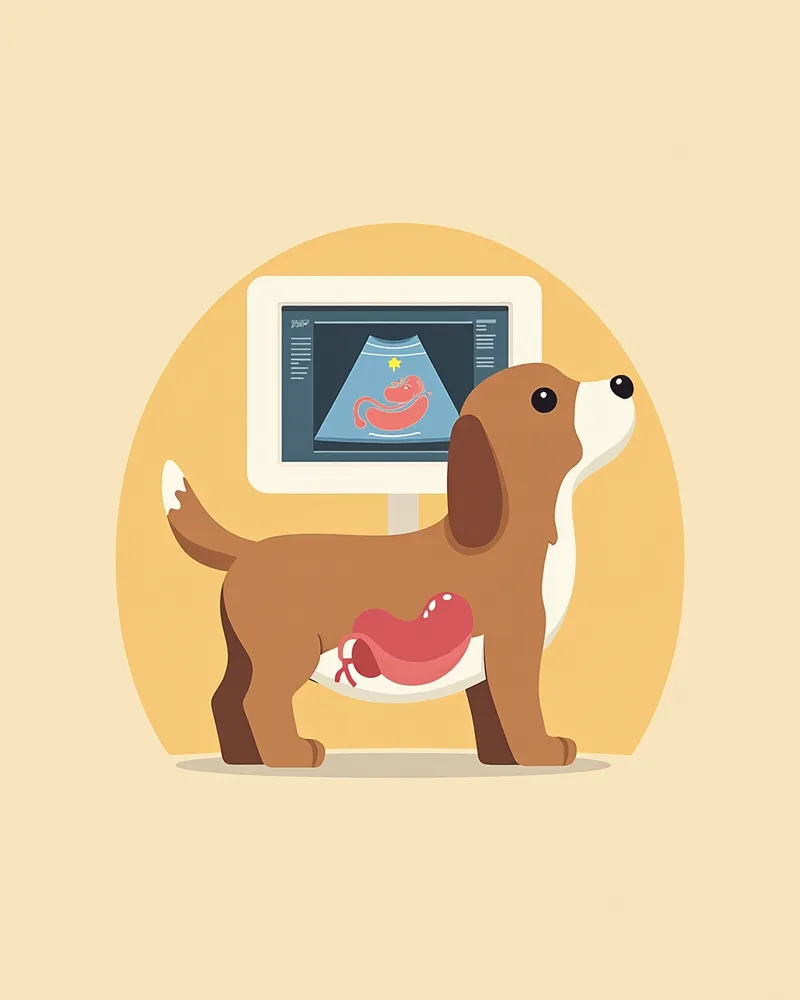
A cancer diagnosis isn’t made from a single test; it involves a combination of several examinations. Blood tests assess overall health and inflammation markers, while ultrasound or X-rays help determine the tumor’s location, size, and whether it has spread. If a suspicious area is identified, a tissue biopsy is performed to accurately determine the type of cancer and its grade. MRI or CT scans are particularly useful for diagnosing tumors in complex areas, such as the brain or spinal cord. Your veterinarian will synthesize all the test results to provide a tailored diagnosis. Because an accurate diagnosis is the foundation for developing an effective treatment plan, a thorough and meticulous diagnostic process is essential.
A veterinarian performing an abdominal ultrasound on a puppy.

How Is Treatment Conducted?

Cancer treatment is tailored to the type, location, and stage of the tumor. In many cases, surgery can completely remove the tumor, making early detection key. After surgery, radiation therapy or chemotherapy can effectively eliminate any remaining cancer cells. Recently, immunotherapy and targeted therapy have also gained attention. The treatment plan should be discussed with your veterinarian and adjusted based on your dog’s condition. Regular check-ups are essential throughout the treatment process.
A scene of a puppy receiving radiation therapy

Home Care and Management Points

For dogs undergoing cancer treatment, maintaining physical and emotional stability is crucial. Provide regular meals, ample rest, and a quiet environment to minimize stress. If side effects such as vomiting, diarrhea, or fatigue occur, consult your veterinarian immediately. Administer medications strictly according to the prescribed schedule and dosage. Keep up with regular follow-up visits and check-ups, and carefully record any changes in your dog’s condition. Your family’s warm and attentive care plays a significant role in supporting recovery.
A puppy resting comfortably on its bed.

Certain Breeds Are More Susceptible to Cancer

Just as bone tumors near the joints are more commonly suspected in large-breed dogs, certain breeds may be more susceptible to specific cancers due to their size or genetic predisposition. Additionally, the overall risk of cancer increases with age, making regular check-ups and early evaluation especially important for senior dogs.

Reviewed by a veterinarian

Dr. Tony — Punnawat Phongkittirak

Dr. Tony — Punnawat Phongkittirak

Veterinarian

A veterinarian who majored in veterinary medicine at Khon Kaen University, Thailand, and completed the IVSA program at North Carolina State University in the United States. Drawing on clinical experience at animal hospitals, he works in the pet healthcare field and is dedicated to building a digital care environment that connects pet parents with veterinarians.

Frequently Asked Questions

How often should early detection tumor screening tests be performed for dogs?
It is recommended at least once a year. Regular check-ups are especially essential for dogs aged 7 and older.
Can early detection prevent cancer?
While it doesn’t prevent cancer, early detection significantly improves treatment options and survival rates.
How much will the test cost?
The cost varies depending on the type of test. A basic blood test is around $40, while imaging tests typically range from $70 to $100.
What is the first thing you should do if you suspect your pet has cancer?
It’s most important to consult with a veterinarian right away and undergo diagnostic tests. Delaying can reduce treatment opportunities.
Is the likelihood of cancer recurrence high after treatment?
The likelihood of recurrence varies depending on the type of tumor and the treatment method. Regular follow-up exams can help detect any recurrence early.

Share

Related Guides

References

[1] Hostetter S.J. (2023) Oral cavity, gastrointestinal tract, and associated structures. In: Canine and Feline Cytology: A Color Atlas and Interpretation Guide, 2nd edn. Saunders Elsevier, St. Louis, pp. 287–296.

[2] Rebhun and Culp (2013) Primary lung neoplasms in dogs: aggressive behavior and metastatic patterns. Veterinary Surgical Oncology, 2nd Ed.

[3] Mochizuki, H., Shapiro, S.G., and Breen, M. (2016). Detection of copy number imbalance in canine urothelial carcinoma with droplet digital polymerase chain reaction. Vet. Pathol. 53: 764–772.

This information is based on veterinary literature and does not replace diagnosis or treatment. Please consult a veterinarian for specific health concerns.

Metapet Co., Ltd. | CEO: Park Sung-yong | Business Reg. No. 417-88-02562 | Seoul, South Korea | Customer Center

Early Detection of Canine Cancer: Tumor Screening Timing & Checks | Meongsiljang