
Like
Share
멍실장
강아지 급성 신부전(AKI) 증상과 원인, 진단·치료와 관리 포인트 총정리

Sudden Urine and Appetite Changes in Your Dog — Causes of Acute Kidney Injury and When to Seek Emergency Care

KidneyDiseasesMeongsiljang Veterinary Advisory Board

Acute kidney injury (AKI) in dogs is a critical condition where kidney function rapidly declines. Early detection and immediate treatment are crucial for survival.

What Is Acute Kidney Injury (AKI) in Dogs?
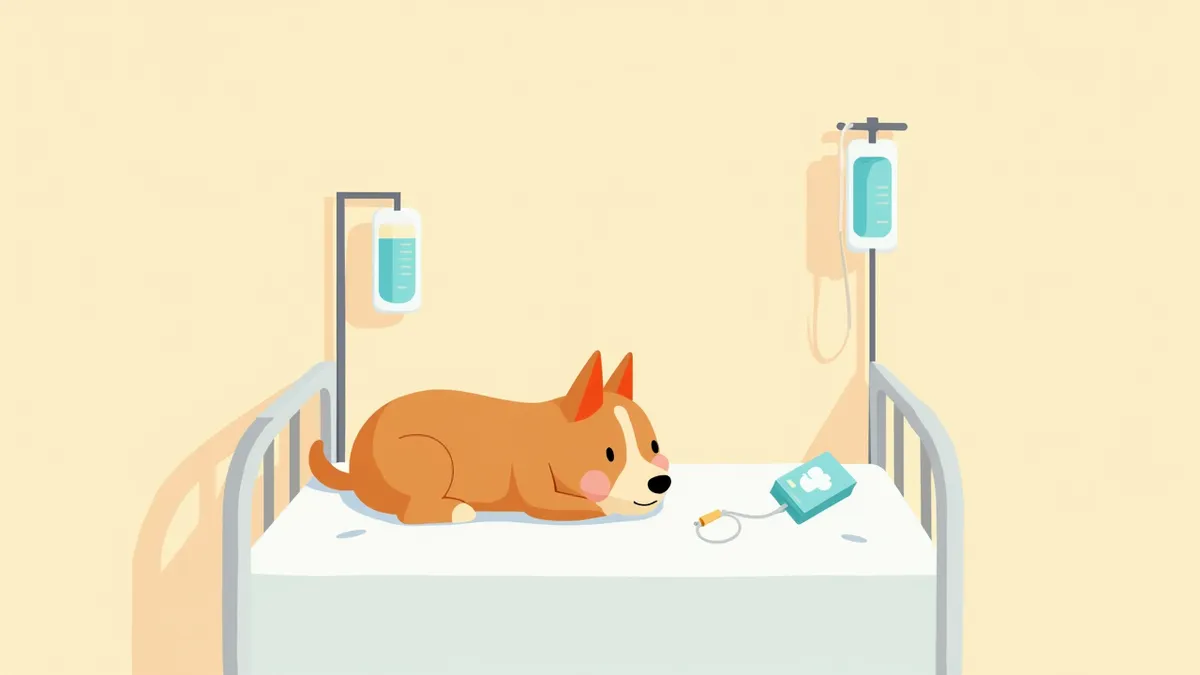
How your dog looks during treatment for acute kidney failure at the veterinary hospital
Acute kidney injury (AKI) in dogs is a life-threatening condition in which kidney function declines rapidly over a matter of hours to days. It occurs due to reduced blood flow to the kidneys or damage to kidney cells, and early detection along with immediate treatment is critical for survival. Common causes include ingestion of toxic substances, severe dehydration, infections, and adverse drug reactions. When the kidneys fail to function properly, waste products accumulate in the body, leading to systemic deterioration. Therefore, if you suspect AKI, seek veterinary care immediately.

What Are the Main Causes of Acute Kidney Injury?
There are many possible causes of acute kidney failure in dogs. - Ingestion of toxic substances: Grapes and raisins, ethylene glycol (an antifreeze component), and certain toxic plants (lilies in cats) can directly damage the kidneys. - Dehydration: Insufficient water intake or a decrease in circulating blood volume reduces blood flow to the kidneys, leading to impaired function. - Severe infections: Infectious diseases caused by bacteria or protozoa can trigger inflammation and damage in the kidneys. - Drug side effects: Medications such as NSAIDs (nonsteroidal anti-inflammatory drugs) can restrict blood flow to the kidneys, causing injury. - Reduced blood flow: Conditions like bleeding, shock, or hypotension can deprive the kidneys of adequate blood supply, resulting in damage.
An image illustrating the possibility of toxic substance exposure as a cause of acute kidney failure in dogs

Check for Key Symptoms and Warning Signs

The early signs of acute kidney failure in dogs include vomiting, loss of appetite, lethargy, and dehydration. This may progress to reduced urine output or complete anuria. Hematuria, difficulty breathing, confusion, and seizures are also serious warning signs. If your dog hasn’t urinated for more than 24 hours, immediate veterinary care is essential. These symptoms indicate a rapid decline in kidney function, making prompt action critical. Early detection significantly improves the chances of successful treatment.
Shock and lethargy, which are early symptoms of acute kidney failure in dogs

Symptoms Requiring Immediate Veterinary Visit

If your pet is unable to urinate at all, or if severe vomiting and lethargy persist, this may indicate an emergency case of acute kidney failure. In such situations, treatment within hours is critical for survival. We strongly recommend contacting a veterinarian immediately and visiting a clinic right away.

Diagnostic Tests for Acute Kidney Injury
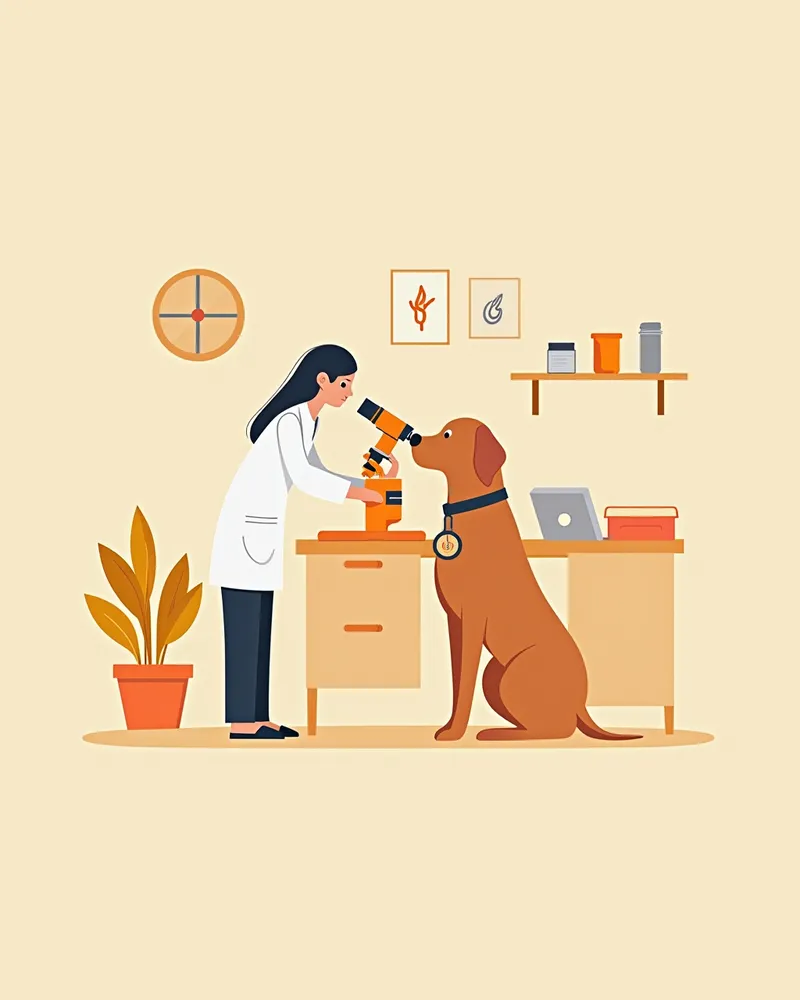
Diagnosing acute kidney failure begins with blood and urine tests. - Elevated blood creatinine and BUN levels: These are key indicators of reduced kidney function. - Decreased urine concentration: Diluted urine, compared to normal, shows that the kidney's concentrating ability has declined. - Abnormal urine sediment: There may be an abnormally high number of cells or proteins. - Ultrasound examination: This checks the size and structure of the kidneys to assess for damage. If necessary, a tissue biopsy may also be considered.
A veterinarian performing a urine test on a puppy

Treatment Methods and Step-by-Step Management
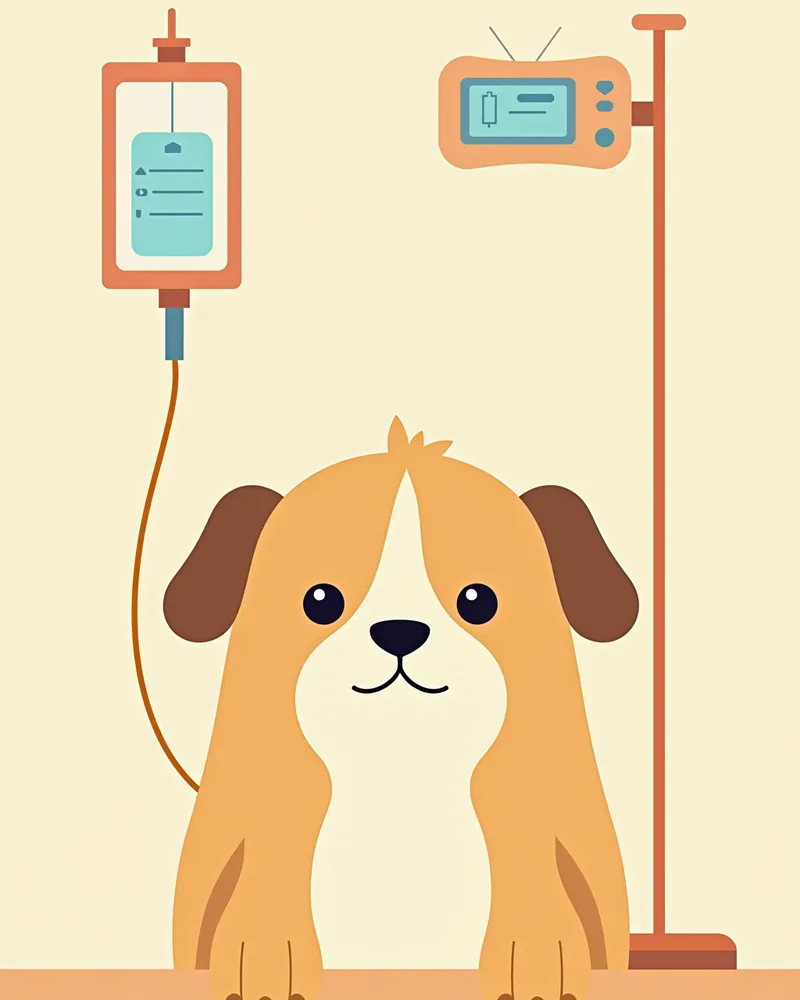
Treating acute kidney failure centers on removing the underlying cause and providing fluid therapy. - Fluid therapy: Intravenous fluids are administered to correct dehydration and restore blood flow to the kidneys. - Toxin removal: If a toxic substance is suspected, antidotes or neutralizing agents are given. - Hemodialysis: In severe cases, dialysis is used to temporarily replace kidney function and remove waste products. - Infection management: If an infection is the cause, it is treated with antibiotics. - Monitoring: Blood and urine tests are repeated throughout treatment to closely monitor the patient’s condition.
Administering intravenous fluids to a puppy being treated for acute kidney failure

Home Care and Recovery Tips

During the recovery period after treatment, it’s important to consistently manage your pet’s water intake. - Low-protein, low-sodium diet: Adjust the diet to reduce the burden on the kidneys. - Regular check-ups: Monitor kidney function recovery through blood and urine tests. - Rest-focused care: Avoid excessive exercise and provide a quiet environment for rest. - Medication adherence: Follow the prescribed medication instructions carefully and do not stop the medication without consulting your vet. - Symptom monitoring: If symptoms such as vomiting, lethargy, or changes in urination reappear, seek veterinary care immediately.
A quiet, restful environment during the recovery phase of acute kidney failure in dogs

Certain Breeds Are at Higher Risk

Acute kidney failure is a life-threatening emergency with a high mortality rate, and the prognosis worsens significantly when dogs experience oliguria (reduced urine output) or anuria (no urine output). Dogs are at higher risk if they are exposed to nephrotoxic substances such as grapes, raisins, antifreeze (ethylene glycol), or NSAIDs, or if they suffer from severe infections or dehydration, so extra caution is essential. If you notice any suspicious symptoms, please consult your veterinarian immediately and seek veterinary care.

Reviewed by a veterinarian

Dr. Tony — Punnawat Phongkittirak

Dr. Tony — Punnawat Phongkittirak

Veterinarian

A veterinarian who majored in veterinary medicine at Khon Kaen University, Thailand, and completed the IVSA program at North Carolina State University in the United States. Drawing on clinical experience at animal hospitals, he works in the pet healthcare field and is dedicated to building a digital care environment that connects pet parents with veterinarians.

Frequently Asked Questions

Can acute kidney failure in dogs be completely cured?
With the removal of the underlying cause and appropriate treatment, recovery is possible. However, depending on the type and severity of the damage, severe cases may result in permanent kidney impairment or progress to chronic kidney disease.
Can acute kidney failure be prevented?
Prevention is supported by restricting access to toxic substances, preventing dehydration, and scheduling regular check-ups. Special care should be taken to avoid exposure to nephrotoxic substances such as grapes, raisins, antifreeze (ethylene glycol), and NSAIDs.
What should I do if my pet can’t urinate?
If your pet isn’t urinating at all, it’s important to visit the vet immediately. This could be a sign of severe kidney damage.
Can the illness return after treatment?
There is a possibility of recurrence. Regular check-ups and maintaining a healthy lifestyle are important. Work with your veterinarian to create a management plan.
What is the difference between acute kidney failure and chronic kidney failure?
Acute kidney failure develops rapidly over hours to days and can be reversible with appropriate treatment. Chronic kidney failure progresses gradually over months to years, focusing more on management than cure.

Share

Related Guides

References

[1] Notes on Canine Internal Medicine, 4th Ed. (2023). Chapter on Renal Disease, pp. 180-185.

[2] Urinalysis in the Dog and Cat. (2022). Elsevier, pp. 79-85.

[3] Clinical Medicine of the Dog and Cat, 4th Ed. (2021). Chapter on Kidney Failure, pp. 1060-1070.

This information is based on veterinary literature and does not replace diagnosis or treatment. Please consult a veterinarian for specific health concerns.

Metapet Co., Ltd. | CEO: Park Sung-yong | Business Reg. No. 417-88-02562 | Seoul, South Korea | Customer Center

Sudden Urine & Appetite Changes in Dogs: Acute Kidney Injury | Meongsiljang