Like
Share
멍실장
강아지 네뷸라이저 치료 증상과 원인, 진단·치료와 관리 포인트 총정리

Dog Nebulizer Therapy: Symptoms, Causes, Diagnosis, Treatment, and Care Essentials

RespiratoryDiseasesMeongsiljang Veterinary Advisory Board

Nebulizer therapy for dogs is a treatment used to manage respiratory conditions, effectively reducing airway inflammation and clearing mucus. Accurate diagnosis and proper care are essential.

What is Dog Nebulizer Therapy?
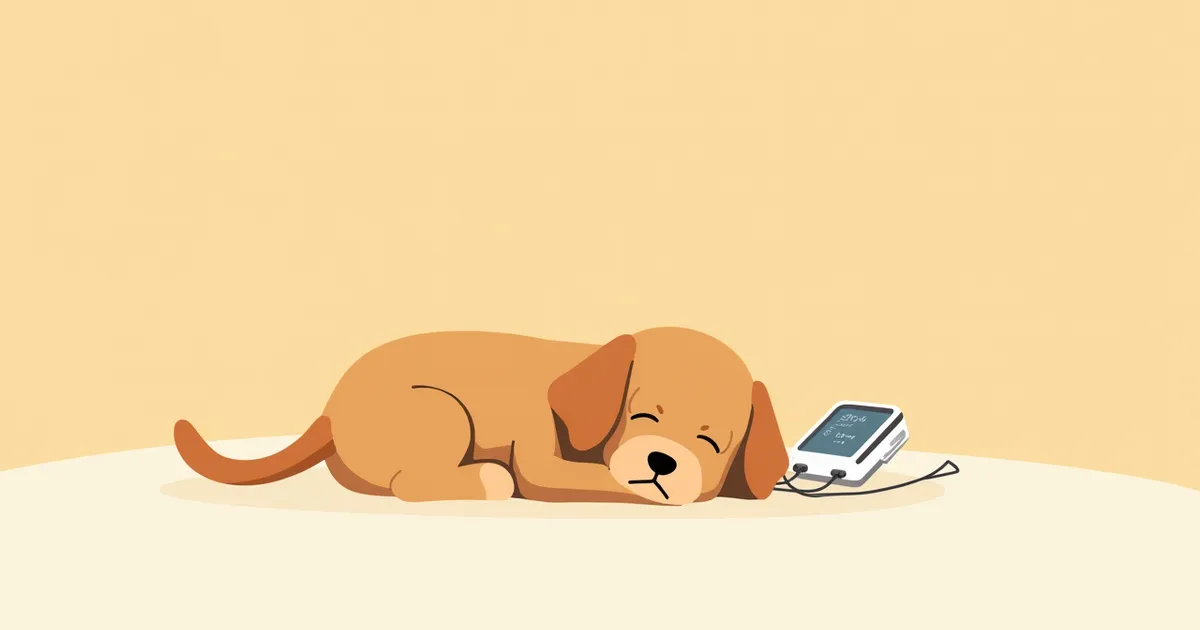
A puppy sitting comfortably while wearing a nebulizer mask.
Nebulizer therapy for dogs involves misting saline solution to moisturize and clear mucus from the airways. It is used when excessive mucus accumulates, causing persistent breathing difficulties, prolonged coughing, or wheezing, and helps remove mucus in conditions such as bronchiectasis, chronic bronchitis, and pneumonia. By keeping the airway mucosa moist, it supports improved airway function. Nebulizers using saline are particularly effective at reaching the lower airways, but proper technique and safe equipment maintenance are essential. For best results, this treatment should be carried out under the guidance of a veterinarian.

What Are the Main Causes for Nebulizer Therapy?
The main reasons a dog may need nebulizer therapy are conditions in which excessive mucus accumulates in the airways or secretions become too thick to clear easily. - Bronchiectasis: This condition involves abnormal widening of the airways, causing mucus to pool and become difficult to expel. Nebulization with sterile saline helps moisten secretions, facilitating mucus clearance. - Chronic bronchitis or pneumonia: When excessive mucus is produced or pools in the lower airways, nebulization can help by hydrating the airways, aiding secretion clearance and improving airway function. - Anatomical traits of small-breed dogs: Small-breed dogs often have narrower airways and are prone to structural issues such as tracheal collapse. Nebulizer therapy does not correct these structural abnormalities but serves as an adjunctive treatment to thin thick secretions and assist their removal. Since environmental factors can influence mucus production, it is advisable to use an air purifier and avoid exposure to cigarette smoke and air pollution.
A medical illustration showing mucus accumulation in a dog's airways

What Are the Main Symptoms and Signs?
If your dog exhibits persistent coughing, wheezing, shortness of breath, or difficulty breathing, nebulizer therapy may be beneficial. Early diagnosis is recommended if the cough lingers or if symptoms worsen after exercise or at night. Pink or red frothy fluid from the mouth may indicate acute deterioration such as pulmonary hemorrhage or pulmonary edema, while cyanosis—a bluish discoloration of the gums or tongue—signals dangerous oxygen deprivation. Severe respiratory distress or open-mouth breathing are emergency signs requiring immediate veterinary attention. Early detection and evaluation significantly improve treatment outcomes.
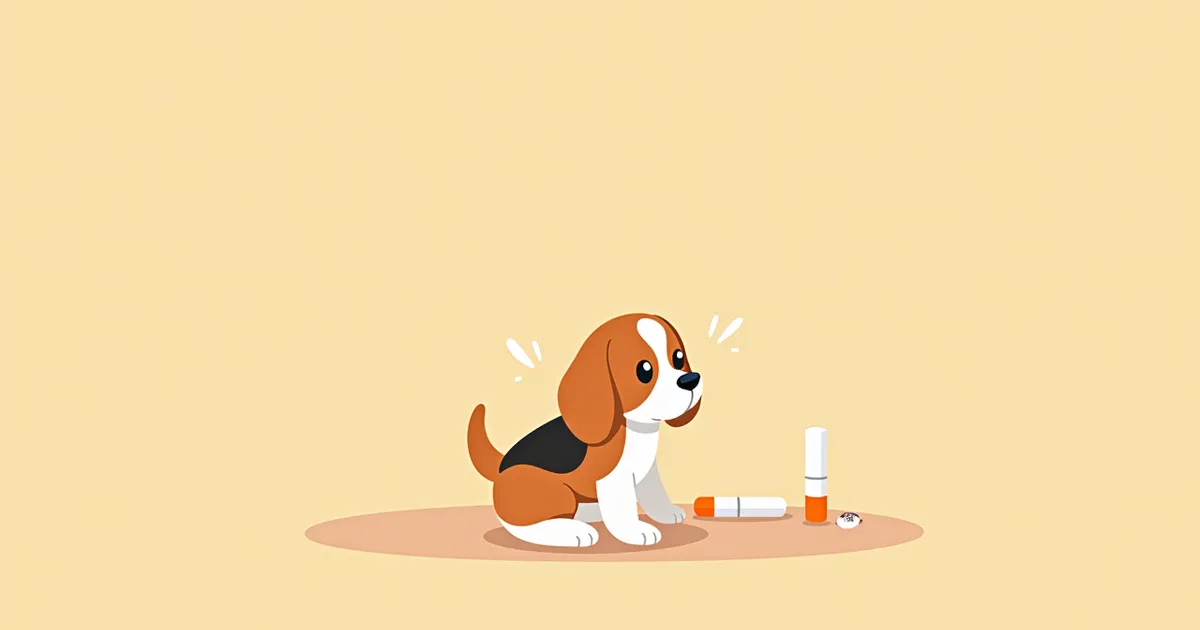
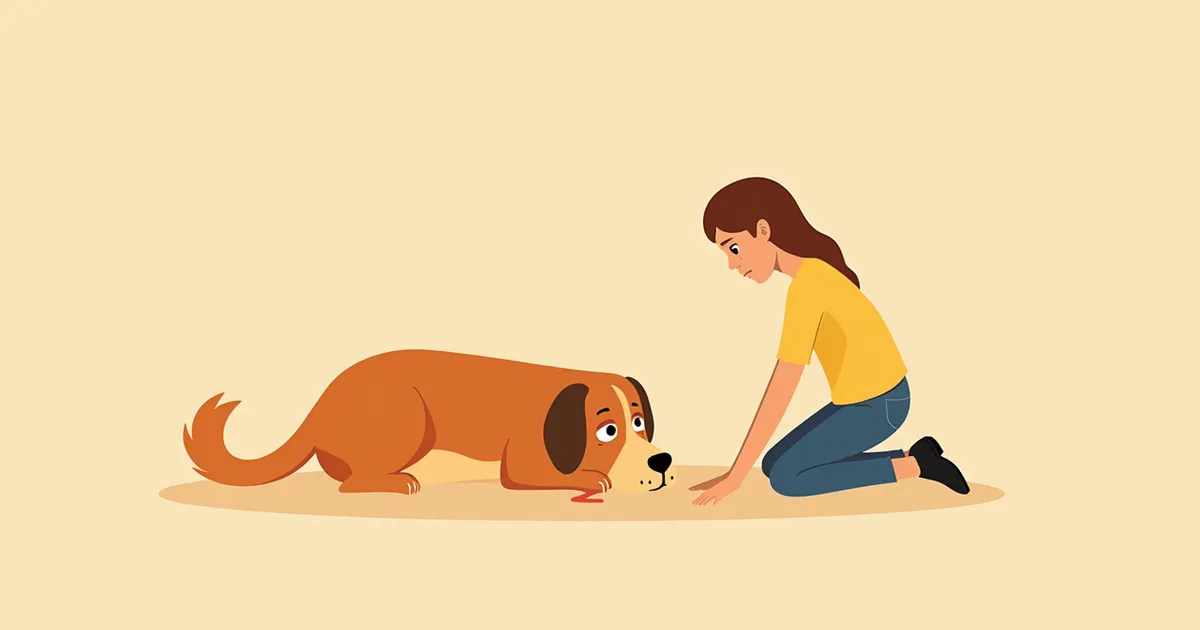
A puppy coughing and struggling to breathe

Signs Requiring Immediate Veterinary Visit

If your dog vomits pink or red frothy fluid, shows cyanosis (bluish gums and tongue), or struggles to breathe with an open mouth, seek veterinary care immediately. These signs may indicate acute respiratory deterioration, pulmonary edema, or oxygen deprivation. Delayed treatment can be life-threatening, so consult a veterinarian right away if you notice these symptoms.

Methods for Accurate Diagnosis
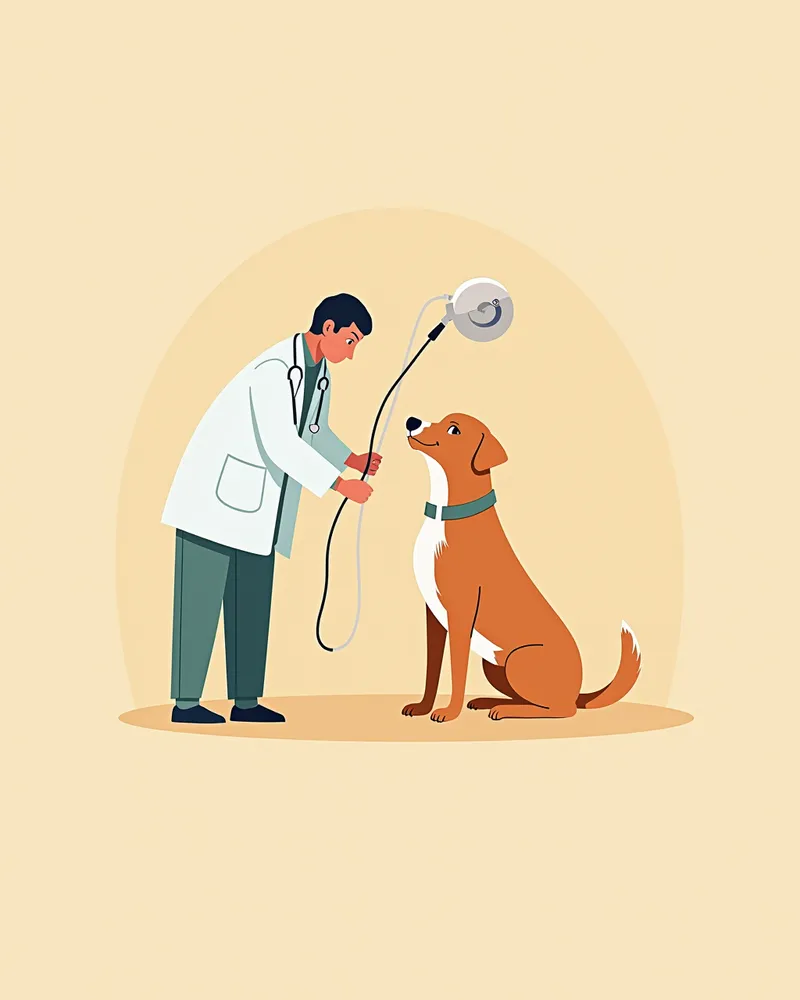
Before starting nebulizer therapy for your dog, it is essential to accurately identify the underlying cause. - Veterinary auscultation: Evaluates cough sounds, respiratory noises, and whether there is any airway obstruction. - Thoracic radiographs (X-rays): Visually assesses lung inflammation, edema, and mucus accumulation. Images taken from left, right, and anteroposterior (front-to-back) angles are necessary to clearly reveal abnormalities in the lower lobes of the lungs. - Tracheal wash or Bronchoalveolar lavage (BAL): Involves collecting mucus directly from the lungs to identify infectious agents or evaluate inflammation. This is particularly important in cases of pneumonia, bronchiectasis, or foreign body infections. - Blood tests: Assess overall health status and inflammatory markers. If needed, a bronchoscopy may also be performed to precisely determine the location and characteristics of lesions.
A veterinarian examining a puppy's chest X-ray.

Treatment Methods and Step-by-Step Approach
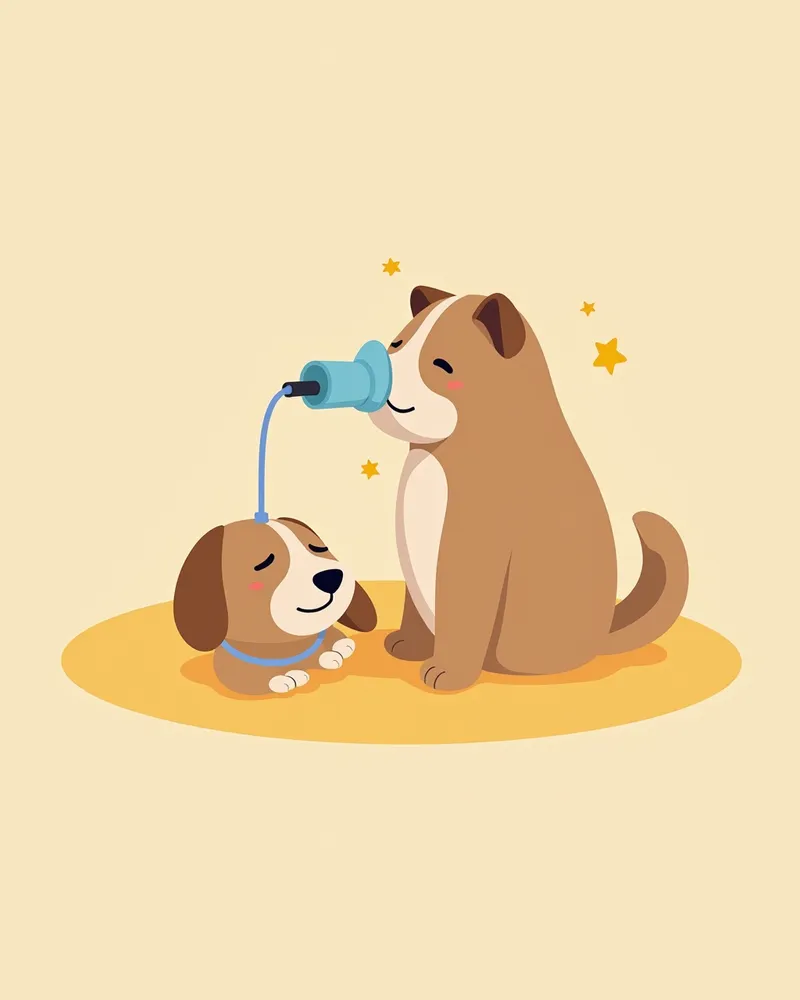
Nebulizer therapy for dogs follows a structured, step-by-step approach. - First, determine treatment based on the underlying cause: Whether the cough stems from an infection, inflammation, or a structural abnormality will dictate whether antibiotics, anti-inflammatory medications, or saline nebulization are prescribed. - Second, set the treatment frequency and duration: Nebulization with sterile saline is typically administered for about 30 to 45 minutes per session, repeated at intervals of 4 to 12 hours depending on the dog’s condition. Since there is no standardized scientific dosage guideline, strictly follow your veterinarian’s prescription and take care not to over-wet the airways. - Third, manage the environment: It is important to use air purifiers, maintain appropriate humidity levels, and avoid exposure to cigarette smoke and strong fragrances. - Fourth, monitor treatment effectiveness: Keep a record of symptom changes and breathing patterns, watch for signs of irritation such as coughing or drooling during nebulization, and consult your veterinarian regularly. - Fifth, establish a long-term management plan: Ongoing management of the underlying disease is necessary to prevent recurrence.
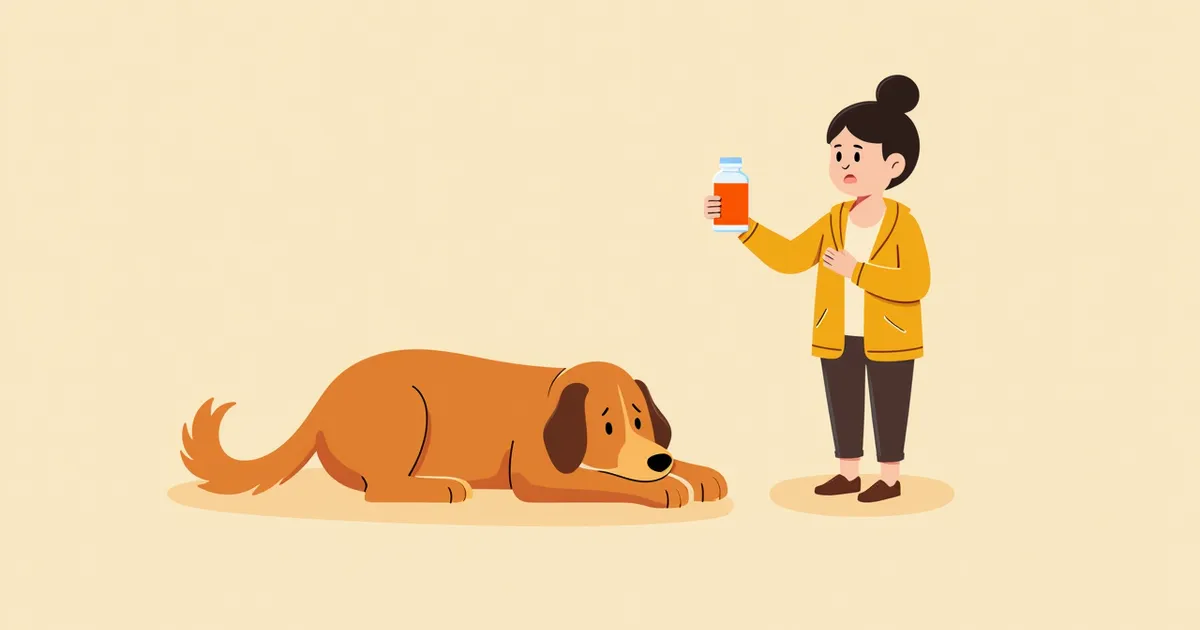
A puppy sitting comfortably during nebulizer treatment

Care Points at Home

Nebulizer therapy for dogs can be safely administered at home, but proper care is essential. - Maintain a calm environment before and after treatment: Conduct the session in a quiet setting to keep your dog relaxed and stress-free. - Ensure proper mask fit: Adjust the mask so it fits snugly against your dog’s face to maximize inhalation efficiency. - Encourage drinking water after treatment: Let your dog drink water to help rinse the airways and clear away mucus. - Clean and dry the equipment: Wash the device after every use and allow it to dry completely in a well-ventilated area. - Support immune health: Boost your dog’s immunity through regular exercise and a balanced diet, which plays a key role in preventing recurrent infections.
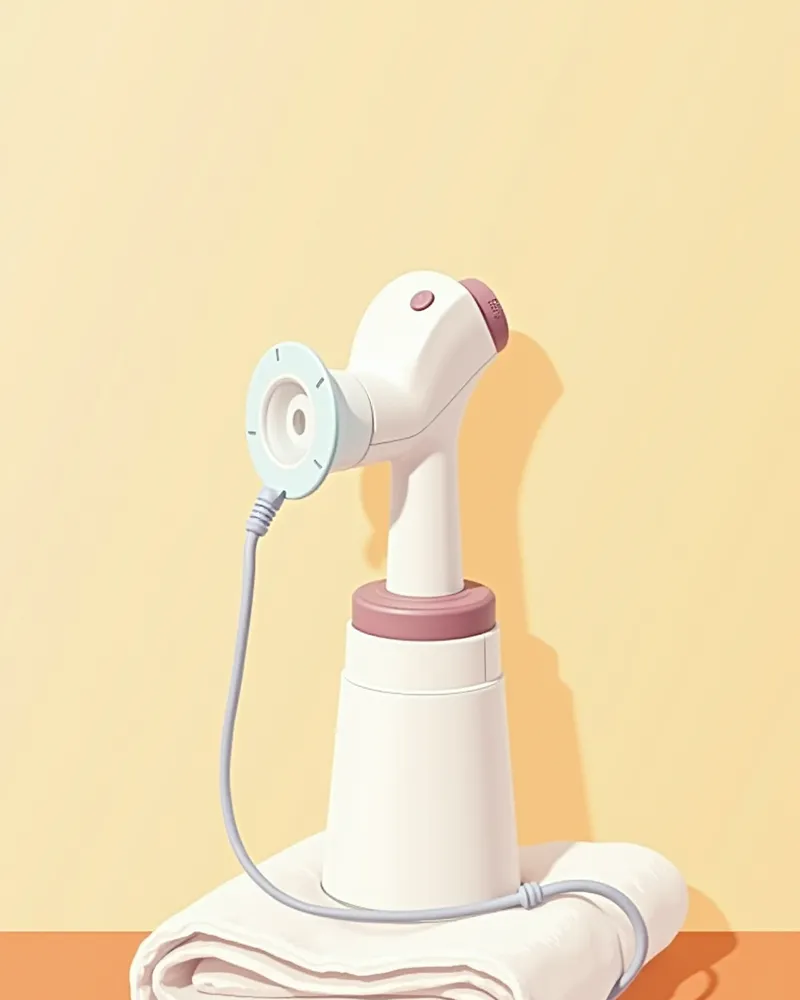
Cleaned nebulizer equipment set

Breed-Specific Precautions and Prevention of Recurrence

Small dogs are prone to breathing difficulties due to their narrow airways, but nebulizer therapy can help by using saline mist to clear mucus and keep the airways moist. This is especially important for dogs with bronchiectasis, as they struggle to expel mucus and require ongoing airway management. For brachycephalic breeds, whose unique airway structure may affect how deeply the mist penetrates, it’s essential to control environmental factors and monitor their condition through regular veterinary checkups. To prevent recurrence, keep vaccinations and parasite control up to date, and avoid triggers that can cause excessive mucus production.

Reviewed by a veterinarian

Dr. Tony — Punnawat Phongkittirak

Dr. Tony — Punnawat Phongkittirak

Veterinarian

A veterinarian who majored in veterinary medicine at Khon Kaen University, Thailand, and completed the IVSA program at North Carolina State University in the United States. Drawing on clinical experience at animal hospitals, he works in the pet healthcare field and is dedicated to building a digital care environment that connects pet parents with veterinarians.

Frequently Asked Questions

Does nebulizer treatment hurt dogs?
No, most dogs will tolerate wearing a mask comfortably once they get used to it. Start by gradually acclimating them in a quiet environment. However, since they may show signs of irritation such as coughing or drooling during misting, proceed cautiously while monitoring their condition.
How many times a day should I administer treatment?
There is no fixed scientific standard for the duration and frequency of treatment. Generally, it is known that treatments are repeated at intervals of 4 to 12 hours, depending on the condition, with each session lasting about 30 to 45 minutes. Therefore, it is important to strictly follow the frequency and duration prescribed by your veterinarian. Be careful not to over-moisten the airways.
Is it okay to use a nebulizer at home?
Yes, nebulization with sterile saline can be used safely under your veterinarian’s guidance. After each use, clean the device with warm soapy water, rinse it thoroughly, and let it air-dry completely in a well-ventilated area.
What should I do if my pet’s cough gets worse after treatment?
Temporary airway irritation may cause a brief increase in coughing. However, if the coughing persists for several days or if breathing difficulties worsen, consult your veterinarian immediately. It is important to control the amount and duration of the spray, as excessive use can saturate the airways.
Where can I get nebulizer medications?
Only use medications prescribed by your veterinarian, which can be obtained from the clinic or a veterinary pharmacy. Never attempt to prepare them at home. For non-medicated moisturizing sprays, sterile 0.9% saline solution in single-use vials is the most appropriate choice.

Share

Related Guides

References

[1] BSAVA Manual of Canine and Feline Dermatology, 4th Ed, 2020

[2] 100 Top Consultations in Small Animal General Practice, 2019

[3] Plumb's Veterinary Drug Handbook, 9th Ed, 2022

This information is based on veterinary literature and does not replace diagnosis or treatment. Please consult a veterinarian for specific health concerns.

Metapet Co., Ltd. | CEO: Park Sung-yong | Business Reg. No. 417-88-02562 | Seoul, South Korea | Customer Center

Dog Nebulizer Therapy: Uses, Benefits & Care Essentials | Meongsiljang