Like
Share
멍실장
고양이 피하수액 자가 투여 증상과 원인, 진단·치료와 관리 포인트 총정리

Can I Administer Subcutaneous Fluids to My Cat at Home? — Safe Self-Administration and Warning Signs

KidneyDiseasesMeongsiljang Veterinary Advisory Board

Subcutaneous fluid therapy at home is a treatment used for cats that need hydration due to conditions like chronic kidney disease. It’s important to follow the correct procedure and precautions to ensure safety.

What Is Self-Administration of Subcutaneous Fluids for Cats?
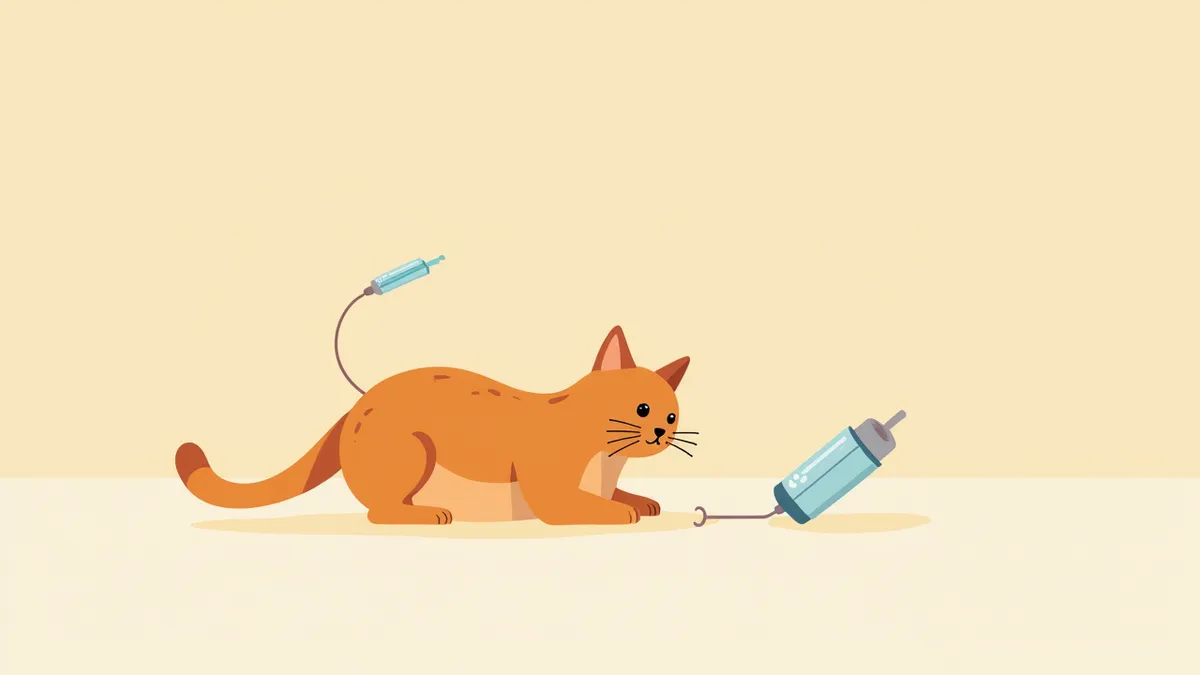
Administering subcutaneous fluids to a cat at home
Subcutaneous fluid therapy for cats is a treatment method where fluids are administered under the skin at home under a veterinarian’s guidance, particularly when cats are dehydrated due to chronic kidney disease, dehydration, or loss of appetite. This approach reduces the need for frequent veterinary visits and helps maintain stable, daily hydration for your cat. To ensure safety and effectiveness, it is essential to follow the correct procedures and precautions carefully. Adhering strictly to the education and administration plan provided by your veterinarian is crucial. Injection sites typically include the back of the neck, the back, or the sides; prepare the area by gently brushing the fur and ensuring it is clean. The fluids should be warmed to near body temperature before administration, which helps minimize stress and discomfort for your cat.

What Are the Main Causes for Subcutaneous Fluid Administration?
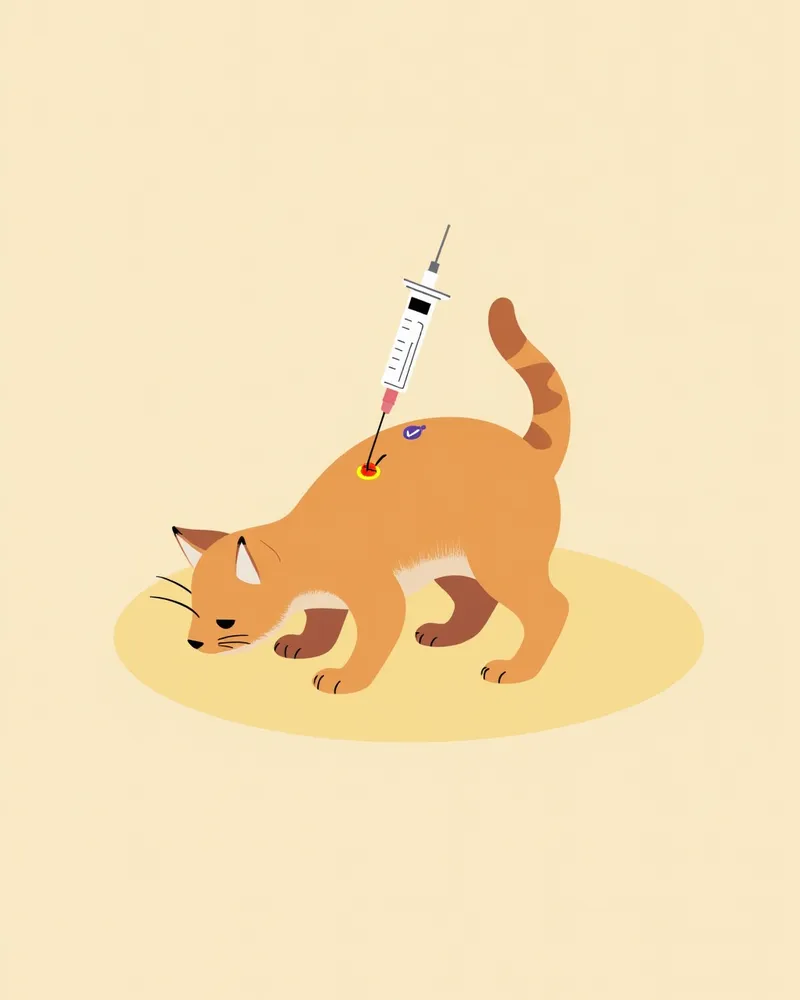
Subcutaneous fluid therapy at home is primarily used for cats with chronic kidney disease, whose kidneys have lost the ability to concentrate urine, leading to excessive fluid loss through urination and subsequent dehydration even with increased water intake. It is also necessary when fluid intake is insufficient due to loss of appetite, dehydration, or high fever. This treatment is especially recommended for senior cats, as they tend to drink less and are more prone to dehydration. Veterinarians carefully assess hydration status and kidney function through blood and urine tests, then determine the frequency and dosage of fluid administration on an individual basis. Subcutaneous fluid therapy is not merely about replenishing fluids; it plays a vital role in maintaining overall health and improving quality of life. Ongoing management with regular veterinary monitoring is essential.
The location for subcutaneous fluid administration on a cat's back is typically along the loose skin between the shoulder blades and the base of the neck, where the skin can be easily lifted to form

Symptoms and Signs That May Occur During Subcutaneous Fluid Administration
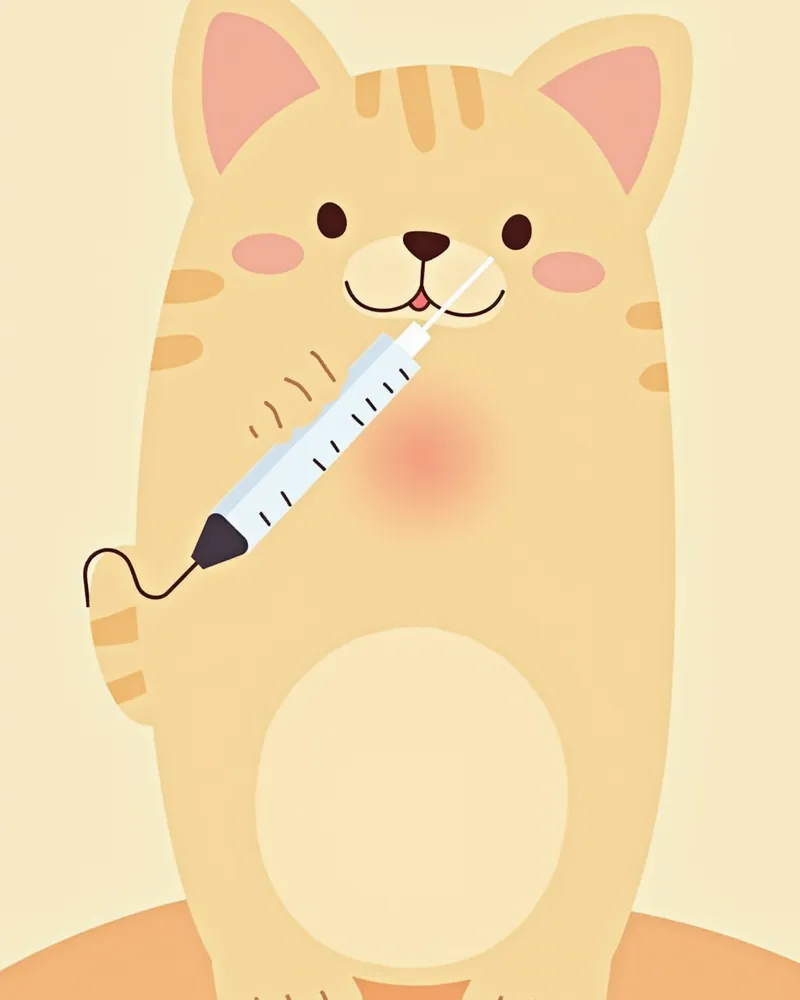
After subcutaneous fluid administration, your cat may become temporarily restless or less active. This can be a response to stress or the fluid infusion, so allow them to rest in a quiet environment. If you notice swelling, redness, pain, bleeding, or pus at the injection site, contact your veterinarian immediately, as these could indicate an infection or excessive fluid accumulation. Additionally, seek immediate veterinary care if your cat loses their appetite, vomits, or shows signs of shock, such as fainting or difficulty breathing. Regular monitoring and record-keeping can help detect any abnormalities early. Open communication with your veterinarian is key to ensuring safe and effective care.
Cat skin with swelling after subcutaneous fluid administration

Situations Requiring an Immediate Vet Visit

If the injection site becomes severely swollen or red, or if your cat shows signs of severe pain or fainting, you should go to the vet immediately. This could be a sign of infection or excessive fluid accumulation.

Accurate Diagnosis and Establishing an Administration Plan

Subcutaneous fluid therapy is determined by a veterinarian after an accurate diagnosis through blood tests, urine tests, weight measurements, and other assessments. The necessity of fluid administration is evaluated by comprehensively assessing kidney function, electrolyte levels, and the degree of dehydration. The frequency and dosage per week vary depending on the cat’s weight and condition; while daily administration may be required initially, it is gradually adjusted. The veterinarian creates a customized plan tailored to the individual cat’s circumstances. This plan is adjusted through regular re-evaluations and modified as the cat’s condition changes. Continuous management and cooperation with the veterinarian are key to stable treatment.
A veterinarian reviews a cat’s test results and formulates a treatment plan.

Step-by-Step Treatment Method for Subcutaneous Fluid Administration
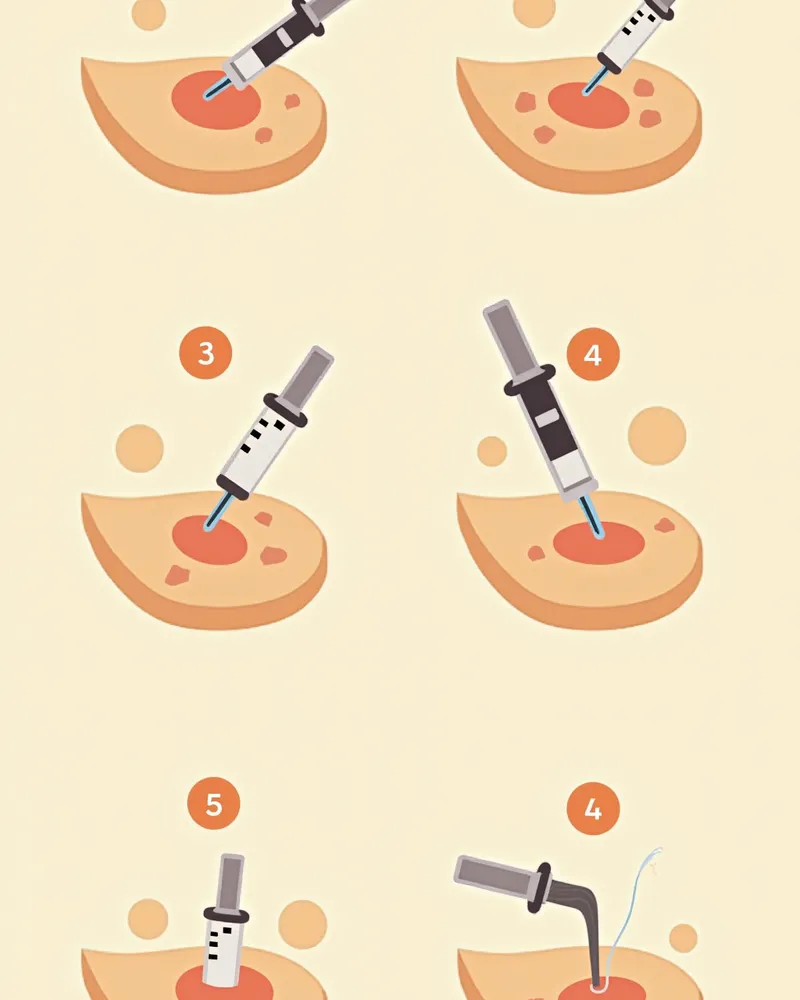
First, warm the subcutaneous fluids to a temperature close to your cat’s body temperature. Administering refrigerated fluids directly can cause discomfort, so check that they are lukewarm by placing them against the inside of your wrist. Next, clean the injection site and gently brush away the fur to inspect the skin. Insert the needle at an angle into the skin, following the technique taught by your veterinarian, and confirm that the fluid is flowing smoothly before administering it slowly. Adjust the infusion rate and volume according to the method prescribed by your veterinarian, and be careful not to increase the speed arbitrarily. After the infusion, slowly remove the needle and gently press the site to prevent bleeding. Monitor your cat afterward for any adverse reactions. It is essential to follow the veterinarian’s instructions precisely throughout the entire process.
Step-by-step procedure for subcutaneous fluid administration

Safe Management Points at Home

Subcutaneous fluid administration should only be performed under the guidance of a veterinarian. Always follow the education and administration plan provided by your vet, and never adjust the dosage or frequency on your own. Rotate the injection site each time to minimize skin damage. Contact your veterinarian immediately if you notice any abnormal signs such as swelling, pain, redness, or pus. Use only the fluids provided by your veterinarian and adhere to the specified storage instructions. It is important to record your cat’s condition after administration and share this information with your vet. Regular veterinary visits and open communication ensure safe and effective care.
A caregiver administering subcutaneous fluids to a cat at home

Breed-Specific Precautions and Prevention of Recurrence

In long-haired breeds like Persians, the injection site is often hidden by fur, making it easy to miss early warning signs such as swelling or redness. Be sure to part the hair to inspect the skin directly, and prioritize regular check-ups along with open communication with your veterinarian.

Reviewed by a veterinarian

Dr. Tony — Punnawat Phongkittirak

Dr. Tony — Punnawat Phongkittirak

Veterinarian

A veterinarian who majored in veterinary medicine at Khon Kaen University, Thailand, and completed the IVSA program at North Carolina State University in the United States. Drawing on clinical experience at animal hospitals, he works in the pet healthcare field and is dedicated to building a digital care environment that connects pet parents with veterinarians.

Frequently Asked Questions

Is it safe to administer subcutaneous fluids every day?
Administer according to the frequency prescribed by your veterinarian. Overdosing can cause swelling or put extra strain on the heart.
The IV fluids aren’t being absorbed quickly. Is this normal?
It’s normal for the fluid to be absorbed slowly. However, if it remains for more than 24 hours, please consult your veterinarian.
My cat doesn’t like getting IV fluids. What should I do?
Start by training your pet slowly in a quiet environment. Your veterinarian will guide you through the training methods.
My cat collapsed after receiving an IV fluid infusion. Is this dangerous?
Because a severe reaction is possible, please contact your veterinarian immediately. If pain or anxiety persists, a visit to the clinic is necessary.
Can I prepare IV fluids at home?
Absolutely not. Only use the sterile fluids provided by your veterinarian, as contamination or errors can occur.

Share

Related Guides

References

[1] The Cat, Clinical Medicine and Management, 2nd Edition, 2020

[2] Feline Emergency and Critical Care Medicine, 2nd Ed, 2019

[3] American Association of Feline Practitioners (AAFP) Guidelines for Chronic Kidney Disease Management, 2022

This information is based on veterinary literature and does not replace diagnosis or treatment. Please consult a veterinarian for specific health concerns.

Metapet Co., Ltd. | CEO: Park Sung-yong | Business Reg. No. 417-88-02562 | Seoul, South Korea | Customer Center

Can You Give Your Cat Subcutaneous Fluids at Home? Safe Steps | Meongsiljang