Like
Share
멍실장
고양이 요비중으로 신장 기능 평가 증상과 원인, 진단·치료와 관리 포인트 총정리

Complete Guide to Cat Urine Specific Gravity Testing — From Value Interpretation to Kidney Assessment

KidneyDiseasesMeongsiljang Veterinary Advisory Board

Specific gravity of urine is a key indicator for assessing kidney function in cats. If it falls outside the normal range, it could be an early sign of chronic kidney disease.

What Is Kidney Function Assessment Using Cat Urine Specific Gravity?
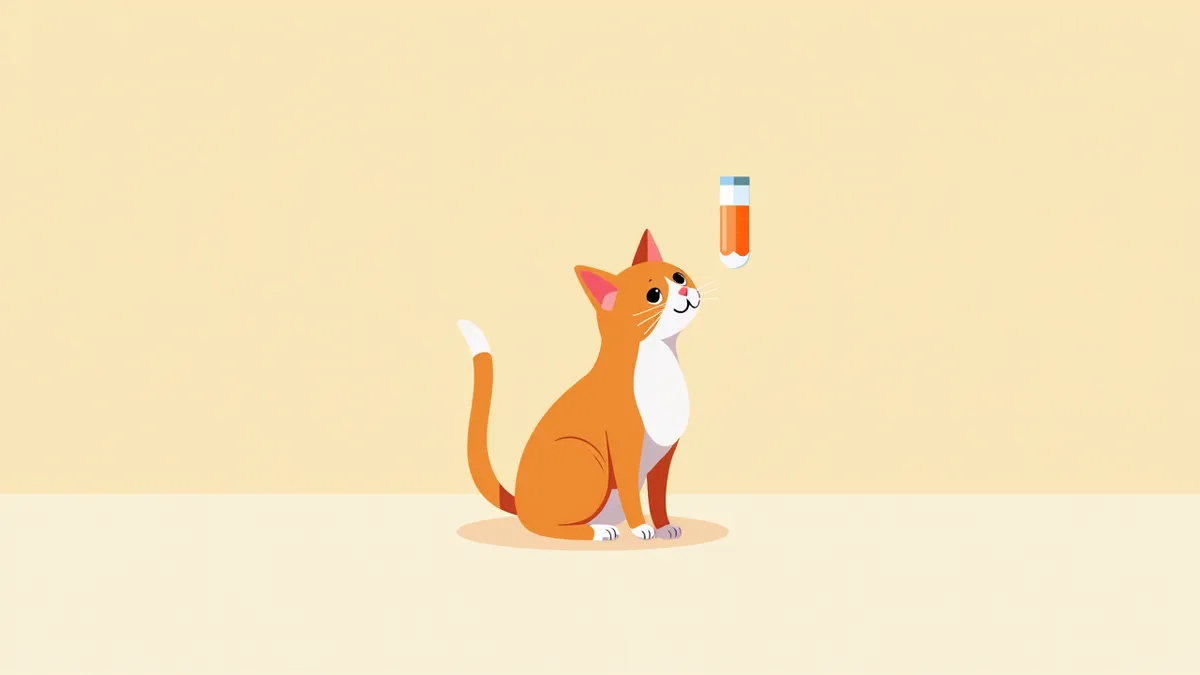
A veterinarian examining a cat's urine sample
Urine specific gravity (USG) is a key indicator of how well your cat’s kidneys can concentrate urine. Cats naturally produce highly concentrated urine, so a USG of 1.035 or higher is considered normal. The typical reference range for healthy cats is approximately 1.035 to 1.060, with the full measurable range spanning from 1.001 to 1.080. A value below 1.035 may signal impaired kidney concentrating ability or excessive water intake. - Low urine specific gravity: This indicates that the kidneys are unable to properly concentrate urine, resulting in dilute urine. - Early sign of chronic kidney disease: Persistently low USG (below 1.035) may suggest early-stage chronic kidney disease. - Impaired fluid regulation: When the kidneys fail to regulate fluids properly, it can lead to increased thirst and urination. - A foundational diagnostic marker: USG is measured using a refractometer and serves as the first step in evaluating kidney function. This value helps detect issues early and initiate timely treatment.

Main Causes of Low Urine Specific Gravity
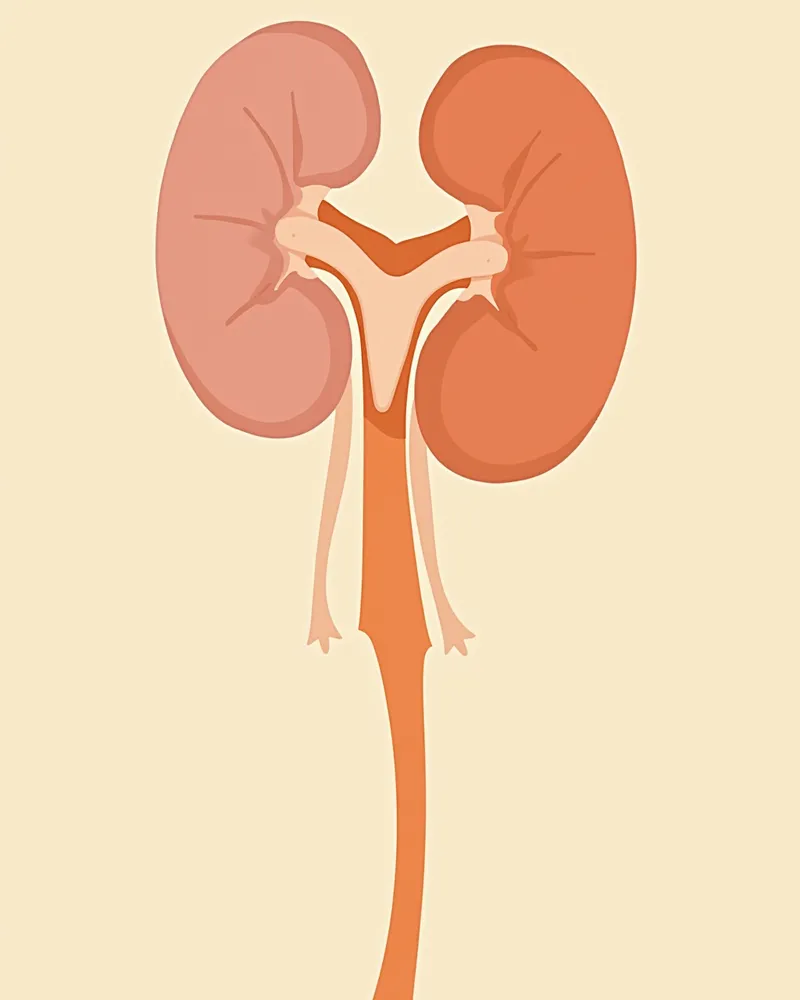
The most common cause of low urine specific gravity is chronic kidney disease. Other potential causes include kidney inflammation, excessive water intake (polydipsia), and an inherent decline in the kidney’s concentrating ability. Conversely, in conditions like diabetes mellitus where glucose appears in the urine, urine specific gravity may actually increase, because each gram of glucose or protein in the urine raises the specific gravity by approximately 0.005. - Chronic Kidney Disease: This condition is highly prevalent in senior cats, where the kidneys gradually deteriorate due to issues such as chronic tubulointerstitial nephritis. - Kidney Inflammation: Inflammation can impair the kidney’s ability to concentrate urine. - Excessive Water Intake (Polydipsia): Drinking too much water dilutes the urine. - Diabetic Changes: When glucose is present in the urine, specific gravity readings may be artificially high, so careful interpretation is required. - Characteristics of Senior Cats: Chronic kidney disease is common in older cats. These underlying causes can be identified early through a combination of urine specific gravity testing and blood and urine analyses.
An anatomical illustration explaining the decline in renal tubular function in chronic kidney disease

Main Symptoms of Abnormal Urine Specific Gravity
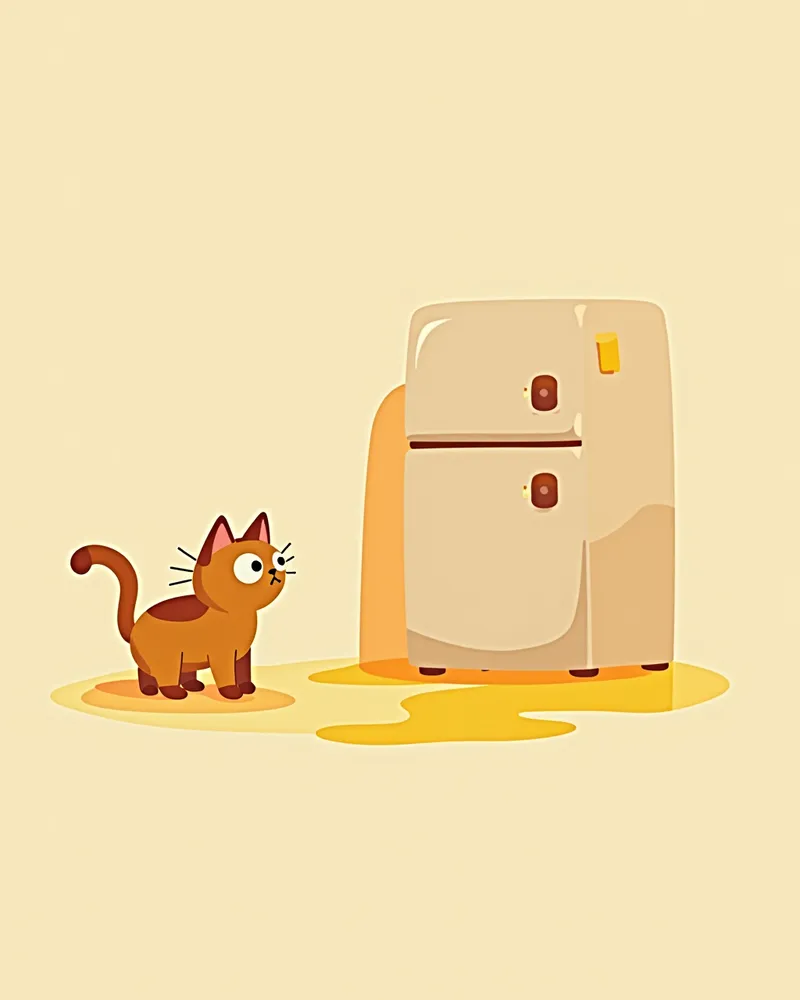
When urine specific gravity drops, cats tend to drink more water than usual (polydipsia) and produce larger volumes of urine, leading to more frequent urination (polyuria). They may also urinate in inappropriate places outside the litter box (inappropriate elimination). Weight loss, muscle wasting, and decreased appetite can occur as well.
Excessive water intake: A noticeable increase in the amount of water consumed compared to normal.
Frequent urination: Increased frequency of urination along with larger volumes each time.
Inappropriate elimination: Urinating in unsuitable locations, such as on the floor, rather than in the litter box.
Weight and muscle loss: Reduction in muscle mass, giving the body a leaner appearance.
Decreased appetite: Reduced food intake, sometimes accompanied by nausea or vomiting.
A cat urinating near the refrigerator

Signs Requiring Immediate Veterinary Visit

If your cat suddenly starts drinking much more water, experiences a sharp increase in urine output, or loses its appetite completely while also showing vomiting and lethargy, you should take it to the vet immediately. These could be signs of severely impaired kidney function.

Diagnostic Procedures for Urine Specific Gravity Assessment
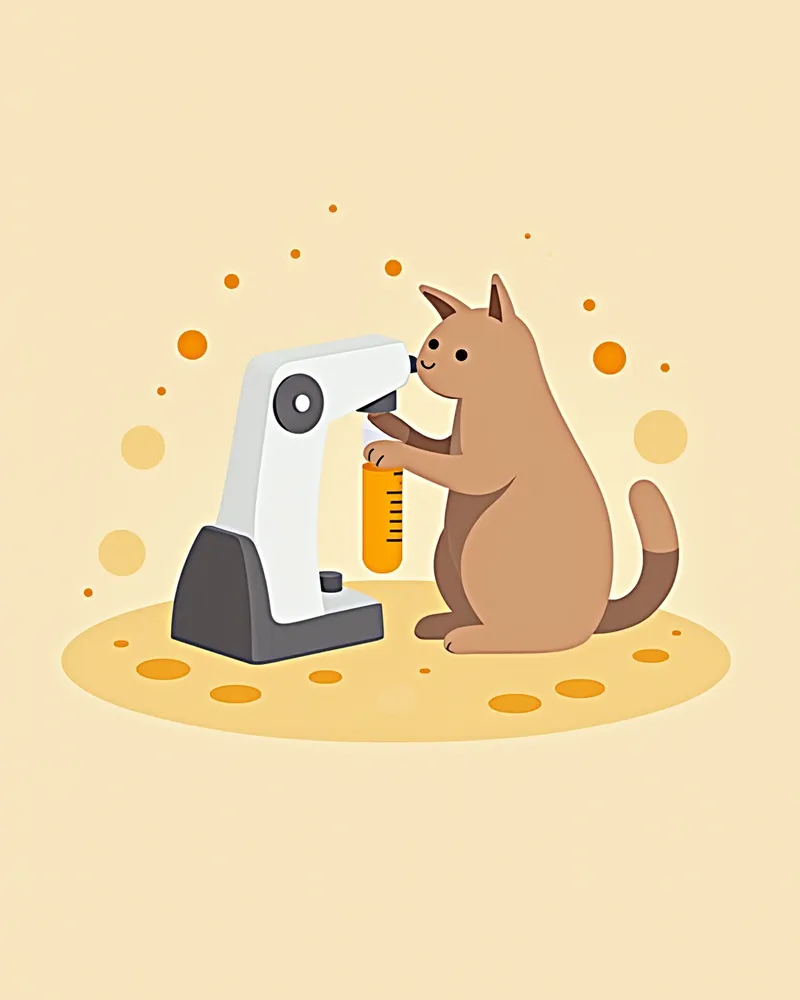
Veterinarians measure a cat’s urine specific gravity using a refractometer and comprehensively assess kidney function alongside blood tests. - Urine Specific Gravity Measurement: This is the first step in accurately determining urine concentration. - Blood Tests: Kidney function is evaluated by checking blood creatinine and BUN levels. - Ultrasound Examination: The size and structure of the kidneys are examined to identify any abnormalities. - Urinalysis: This checks for the presence of abnormal substances such as protein, glucose, and inflammatory cells. - Regular Follow-up Monitoring: If early signs of abnormality are detected, tests are repeated periodically. This process enables early diagnosis and the development of an appropriate treatment plan.
A veterinarian measuring a cat's urine with a refractometer

Treatment Methods for Abnormal Urine Specific Gravity
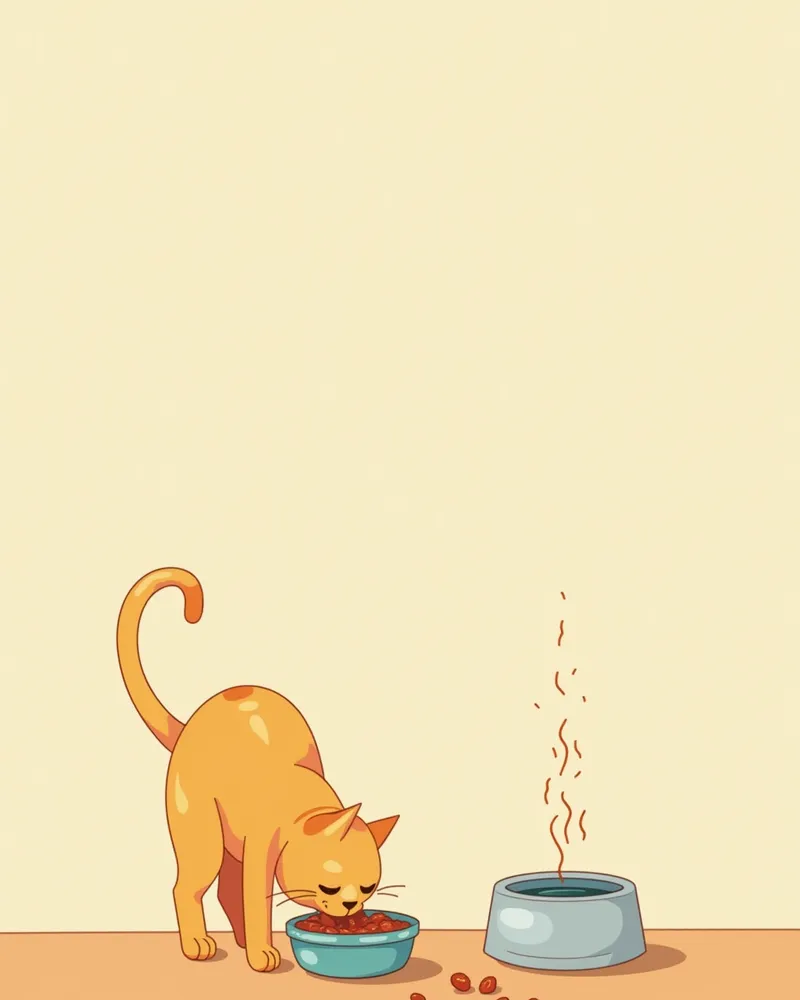
Treatment depends on the underlying cause. For chronic kidney disease, a combination of prescription renal diet, adequate hydration, and medication is essential. - Prescription renal diet: Helps reduce the workload on the kidneys while maintaining proper nutritional balance. - Hydration support: Feeding wet food and ensuring fresh water is available at all times is crucial. - Medication: Your veterinarian may prescribe antihypertensives or phosphate binders. - Dietary management: Carefully regulating protein and phosphorus intake helps lessen the strain on the kidneys. - Regular check-ups: Ongoing monitoring of urine specific gravity is important. Together, these measures can help slow disease progression and improve your pet’s quality of life.
A cat drinking water from a can of wet food and a water spray bottle.

Home Care Points

For cats with low urine specific gravity, ensure they always have access to fresh water and encourage them to drink more than usual. Offer canned food, place multiple water bowls around the home and refresh them frequently, and use a water fountain to increase water intake. Keep the litter box clean to prevent inappropriate elimination and make it comfortable for your cat to use. Some cats with chronic kidney disease may not drink enough on their own, so your veterinarian may recommend subcutaneous fluid therapy.
Use a water fountain: Flowing water encourages cats to drink more frequently.
Feed canned food: Its high moisture content helps increase water intake.
Clean the litter box regularly: Maintaining cleanliness supports proper elimination habits and allows you to monitor for changes.
Record urine output: Track how often and how much your cat urinates each day to detect any changes.
A cat drinking water from a spray bottle

Precautions for Senior Cats

Senior cats are at higher risk for chronic kidney disease, so regular kidney function tests are recommended. Cat urine is normally highly concentrated; if the specific gravity drops below 1.035, it may indicate impaired concentrating ability or early-stage chronic kidney disease, so please consult your veterinarian.

Reviewed by a veterinarian

Dr. Tony — Punnawat Phongkittirak

Dr. Tony — Punnawat Phongkittirak

Veterinarian

A veterinarian who majored in veterinary medicine at Khon Kaen University, Thailand, and completed the IVSA program at North Carolina State University in the United States. Drawing on clinical experience at animal hospitals, he works in the pet healthcare field and is dedicated to building a digital care environment that connects pet parents with veterinarians.

Frequently Asked Questions

Is a urine specific gravity of 1.015 a cause for concern?
Cat urine is typically well-concentrated, with a specific gravity usually above 1.035. Therefore, a value below 1.035 may indicate impaired renal concentrating ability. A low reading such as 1.015 can be an early sign of chronic kidney disease, particularly in senior cats. However, conditions like proteinuria and glucosuria can affect the interpretation of urine specific gravity, so additional testing is necessary.
Is it okay to feed canned food to a cat with low urine specific gravity?
Yes, canned food has a high moisture content, which can be beneficial for cats with weakened kidney function. It helps increase their water intake, and you should also ensure they always have access to fresh drinking water.
When should a urine specific gravity test be performed?
It’s a good idea to have your cat’s urine tested during regular checkups or if you notice they’re drinking more water or urinating more frequently, as recommended by your veterinarian. For the most accurate results, urine specific gravity should be measured before starting treatment.
Is it okay if my cat looks healthy even though their urine specific gravity is low?
No, cats with chronic kidney disease can often appear completely normal on the outside. A low urine specific gravity can be a sign that kidney function has already begun to decline, even without any visible symptoms, which is why early detection is so important.
What are the methods to increase urine specific gravity?
Specific gravity doesn’t increase simply by controlling water intake; the key is to diagnose and treat the underlying cause. It’s essential to have a veterinarian evaluate your pet and provide appropriate diet and treatment.

Share

Related Guides

References

[1] Catherine E. Langston et al. (2023) Small Animal Critical Care Medicine, 3rd Edition. Elsevier.

[2] The Cat, Clinical Medicine and Management, 2nd Edition (2022). Elsevier.

[3] The Veterinary Workbook of Small Animal Clinical Cases (2021). Wiley-Blackwell.

This information is based on veterinary literature and does not replace diagnosis or treatment. Please consult a veterinarian for specific health concerns.

Metapet Co., Ltd. | CEO: Park Sung-yong | Business Reg. No. 417-88-02562 | Seoul, South Korea | Customer Center

Cat Urine Specific Gravity Testing: Values and Kidney Assessment | Meongsiljang