Like
Share
멍실장
고양이 흡입 스테로이드 치료(고양이) 증상과 원인, 진단·치료와 관리 포인트 총정리

Cat Inhaled Steroid Therapy: Symptoms, Causes, Diagnosis, Treatment, and Management Essentials

RespiratoryDiseasesMeongsiljang Veterinary Advisory Board

Inhaled steroid therapy is an important approach for managing asthma and chronic respiratory diseases in cats. Proper administration and monitoring are essential.

What Is Cat Inhaled Steroid Therapy?

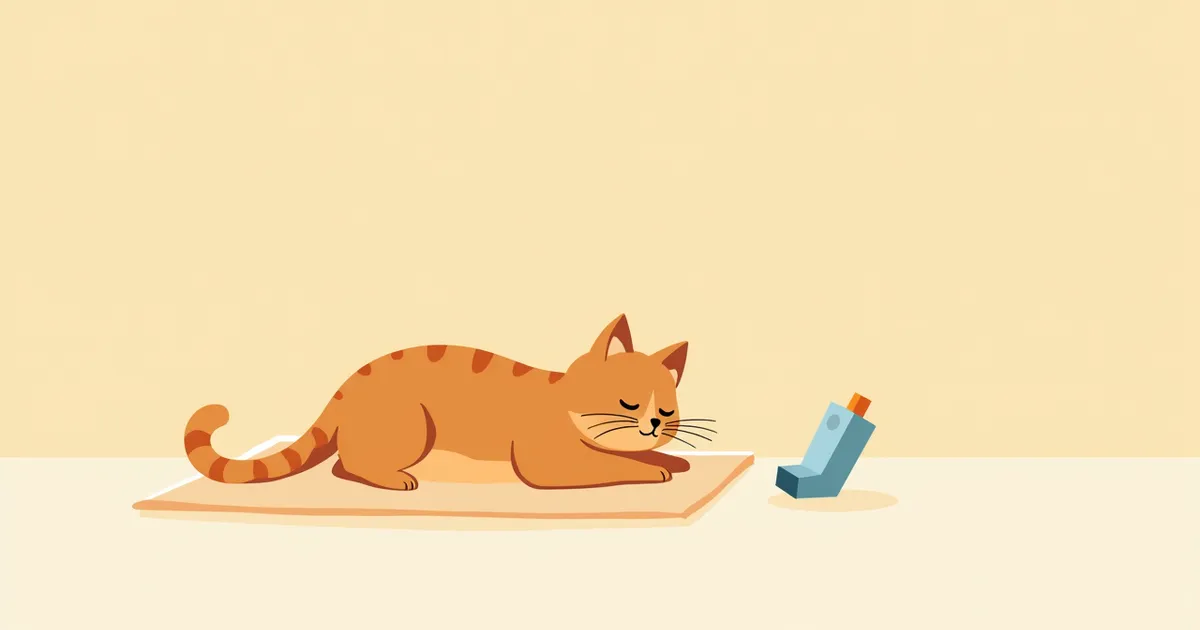
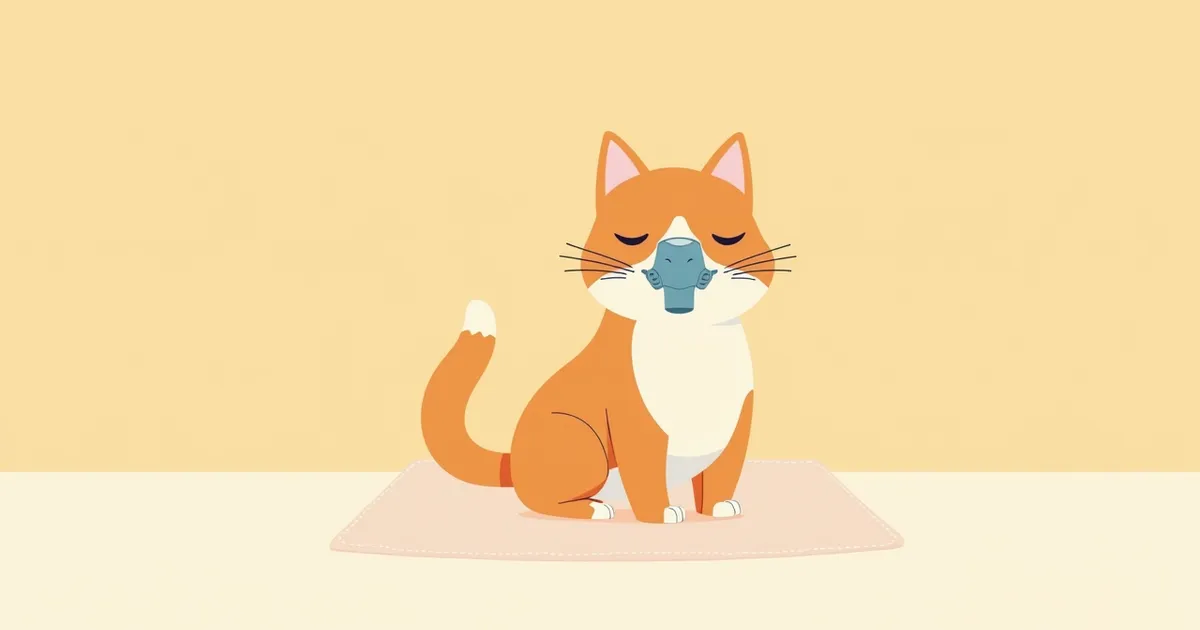
A cat undergoing inhalation therapy using a spacer and mask.
Inhaled steroid therapy is a cornerstone treatment for managing recurrent airway inflammation in cats, such as asthma and chronic bronchitis. This approach effectively reduces inflammation and stabilizes breathing by delivering medication directly to the lungs. Because it minimizes systemic side effects, it is particularly well-suited for long-term management. - Inhaled Steroids: These medications act directly on the lungs to suppress inflammatory responses, helping to reduce coughing and difficulty breathing. - Treatment Goals: The aim is to alleviate symptoms and prevent relapses, ultimately improving your cat’s quality of life. - Long-Term Management: Consistent administration and regular monitoring are essential. During treatment, carefully watch for any potential side effects.

What Are the Main Causes of Inhaled Steroid Therapy?

The primary reason cats receive inhaled steroid therapy is to manage chronic airway inflammation associated with conditions such as asthma, chronic bronchitis, and allergic lung diseases. These conditions arise when the airways become hypersensitive due to exposure to airborne allergens, cigarette smoke, dust, or mold. - Airway hyperresponsiveness: This leads to recurrent coughing and difficulty breathing, and if left untreated, can result in declining lung function. - Inflammatory response: The bronchial walls thicken and produce excessive mucus. - Need for treatment: Without controlling the inflammation, symptoms worsen and significantly reduce the cat’s quality of life. - Early intervention: Starting treatment early makes symptom management much easier.
A cat sitting in an environment with airborne allergens

Check for Key Symptoms and Signs

If your cat requires inhaled steroid therapy, you may notice the following symptoms. If these symptoms recur or worsen, consult your veterinarian immediately.
Repetitive coughing: Your cat may cough multiple times a day, with symptoms often worsening at night or after activity.
Difficulty breathing: You may observe rapid breathing or open-mouth breathing.
Shortness of breath: Your cat may appear to be catching its breath more frequently than usual.
Vomiting after coughing: Severe coughing fits may be accompanied by vomiting.
Decreased activity: Your cat may play less than usual and rest more often.
A cat experiencing difficulty breathing

Symptoms Requiring Immediate Veterinary Visit

If your cat is panting with its mouth open, or if its lips or tongue turn blue, seek veterinary care immediately. These are signs of acute respiratory distress and can be life-threatening. Additionally, consult your veterinarian if your cat coughs more than ten times a day or if the coughing persists alongside vomiting.

Procedures for Accurate Diagnosis
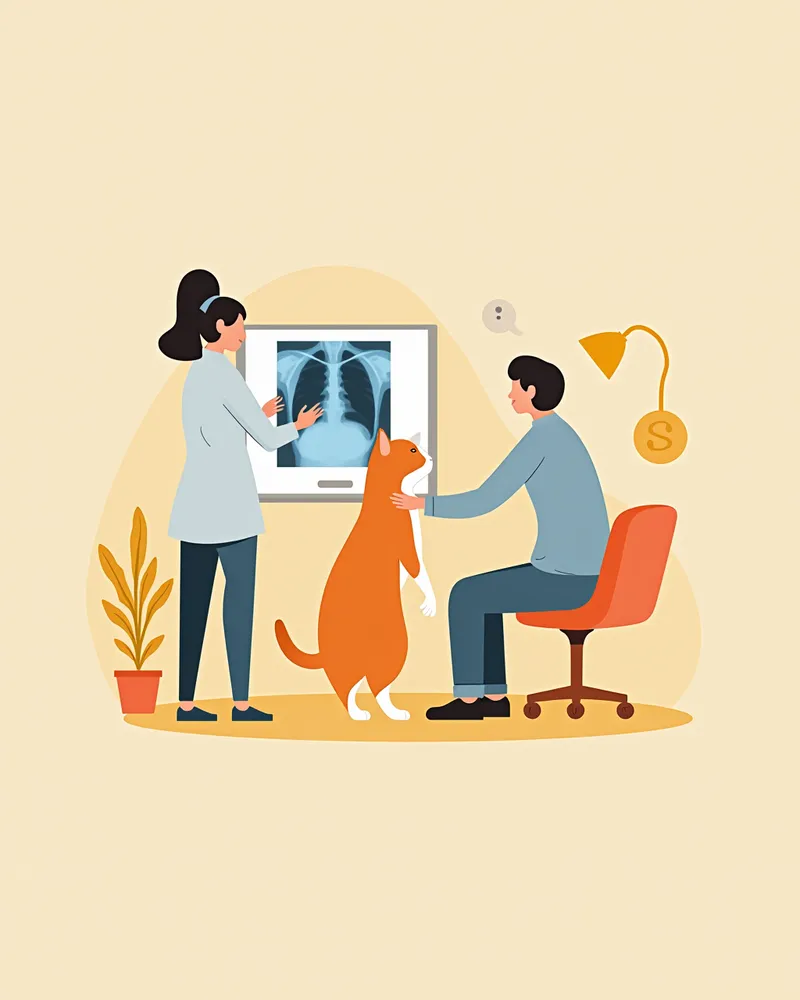
Before starting inhaled steroid therapy for cats, an accurate diagnosis is essential. Your veterinarian will check the condition of the lungs and airways with a chest X-ray and may consider tracheal lavage or bronchoalveolar lavage (BAL) to determine the type of inflammation. - Chest X-ray: This helps identify the bronchial pattern (ring-shaped "donut" opacities) commonly seen in feline asthma or any abnormalities in the lungs. - Tracheal lavage/Bronchoalveolar lavage (BAL): Examining the collected cells helps determine the type of inflammation (e.g., eosinophilic, neutrophilic). - Blood tests: These are used as supplementary tests to evaluate overall health and check for any concurrent infections. - Clinical symptom analysis: This involves a comprehensive assessment of cough frequency, breathing condition, and changes in activity level. Once the diagnosis is confirmed, a treatment plan will be established, and there is a growing preference for inhaled steroids over oral steroids.
A veterinarian reviewing a cat’s chest X-ray

Treatment Methods and Step-by-Step Management
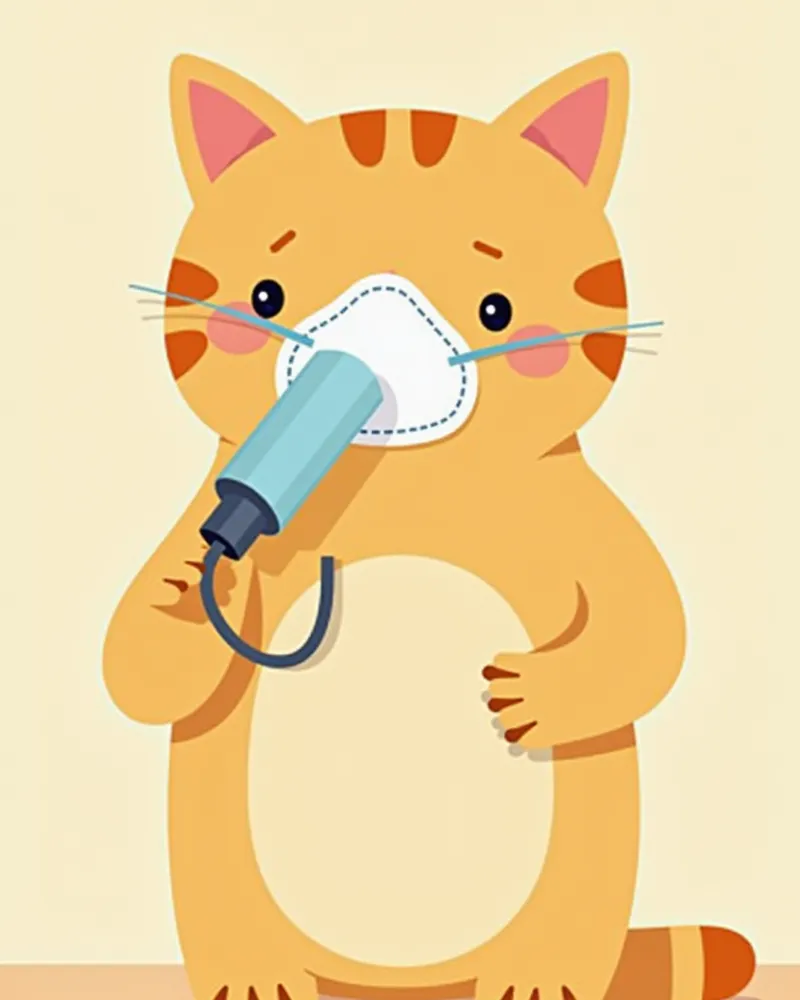
Treatment is carried out in stages, depending on the severity of symptoms. In the early stages, inflammation is quickly suppressed with a high dose, and once the condition stabilizes, the dose is gradually reduced to transition to maintenance therapy. - Treatment stages: Divided into exacerbation, stabilization, and maintenance phases, each requiring appropriate medication. - Drug selection: Inhaled steroids such as fluticasone are primarily used. In some cases, oral steroids (e.g., prednisolone) may be used concurrently or as an alternative to inhaled medications. - Administration method: Use a spacer and mask together to ensure the medication reaches deep into the lungs. After administration, allow the cat to take 5–10 breaths to ensure adequate drug delivery. - Regular check-ups: Consult with your veterinarian every 1–3 months to monitor medication effectiveness and side effects. - Do not stop treatment abruptly: Suddenly discontinuing medication can cause symptoms to recur. It is essential to taper the dose gradually under veterinary guidance.
A cat undergoing inhalation therapy using a spacer and mask

Management Points at Home

To manage your cat’s inhaled steroid therapy effectively at home, you need to pay close attention to their environment and daily habits. - Use an air purifier: This helps reduce allergens such as dust, pollen, and mold. - Cleaning frequency: Clean your home at least once a week, and wipe down areas your cat frequents even more often. - Post-inhalation care: Gently wipe your cat’s mouth after treatment to prevent residual medication from remaining, which helps maintain oral health. - Adhere to the medication schedule: Administer the medication at the prescribed times and obtain a refill before the supply runs out. - Monitor symptoms: Keep a daily record of coughing frequency, breathing condition, and changes in activity levels. Consult your veterinarian immediately if you notice any abnormal signs.
A clean cat environment with an air purifier and inhalation therapy equipment in the room

Breed-Specific Precautions and Prevention of Recurrence

Siamese cats, in particular, are more commonly reported in clinical cases of lower airway diseases such as asthma. Additionally, feline asthma tends to occur more frequently in young to middle-aged cats, making environmental management and regular veterinary check-ups especially important for these patients. Even while undergoing inhaled steroid therapy, consistent care is essential; abruptly stopping medication can lead to symptom recurrence, so dosage adjustments should always be made gradually under your veterinarian’s guidance.

Reviewed by a veterinarian

Dr. Tony — Punnawat Phongkittirak

Dr. Tony — Punnawat Phongkittirak

Veterinarian

A veterinarian who majored in veterinary medicine at Khon Kaen University, Thailand, and completed the IVSA program at North Carolina State University in the United States. Drawing on clinical experience at animal hospitals, he works in the pet healthcare field and is dedicated to building a digital care environment that connects pet parents with veterinarians.

Frequently Asked Questions

Are inhaled steroids dangerous for cats?
When used at the correct dose and via the proper method, it has minimal systemic side effects and is relatively safe. Because it acts directly on the lungs, its systemic effects are lower than those of oral steroids, resulting in a reduced risk of side effects. However, since long-term use of steroids, especially systemically, has been associated with side effects such as diabetes or heart failure, regular check-ups are recommended to monitor your pet’s condition.
How many times a day should it be inhaled?
Your veterinarian will determine the appropriate dosage based on your pet’s weight and overall condition. Typically, it’s administered once or twice daily, usually in the morning and evening, with inhalation using a spacer and mask being the recommended method.
Is it okay to stop the treatment?
We do not recommend abruptly stopping medication. Sudden discontinuation can cause symptoms to recur, so you should gradually reduce the dosage under your veterinarian's guidance. Veterinary textbooks also advise tapering steroid doses rather than stopping them completely.
Should I wipe my mouth after inhaling?
Yes, it's a good idea to gently wipe the mouth to ensure no medication remains inside. This helps reduce irritation or oral issues caused by leftover medication residue in the mouth.
Is it safe to use steroids for a long time?
Long-term use of steroids, especially when administered systemically, can lead to systemic side effects such as diabetes or heart failure. Therefore, it is important to monitor your pet's condition through regular check-ups and adjust the medication as needed. It is also advisable to plan for a gradual tapering of the dose rather than stopping the medication abruptly.

Share

Related Guides

References

[1] BSAVA Manual of Canine and Feline Dermatology, 4th Ed, 2020

[2] The Veterinary Workbook of Small Animal Clinical Cases, 2018

[3] Handbook of Veterinary Pharmacology, 2021

This information is based on veterinary literature and does not replace diagnosis or treatment. Please consult a veterinarian for specific health concerns.

Metapet Co., Ltd. | CEO: Park Sung-yong | Business Reg. No. 417-88-02562 | Seoul, South Korea | Customer Center

Cat Inhaled Steroid Therapy: Uses, Benefits & Management Tips | Meongsiljang