Like
Share
멍실장
고양이 심전도(ECG) 검사 증상과 원인, 진단·치료와 관리 포인트 총정리

A Complete Guide to Feline Electrocardiograms (ECG) — From the Procedure to Arrhythmia Diagnosis

HeartDiseasesMeongsiljang Veterinary Advisory Board

An electrocardiogram (ECG) is a key diagnostic tool for early detection of abnormal heart rhythms in cats. It is essential to perform this test whenever heart disease is suspected.

What Is a Feline Electrocardiogram (ECG)?

An image of an ECG electrode attached to a cat's chest and the electrical signal displayed on the monitor
A feline electrocardiogram (ECG) is a diagnostic test that records the rhythm and conduction of electrical signals generated by the heart. By precisely analyzing the regularity and rate of heartbeats, this test plays a crucial role in the early detection of heart disease. - Abnormal heart rhythms: It can identify cases where the heartbeat is too fast, too slow, or irregular. - Assessment of heart function: It provides an objective evaluation of the heart's functional status through its electrical activity. - Non-invasive procedure: The test is quick, painless, and places minimal stress on the cat. - Key to early diagnosis: It can detect heart issues even in the absence of clinical symptoms. - Regular screening recommended: Especially for senior cats or breeds at higher risk, we recommend having this test performed at least once a year.

Main Causes of Abnormal ECG Findings

There are many possible causes of abnormal ECG findings in cats. - Hypertrophic cardiomyopathy (HCM): The most common myocardial disease in cats, HCM involves thickening of the ventricular walls (heart muscle), which can impair cardiac function and electrical conduction. - Valvular heart disease: Dysfunction of the heart valves can disrupt blood flow, potentially leading to heart murmurs or arrhythmias. - Endocrine disorders: Hyperthyroidism can directly affect heart rate, potentially causing supraventricular tachycardia. - Electrolyte imbalances: Changes in electrolyte levels, such as potassium or magnesium, can interfere with the heart’s electrical signals. - Drug side effects: Certain medications can affect heart rhythm. - Structural heart abnormalities: Congenital defects or dilation of the atria or ventricles can also cause arrhythmias.
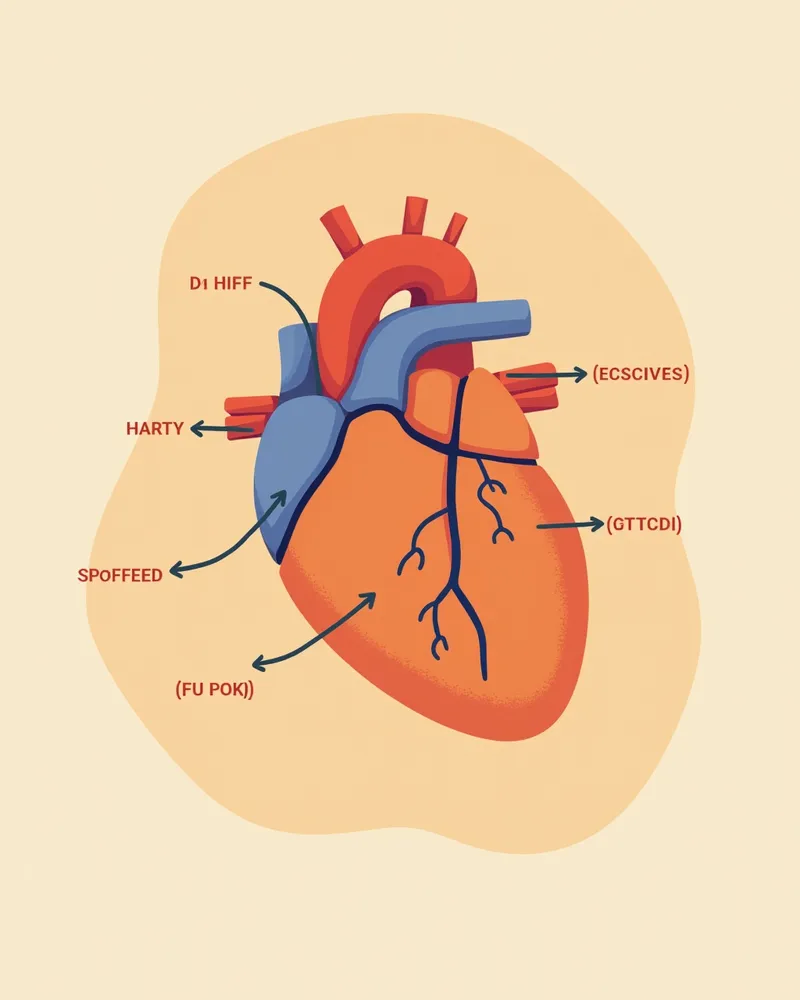
A diagram showing the areas of the heart affected by ischemic cardiomyopathy and the abnormal electrical signal pathways.

Key Symptoms and Signs

Abnormalities on a cat’s electrocardiogram (ECG) are often asymptomatic in the early stages. However, as the condition worsens, difficulty breathing may develop, with the cat breathing rapidly or panting with its mouth open. Reduced activity levels are also common, as the cat may avoid playing and rest more frequently. Sudden collapse or loss of consciousness can indicate a serious arrhythmia. Irregular heartbeats may be detectable by touch, with the heart feeling like it is racing or pausing. Bluish discoloration of the mouth or lips signals inadequate oxygen supply and requires immediate veterinary attention.
A cat experiencing difficulty breathing, with its mouth open and breathing rapidly

Signs Requiring Immediate Veterinary Care

Sudden collapse, difficulty breathing, bluish discoloration of the mouth or lips, and a very rapid or irregular heartbeat can be life-threatening. If you notice these symptoms, seek veterinary care immediately. An electrocardiogram (ECG) and further diagnostic tests are necessary, as delays can lead to cardiac arrest or death.

Diagnostic Methods and Procedures
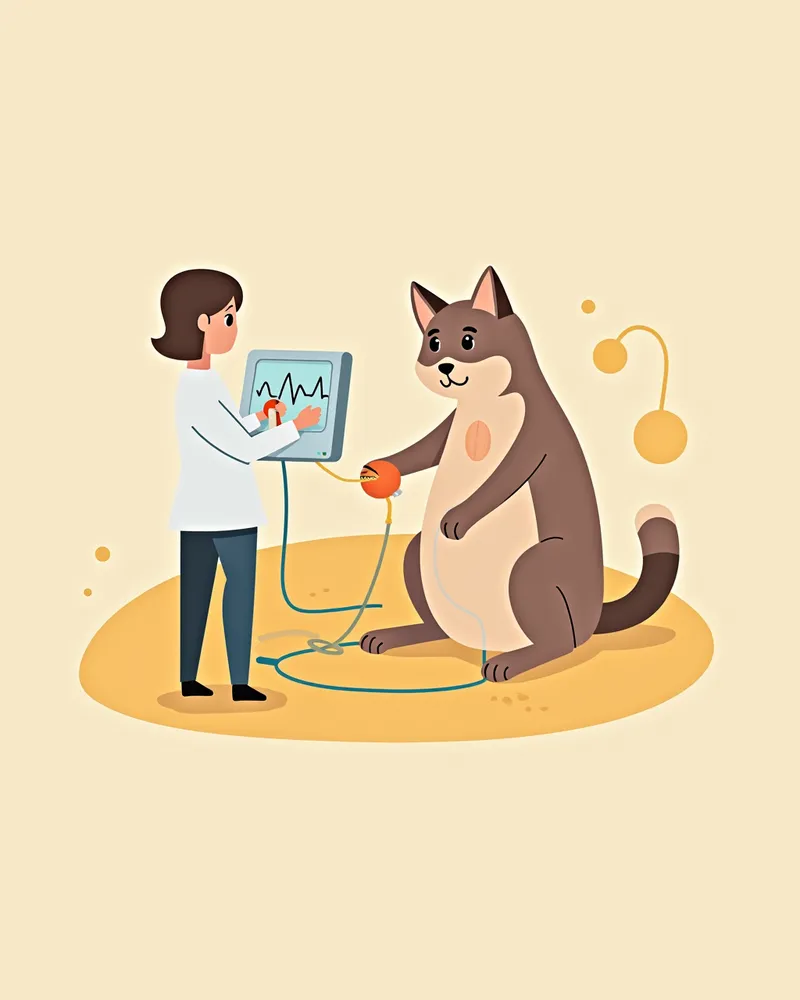
An electrocardiogram (ECG) is performed by placing your cat on an examination table and attaching electrodes to its limbs and chest to record electrical signals. The procedure takes about 1–2 minutes, causes minimal discomfort, and is generally well tolerated by cats. - Electrode placement: After cleaning the skin with a damp cotton pad, electrodes are applied to reduce signal noise. - Tracing analysis: The veterinarian analyzes the recorded waveforms to assess for any rhythm abnormalities. - Further testing if needed: If significant abnormalities are suspected, additional 24-hour Holter monitoring may be recommended. - Accurate diagnosis: A definitive diagnosis is made by comprehensively evaluating results from multiple tests.
A veterinarian attaches ECG electrodes to a cat's legs and chest, then checks the real-time waveform on the monitor.

Treatment Options and Step-by-Step Management
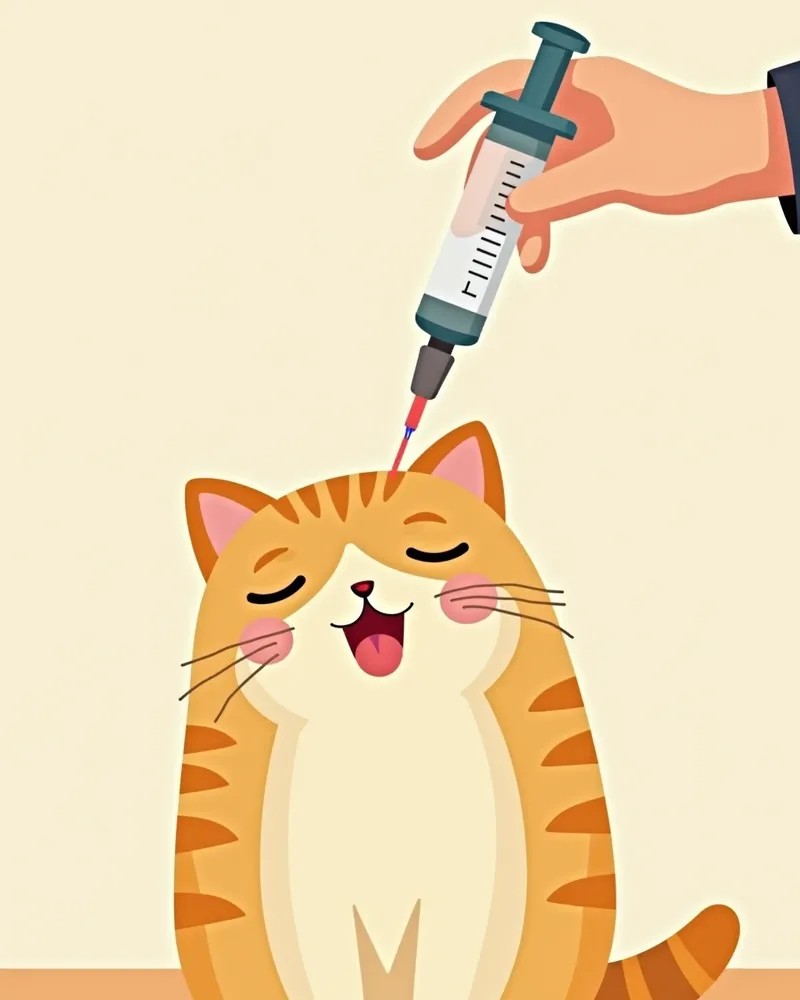
Treatment for ECG abnormalities depends on the underlying cause. - Antiarrhythmic medication: If the heart rhythm is irregular, medication is used to stabilize it. - Cardiotonic agents: Drugs that enhance heart contractility or support blood circulation are prescribed. - Addressing the root cause: If endocrine disorders or electrolyte imbalances are responsible, those conditions are treated directly. - Fluid therapy and nutritional management: Dehydration and nutritional deficiencies can strain the heart, so these are carefully corrected. - Regular follow-up monitoring: During treatment, ECG and echocardiogram exams are repeated to closely monitor progress. - Individualized treatment plan: The approach is tailored based on the pet’s weight, age, and medical history.
A veterinarian administering medication to a cat using a syringe

Home Care Points

- Regular check-ups: It’s important to have your pet’s heart checked at least once a year. - Medication compliance: Administer medications exactly as directed by your veterinarian. - Minimize stress: Maintaining a calm environment and a consistent daily routine can help. - Dietary management: Choose supplements or food that support heart health. - Weight management: Obesity increases the burden on the heart. - Activity regulation: Avoid excessive exercise and maintain an appropriate level of activity.
A cat resting comfortably in a quiet room, with a bowl of heart-healthy food nearby.

Precautions by Cat Breed

Breeds such as the Maine Coon and Ragdoll are genetically predisposed to hypertrophic cardiomyopathy (HCM). Because these breeds may have an elevated risk of HCM associated with MYBPC3 gene mutations, regular cardiac screenings are essential. We recommend early screening for cats with a family history of the condition or those belonging to predisposed breeds. It is important to consult with your veterinarian to develop a preventive care plan.

Reviewed by a veterinarian

Dr. Tony — Punnawat Phongkittirak

Dr. Tony — Punnawat Phongkittirak

Veterinarian

A veterinarian who majored in veterinary medicine at Khon Kaen University, Thailand, and completed the IVSA program at North Carolina State University in the United States. Drawing on clinical experience at animal hospitals, he works in the pet healthcare field and is dedicated to building a digital care environment that connects pet parents with veterinarians.

Frequently Asked Questions

Does an electrocardiogram (ECG) cause pain in cats?
There is no pain at all. The procedure is as simple as attaching electrodes, so while your cat may feel a bit tense, they won’t experience any discomfort.
Can abnormal ECG findings be treated?
Treatment is possible depending on the cause. Antiarrhythmic medications or heart drugs can help stabilize the rhythm. Early detection is key.
What should I do after bringing my pet home following an ECG test?
No special measures are needed. The electrodes will be removed immediately, and your cat can resume its normal behavior.
How much does an ECG test cost?
The cost typically ranges from $40 to $70, though it may vary depending on the clinic and location.
Is an electrocardiogram (ECG) absolutely necessary?
If you suspect heart disease, this test is essential. Early detection significantly improves the chances of successful treatment.

Comparison of Stage-Specific Characteristics of Abnormal ECG Findings

ItemHeart RhythmMain SymptomsNeed for Treatment
MildSlightly irregularNo decrease in activityLow
ModerateFairly severe irregularityShortness of breath, shock symptomsModerate
SevereSevere irregularity, possibility of arrestCollapse, bluish mouthHigh

Since treatment strategies differ by stage for ECG abnormalities, accurate classification is important.

Share

Related Guides

References

[1] Tilley, L.P. (1993). Essentials of Canine and Feline Electrocardiography, 3rd ed. Philadelphia: Lea & Febiger.

[2] Fox, P.R. and Harpster, N.K. (1999). Diagnosis and management of feline arrhythmias. In: Textbook of Cardiovascular Medicine in Dogs and Cats.

[3] Santilli, R., Moise, N.S., Pariaut, R., and Perego, M. (2018). Background to the diagnosis of arrhythmias. In: Electrocardiography of the Dog and Cat, 2e.

This information is based on veterinary literature and does not replace diagnosis or treatment. Please consult a veterinarian for specific health concerns.

Metapet Co., Ltd. | CEO: Park Sung-yong | Business Reg. No. 417-88-02562 | Seoul, South Korea | Customer Center

Feline ECG Guide: Procedure, Arrhythmia Diagnosis & Interpretation | Meongsiljang