

Feline Neutering: Optimal Timing, Symptoms and Causes, Diagnosis, Treatment, and Management Essentials
Feline spaying or neutering is an important preventive measure that eliminates reproductive function and helps prevent behavioral issues. The ideal time for the procedure is between 4 and 6 months of age, preferably before the onset of the first heat cycle.
Feline Neutering is a Preventive Measure for Removing Reproductive Function and Improving Behavior
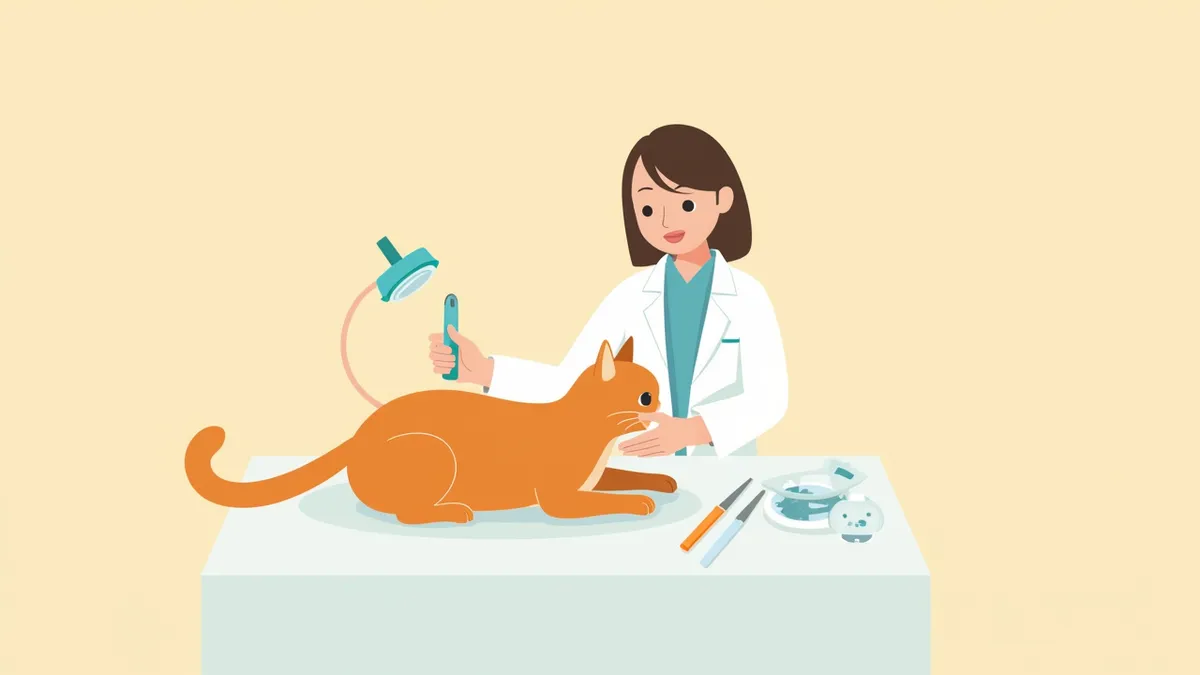
The Main Reasons for Surgery Are Removing Reproductive Function and Preventing Behavioral Issues

Key Symptoms Include Recurring Heat Cycles, Attempts to Escape Outdoors, and Urine Marking

Symptoms Requiring Immediate Veterinary Visit
If your cat develops a fever, abdominal swelling, bleeding, loss of appetite, or signs of shock within two weeks after surgery, seek veterinary care immediately, as these may indicate infection or internal bleeding. Additionally, if your cat is anxious or in severe pain before the procedure, it is safer to postpone the surgery.
Diagnosis Is Performed by Checking the Heat Cycle and Assessing Overall Health Status

Treatment Focuses on Post-Surgical Recovery Management and Medication Administration

Home Care Requires Special Attention for Two Weeks After Surgery

Breed-Specific Precautions and Tips for Preventing Recurrence
While certain breeds may be at a higher risk for obesity after surgery, this isn’t a blanket trait for the entire breed but rather depends on each cat’s individual physiology and activity level. After neutering, hormonal changes can increase appetite, so managing weight through dietary control and appropriate exercise is important. Although noticeable behavioral changes may not appear immediately after surgery, it’s best to stay attentive by scheduling regular health check-ups and consulting your veterinarian with any questions, rather than neglecting care.
Reviewed by a veterinarian

Dr. Tony — Punnawat Phongkittirak
VeterinarianA veterinarian who majored in veterinary medicine at Khon Kaen University, Thailand, and completed the IVSA program at North Carolina State University in the United States. Drawing on clinical experience at animal hospitals, he works in the pet healthcare field and is dedicated to building a digital care environment that connects pet parents with veterinarians.
Reviewed 2026-06-29
Frequently Asked Questions
When is the best time to have a cat spayed or neutered?
Is it normal for a cat to become lethargic after surgery?
Can spaying or neutering lead to obesity?
When can I remove the cone after surgery?
Does spaying or neutering affect a cat's lifespan?
Share
Related Guides

Top Recommendations and Selection Criteria for Cat FIV and FeLV Testing

Top Microchip Implantation Management Recommendations for Dogs and Key Selection Criteria

Complete Guide to Choosing, Comparing, and Managing the Best Heartworm Preventives for Dogs

Complete Guide to Feline Heartworm Preventive Medication: Selection, Comparison, Symptoms, Causes, Diagnosis, Treatment, and Management

Early Detection of Feline Health Issues: Symptoms, Causes, Diagnosis, Treatment, and Management Essentials

Complete Guide to Cat Dental Preventive Care: Symptoms, Causes, Diagnosis, Treatment, and Management Points

Comprehensive Guide to Cat Grooming and Brushing: Symptoms, Causes, Diagnosis, Treatment, and Management

Complete Guide to Canine Lice Infestation: Symptoms, Causes, Diagnosis, Treatment, and Management

Dog Fecal Parasite Test: Methods, Symptoms, Causes, Diagnosis, Treatment, and Management Tips

Comprehensive Guide to Symptoms, Causes, Diagnosis, Treatment, and Management of Indoor Flea Elimination in Dogs
References
[1] The Cat, Clinical Medicine and Management, 2nd Edition, 2020
[2] Handbook on Field Veterinary Surgery, Chapter 19: Ovariohysterectomy in Canines and Felines, 2018
[3] The Dog Care Handbook, Things I Wish My Vet Had Told Me, 2023