
Like
Share
멍실장
고양이 구강 세균과 전신 질환 증상과 원인, 진단·치료와 관리 포인트 총정리

Oral Bacteria in Cats Affecting the Heart and Kidneys? — Warning Signs of Systemic Disease and Management Timing

Oral HealthDiseasesMeongsiljang Veterinary Advisory Board

Oral bacteria in cats can cause not only periodontitis but also systemic diseases such as heart, kidney, and liver conditions. Early detection and management are crucial.

What Are Feline Oral Bacteria and Systemic Diseases?

A cat sitting quietly in front of the veterinarian, with its mouth slightly open.
Feline oral bacteria and systemic diseases often begin with periodontal disease, where bacteria and their byproducts in the mouth cause inflammation in the gums and tissues surrounding the teeth. Periodontal disease is one of the most commonly diagnosed conditions in veterinary medicine, driven by bacterial inflammation. As it progresses, it can lead to pain and tooth loss. - Oral Bacteria: Plaque and tartar on tooth surfaces become breeding grounds for bacteria, causing inflammation that makes the gums red and swollen. - Local and Adjacent Effects: Advanced periodontal disease can lead to serious local and adjacent complications, such as pathological jaw fractures or damage to tissues around the eyes. - Risk Factors: Most periodontal diseases show few visible signs in the early stages, but as they progress, the risks of bad breath, pain, and tooth loss increase. Early detection and consistent home care are essential.

What Are the Main Causes?

The primary cause of oral bacteria and systemic diseases in cats is the plaque and tartar that accumulate on tooth surfaces. This buildup creates an environment conducive to bacterial growth, leading to gum inflammation. - Plaque and Tartar: These are hardened food debris and bacteria on the tooth surface, serving as the starting point for oral inflammation. - Bacteria and Byproducts: Bacteria and their byproducts cause inflammation in the gums and tissues surrounding the teeth, progressing to periodontal disease. - Risk Factors: If plaque is not properly controlled, inflammation worsens; therefore, inadequate consistent oral care increases the risk. - Key to Prevention: Daily home care (brushing) and professional scaling under anesthesia every 3–4 months are essential. Proper dental care at home can prevent or even reverse issues such as gingivitis.
Under the microscope, you can see plaque, tartar, and bacterial colonies on a cat’s teeth.

What Are the Main Symptoms and Signs?

The main symptoms linking feline oral bacteria to systemic disease include bad breath, reluctance to eat, and red or bleeding gums. However, if periodontal disease is not advanced, there may be few outward signs. As the condition worsens, weight loss, pain, and drooling may occur.
Bad breath: Halitosis becomes more pronounced in advanced periodontal disease.
Reluctance to eat: Oral pain can lead to difficulty eating or a decreased appetite.
Gum bleeding: Bleeding during brushing or probing is often the first sign of periodontal disease.
Weight loss: Oral pain or reduced appetite can cause weight loss.
Drooling and pain: Excessive drooling (ptyalism) or pawing at the mouth may indicate discomfort.
Neglected grooming: Pain may prevent proper grooming, resulting in a matted or unkempt appearance.
A cat that looks tired, with its head lowered and mouth slightly open.

Signs Requiring Immediate Veterinary Visit

If your cat is showing signs of severe pain, refusing to eat, or not eating at all, you should take them to the vet immediately. If you notice a loss of appetite due to oral pain, drooling, or scratching at their mouth with their paws, prompt veterinary care is necessary. Additionally, if your cat appears lethargic, has rapid breathing, or shows signs of overall deterioration in their condition, it's important to seek veterinary attention without delay.

What Are the Accurate Diagnostic Methods?
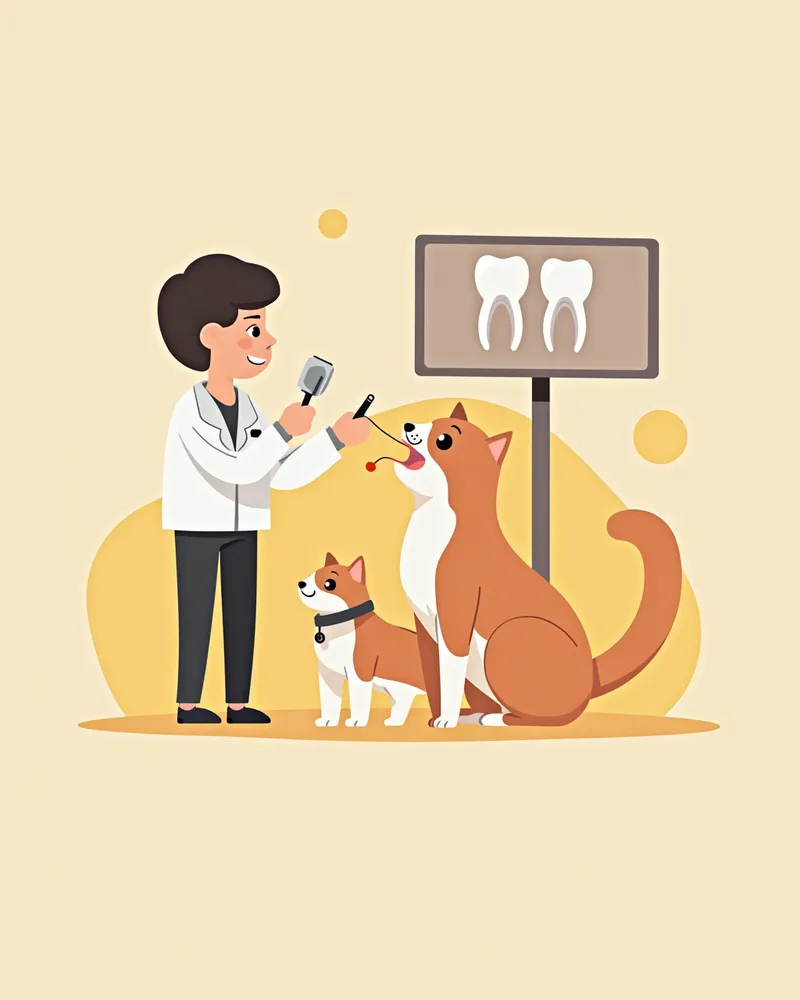
We accurately diagnose the link between feline oral bacteria and systemic diseases through a series of comprehensive tests. - Oral Examination: While we can inspect the mouth while your cat is awake, the most accurate diagnosis comes from a thorough oral exam under anesthesia, which includes the use of dental probes and intraoral dental X-rays. - Basic Blood and Urine Tests: We establish a minimum database consisting of a complete blood count (CBC), biochemistry panel, and urinalysis to check for any underlying conditions. - Renal and Systemic Assessment: We evaluate overall health status by analyzing values such as creatinine and BUN from the biochemistry panel. - Dental Radiography: X-rays allow us to examine the condition of the tooth roots and surrounding bone, helping us detect hidden lesions. - Biopsy: If necessary, we confirm the diagnosis through histopathological examination. Early diagnosis is crucial for increasing the success rate of treatment.
A veterinarian examines a cat’s mouth while reviewing a digital X-ray image.

Treatment Methods and Step-by-Step Approach

The cornerstone of treatment is a thorough dental cleaning (scaling) and periodontal therapy performed under general anesthesia to remove plaque and tartar. The goal is to completely resolve oral inflammation, and if necessary, severely inflamed or loose teeth are extracted. Afterward, regular at-home oral care is essential to prevent recurrence.
General Anesthesia Treatment: Under anesthesia, tartar and plaque are completely removed from the tooth surfaces and polished.
Strategic Extractions: Teeth in areas with severe ulcers and inflammation that make brushing difficult, as well as loose teeth, are extracted to reduce pain.
Inflammation Management: Long-term or excessive use of steroids and anti-inflammatory drugs can worsen long-term prognosis, so aggressive early treatment yields better outcomes.
Regular Oral Care: Brush your pet’s teeth daily at home and repeat professional scaling under anesthesia every 3–4 months.
A veterinarian cleaning a cat's teeth in a clean environment

Home Management and Care Points

Managing oral bacteria and systemic health issues in cats at home centers on consistent dental care. Use daily brushing with cat-specific toothpaste and dental-health diets to keep plaque under control. It’s also important to monitor your cat’s eating habits and weight changes, and to maintain regular veterinary check-ups.
Regular brushing: Gently brush the teeth and gums every day to control plaque. Home care can help prevent or even reverse gingivitis.
Toothpaste use: Always use toothpaste formulated specifically for cats.
Dental-health diets: Diets with the VOHC (Veterinary Oral Health Council) seal for plaque control can be helpful.
Regular scaling: Professional scaling under anesthesia to remove tartar should be performed every 3–4 months.
Monitoring eating habits: Watch closely for food refusal or changes in appetite.
Weight monitoring: Track changes through regular weight checks.
A person gently brushing a cat’s teeth, creating a warm and friendly atmosphere.

Breed-Specific Precautions and Prevention of Recurrence

While the frequency of oral issues can vary depending on breed and facial structure, regular dental care is important for all cats. Even kittens under one year of age can develop juvenile gingivitis and periodontitis. As cats age, it’s essential to consistently monitor for oral disease, pain, and difficulty eating, and consult with your veterinarian. To prevent recurrence, daily home care along with regular professional check-ups and dental cleanings are necessary.

Reviewed by a veterinarian

Dr. Tony — Punnawat Phongkittirak

Dr. Tony — Punnawat Phongkittirak

Veterinarian

A veterinarian who majored in veterinary medicine at Khon Kaen University, Thailand, and completed the IVSA program at North Carolina State University in the United States. Drawing on clinical experience at animal hospitals, he works in the pet healthcare field and is dedicated to building a digital care environment that connects pet parents with veterinarians.

Frequently Asked Questions

Should I take my cat to the vet if it has bad breath?
Yes, bad breath (halitosis) is a common sign of advanced periodontal disease. Since periodontal disease is one of the most common oral health issues, it’s a good idea to have your pet’s mouth checked early if the bad breath persists.
Can oral bacteria recur after treatment?
Yes, inadequate home care significantly increases the risk of recurrence. Daily tooth brushing, professional scaling under anesthesia every three to four months, and regular veterinary check-ups are essential.
My cat hates it when I try to brush its teeth at home. What should I do?
Start by gently introducing the habit using a soft brush and cat-specific toothpaste. Gradually increase the duration of each session, and offering treats as rewards can help reinforce positive behavior.
Can oral bacteria cause heart disease?
Based on current veterinary textbooks, it is difficult to confirm that oral bacteria directly cause heart disease. However, advanced periodontal disease can lead to local and adjacent complications, such as pathological jaw fractures or damage around the eyes, so consistent oral care is essential.
Can I use human toothpaste on my cat?
It is strongly recommended to use toothpaste specifically formulated for cats. Proper at-home oral care can help prevent or even reverse issues like gingivitis.

Share

Related Guides

References

[1] The Cat, Clinical Medicine and Management, 2nd Edition, Elsevier, 2023

[2] Greene CE, Addie DD. Infectious Diseases of the Dog and Cat, 3rd ed, Elsevier, 2006

[3] Frymus T, Addie DD, Boucraut-Baralon C, et al. Streptococcal infections in cats: ABCD guidelines on prevention and management. J Feline Med Surg, 2015;17:620–625

This information is based on veterinary literature and does not replace diagnosis or treatment. Please consult a veterinarian for specific health concerns.

Metapet Co., Ltd. | CEO: Park Sung-yong | Business Reg. No. 417-88-02562 | Seoul, South Korea | Customer Center

Cat Oral Bacteria Harming Heart & Kidneys? Warning Signs | Meongsiljang