
Comprehensive Guide to Hormonal Changes After Dog Neutering: Symptoms, Causes, Diagnosis, Treatment, and Management
Hormonal changes after neutering can lead to physiological and behavioral changes in dogs. It’s important to understand and manage these changes properly.
What Are Hormonal Changes After Dog Neutering?
What Are the Main Causes of Hormonal Changes?
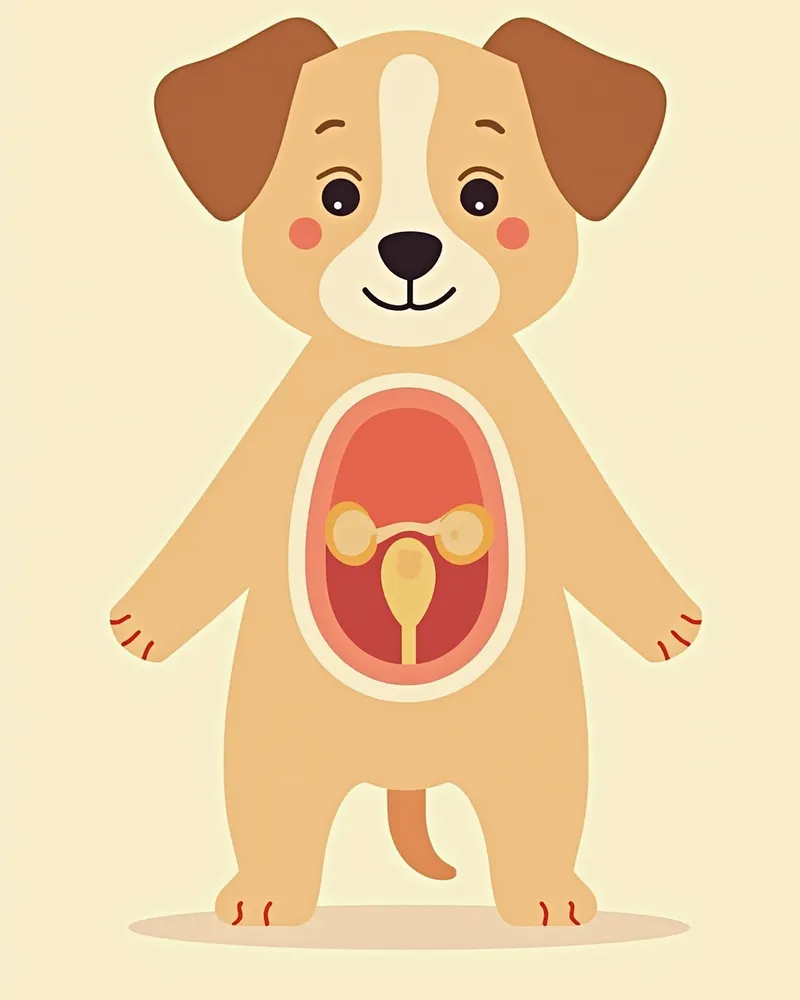
What Are the Main Symptoms and Signs?
When to Visit the Clinic Immediately
If your pet experiences persistent fever, bleeding, swelling, severe pain, loss of appetite, vomiting, or diarrhea within one week after surgery, please visit the clinic immediately. Additionally, if the surgical site becomes swollen or emits a distinct odor, there is a high likelihood of infection. These could be signs of post-neutering complications, so prompt action is essential.
How to Achieve an Accurate Diagnosis?
How to Treat and Manage?
Daily Management Points at Home

Breed-Specific Precautions and Prevention of Recurrence
After spaying or neutering, hormonal changes can make pets more prone to obesity, and some breeds are especially susceptible to weight gain. For example, Labrador Retrievers, Golden Retrievers, and Spaniels require particular attention to weight management. Since obesity can lead to various health issues, it’s important to maintain a long-term diet plan and regular exercise to keep your pet at a healthy weight. Additionally, female dogs may have an increased risk of urinary incontinence after spaying, so it’s essential to closely monitor their weight, urination patterns, and any behavioral changes following the surgery.
Reviewed by a veterinarian

Dr. Tony — Punnawat Phongkittirak
VeterinarianA veterinarian who majored in veterinary medicine at Khon Kaen University, Thailand, and completed the IVSA program at North Carolina State University in the United States. Drawing on clinical experience at animal hospitals, he works in the pet healthcare field and is dedicated to building a digital care environment that connects pet parents with veterinarians.
Reviewed 2026-06-02
Frequently Asked Questions
Why does weight gain occur rapidly after neutering?
Is it normal for a pet’s behavior to change after spaying or neutering?
What should I do if my pet develops itchy skin or hair loss after being neutered?
What should I do if the symptoms persist even a year after neutering?
Will hormones return after neutering?
Share
Related Guides

Top 5 Prescription Dog Foods for Diabetes Recommended by Veterinarians — Blood Sugar-Stabilizing Food Comparison
7 Key Products for Managing Feline Hypercalcemia Recommended by Veterinarians and Selection Criteria
7 Key Points for Canine Thyroid T4 Testing by Veterinarians — From Timing to Result Interpretation
If Your Dog’s Abdomen Is Swollen — Causes of Hepatic Enlargement and When to Treat
If Your Dog Has a Liver Mass — Symptoms and Diagnosis & Treatment Key Points for Hepatocellular Carcinoma
Complete Guide to Liver Ultrasound in Dogs: When It’s Needed and How to Interpret Results
Are Poor Liver Values in Dogs Dangerous? Recovery Potential and Management Through Prognostic Indicators
Liver Tumors in Dogs? — From Primary and Metastatic Symptoms to Diagnosis and Treatment
Diagnosed with a Liver Cyst in Your Dog — Warning Signs and Treatment Timing
If Your Dog Is Constantly Lethargic and Has a Fever — Signs of a Liver Abscess and When to Go to the Vet
References
[1] The Cat, Clinical Medicine and Management, 2nd Edition, 2020
[2] Handbook on Field Veterinary Surgery, Chapter 19: Ovariohysterectomy in Canines and Felines, 2018
[3] The Dog Care Handbook, Things I Wish My Vet Had Told Me, 2023