Like
Share
멍실장
강아지 기본 예방접종 스케줄 증상과 원인, 진단·치료와 관리 포인트 총정리

Puppy Basic Vaccination Schedule: Symptoms, Causes, Diagnosis, Treatment, and Management Essentials

Lifestyle & Age CareDiseasesMeongsiljang Veterinary Advisory Board

The basic vaccination schedule for puppies begins at 6 to 8 weeks of age and plays a crucial role in disease prevention. Administering vaccines at the right time and in the proper way ensures the development of safe and effective immunity.

The Puppy Basic Vaccination Schedule Is a Preventive Strategy Starting at 6 to 8 Weeks of Age
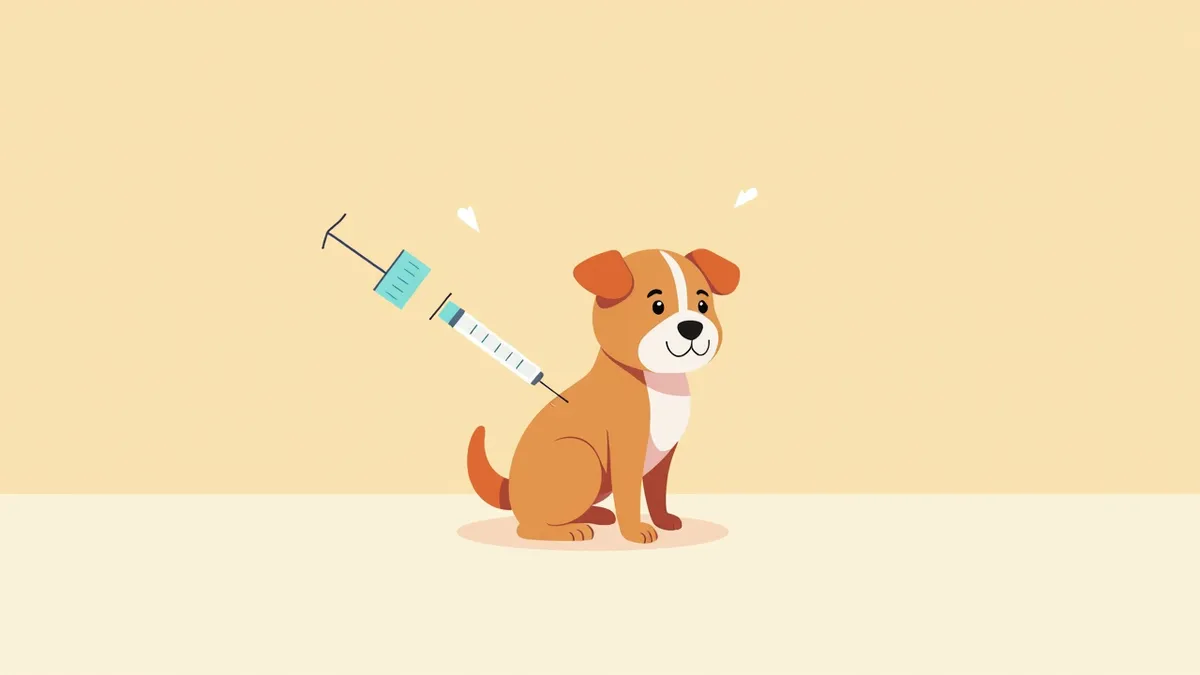
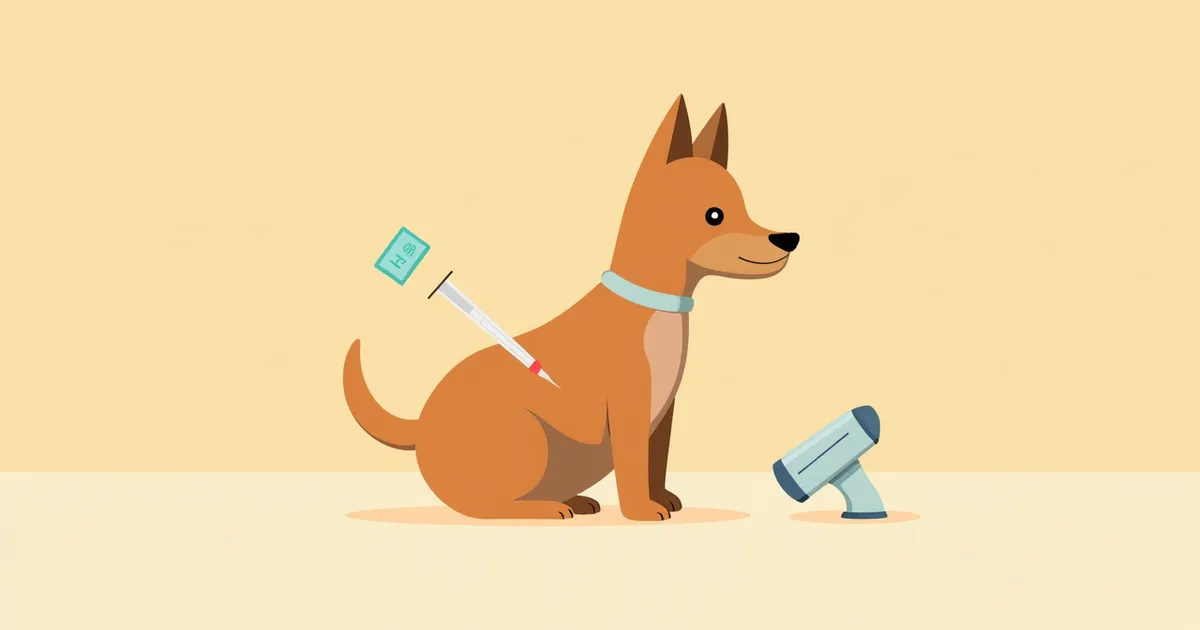
A puppy receiving a vaccination from a veterinarian
The basic vaccination schedule for puppies is a preventive strategy that begins at 6 to 8 weeks of age. This period is crucial because maternal antibodies gradually wane, increasing the risk of exposure to external pathogens. - Vaccination Timing: The series starts at 6 to 8 weeks of age and consists of 3 to 4 doses administered at 2- to 4-week intervals, ideally concluding around 16 weeks of age. Rabies vaccines must be administered no earlier than 12 weeks of age. - Purpose of Vaccination: These vaccines play a key role in preventing fatal infectious diseases such as parvovirus, adenovirus, distemper, and rabies. Coronavirus is not considered a core vaccine and is therefore generally not included. - Vaccination Efficacy: When administered according to the correct schedule and protocol, safe and sustained immunity is established. - Precautions: Always verify your puppy’s health status before vaccination, and visit the clinic immediately if any adverse reactions are suspected.

The Main Reasons for Vaccination Are Exposure to External Pathogens and Decline in Maternal Immunity
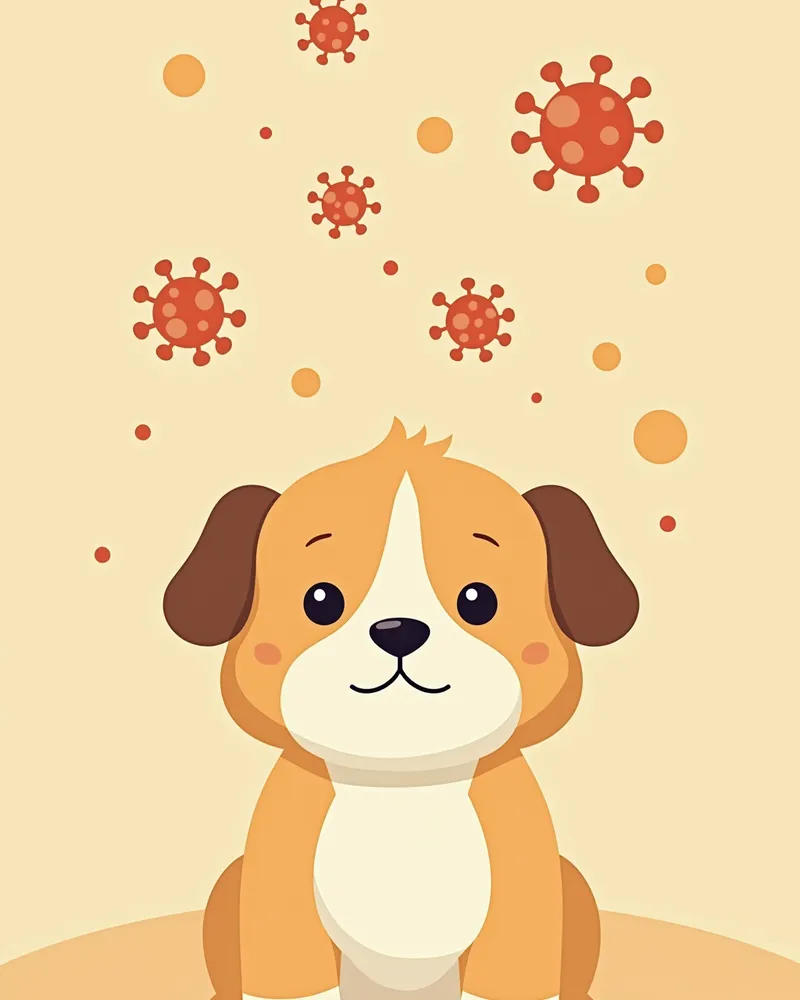
The primary reason for vaccinating puppies is that the immunity they receive from their mother gradually wanes, leaving them increasingly vulnerable to external pathogens. - Decline in maternal immunity: Antibodies passed down from the mother typically decrease over the first 8 to 16 weeks of life, after which the puppy must begin developing its own immune system. - Increased exposure: Risks of encountering pathogens rise sharply as puppies go on walks, interact with other dogs, and visit public places. - Importance of vaccination: If proper immunity is not established through timely vaccinations during this critical window, puppies are at risk of contracting severe diseases. - Preventive benefits: Regular and appropriate vaccinations protect against fatal diseases such as parvovirus, adenovirus, distemper, and rabies. - Pre-vaccination assessment: It is safest to thoroughly evaluate your puppy’s health status and postpone vaccination if they are ill or in poor condition.
An image visualizing the process of a puppy's immune system attacking pathogens.

Main Symptoms Are Temporary Discomfort and Immune Response After Vaccination
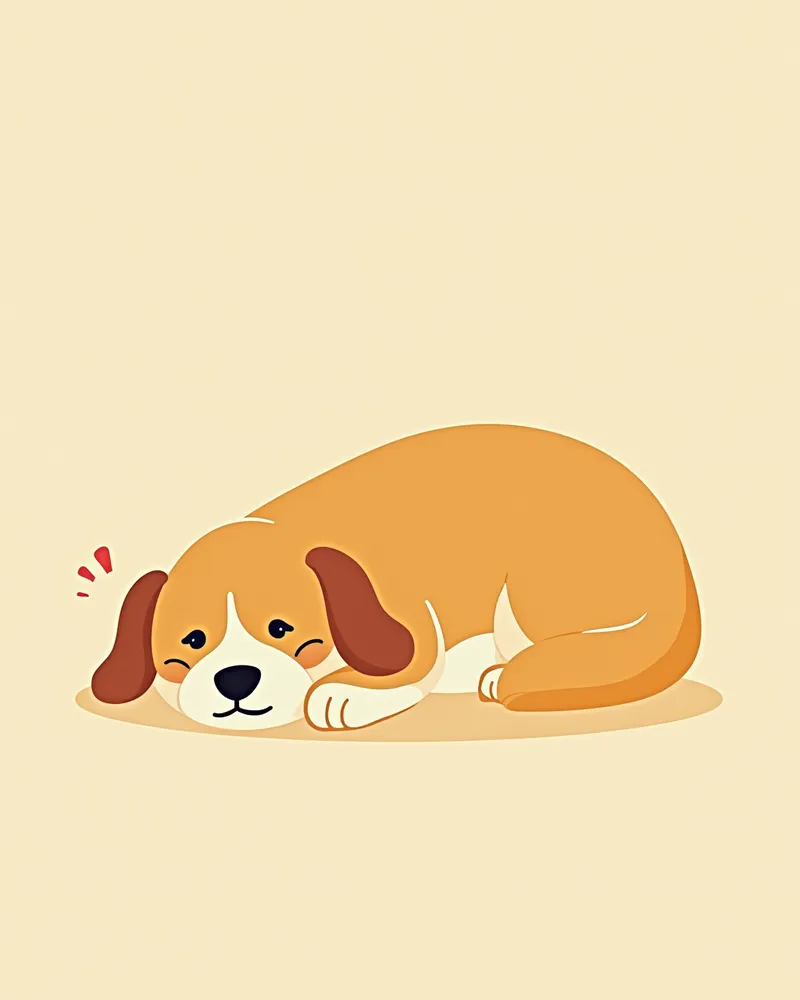
After vaccination, your puppy may experience common side effects such as swelling at the injection site, a temporary fever, lethargy, or decreased appetite. - Local reaction: The injection site may become slightly swollen or tender, but these symptoms typically resolve on their own within 1–2 days. - Systemic reaction: A mild fever or reduced activity level may occur, which is a normal sign that the immune system is responding to the vaccine. - Severe symptoms: Difficulty breathing, widespread rash, severe vomiting or diarrhea, or decreased consciousness may indicate a serious allergic reaction such as anaphylaxis. - Immediate action required: If any of these severe symptoms appear, seek emergency veterinary care immediately. - Importance of monitoring: Close observation for 24–48 hours after vaccination is essential for safe post-vaccination care.
A puppy with swelling at the injection site after vaccination

Symptoms Requiring Immediate Veterinary Visit

If your pet experiences difficulty breathing, a widespread rash, severe vomiting or diarrhea, or decreased consciousness after vaccination, please visit a veterinary clinic immediately. These could be signs of a severe allergic reaction (anaphylaxis). Prompt action can save your pet’s life.

Puppy Vaccination Schedule Comparison Chart (Based on AAHA and WSAVA Guidelines)

ItemInitial Vaccination TimingBooster Vaccination TimingSupplemental Vaccination Interval
Parvovirus (FPV)8 weeks12 weeks, 16 weeks1 year later
Adenovirus (CAV-2)8 weeks12 weeks, 16 weeks1 year later
Distemper (CDV, canine distemper)8 weeks12 weeks, 16 weeks1 year later
RabiesOnce after 12 weeks1 year later
Kennel cough (Bordetella)8 weeks12 weeksEvery 6 months

Vaccination timing and intervals are determined by the veterinarian based on the individual, environment, and risk level. Be sure to consult a professional.

Diagnosis Is Made Through Vaccination Records, Clinical Symptoms, and Blood Tests
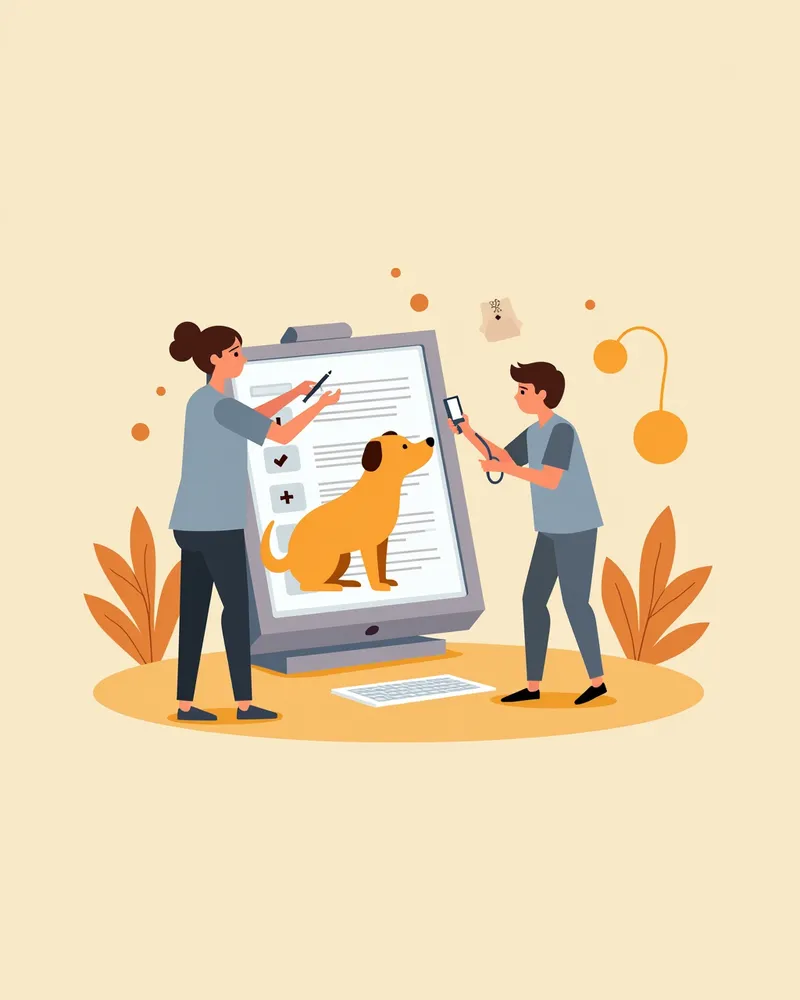
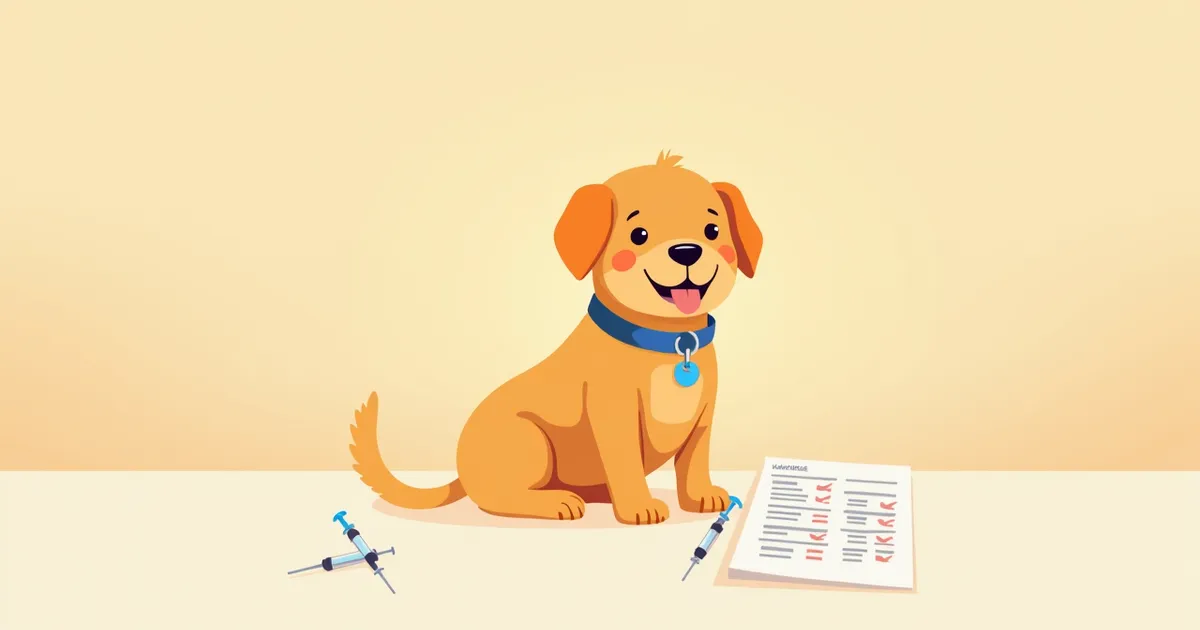
The effectiveness of your dog’s vaccinations is accurately assessed by reviewing vaccination records, evaluating clinical symptoms, and, when necessary, conducting blood tests. - Review vaccination records: The first step is to verify the exact vaccination schedule and types administered through documented records. - Assess clinical symptoms: The severity of the response is determined based on the type and duration of any symptoms that appear after vaccination. - Antibody testing: Blood tests can measure antibody levels for specific diseases to confirm whether immunity is sufficient. - Account for individual differences: Since immune responses vary from dog to dog, additional vaccinations may be required if antibody levels are low. - Regular monitoring: Dogs with weakened immune systems or senior dogs require regular check-ups and ongoing care.
A veterinarian reviewing a puppy’s vaccination records and blood test results.

Treatment Uses Anti-inflammatory Drugs, Antihistamines, or Hormones Depending on Symptoms
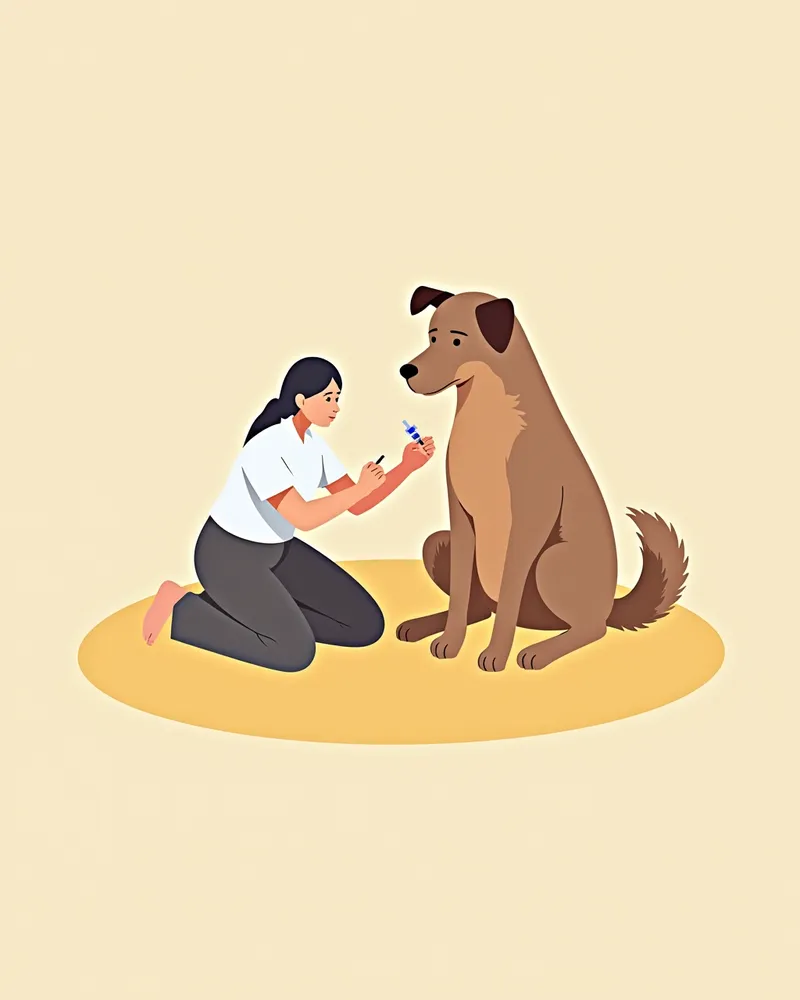
If side effects occur after vaccination, we use anti-inflammatory drugs, antihistamines, or hormones depending on the severity of the symptoms. - Mild reactions: Swelling at the injection site or a mild fever usually resolves naturally with conservative care. - Moderate reactions: Loss of appetite, lethargy, and similar symptoms can be managed with rest and hydration. - Severe reactions: Difficulty breathing, widespread rash, severe vomiting, or diarrhea require immediate emergency treatment. - Medication: Antihistamines are used to alleviate allergic reactions, and in severe cases, hormones are administered to suppress the immune response. - Veterinary visit required: If symptoms persist or worsen, professional treatment at a veterinary clinic is essential.
A veterinarian administering an injection to a puppy.

Home Care Focuses on Rest and Observation After Vaccination
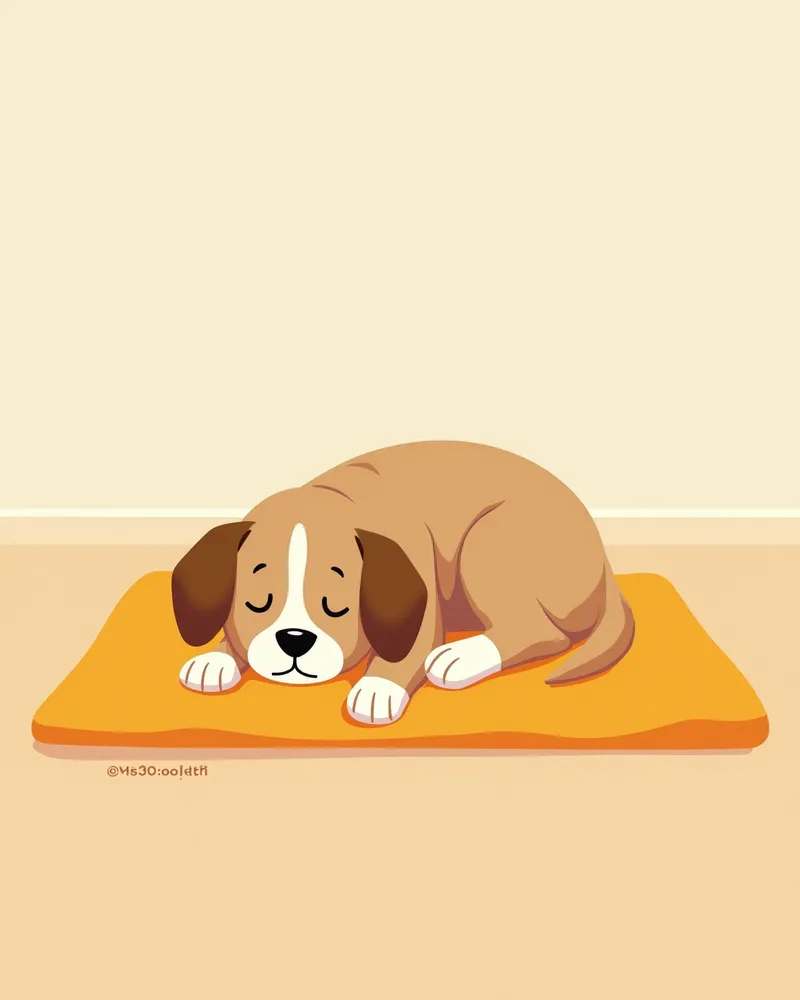
After vaccination, puppies should limit their activity and rest for 24 to 48 hours. - Maintain rest: Avoid excessive exercise or rough play, and let your puppy rest comfortably in a quiet environment. - Diet management: Provide food and water as usual, but avoid overfeeding or giving treats. - Monitor the injection site: Do not touch the injection site. If swelling or warmth persists or worsens for more than two days, a veterinary visit is necessary. - Watch for changes in routine: If you notice lethargy, decreased appetite, or behavioral changes, determine whether these are normal reactions. - Contact your veterinarian: If you suspect any abnormal symptoms, it is safest to contact your vet in advance for advice.
A puppy resting after vaccination

Breed-Specific Precautions and Prevention of Recurrence

Small-breed dogs may be at higher risk for adverse reactions after vaccination. In fact, studies have shown that the smaller the dog, the higher the incidence of post-vaccination side effects. However, it is not medically appropriate to reduce the vaccine dose simply because a dog is small; the standard full dose should always be administered. Before vaccination, a thorough assessment of the dog’s weight and overall health is essential. Regular health check-ups and careful management of vaccination records are also crucial to help prevent complications.

Reviewed by a veterinarian

Dr. Tony — Punnawat Phongkittirak

Dr. Tony — Punnawat Phongkittirak

Veterinarian

A veterinarian who majored in veterinary medicine at Khon Kaen University, Thailand, and completed the IVSA program at North Carolina State University in the United States. Drawing on clinical experience at animal hospitals, he works in the pet healthcare field and is dedicated to building a digital care environment that connects pet parents with veterinarians.

Frequently Asked Questions

When should I start my puppy’s vaccinations?
Vaccination should begin at 6 to 8 weeks of age, followed by 2 to 3 booster shots at intervals of 3 to 4 weeks. Please consult your veterinarian for the exact schedule.
What should you do if your pet shows any unusual reactions within 24 hours after vaccination?
Swelling, warmth, and lethargy at the injection site are common reactions, but difficulty breathing, vomiting, or decreased consciousness require an immediate visit to the clinic.
What happens if a pet misses a vaccination?
This can result in incomplete immune protection. Please make up any missed vaccinations as soon as possible and consult your veterinarian to adjust the schedule.
My puppy isn’t eating after vaccination. Is this normal?
A temporary loss of appetite is a common reaction. If your pet doesn’t recover within 1–2 days or experiences repeated vomiting, a veterinary visit is necessary.
My puppy is whining and seems anxious after vaccination. Why is this happening?
Your pet may have become stressed from the clinic environment or the vaccination process. Most pets will calm down within 1–2 hours if given a chance to rest in a quiet space.

Share

Related Guides

References

This information is based on veterinary literature and does not replace diagnosis or treatment. Please consult a veterinarian for specific health concerns.

Metapet Co., Ltd. | CEO: Park Sung-yong | Business Reg. No. 417-88-02562 | Seoul, South Korea | Customer Center

Puppy Vaccination Schedule: Symptoms, Causes & Care Guide | Meongsiljang