
If Your Cat Is Lethargic and Thin — Causes and Management Points for Hepatic Cirrhosis and Fibrosis
Feline hepatic fibrosis and cirrhosis are chronic conditions in which liver tissue becomes scarred and its function declines, making early detection the key to successful treatment.
What Are Feline Hepatic Cirrhosis and Fibrosis?

What Are the Main Causes?
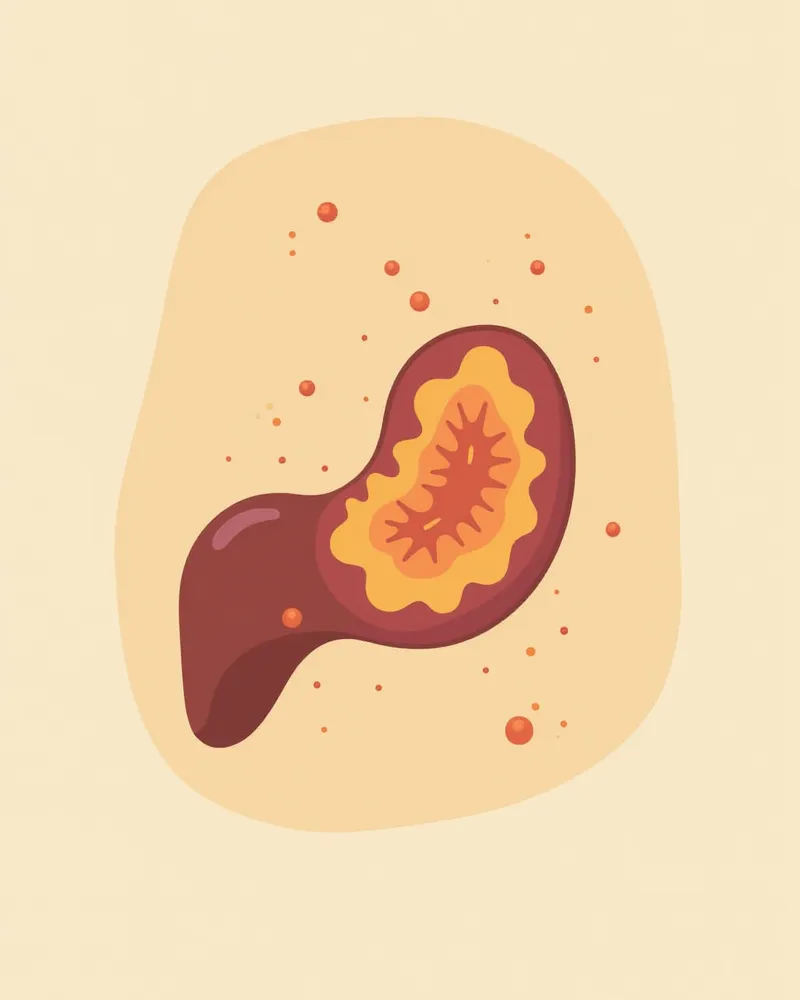
Main Symptoms and Signs

Signs Requiring Immediate Veterinary Visit
If your cat suddenly experiences severe vomiting, bloody stools, loss of consciousness, rapid abdominal distension, or worsening jaundice, immediate veterinary care is essential. These are signs of a rapid decline in liver function, and prompt treatment can be life-saving.
Accurate Diagnostic Methods

Treatment Methods and Step-by-Step Management

Daily Management Points at Home

Breed-Specific Precautions and Prevention of Recurrence
Cats with the genetic mutation that causes polycystic kidney disease (PKD) may also develop liver cysts and hepatic fibrosis, so it’s important to monitor liver health in genetically predisposed individuals. Additionally, cats with underlying liver conditions such as obesity, diabetes, or chronic cholangitis are prone to recurrent or worsening liver damage, making weight management and control of underlying diseases essential.
Reviewed by a veterinarian

Dr. Tony — Punnawat Phongkittirak
VeterinarianA veterinarian who majored in veterinary medicine at Khon Kaen University, Thailand, and completed the IVSA program at North Carolina State University in the United States. Drawing on clinical experience at animal hospitals, he works in the pet healthcare field and is dedicated to building a digital care environment that connects pet parents with veterinarians.
Reviewed 2026-06-05
Frequently Asked Questions
Is feline cirrhosis curable?
What kind of food is good for cats with cirrhosis?
Can a cat with liver cirrhosis die suddenly?
Is cirrhosis a common disease in cats?
Should I avoid giving medication to a cat with liver cirrhosis?
Comparison of Symptoms and Countermeasures by Stage of Cirrhosis and Fibrosis
| Item | Main symptoms | Treatment approach | Prognosis |
|---|---|---|---|
| Mild | Decreased appetite, weight loss | Nutritional management, hepatoprotective agents | Good |
| Moderate | Jaundice, vomiting, ascites | Drug therapy, ascites removal | Fair |
| Severe | Reduced consciousness, bleeding, hepatic encephalopathy | Hospitalization, interventional measures | Poor |
Stage-by-stage management greatly affects prognosis. Early detection is most important.
Share
Related Guides

7 Key Symptoms and Management Essentials for Canine Cholecystitis Recommended by Veterinarians

Top 5 Milk Thistle (Silymarin) Liver Supplements for Dogs — A Comparison Guide Based on Silybin Content and Absorption Rates

Top Prescription Diets for Dogs with Liver Disease and Selection Criteria

Complete Guide to Monitoring Your Dog’s Water Intake: Symptoms, Causes, Diagnosis, Treatment, and Management

Complete Guide to Dog Coat Care and Brushing: Symptoms, Causes, Diagnosis, Treatment, and Management

Puppy Annual Deworming Schedule: Symptoms, Causes, Diagnosis, Treatment, and Management Essentials

Comprehensive Guide to Symptoms, Causes, Diagnosis, Treatment, and Care for Age-Specific Regular Health Check-ups for Dogs

Adult Dog Booster Vaccination Schedule: Symptoms, Causes, Diagnosis, Treatment, and Care Essentials

Comprehensive Guide to Health Management, Symptoms, Causes, Diagnosis, Treatment, and Care Points for Cat Travel and Transport
Comprehensive Guide to Cat Routine Blood Tests: Items, Symptoms, Causes, Diagnosis, Treatment, and Management
References
[1] The Cat, Clinical Medicine and Management, 2nd Edition. Saunders; 2015.
[2] Plumb's Veterinary Drug Handbook, 9th Edition. Wiley-Blackwell; 2021.
[3] Veterinary Clinical Pathology, 4th Edition. Elsevier; 2018.