Like
Share
멍실장
고양이 신장 기능 보조제(오메가3 등) 증상과 원인, 진단·치료와 관리 포인트 총정리

When to Use Feline Kidney Supplements — Omega-3 Effects and Feeding Tips

KidneyDiseasesMeongsiljang Veterinary Advisory Board

Feline kidney dysfunction is a chronic condition, and supplements like omega-3 can help manage it. Early detection and proper care are essential.

Feline Kidney Function Decline Is a Chronic Condition Manageable with Supplements
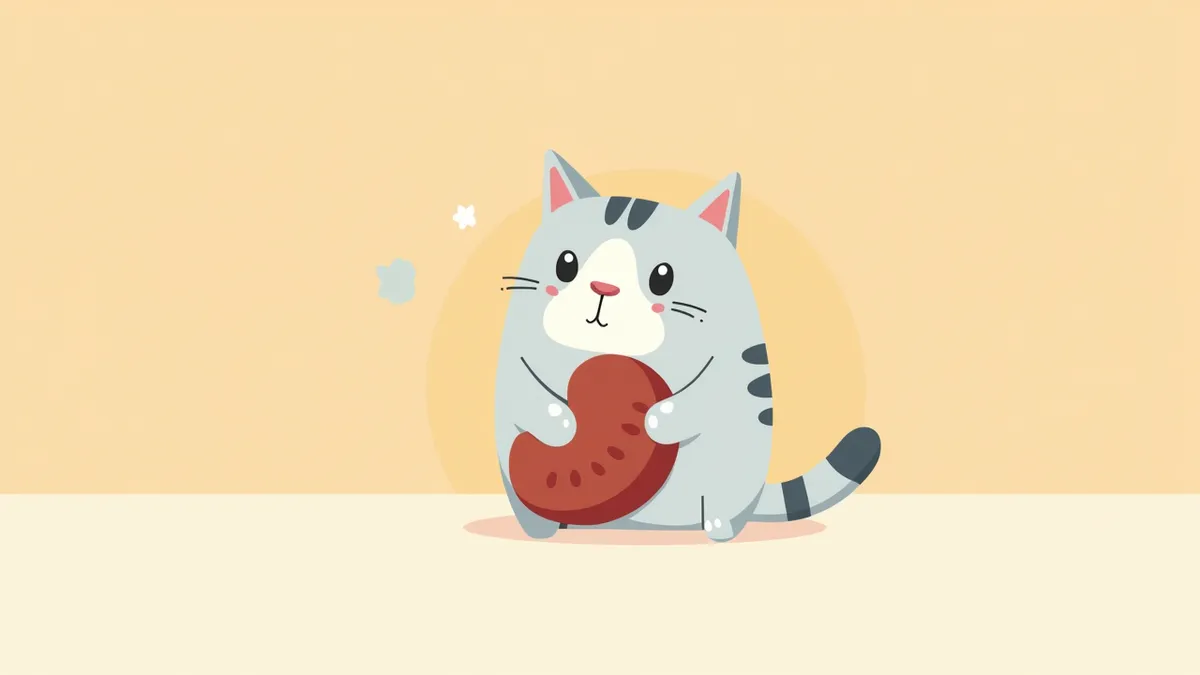
An anatomical image showing the structure of a cat's kidneys
Chronic kidney disease in cats is a condition where the kidneys fail to function normally due to aging or other diseases. Early detection and consistent management are key to significantly improving your cat’s quality of life. Omega-3 fatty acids are often included in higher amounts in prescription renal diets as part of nutritional management through dietary lipid regulation. Textbooks report that dietary lipid control can influence the progression of kidney disease. However, adequate hydration and fluid therapy (rehydration) are most important for improving renal blood flow and tissue perfusion. Additionally, a low-protein, low-phosphorus diet should be combined with proper hydration. It’s essential to work with your veterinarian to create a personalized care plan. Early recognition and ongoing management play a crucial role in maintaining quality of life and slowing disease progression.

The Main Causes Are Aging, Genetics, Infection, and Exposure to Toxic Substances
Kidney function decline (chronic kidney disease) is common in older cats. Textbooks describe chronic kidney disease as a condition frequently seen in senior cats. Some cats are thought to be more susceptible to kidney disease due to genetic predisposition. Severe dehydration, use of nonsteroidal anti-inflammatory drugs (NSAIDs), serious infections, or urinary tract obstruction can also cause or worsen kidney damage. Additionally, exposure to toxic substances such as certain poisonous plants, medications, or heavy metals can place stress on the kidneys. Early prevention requires maintaining a clean environment and safely managing food and medications. It is important to recognize risk factors and take preventive measures.
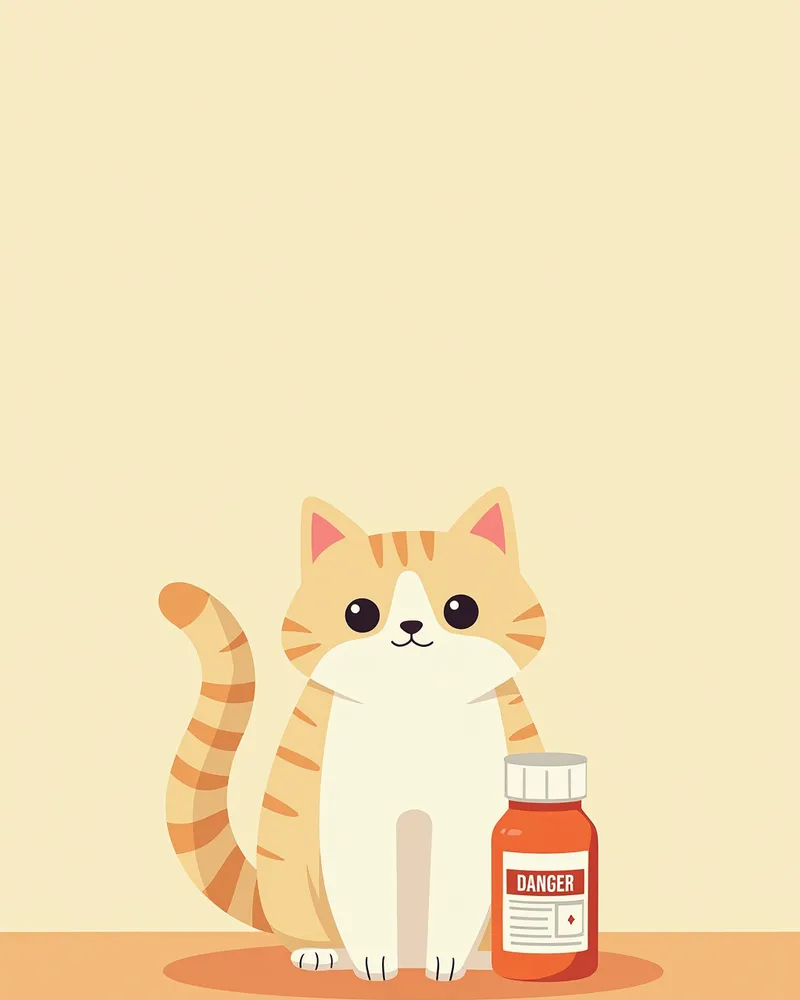
An image symbolizing the risk of kidney damage caused by medications

The Main Symptoms Are Vomiting, Loss of Appetite, Weight Loss, Frequent Urination, and Dehydration
The early signs of declining kidney function in cats include frequent urination and a mild loss of appetite. These symptoms are often followed by progressively worsening vomiting, weight loss, dehydration, bad breath, and lethargy. You may also notice droopy eyes, weakness in the hind legs, and reduced mobility. In particular, if your cat stops drinking water or eating for more than a day, it is a warning sign of a rapid deterioration in kidney function. Early recognition significantly impacts treatment outcomes, so it is crucial to consult a veterinarian immediately if symptoms appear. Regular health check-ups are essential for early detection.
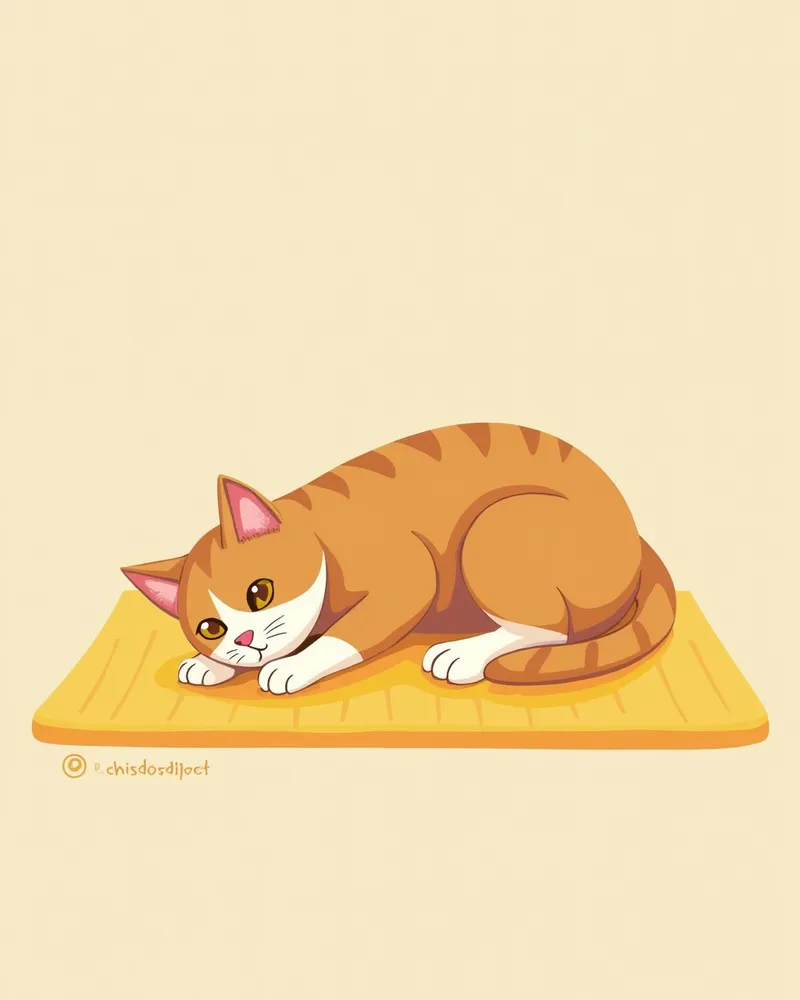
A cat showing signs of dehydration due to decreased kidney function

Emergency Signs Requiring Immediate Veterinary Visit

If your cat has had no appetite for more than a day, is vomiting repeatedly, appears lethargic, has blood in its urine, or shows severe dehydration (such as reduced skin elasticity), you should visit the vet immediately. These are signs of a sudden deterioration in kidney function.

Comparison Table of Cat Kidney Supplements by Type
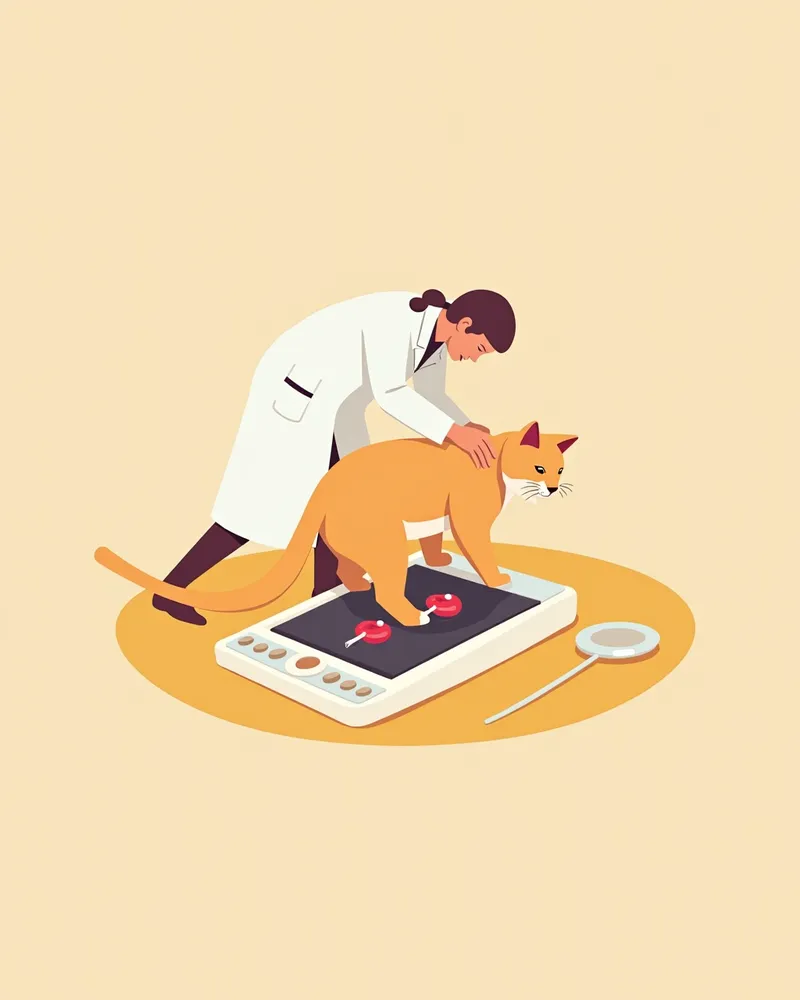
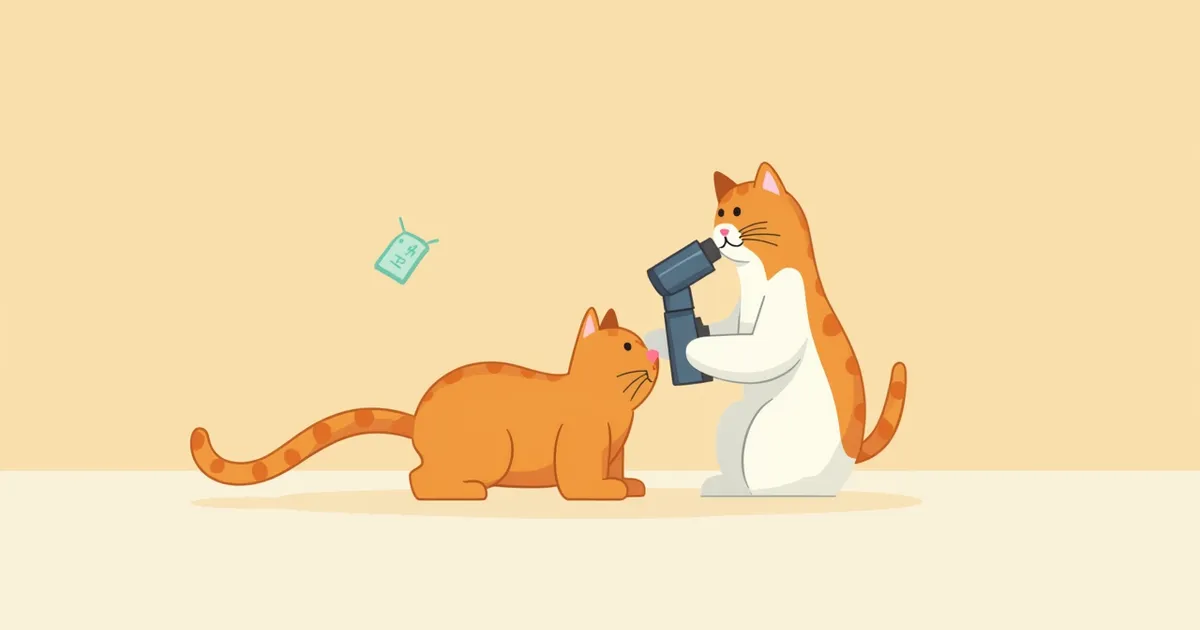
To accurately diagnose declining kidney function, blood tests are used to check creatinine and BUN (blood urea nitrogen) levels. Urinalysis evaluates urine concentration (specific gravity) and the presence of proteinuria. Ultrasound examination helps assess kidney size, structural abnormalities, and the presence of stones. In particular, when the kidneys become smaller and irregular in shape, this can be seen as a sign of chronic kidney disease. For early diagnosis, regular health checkups are recommended for senior cats. Depending on the veterinarian's judgment, additional tests such as urine culture may be necessary. Early detection greatly improves treatment outcomes.
고양이 신장을 초음파로 검사하는 수의사의 모습

Comparison Table of Feline Kidney Supplement Types

ItemOmega-3 (EPA/DHA)GlucosamineVitamin EEffect
Main EffectInflammation control, helps slow progressionJoint protection, cartilage regenerationAntioxidant actionMaintaining kidney function and managing progression
Recommended TimingFrom the early stage of functional declineWhen joint problems occurDuring aging or oxidative stressDuring management of chronic kidney disease
Precautions for UseFollow the veterinarian's recommended dosageGastrointestinal discomfort with overdoseUse after consulting a veterinarianPossibility of drug interactions

Take all supplements after consulting a veterinarian. Overdosing can actually place a burden on the kidneys.

Treatment Is Progressively Conducted with Dietary Management, Medications, and Supplements
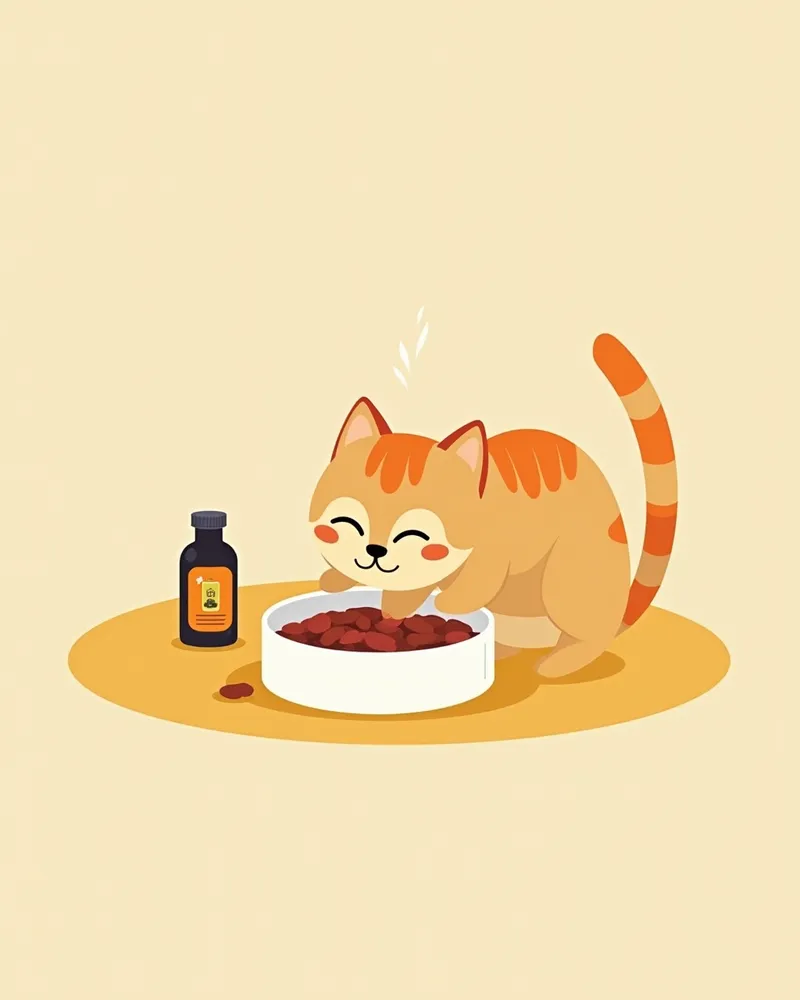
Treatment centers on a low-protein, low-phosphorus diet. To ensure adequate hydration, offer water frequently or incorporate jelly-based foods. Medications may include blood pressure regulators such as ACE inhibitors and ARBs, gastrointestinal protectants, anemia treatments, and intestinal phosphate binders. Omega-3 fatty acids, often included in renal prescription diets, can help slow the progression of kidney disease by modulating dietary lipids. Your veterinarian will tailor the management plan based on your pet’s weight and condition. This is not a short-term fix but requires long-term management. Maintaining sufficient hydration through water and fluid therapy is crucial for improving renal blood flow, tissue perfusion, and glomerular filtration rate, making regular follow-up examinations and adjustments essential.
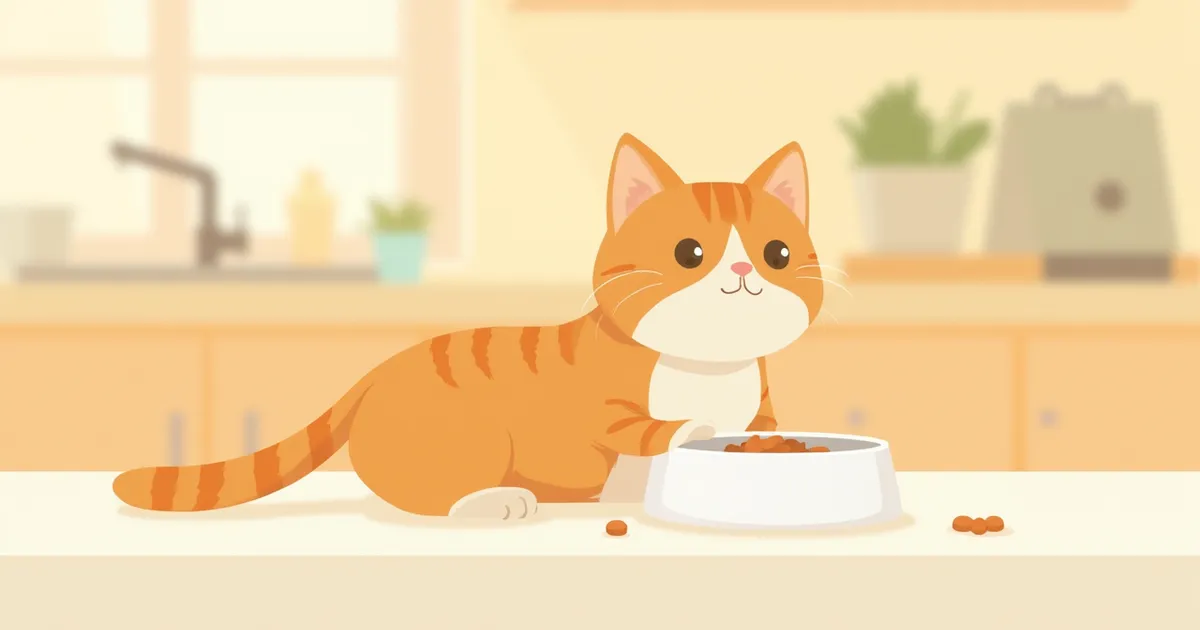
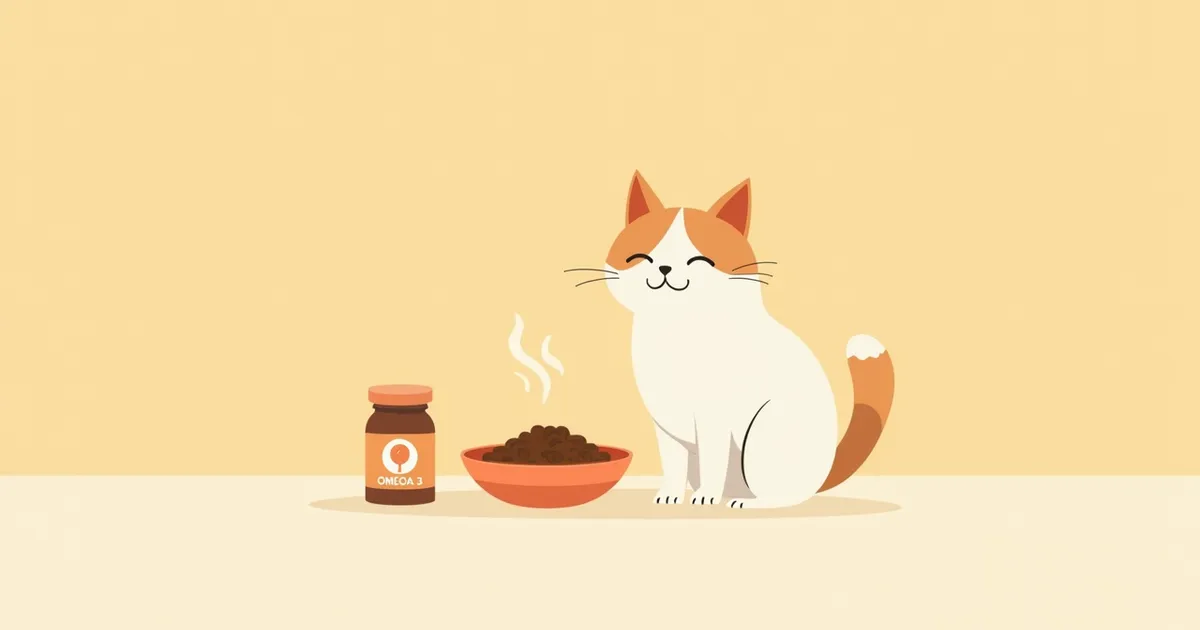
A cat eating kidney-supportive food alongside an omega-3 supplement.

Home Care Focuses on Hydration, Regular Meals, and Stress Reduction
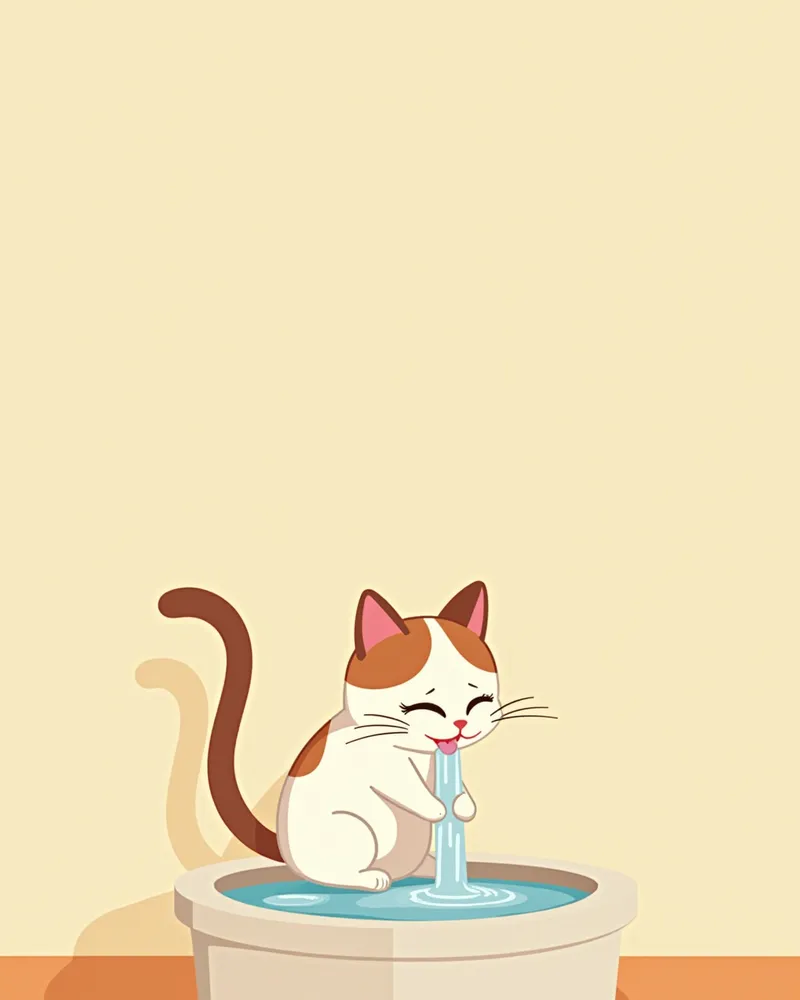
Make sure your cat drinks enough water every day. Placing multiple water bowls around the house or using a fountain-style automatic water dispenser can help. Feeding at regular times in a quiet environment is effective for reducing stress. It’s important to avoid changes in your cat’s daily routine and maintain a stable environment. Regular vet visits and check-ups are also essential. Consistent care at home plays a big role in slowing disease progression.
A cat drinking water from a stream-style automatic water dispenser

Kidney Disease Risk Varies by Cat Breed. Caution Is Required.

Some cats may be more susceptible to kidney disease due to genetic factors. Additionally, chronic kidney disease is common in older cats. For these cats, regular check-ups and early management are essential. Pet owners should understand their cat’s age and health status and focus on prevention.

Reviewed by a veterinarian

Dr. Tony — Punnawat Phongkittirak

Dr. Tony — Punnawat Phongkittirak

Veterinarian

A veterinarian who majored in veterinary medicine at Khon Kaen University, Thailand, and completed the IVSA program at North Carolina State University in the United States. Drawing on clinical experience at animal hospitals, he works in the pet healthcare field and is dedicated to building a digital care environment that connects pet parents with veterinarians.

Frequently Asked Questions

Can omega-3 supplements really help cats?
Omega-3 fatty acids are added to kidney prescription diets to help slow the progression of kidney disease by managing dietary lipids. It’s important to follow your veterinarian’s recommended method and dosage.
Will giving supplements fully restore kidney function?
Supplements can help slow disease progression and support nutritional management, but kidneys that are already damaged cannot return to their original state. Early intervention is the most important factor.
When should I start giving my pet an omega-3 supplement?
If kidney disease is suspected or diagnosed, your veterinarian will determine whether to start prescription diets and supplements. It’s best to consult with your vet before starting any treatment on your own.
Can giving supplements cause side effects?
While most pets tolerate it well, an overdose can cause diarrhea or gastrointestinal discomfort. Be sure to follow the dosage recommended by your veterinarian.
Which form of omega-3 supplement is best?
They come in various forms, such as liquids, capsules, and gels. It’s best to choose the one that suits your cat’s taste preferences and eating habits.

Share

Related Guides

References

[1] BSAVA Manual of Canine and Feline Dermatology, 4th Ed, 2023

[2] Clinical Medicine of the Dog and Cat, 4th Ed, 2022

[3] NRC (National Research Council). Nutrient Requirements of Cats, 2006

This information is based on veterinary literature and does not replace diagnosis or treatment. Please consult a veterinarian for specific health concerns.

Metapet Co., Ltd. | CEO: Park Sung-yong | Business Reg. No. 417-88-02562 | Seoul, South Korea | Customer Center

Feline Kidney Supplements: When to Use Omega-3 and How to Feed | Meongsiljang