
If Your Cat’s CKD Has Progressed — Key Palliative Care and Management to Preserve Quality of Life
Chronic kidney disease (CKD) in cats is a progressive condition that can diminish quality of life. With appropriate palliative treatment and management, symptoms can be alleviated and lifespan extended.
Feline CKD Is a Progressive Condition of Declining Kidney Function

Main Causes Include Age, Genetics, Diet, and Infection
Main Symptoms Include Excessive Drinking, Frequent Urination, and Weight Loss
Emergency Signs Requiring Immediate Veterinary Visit
If your cat suddenly loses its appetite entirely, experiences repeated vomiting, becomes lethargic or disoriented, or develops rapid breathing, seek veterinary care immediately. These symptoms may indicate severely compromised kidney function or advanced dehydration and uremia. As the accumulation of uremic toxins can worsen vomiting and loss of appetite, prompt evaluation and treatment by a veterinarian are essential.
Diagnosis Is Confirmed Through Blood Tests, Urinalysis, and Ultrasound
Treatment Proceeds Stage by Stage with Dietary Management, Medication, and Fluid Therapy

Home Management Centers on Diet, Hydration, and Environmental Control
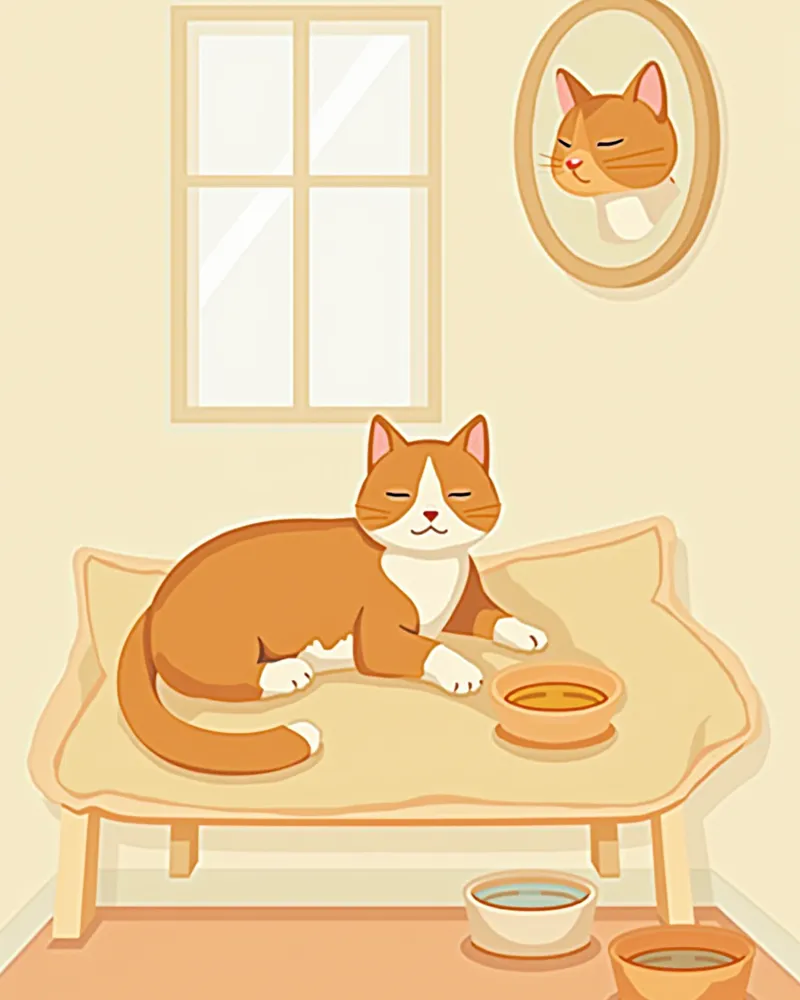
Risk Varies by Cat Breed. Caution Is Advised.
Certain breeds, such as Persians, are genetically predisposed to developing kidney cysts that can progress to chronic kidney disease (CKD) as they reach maturity. Other breeds have also been reported to have hereditary or familial kidney diseases. However, there is limited evidence to definitively quantify the incidence rates in specific breeds like Russian Blues and Maine Coons. It is important to check breed-specific traits and genetic disease information before adoption, and to ensure regular veterinary check-ups as your cat ages.
Reviewed by a veterinarian

Dr. Tony — Punnawat Phongkittirak
VeterinarianA veterinarian who majored in veterinary medicine at Khon Kaen University, Thailand, and completed the IVSA program at North Carolina State University in the United States. Drawing on clinical experience at animal hospitals, he works in the pet healthcare field and is dedicated to building a digital care environment that connects pet parents with veterinarians.
Reviewed 2026-06-05
Frequently Asked Questions
Can feline chronic kidney disease (CKD) be cured?
Can dietary management alone be effective?
Can I just switch my pet’s food without consulting a veterinarian?
My cat isn’t eating its food. What should I do?
Should cats with chronic kidney disease go for walks?
Share
Related Guides
Top 5 Prescription Diets for Cats with Chronic Kidney Disease — Stage-Specific Protein Adjustment

7 Emergency Signs and Causes of Acute Kidney Failure in Dogs You Must Not Miss
Top 5 Cat Kidney Supplements Recommended for 2026
Complete Guide to Feline Insulin Injections and Dosage — Including Critical Hypoglycemia Warning Signs
Cat Suddenly Trembling and Having Seizures — Warning Signs of Hypocalcemia and Emergency Response

If Your Cat Is Eating a Lot but Losing Weight — Causes and Treatment Timing for Hyperthyroidism

Cats with Decreased Appetite but Weight Loss — Causes and Treatment Timing for Hyperthyroidism

If Your Cat Suddenly Loses Vision — Causes, Diagnosis, and Treatment of Feline Endocrine Hypertension

Sudden Weight Gain and Hair Loss in Cats — Causes and Treatment Timing for Ectopic ACTH Syndrome
If Your Dog Trembles at the Sight of the Vet — Causes of Fear and Desensitization Training Tips
References
[1] The Cat, Clinical Medicine and Management, 2nd Edition. Elsevier, 2023.
[2] Applied Veterinary Clinical Nutrition, 2nd Ed. Wiley-Blackwell, 2021.
[3] Small Animal Critical Care Medicine, 3rd Ed. Elsevier, 2022.