Like
Share
멍실장
고양이 고혈압과 신장 질환 증상과 원인, 진단·치료와 관리 포인트 총정리

If Your Cat’s Blood Pressure Is Dangerous — Symptoms, Causes, and Treatment Timing for Hypertension Damaging the Kidneys

KidneyDiseasesMeongsiljang Veterinary Advisory Board

Hypertension and kidney disease are common conditions in senior cats, and early detection and management can significantly improve survival rates. Symptoms can be subtle, so careful observation is essential.

What Are Feline Hypertension and Kidney Disease?
A veterinarian examining a cat
Feline hypertension and kidney disease are often diagnosed together in older cats, as chronic kidney disease and high blood pressure can influence and worsen each other. When kidney function declines, changes occur in the body’s systems that regulate fluid, electrolytes, and blood pressure, which can lead to hypertension. Conversely, persistent high blood pressure can further damage the kidneys. In the early stages, symptoms are often subtle or absent, making it easy for pet owners to overlook the condition. However, early detection, followed by consistent treatment and management, can significantly extend a cat’s lifespan and help maintain its quality of life. The risk increases notably in cats aged nine years and older, so regular veterinary check-ups are essential for early detection.

What Are the Main Causes?

Unlike humans, cats rarely develop high blood pressure without an underlying cause; it is most often secondary to another medical condition. The two most common culprits are chronic kidney disease and hyperthyroidism. - Chronic Kidney Disease: As kidney function declines, the body’s ability to regulate fluids, electrolytes, and blood pressure (via systems like RAAS) is disrupted, which can lead to hypertension. - Hyperthyroidism: This common endocrine disorder in older cats is frequently associated with high blood pressure. - Impact of Hypertension: Persistent high blood pressure damages the blood vessels in the kidneys, accelerating the decline in kidney function. - Aging: The risk of both kidney disease and hypertension increases as cats get older. - Stress: Stress can also cause temporary spikes in blood pressure. Because hypertension and kidney disease are closely linked in a cycle of cause and effect, it is important to check for one condition whenever the other is diagnosed.
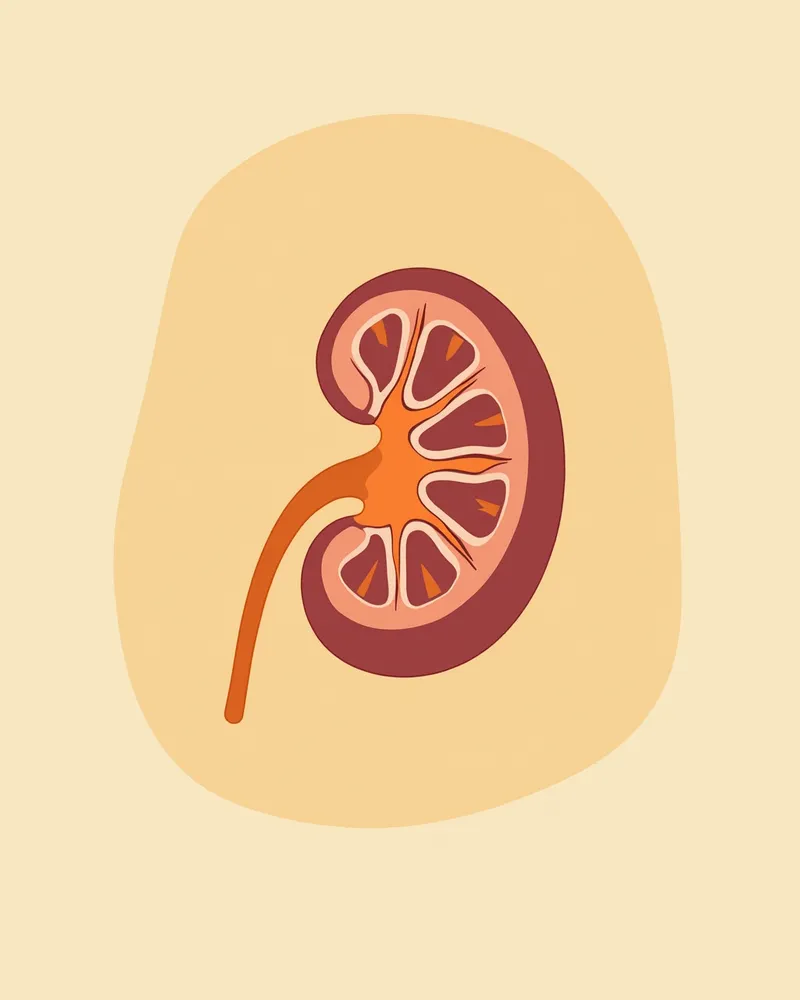
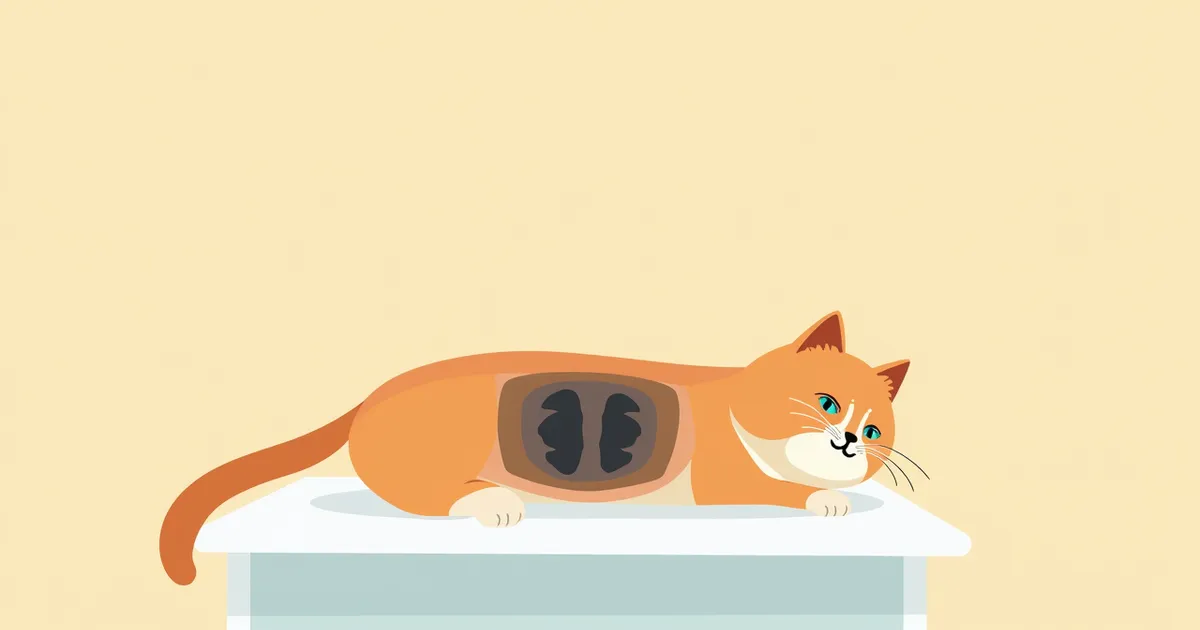
Anatomy of a cat’s kidney damaged by hypertension

What Are the Main Symptoms and Signs?
Because the signs of feline hypertension and kidney disease often develop subtly, close observation is essential. Here are some common warning signs that pet owners frequently overlook:
Excessive thirst: A sudden increase in water consumption.
Frequent urination: More frequent trips to the litter box or an increased volume of urine.
Weight loss: Reduced appetite or muscle wasting leading to rapid weight loss.
Lethargy: Spending most of the day in one spot with minimal movement.
Vomiting: Frequent vomiting due to declining gastrointestinal function.
Vision impairment: Retinal hemorrhage caused by high blood pressure may result in excessive blinking or disorientation.
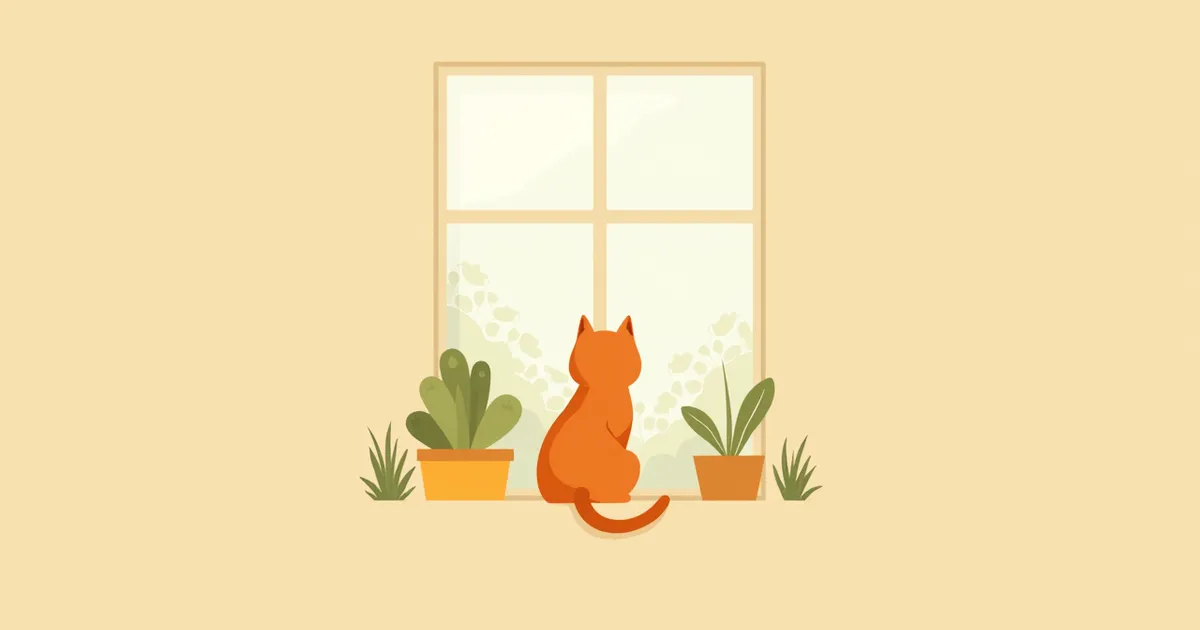
A cat that has lost its sense of direction due to vision impairment

Signs Requiring Immediate Veterinary Visit

If your cat suddenly experiences blurred vision or you notice bleeding in the eyes, seek veterinary care immediately. These symptoms may indicate retinal detachment or ocular hemorrhage, conditions that require prompt treatment to ensure survival. Additionally, severe vomiting, blood in the urine, or decreased consciousness are signs of a medical emergency requiring immediate veterinary attention.

What Are the Accurate Diagnostic Methods?
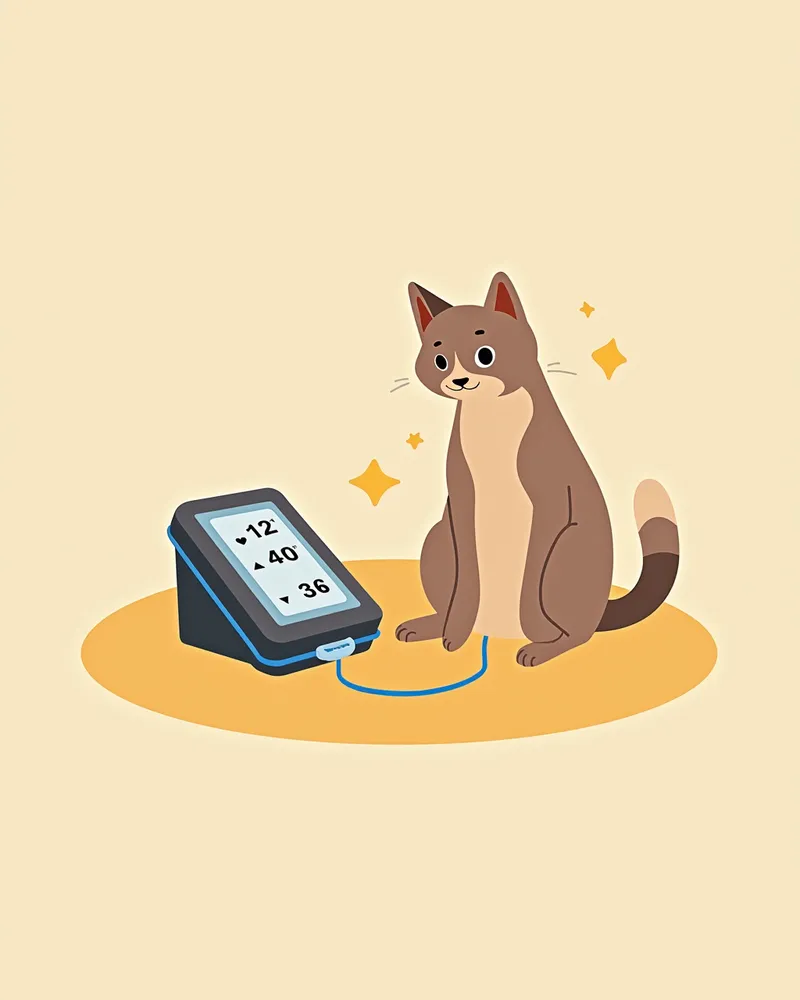
To accurately diagnose hypertension and kidney disease in cats, multiple tests are typically performed together. Blood pressure measurement is the most fundamental test, with veterinarians using specialized equipment to measure systolic blood pressure. Cats are generally considered hypertensive if their systolic blood pressure exceeds 160 mmHg, which significantly increases the risk of damage to target organs such as the eyes and kidneys. Blood and urine tests are essential for assessing kidney function, evaluating levels of creatinine, SDMA, and BUN, as well as checking for proteinuria (urine protein-to-creatinine ratio). If necessary, an ultrasound may be used to examine the size and structure of the kidneys. Additionally, if either hypertension or kidney disease is confirmed, it is important to test for the presence of the other condition as well. Regular check-ups for senior cats, including physical exams and blood pressure, blood, and urine tests, can help with early detection.
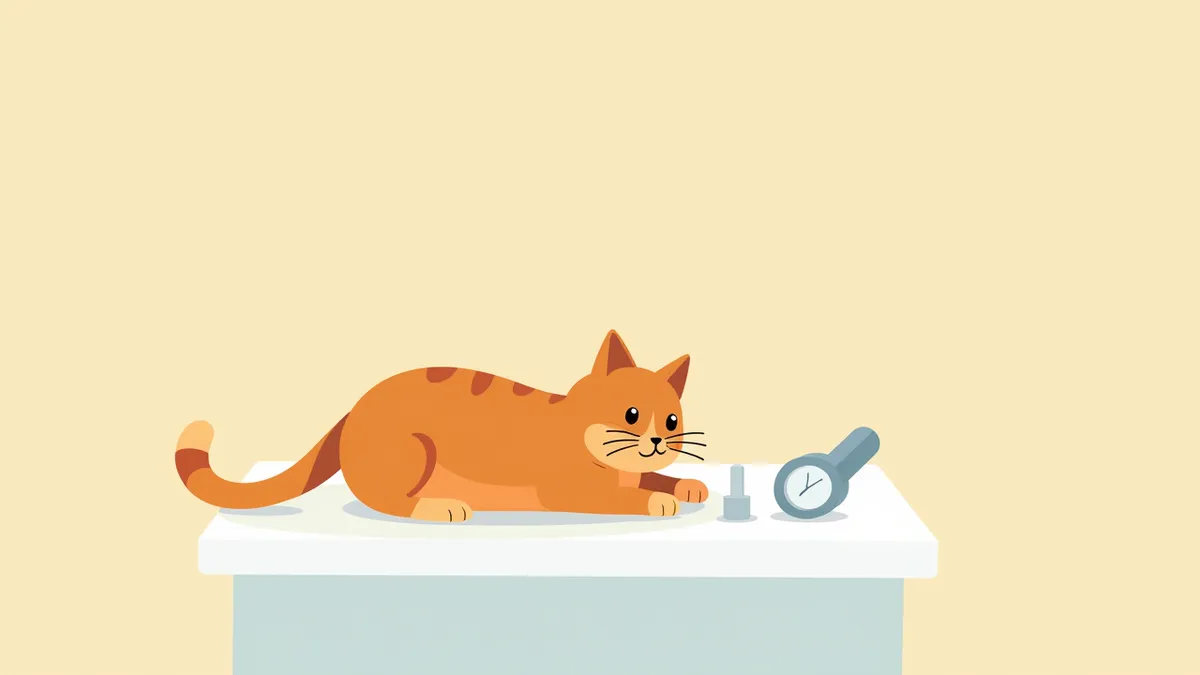
A veterinarian measuring a cat's blood pressure

Treatment Methods and Step-by-Step Management
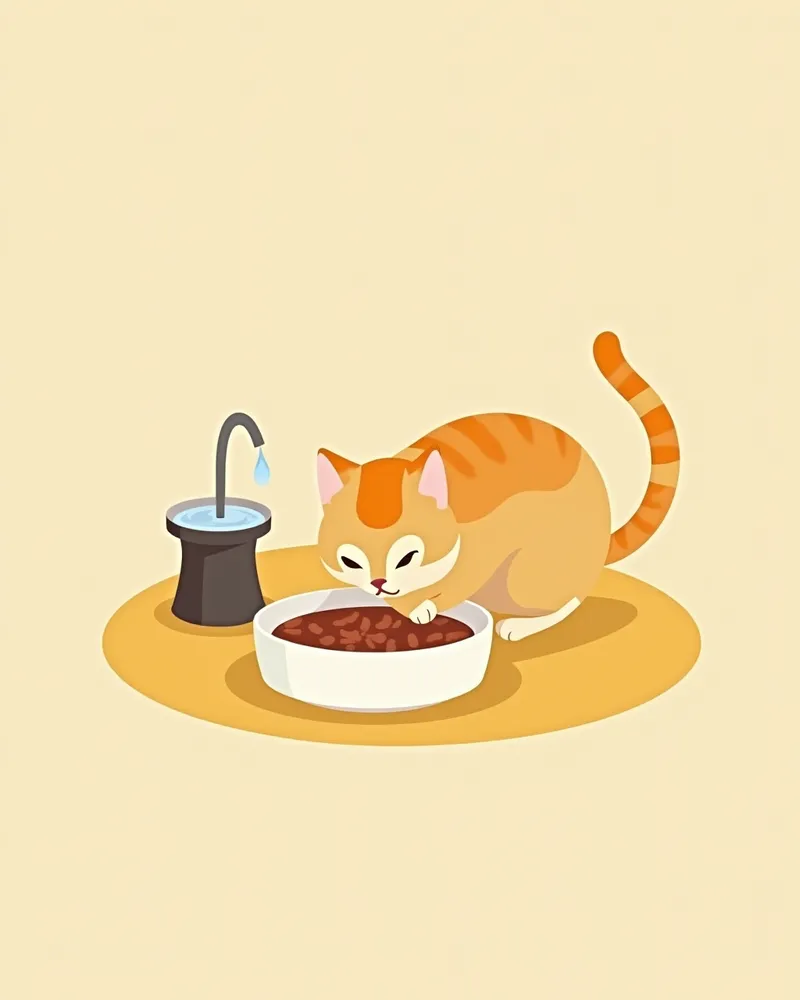
Treatment depends on the underlying cause. Hypertension is managed with antihypertensive medications, while kidney disease requires concurrent dietary management. The first step is administering blood pressure-lowering drugs; it is crucial to consistently maintain systolic blood pressure within the target range (typically below 180 mmHg) to prevent damage to target organs. The second step is switching to a prescription renal diet to reduce the burden on the kidneys. The third step is increasing water intake by feeding primarily wet food, such as canned food. The fourth step is monitoring blood pressure, blood values, body weight, and muscle mass through regular recheck examinations. The veterinarian will adjust medications and diet based on test results and changes in body weight, while also treating any concurrent underlying conditions.
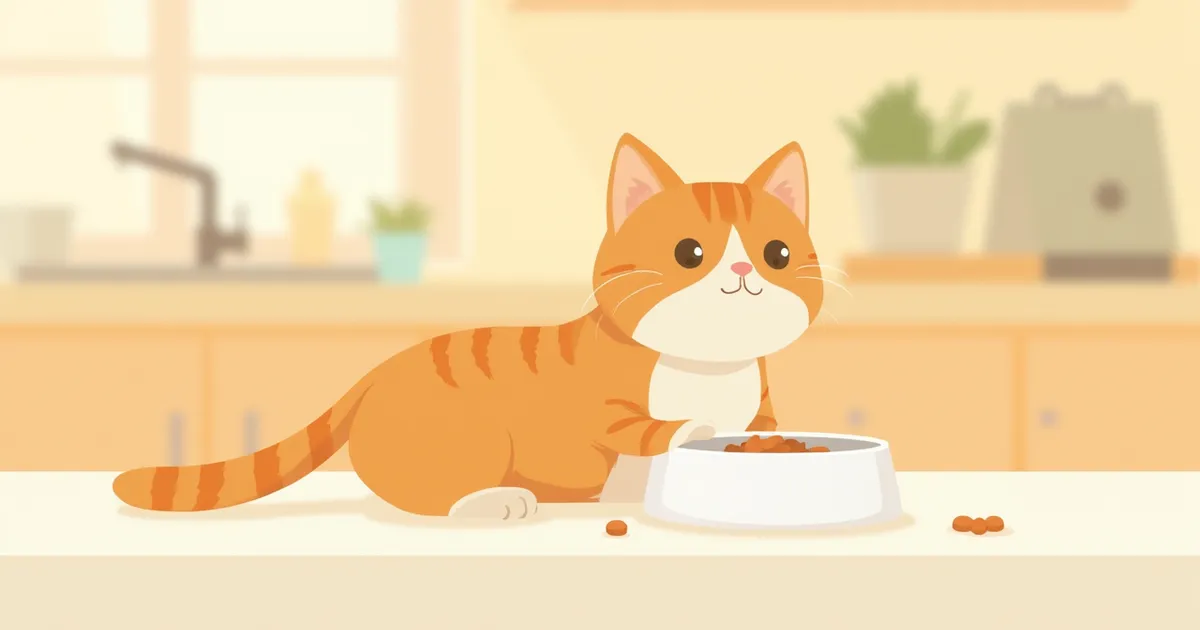
A cat eating canned food and drinking water

Home Care Points

Consistent home care is key to managing feline hypertension and kidney disease. Here are the essential guidelines for pet owners to follow:
Regular Medication: Administer blood pressure medication at the prescribed times without missing any doses.
Hydration: Offer wet food and frequently refresh the water to keep it clean and appealing.
Stable Environment: Since stress can elevate blood pressure, provide a quiet and secure space for your cat.
Dietary Management: Transition to the renal prescription diet recommended by your veterinarian and limit treats.
Monitoring: Regularly observe your cat for changes in appetite, weight, or water intake, as well as any sudden vision abnormalities.
Routine Check-ups: Maintain regular veterinary visits for blood pressure monitoring and blood and urine tests.
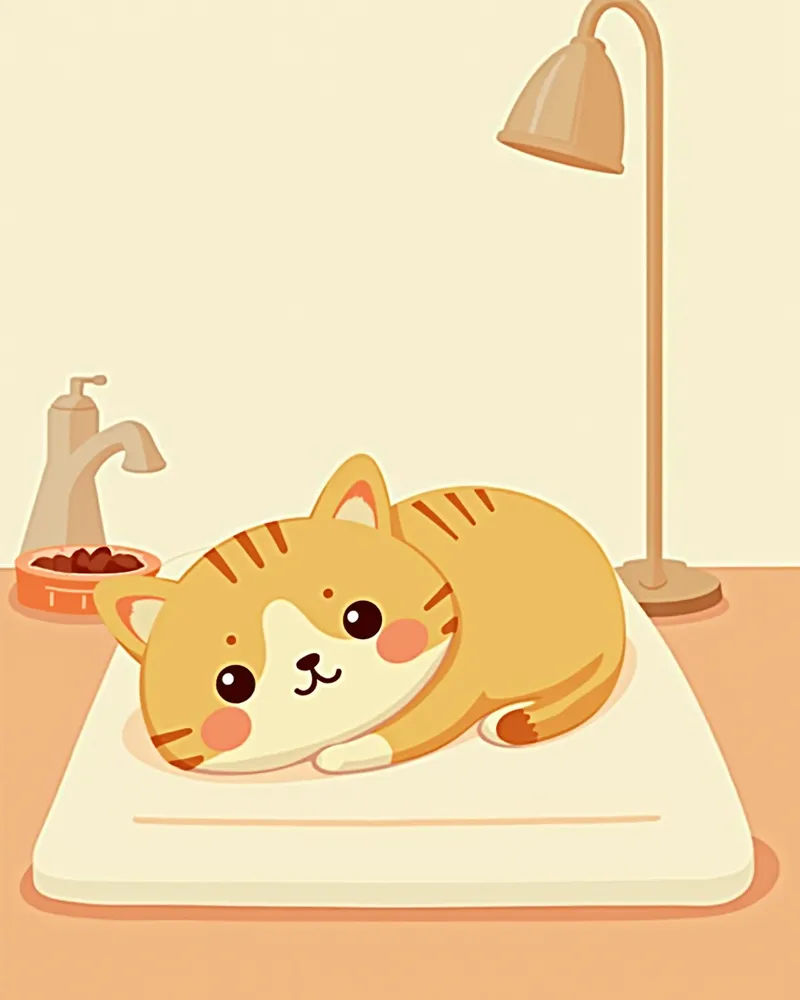
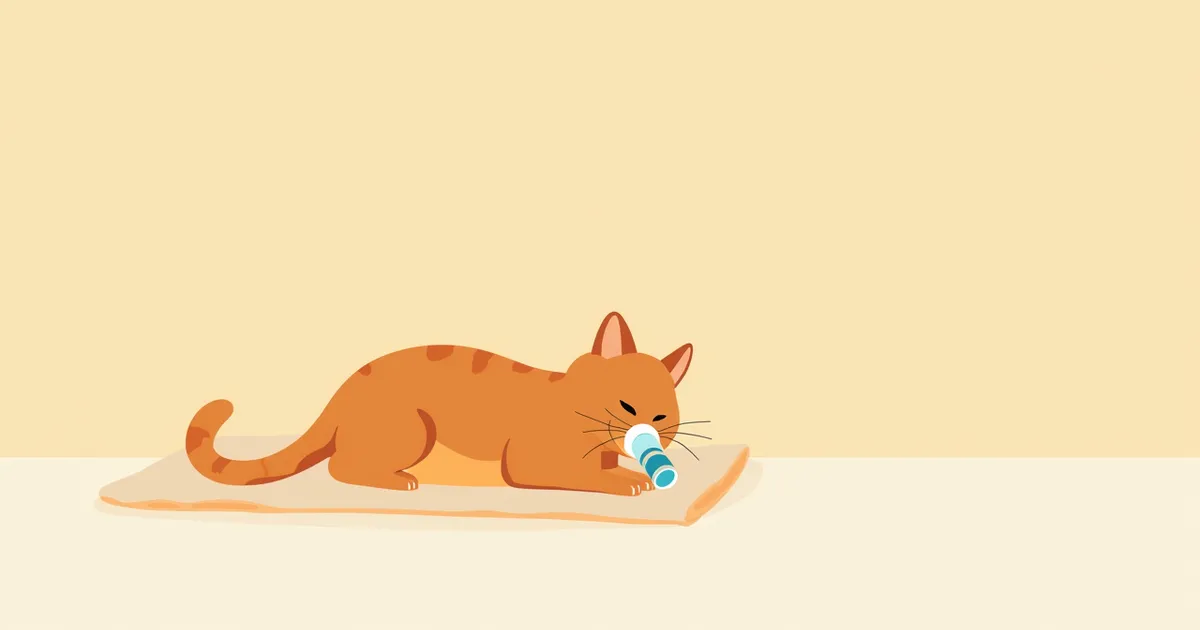
A cat resting comfortably in a quiet environment

Conditions to Watch for in Senior Cats

Senior cats are at higher risk for hypertension and kidney disease. In cats, high blood pressure is rarely due to breed-specific genetics; instead, it most often occurs secondary to underlying conditions such as chronic kidney disease or hyperthyroidism. Therefore, senior cats with these underlying conditions require extra vigilance. Early detection is possible through regular physical exams and blood pressure, blood, and urine tests, so it’s important to work with your veterinarian to develop a management plan.

Reviewed by a veterinarian

Dr. Tony — Punnawat Phongkittirak

Dr. Tony — Punnawat Phongkittirak

Veterinarian

A veterinarian who majored in veterinary medicine at Khon Kaen University, Thailand, and completed the IVSA program at North Carolina State University in the United States. Drawing on clinical experience at animal hospitals, he works in the pet healthcare field and is dedicated to building a digital care environment that connects pet parents with veterinarians.

Frequently Asked Questions

My cat has high blood pressure. Is it okay to change its food?
Yes, switching to a renal prescription diet tailored for high blood pressure and kidney disease can be helpful. Please choose a food recommended by your veterinarian.
Can blood pressure be measured at home?
Blood pressure measurement requires specialized equipment, so it’s typically performed by a veterinarian at an animal hospital. Rather than attempting to measure it at home, it’s best to visit the clinic regularly for accurate readings.
What happens if you miss a dose of blood pressure medication?
Blood pressure may rise again. Since hypertension can damage target organs such as the eyes, kidneys, heart, and brain, it is essential to take your medication exactly as prescribed.
What should I do if my cat isn’t drinking enough water?
Consider feeding a diet that’s primarily wet food, such as canned meals, and keep your pet’s water fresh by changing it regularly or using a flowing-water fountain. If you’re unsure whether additional care is needed, it’s best to consult with your veterinarian.
Can this condition be cured?
While a complete cure may be difficult, early detection and consistent management can extend your pet's lifespan and maintain their quality of life.

Share

Related Guides

References

[1] Langston, C.E. et al. (2023) Small Animal Critical Care Medicine, 3rd Edition. Elsevier.

[2] The Cat, Clinical Medicine and Management, 2nd Edition (2022). Elsevier.

[3] Veterinary Workbook of Small Animal Clinical Cases (2021). Wiley-Blackwell.

This information is based on veterinary literature and does not replace diagnosis or treatment. Please consult a veterinarian for specific health concerns.

Metapet Co., Ltd. | CEO: Park Sung-yong | Business Reg. No. 417-88-02562 | Seoul, South Korea | Customer Center

Cat Blood Pressure Danger: Hypertension Harming the Kidneys | Meongsiljang