

If Your Cat’s Pupils Are Different Sizes — Causes of Anisocoria and Emergency Diagnosis Points
Abnormalities in a cat's pupils occur when one pupil differs from the other in size or reactivity, and can be caused by infections, trauma, or neurological disorders. Early detection and accurate diagnosis are essential.
What Are Abnormalities in a Cat’s Pupils (Anisocoria, etc.)?

What Are the Main Causes?
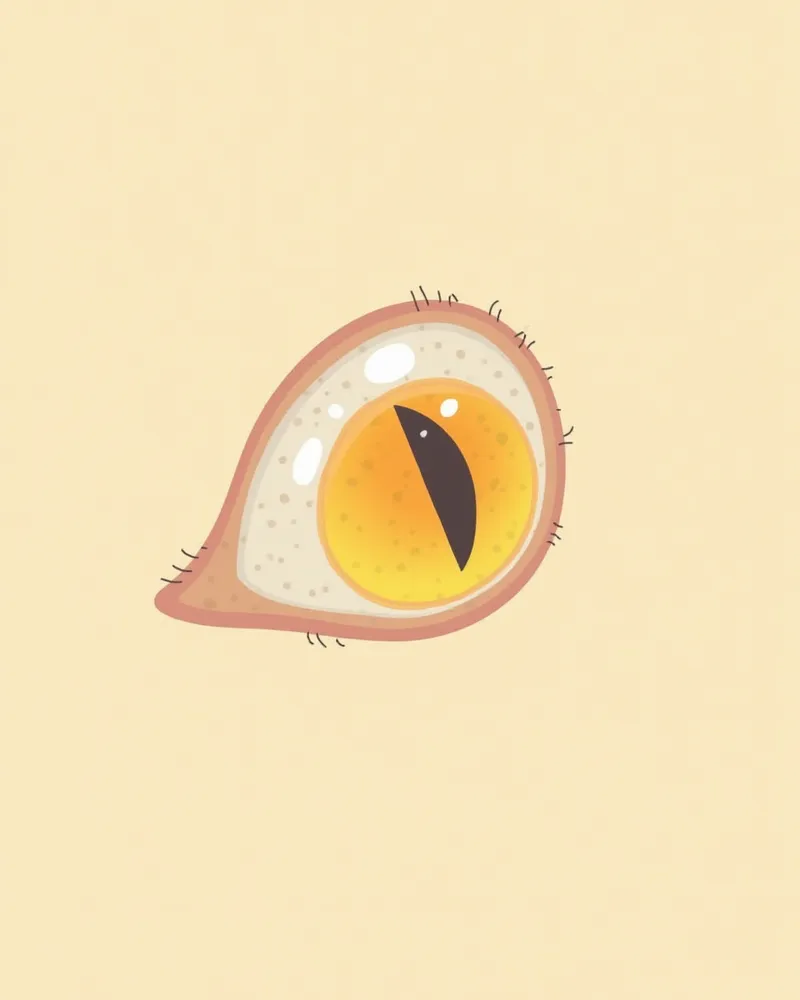
Main Symptoms and Signs

When Immediate Veterinary Care Is Necessary
If your pet suddenly develops abnormal pupils, or if this symptom appears alongside other signs such as paralysis, vomiting, or decreased consciousness, immediate veterinary care is necessary. These could be signs of a brain disorder or severe trauma, so do not delay seeking treatment.
Accurate Diagnostic Methods

Treatment Methods and Step-by-Step Management

Home Care and Management Points

Breed-Specific Precautions and Recurrence Prevention
Congenital and hereditary eye abnormalities have also been reported in cats, so if your cat experiences recurrent pupil abnormalities, it’s a good idea to consider genetic factors as well. However, there isn’t clear evidence to definitively say that certain breeds are more susceptible to pupil abnormalities, so it’s more important to focus on the recurring symptoms themselves rather than the breed. To prevent recurrence, regular ophthalmic examinations and thorough evaluation of the underlying cause are essential.
Reviewed by a veterinarian

Dr. Tony — Punnawat Phongkittirak
VeterinarianA veterinarian who majored in veterinary medicine at Khon Kaen University, Thailand, and completed the IVSA program at North Carolina State University in the United States. Drawing on clinical experience at animal hospitals, he works in the pet healthcare field and is dedicated to building a digital care environment that connects pet parents with veterinarians.
Reviewed 2026-06-03
Frequently Asked Questions
Can abnormal pupil dilation in cats be treated?
Is anisocoria always dangerous?
Can I check for abnormal pupil reactions at home?
Should I take my pet to the vet right away if I notice anisocoria?
Can abnormal pupil size in cats be genetic?
Share
Related Guides

Top 5 Dog Tear Supplements Recommended for 2026

What is Lutein? Effects on Dog Eye Health

The Best Canine Uveitis Management Products and Selection Criteria: A Comprehensive Guide

Why Your Cat Suddenly Bites — Causes and Behavior Modification for Play Aggression

If Your Cat Keeps Losing Hair — Causes of Excessive Grooming and Signs to See a Vet
Why Does My Cat Meow Every Dawn? — Signs of Suspected Cognitive Dysfunction and Management Points

If Your Senior Cat Cries Out Every Night — Causes and Management of Feline Cognitive Dysfunction

Why Is My Cat Meowing So Much? — Causes, Diagnosis, and Treatment Timing for Excessive Vocalization
Why Is My Cat Constantly Licking and Chewing? — Causes of Compulsive Behavior and When to See a Vet
Why Are My Cats Fighting? Causes of Same-Species Aggression and When to Visit the Vet
References
[1] The Cat, Clinical Medicine and Management, 2nd Edition. Elsevier, 2019.
[2] Feline Emergency and Critical Care Medicine, 2nd Ed. Wiley-Blackwell, 2020.
[3] Veterinary Ophthalmology, 5th Edition. Wiley-Blackwell, 2021.