
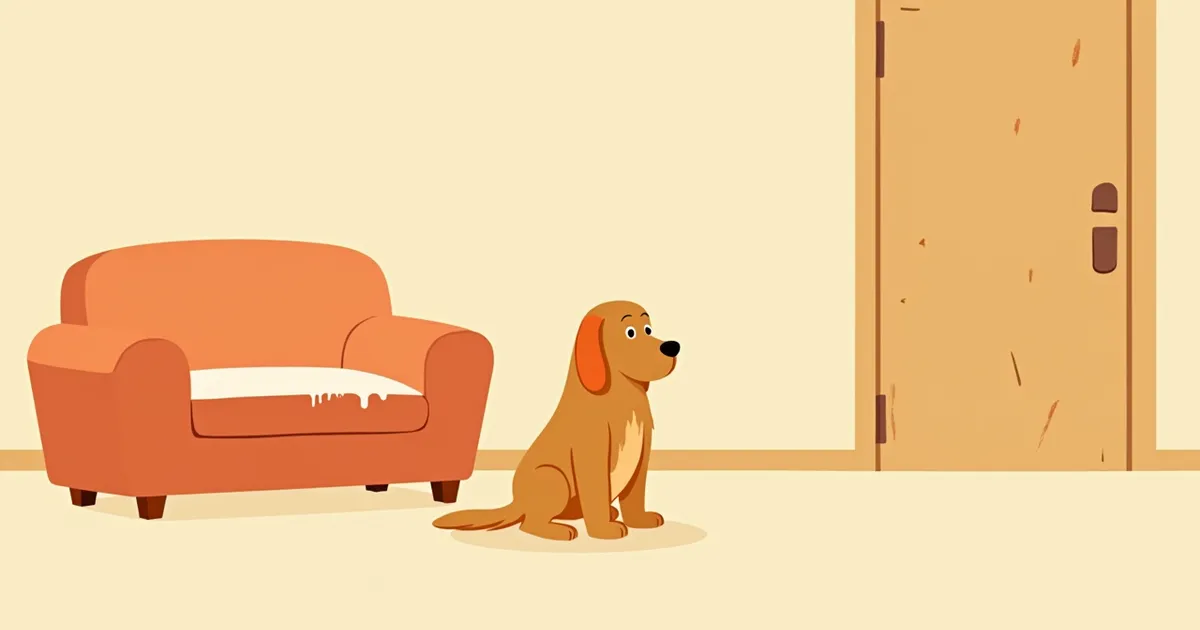
My Dog Destroys Everything When Left Alone — Causes of Separation Anxiety and When to See a Vet
We’ve compiled a comprehensive, veterinary-behavior-based overview of separation-related behavioral disorders in dogs—such as repeatedly chewing or scratching furniture and doors when left alone—covering symptoms, causes, diagnosis, treatment, and home care.
What Is Destructive Behavior in Dogs When Left Alone?
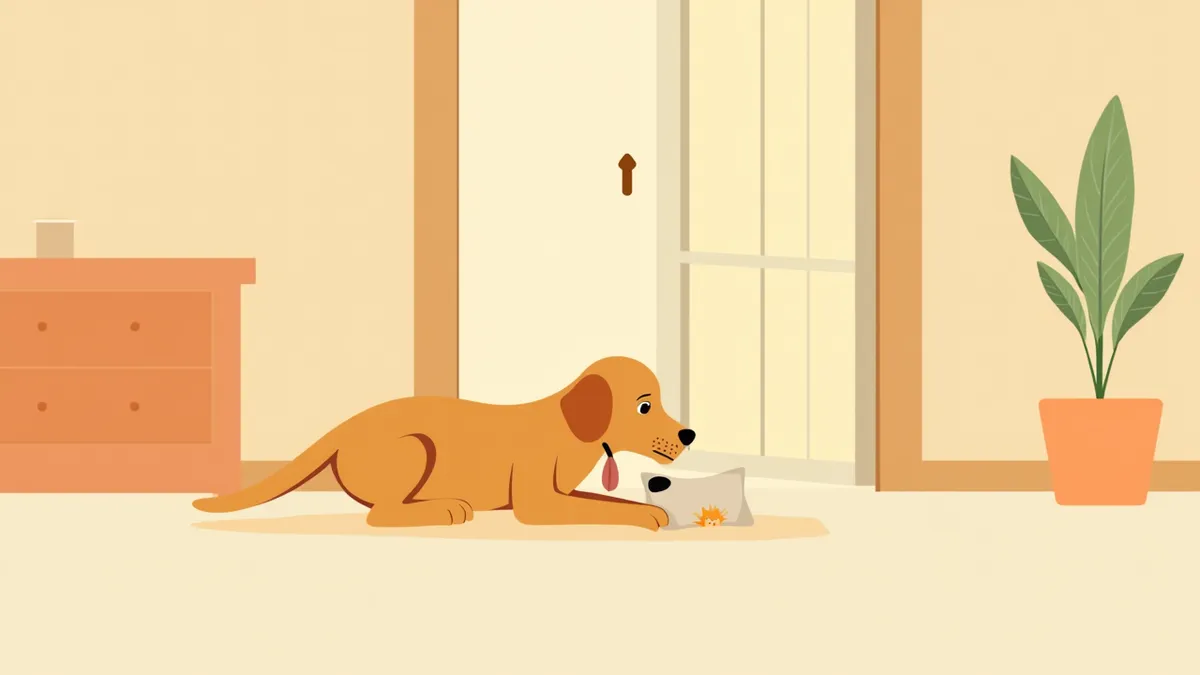
Why Do They Do This? — 3 Main Causes
Checklist of Main Symptoms of Destructive Behavior When Separated
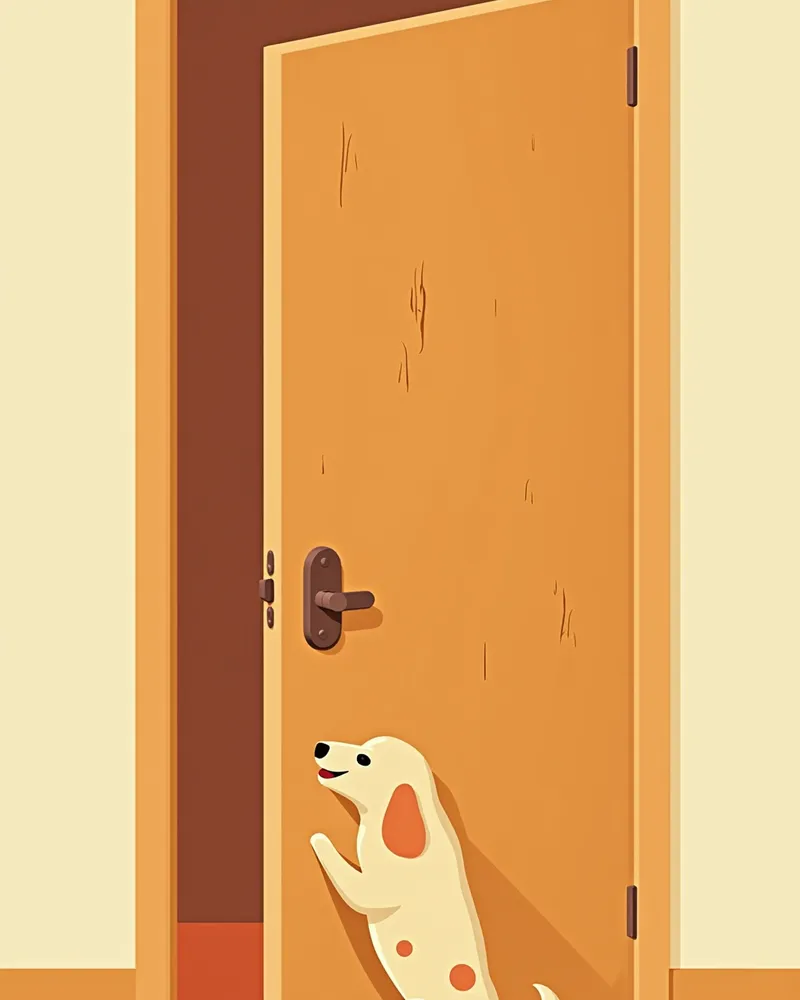
See a Veterinary Behavior Specialist Immediately in These Cases
If your pet exhibits self-harming behaviors such as skin damage on the paws or body, along with destructive actions or aggression, these issues may be difficult to resolve through standard training alone. Additionally, if your pet shows fear toward multiple stimuli, displays anxiety in various situations, or fails to respond well to consistent behavior modification, professional assistance is necessary. In severe cases, veterinarians may prescribe medication from the initial assessment stage, so it is essential to consult with a veterinary behavior specialist.
How Is It Diagnosed?
Treatment Methods — From Behavior Modification to Medication
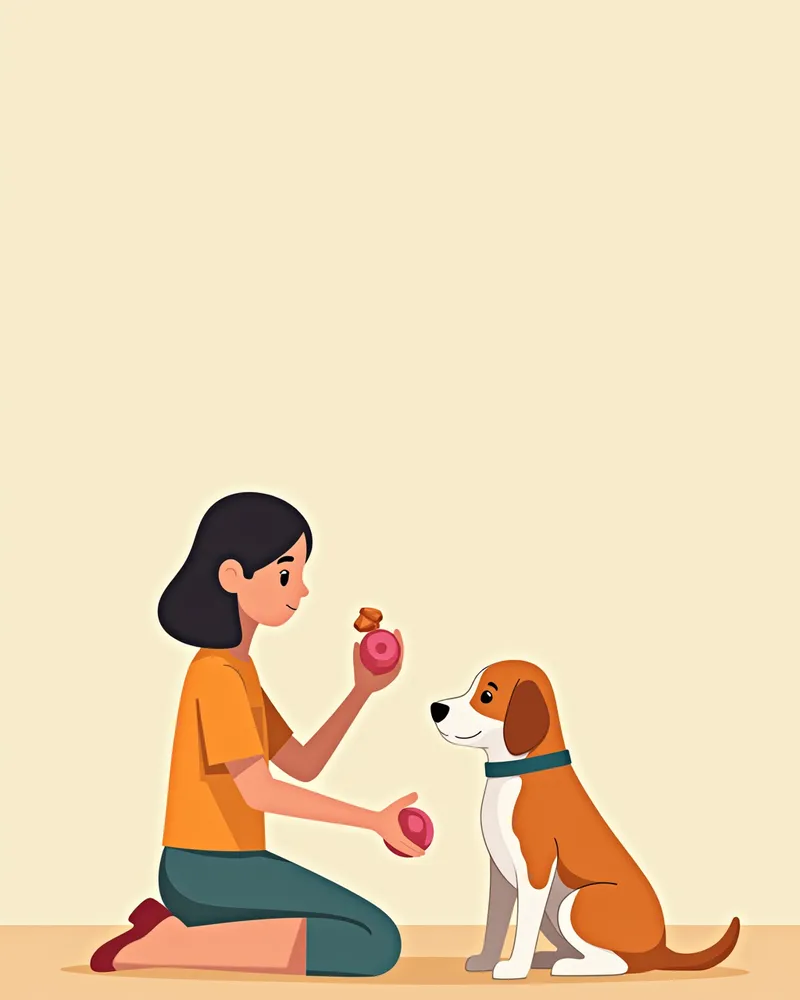
Management Tips You Can Practice at Home
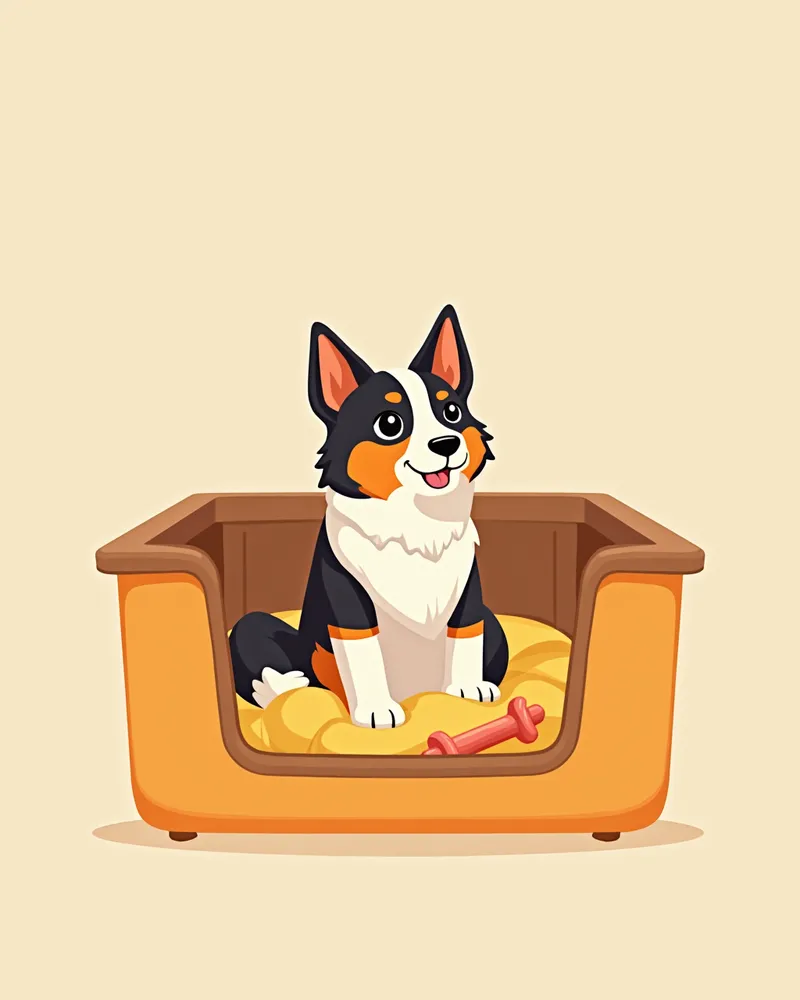
Punishment Is Strictly Prohibited
Never scold or physically punish your dog when you discover destructive behavior. Dogs cannot connect a punishment with an action that occurred earlier. Instead, they may become afraid of your return, which can worsen their anxiety. Training should always be conducted using positive reinforcement methods, such as praise and treats.
Reviewed by a veterinarian

Dr. Tony — Punnawat Phongkittirak
VeterinarianA veterinarian who majored in veterinary medicine at Khon Kaen University, Thailand, and completed the IVSA program at North Carolina State University in the United States. Drawing on clinical experience at animal hospitals, he works in the pet healthcare field and is dedicated to building a digital care environment that connects pet parents with veterinarians.
Reviewed 2026-06-01
Frequently Asked Questions
If destructive behavior only occurs when the pet is left alone, does that automatically mean it’s separation anxiety?
Will destructive behavior improve if I adopt a second dog?
Does medication need to be continued for life?
Won't putting them in a kennel prevent destructive behavior?
How long does it take to see results after starting training?
Share
Related Guides
7 Behavioral Enrichment Strategies for Mental Stimulation Recommended by Veterinarians

Top 5 Calming Supplements for Dogs and Cats in 2026

L-Theanine Effects and Calming Support
If Your Dog Swallowed a Coin — Zinc Poisoning Symptoms, Dangerous Ingestion Levels, and Prevention

Cat Keeps Vomiting and Is Lethargic — Lead Poisoning Warning Signs and Treatment Timing
If Your Dog Ingested Ibuprofen — Poisoning Symptoms, First Aid, and Dangerous Dosages
When Your Dog Eats Macadamia Nuts — From Poisoning Warning Signs to Emergency Response and Prevention

Why Avocado Is Dangerous for Cats — Poisoning Symptoms and Emergency Response Timing
If Your Dog Ate Avocado — From Poisoning Symptoms to Emergency Treatment and Prevention

If Your Dog Ate Onions or Garlic — Anemia Symptoms, Emergency Care, and Dangerous Intake Levels
References
[1] Bowen J., Separation problems in the dog, in: Hotston Moore A. & Rudd S. (eds.), 100 Top Consultations in Small Animal General Practice, Wiley-Blackwell, 2011
[2] Horwitz D. & Mills D. (eds.), BSAVA Manual of Canine and Feline Behavioural Medicine, 2nd Ed., British Small Animal Veterinary Association, 2009
[3] De Assis L.S. et al., Developing Diagnostic Frameworks in Veterinary Behavioral Medicine: Disambiguating Separation Related Problems in Dogs, Frontiers in Veterinary Science, 2020
[4] Lund J.D. & Jørgensen M.C., Behaviour patterns and time course of activity in dogs with separation problems, Applied Animal Behaviour Science, 63(3), 1999
[5] Overall K.L., Manual of Clinical Behavioral Medicine for Dogs and Cats, Elsevier Mosby, 2013