Like
Share
멍실장
강아지 분변 식이(식분증) 증상과 원인, 진단·치료와 관리 포인트 총정리

Why Does My Dog Eat Poop? — Causes, Diagnosis, and Treatment Timing for Coprophagia

Brain & CognitionDiseasesMeongsiljang Veterinary Advisory Board

We’ve put together a comprehensive guide on coprophagia in dogs—covering causes, symptoms, veterinary diagnosis, treatment, and home care tips.

What Is Coprophagia in Dogs?
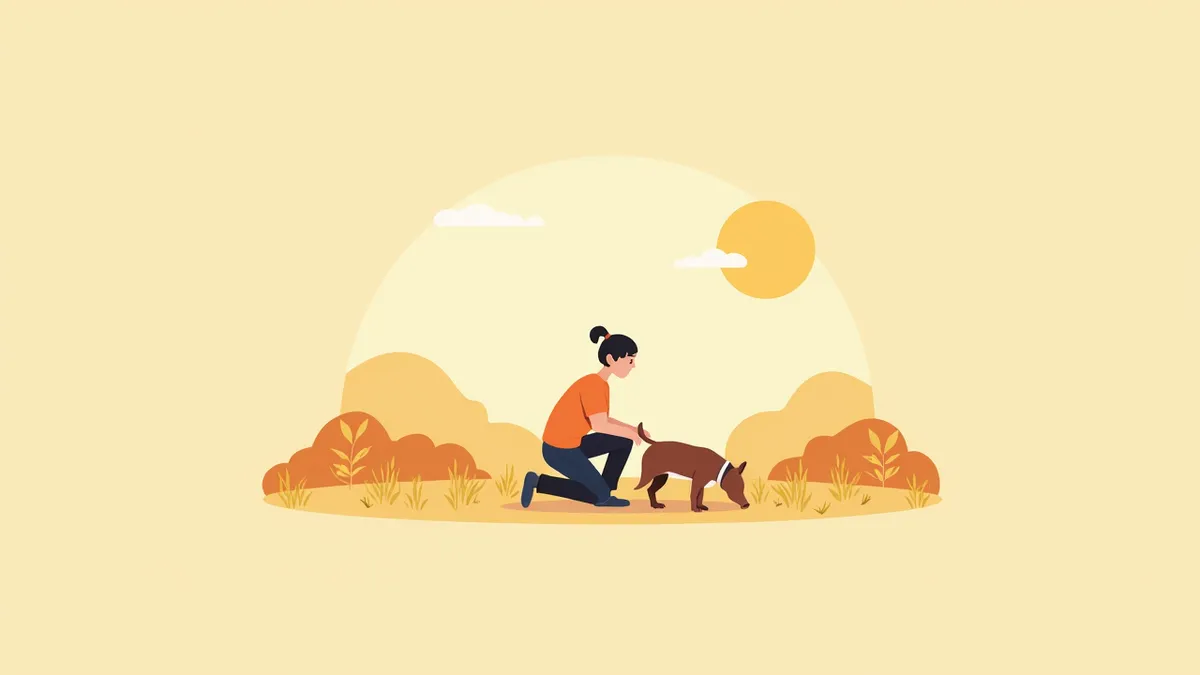
A worried pet owner crouching beside their dog in the park
Coprophagia, or the consumption of feces, is a behavior in which a dog eats its own or another animal’s stool. In puppies, this is often a natural part of environmental exploration and can even help establish a healthy gut microbiome. However, if the behavior persists or becomes frequent in adult dogs, it may be linked to medical issues such as gastrointestinal disorders, malabsorption, or endocrine diseases, as well as behavioral or environmental factors. The most important step is identifying the underlying cause, since the approach to management varies significantly depending on the root issue. If the behavior is recurring, a veterinary examination is essential to rule out any underlying medical conditions.

Main Causes of Coprophagia

The causes of coprophagia can be broadly categorized into medical, behavioral, and environmental factors.
Exocrine pancreatic insufficiency: When digestive enzymes are lacking, nutrients remain undigested in the stool, prompting the dog to eat it again.
Parasites and endocrine disorders: Intestinal parasites, diabetes, and Cushing’s disease can stimulate abnormal appetite.
Behavior and instinct: Causes may include a mother dog’s instinct to clean up her puppies’ feces, attention-seeking behavior, or an attempt to hide evidence after being scolded.
Environmental stress: Dogs are more prone to developing these abnormal behaviors when confined to small spaces, bored, or left alone for extended periods.

Coprophagia Symptom Checklist

If your dog exhibits several of the following signs alongside coprophagia, it may indicate an underlying medical condition:
Attempts to consume feces: Chasing or lunging at feces during walks or indoors.
Changes in breath odor: A temporary foul smell may be noticeable in the mouth immediately after consuming feces.
Recurrent vomiting or diarrhea: Gastrointestinal issues, such as small intestinal bacterial overgrowth (SIBO), can cause chronic or intermittent vomiting and diarrhea alongside coprophagia.
Soft stools or frequent defecation: Digestive or malabsorption problems can result in soft stools (ranging from loose to watery) and an increased frequency of bowel movements.
Weight loss or growth retardation: If gastrointestinal disease is present, you may notice weight loss or delayed growth in young dogs.
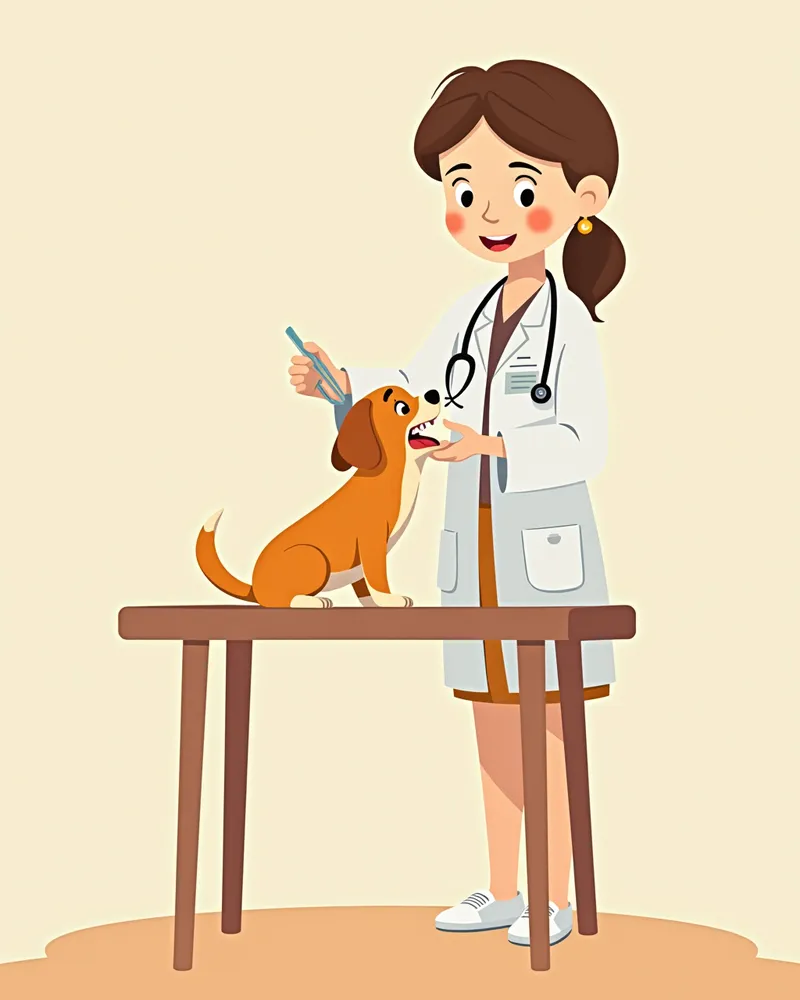
A veterinarian examining a dog’s mouth at an animal hospital

Visit the Vet Immediately If These Symptoms Are Present

If any of the following apply, an underlying medical condition is likely the cause. Please visit a veterinary clinic immediately. • Noticeable weight loss over a short period • Chronic diarrhea or vomiting lasting more than a week • A sudden, extreme increase in appetite, or a complete loss of appetite • A visibly distended abdomen • Lethargy or weakness

Veterinary Diagnostic Methods

Diagnosing coprophagia begins with a thorough behavioral history. It’s helpful to keep a record of when the behavior started, how often it occurs, and the specific circumstances under which it happens.
Fecal examination: First, we check for parasitic infections.
Blood tests: We diagnose exocrine pancreatic insufficiency by measuring trypsin-like immunoreactivity levels in the serum.
Hormone tests: We rule out endocrine disorders such as Cushing’s disease and diabetes.
Behavioral assessment: We evaluate potential stressors, the living environment, and the relationship between the pet and its owner.

Treatment for Coprophagia

Since treatment varies depending on the underlying cause, the key is to first review the diagnostic results.
Treating underlying conditions: For exocrine pancreatic insufficiency, pancreatic enzyme supplements are given with every meal. Parasites are treated with deworming medication.
Environmental management: The most effective approach is to remove feces immediately after elimination to completely eliminate the opportunity for ingestion.
Use of aversive agents: This involves adding products with aversive ingredients to the feces, though effectiveness can vary from pet to pet.
Nutritional supplementation: Supplementing with digestive enzymes, probiotics, and vitamin B may be helpful.
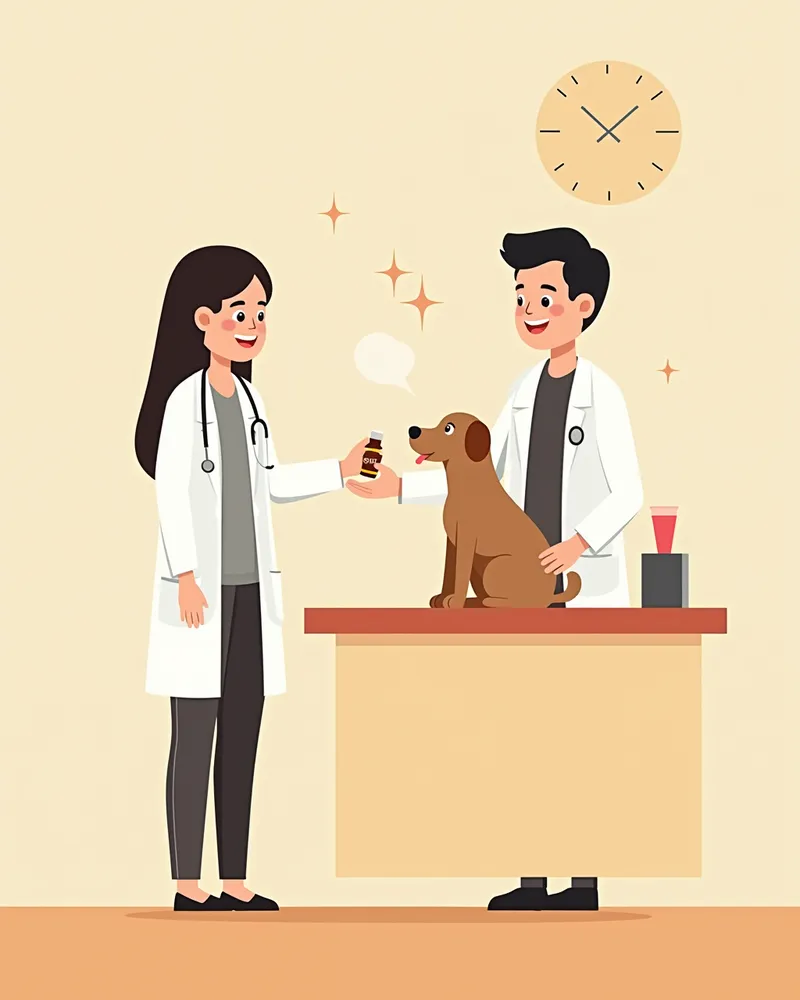
A scene at an animal hospital where a veterinarian is advising a pet owner about supplements.

Home Care Tips You Can Use Right Away
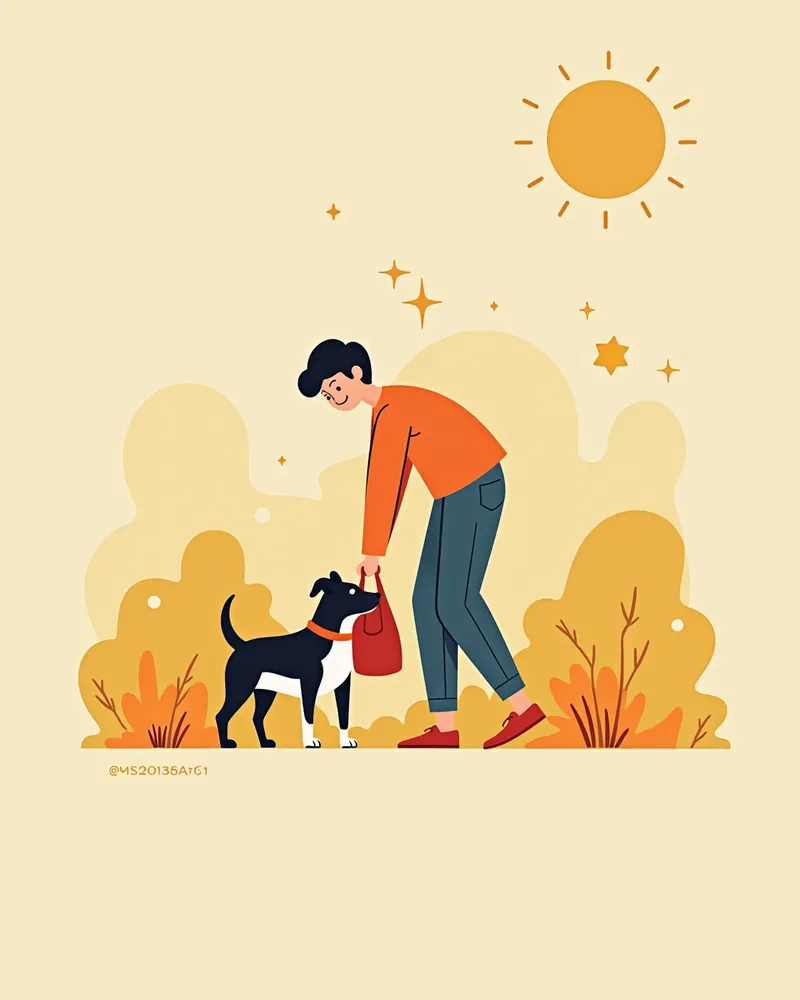
Prompt feces removal: The key is to clean up indoor and outdoor feces within five minutes. Removing the opportunity is the first step.
Adequate exercise: Walk your dog at least twice a day to reduce boredom and stress.
Enrichment activities: Provide mentally stimulating activities such as scent-sniffing games and puzzle toys.
Positive reinforcement training: Redirect your dog’s attention by asking for a “sit” and offering a treat when they approach feces. Punishing them may instead reinforce the behavior, causing them to eat feces in secret.
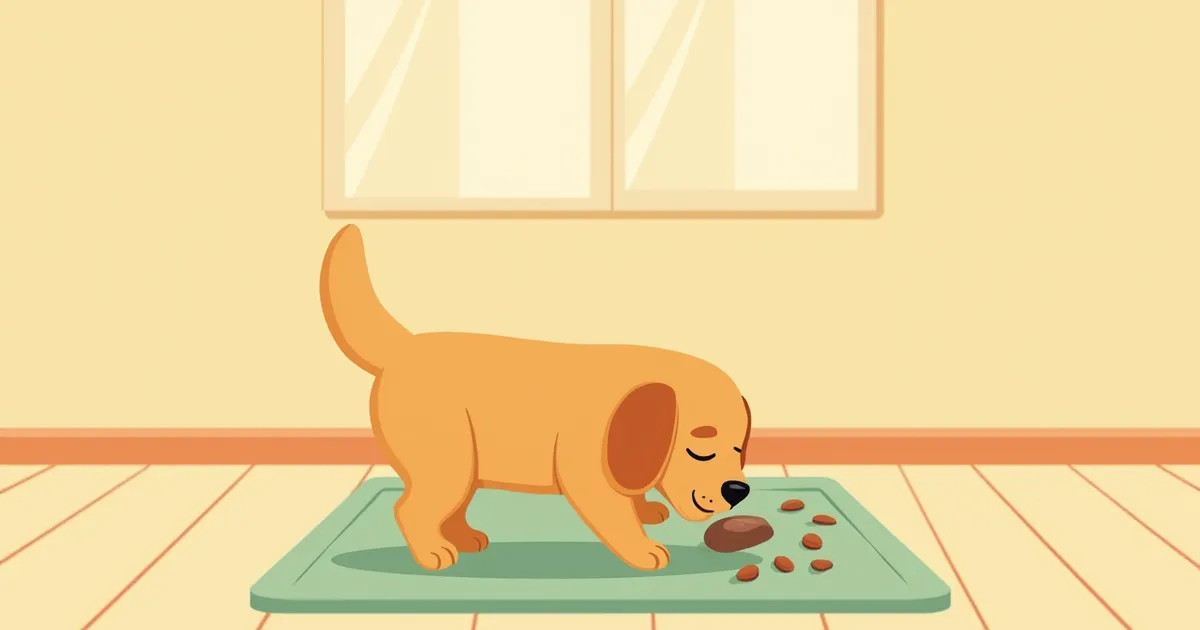
A pet owner cleaning up their dog’s poop with a waste bag at the park

Small Breeds and Anxious Dogs: Watch for Recurrence

Dogs with separation anxiety or environmental stress may be more prone to abnormal behaviors like coprophagia. However, it’s difficult to definitively state that certain breeds have a higher recurrence rate, as any dog can exhibit such behaviors depending on environmental and behavioral factors. The longer a dog is left alone, the more intense these behaviors may become, so maintaining a clean environment, regularly removing feces, and gradually increasing the time spent alone through training can be helpful. Since underlying medical conditions may also contribute to behavioral changes, consider consulting a veterinarian or a veterinary behaviorist if the behavior persists.

Reviewed by a veterinarian

Dr. Tony — Punnawat Phongkittirak

Dr. Tony — Punnawat Phongkittirak

Veterinarian

A veterinarian who majored in veterinary medicine at Khon Kaen University, Thailand, and completed the IVSA program at North Carolina State University in the United States. Drawing on clinical experience at animal hospitals, he works in the pet healthcare field and is dedicated to building a digital care environment that connects pet parents with veterinarians.

Frequently Asked Questions

Does the cause differ depending on whether the dog eats only its own feces or also the feces of other animals?
If your pet only eats its own feces, it may indicate digestive issues or nutritional imbalances. If it consumes other animals’ feces, such as cat feces, it could be due to scent stimulation or instinctual exploratory behavior. In either case, if the behavior persists, a veterinary consultation is r
Can coprophagia be transmitted to humans?
If parasites or bacteria are present in the stool, there is a risk of indirect transmission. Avoid allowing puppies with coprophagia (the habit of eating feces) to kiss or lick you, and be sure to wash your hands thoroughly after any contact.
Does coprophagia naturally resolve in young puppies?
Puppies under 6 to 12 months old may eat feces out of curiosity, and this behavior often disappears as they grow. However, if it persists after the age of one, it's important to identify the underlying cause.
Can adjusting your pet’s diet help prevent coprophagia?
Switching to a highly digestible diet or adding digestive enzymes and probiotic supplements can help reduce the odor of undigested nutrients in the stool. When changing food, transition gradually over 7 to 10 days.
Do repellent supplements actually work?
Products such as pineapple, pumpkin seeds, and specialized repellents are commonly used, but their effectiveness varies from dog to dog. Rather than relying solely on repellents, it is important to combine them with environmental management practices, such as promptly removing feces, to achieve meaningful results.

Share

Related Guides

References

[1] Ettinger, S.J., Feldman, E.C., Côté, E. (eds.) Clinical Medicine of the Dog and Cat, 4th Ed. Chapter 11: Gastrointestinal Disorders.

[2] Fascetti, A.J., Delaney, S.J. (eds.) Applied Veterinary Clinical Nutrition, 2nd Ed. Wiley-Blackwell.

[3] Blake, A.B. and Suchodolski, J.S. (2016) Importance of gut microbiota for the health and disease of dogs and cats. Animal Frontiers 6, 37–42.

This information is based on veterinary literature and does not replace diagnosis or treatment. Please consult a veterinarian for specific health concerns.

Metapet Co., Ltd. | CEO: Park Sung-yong | Business Reg. No. 417-88-02562 | Seoul, South Korea | Customer Center

Why Does My Dog Eat Poop? Coprophagia Causes & Treatment | Meongsiljang