Like
Share
멍실장
고양이 성묘 추가 접종 스케줄 증상과 원인, 진단·치료와 관리 포인트 총정리

Complete Guide to Booster Vaccination Schedules, Symptoms, Causes, Diagnosis, Treatment, and Care for Adult Cats

Lifestyle & Age CareDiseasesMeongsiljang Veterinary Advisory Board

The booster vaccination schedule for adult cats is a key step in disease prevention. Regular vaccinations and care help maintain their immunity.

Why Are Booster Vaccinations Important for Adult Cats?
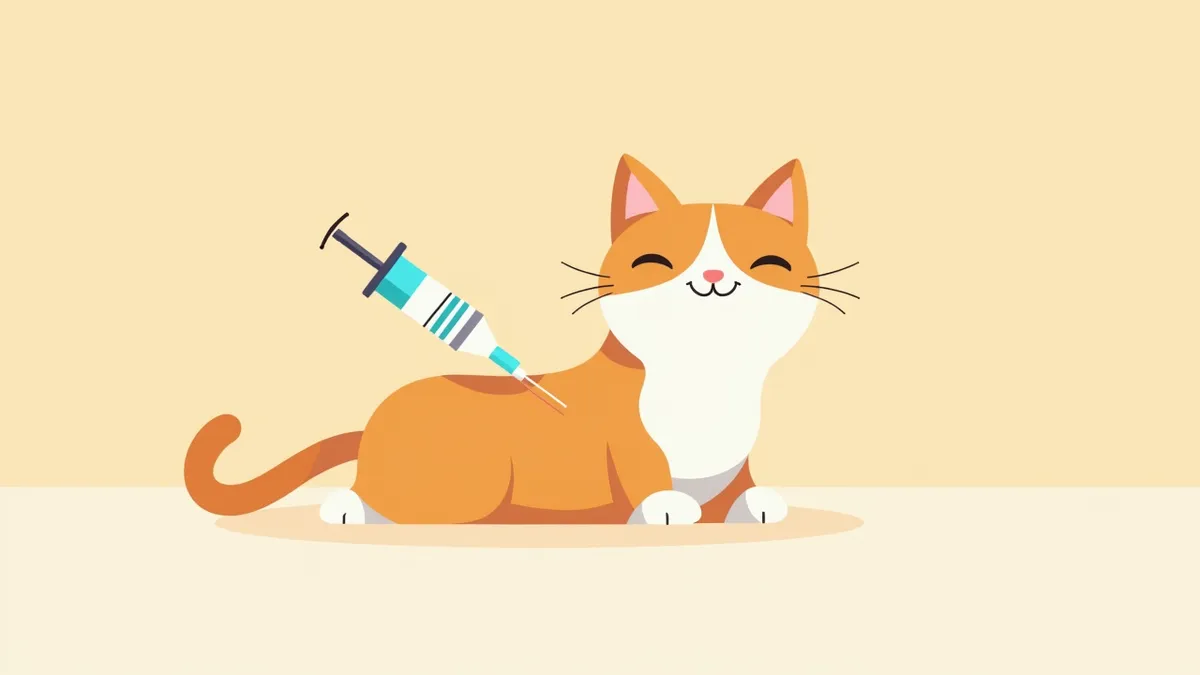
A veterinarian administering a vaccine to a cat
Booster vaccinations for adult cats are essential because their immune systems may not yet have fully developed protective responses, leaving them more vulnerable to external infections. Initial vaccinations should begin at 6 weeks of age and continue every 3–4 weeks until the cat is 16–20 weeks old. A booster shot is recommended one year after the final initial vaccination, followed by boosters every three years thereafter. - Maintaining immunity: Regular vaccinations help sustain immune responses and strengthen resistance against diseases. - Preventing infections: Vaccinations reduce the risk of exposure to pathogens in the external environment. - Supporting healthy growth: A stable immune system positively influences overall growth and development. - Managing underlying conditions: Cats with pre-existing health issues require careful evaluation and monitoring before vaccination. - Owner responsibilities: Keep track of vaccination schedules to ensure no doses are missed.

Main Reasons Why Booster Vaccinations Are Necessary for Adult Cats

Even adult cats can experience changes in immunity over time after their final kitten vaccinations, so regular booster shots are essential to maintain disease resistance. Because infection risk varies depending on living conditions and exposure to the outdoors, boosters should be tailored to each cat’s individual risk level. - Immunity maintenance: Immunity established by initial vaccinations can wane over time. A booster is recommended one year after the final kitten vaccination, followed by additional boosters at intervals of no more than three years to sustain protection. - Increased external exposure: Risks of encountering pathogens can rise due to factors such as going outdoors or contact with other cats. - Disease prevention: Core vaccines help prevent serious conditions such as feline panleukopenia (caused by feline parvovirus), feline herpesvirus, and feline calicivirus. - Individualized care: Vaccination schedules should be adjusted based on each cat’s lifestyle and specific risk factors. - Owner responsibility: Regular vaccinations are a crucial step in safeguarding your cat’s long-term health.
Vaccination record sticker attached to the cat's paw

Checklist of Key Symptoms Related to Booster Vaccinations

Your pet may experience some side effects after a booster vaccination. Most vaccine-related reactions appear within about three weeks of the shot, so it’s important to be aware of them in advance.
Fever: A mild, temporary rise in body temperature may occur within 1–2 days after vaccination.
Loss of appetite: Your pet may eat less or refuse food temporarily.
Lethargy: Your pet may sleep more than usual or show reduced activity throughout the day.
Swelling at the injection site: The area where the vaccine was administered may become temporarily swollen or firm.
Coughing or sneezing: If a live vaccine is administered improperly, the virus may come into contact with the respiratory mucosa and cause respiratory symptoms, although a clear causal link is not generally established.
If any of these symptoms persist or worsen, please consult your veterinarian immediately.
A cat that appears slightly uncomfortable after vaccination

Visit the Clinic Immediately If Severe Symptoms Occur After Vaccination

If your pet experiences severe reactions such as difficulty breathing, a full-body rash, vomiting, diarrhea, or decreased consciousness within 24 hours of vaccination, please visit the clinic immediately. This could be an allergic reaction, so prompt action is crucial.

Testing Procedures for Accurate Diagnosis

Before administering additional vaccinations, it’s important to check your cat’s overall health through a series of tests. - Weight measurement: Provides basic information to assess overall health. - Temperature check: Helps determine if there’s a fever, which may indicate an infection. - Blood test: Evaluates liver function, kidney function, white blood cell count, and more. - Urinalysis: Checks the health of the kidneys and urinary tract. - Underlying conditions check: If your cat has conditions like diabetes or kidney disease, adjustments may be needed before vaccination. These tests help ensure a safe vaccination process.
A veterinarian examining a cat.

Step-by-Step Guide to Treatment and Care Methods
Proper care after vaccination is essential for recovery and maintaining your pet’s health. - Provide rest: Allow your pet to rest in a quiet environment for 24 hours after vaccination. - Manage meals: Even if your pet has no appetite, offer small amounts of food and water frequently. - Monitor the injection site: If the area becomes swollen or hard, consult your veterinarian. - Limit activity: Avoid running or excessive play. - Regular check-ups: Continue to monitor your pet’s condition for 2–3 days afterward, and visit the clinic immediately if any abnormal signs appear. - Maintain immunity: Pay attention to immune health through regular wellness checks. This step-by-step care supports a stable recovery for your cat.
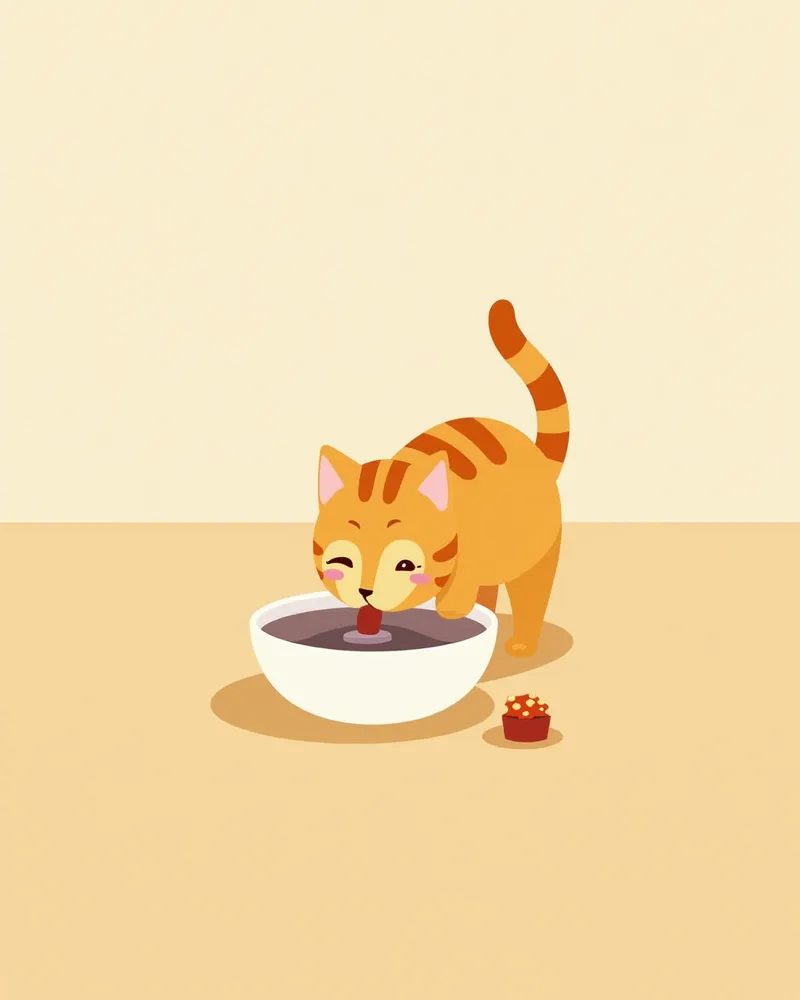
A cat drinking water

Daily Care Points at Home

Proper daily care after a booster vaccination is a crucial step in supporting your cat’s recovery. - Maintain a quiet environment: Provide a calm, secluded space for your cat to minimize stress. - Dietary adjustments: Offer soft, easily digestible food. - Monitor the injection site: Check daily for any swelling, pain, or warmth. - Encourage hydration: Frequently refresh the water supply to prevent dehydration. - Limit activity: Avoid excessive running or play. - Regular check-ups: Continue monitoring your cat’s condition for 2–3 days afterward. These care measures help ensure a stable and smooth recovery.
A cat resting comfortably

Caution Is Needed If Abnormalities Occur at the Injection Site

If the injection site remains swollen or firm for more than two weeks, or if you notice pus or bleeding, consult your veterinarian immediately. Although rare, these could be early signs of a vaccine-associated sarcoma (skin tumor).

Reviewed by a veterinarian

Dr. Tony — Punnawat Phongkittirak

Dr. Tony — Punnawat Phongkittirak

Veterinarian

A veterinarian who majored in veterinary medicine at Khon Kaen University, Thailand, and completed the IVSA program at North Carolina State University in the United States. Drawing on clinical experience at animal hospitals, he works in the pet healthcare field and is dedicated to building a digital care environment that connects pet parents with veterinarians.

Frequently Asked Questions

When should adult cats receive their booster vaccinations?
Initial vaccinations should begin at 6 weeks of age and be completed by 16–20 weeks, with doses administered every 3–4 weeks. A booster is recommended one year after the final initial vaccination. Subsequent boosters can be given at intervals of up to three years, with a customized schedule determined in consultation with your veterinarian.
Can my pet play for a week after vaccination?
It’s possible, but it’s best to avoid excessive running or vigorous play. Calm activities are more suitable. Your veterinarian may recommend adjustments based on their assessment.
What should I do if my pet has a fever for two days after vaccination?
Persistent fever may be a sign of infection, so consult your veterinarian. If the fever lasts for more than two days, a visit to the clinic is recommended.
A hard lump has formed at the vaccination site. Is this normal?
If symptoms persist or worsen for more than two weeks, a veterinary examination is necessary. Although rare, there is a possibility of a vaccine-site tumor (injection-site sarcoma), so caution is advised.
What problems can arise if vaccinations are delayed?
A weakened immune system can make your pet more susceptible to infectious diseases. In particular, core vaccine-preventable conditions such as feline panleukopenia (FPV, also known as parvovirus), calicivirus, and herpesvirus can be fatal, so regular vaccinations are essential.

Share

Related Guides

References

[1] Scherk MA, Ford RB, Gaskell RM, et al. 2013 AAFP Feline Vaccination Advisory Panel Report. J Feline Med Surg 2013;15(9):785-808.

[2] Hosie MJ, Addie DD, Boucraut-Baralon C, et al. Vaccination guidelines: 2015 ABCD recommendations for indoor/outdoor cats, rescue shelter cats and breeding catteries. J Feline Med Surg 2015;17:583–587.

[3] Hartmann K, Day MJ, Thiry E, et al. Feline injection-site sarcoma: ABCD guidelines on prevention and management. J Feline Med Surg 2015;17(7):606-13.

This information is based on veterinary literature and does not replace diagnosis or treatment. Please consult a veterinarian for specific health concerns.

Metapet Co., Ltd. | CEO: Park Sung-yong | Business Reg. No. 417-88-02562 | Seoul, South Korea | Customer Center

Adult Cat Booster Vaccine Schedule: Timing, Care & Immunity | Meongsiljang