Like
Share
멍실장
고양이 연령별 정기 건강검진 증상과 원인, 진단·치료와 관리 포인트 총정리

A Complete Guide to Cat Health Check-ups by Age: Symptoms, Causes, Diagnosis, Treatment, and Care Priorities

Lifestyle & Age CareDiseasesMeongsiljang Veterinary Advisory Board

We’ll walk you through how health check-up needs, key symptoms, diagnostic methods, and treatment and care priorities change depending on your cat’s life stage.

Regular Health Check-ups by Age Are a Key Preventive Measure for Protecting the Health of Both Owners and Cats
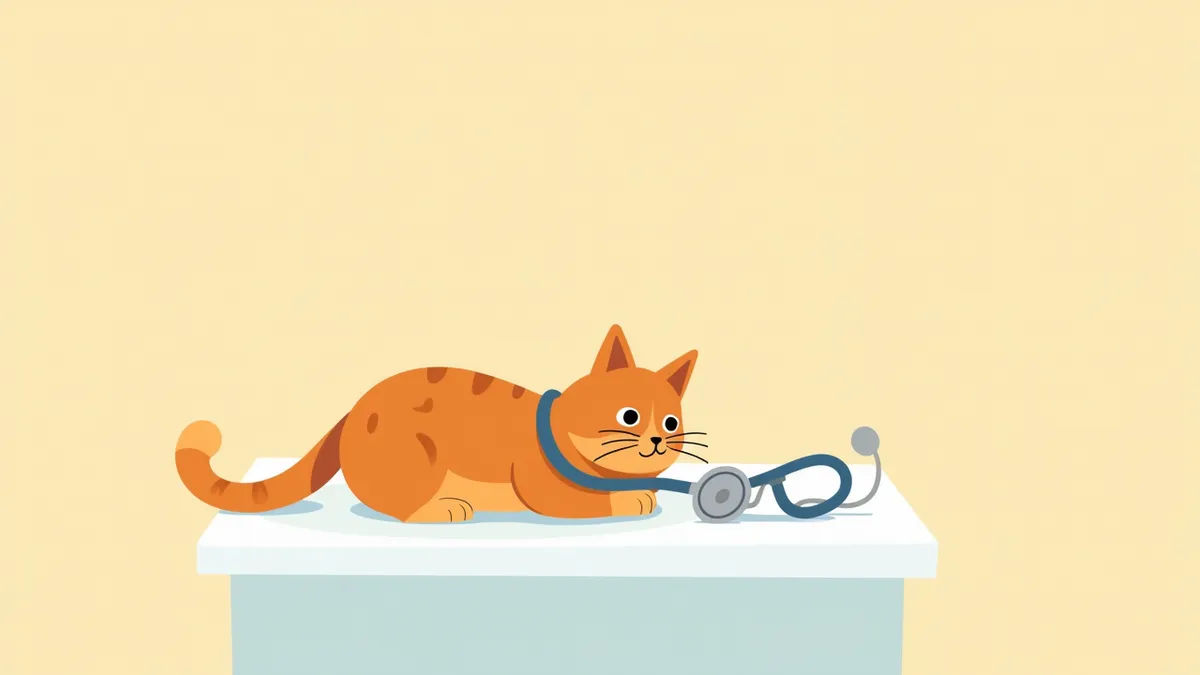
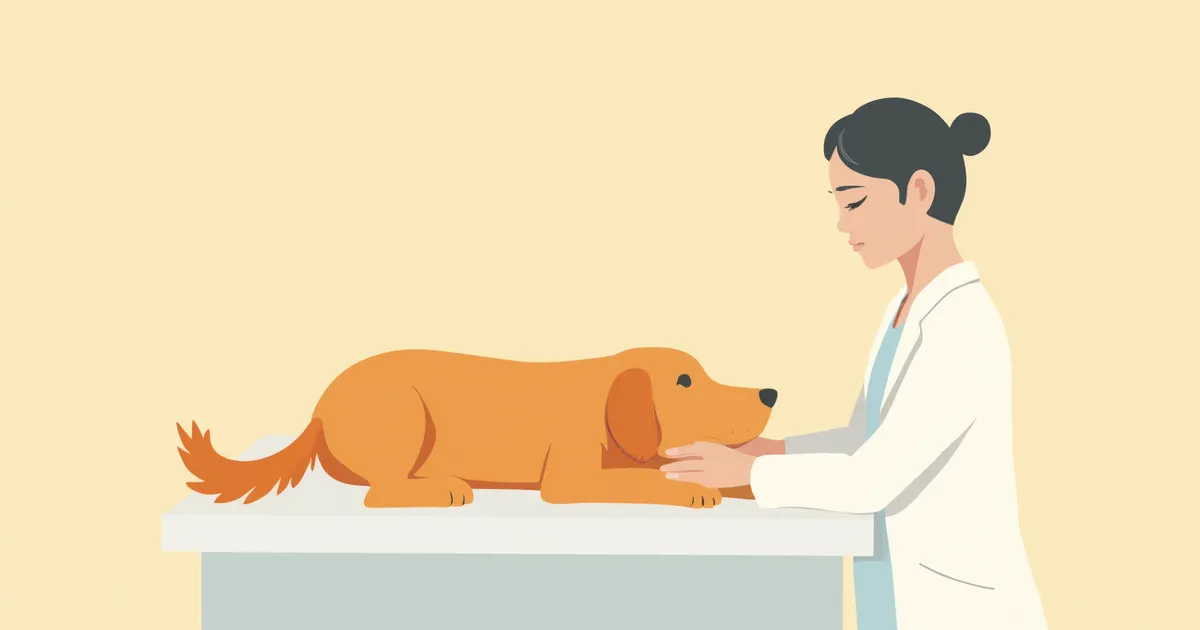
A veterinarian examining a cat's heart
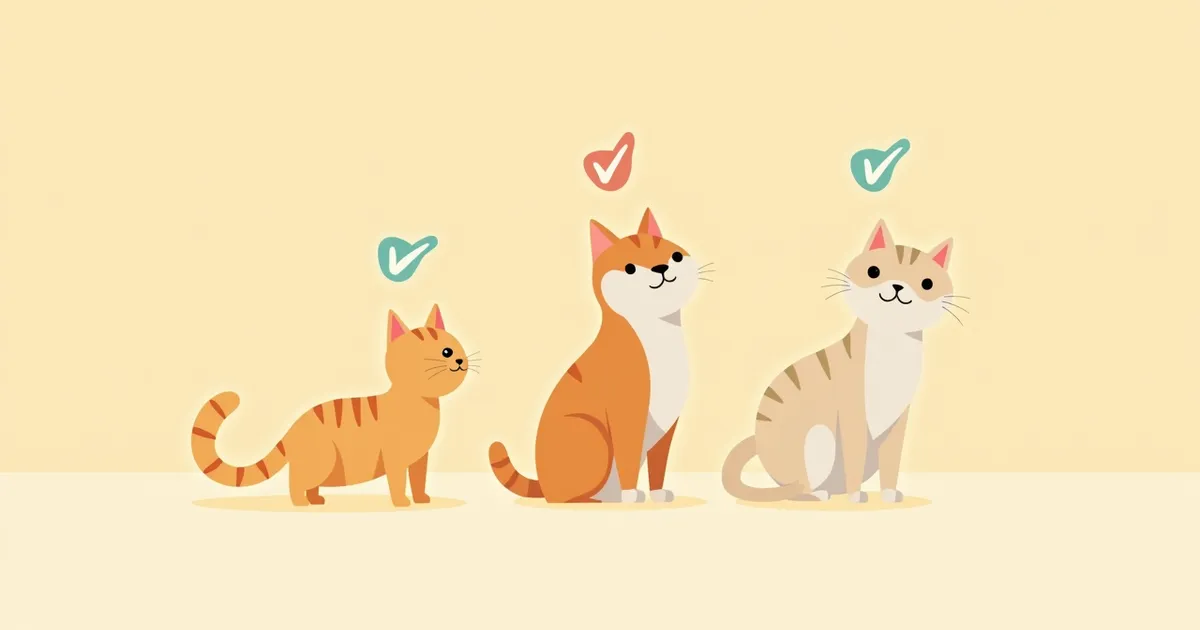
Because health risks change with a cat’s age, regular wellness exams are essential. Kittens are vulnerable to infectious diseases due to incomplete vaccination or nutritional deficiencies, while young adults aged 1 to 6 years face weight management, particularly obesity, as a key health priority. After the mature stage of 7 to 10 years, senior cats over 10 commonly develop chronic kidney disease, hypertrophic cardiomyopathy, hyperthyroidism, degenerative joint disease, and gingivitis. Veterinary textbooks recommend at least one annual checkup for all cats, regardless of age, and advise more frequent, careful monitoring for seniors because their conditions can progress rapidly. Since cats instinctively hide signs of pain and illness, regular exams are crucial for detecting diseases in their asymptomatic stages. Early detection improves treatment outcomes and helps preserve both quality of life and longevity. Wellness exams are more than routine checks; they are a vital preventive measure to safeguard your cat’s life.

Health Risks Vary by Age

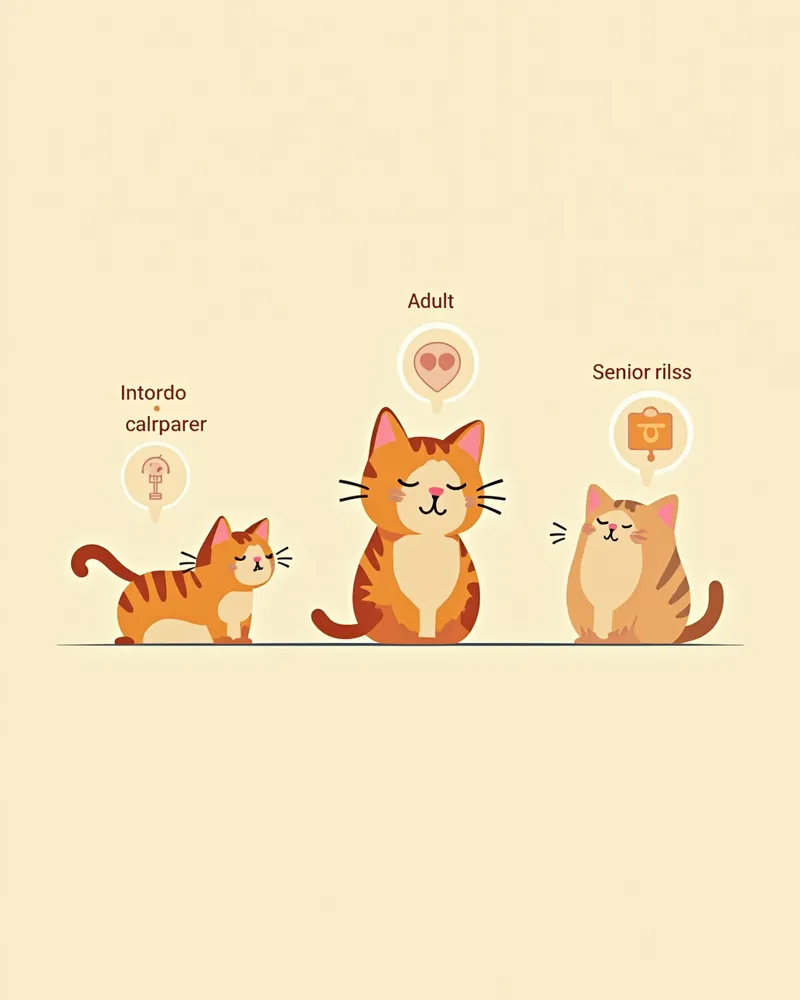
A cat’s health concerns vary significantly with age. Kittens are particularly vulnerable to infectious diseases stemming from incomplete vaccination or nutritional deficiencies. In young adult cats, aged 1 to 6 years, weight management—especially preventing obesity—becomes a key priority. Senior cats commonly develop chronic kidney disease, hypertrophic cardiomyopathy, hyperthyroidism, degenerative joint disease, and gingivitis. Consequently, check-up protocols should be tailored to each life stage. For instance, senior cats require close monitoring of kidney function and blood pressure, along with regular urinalysis and blood work, including complete blood counts and biochemical profiles. Because cats are adept at masking signs of illness, routine veterinary exams are essential for early detection and prevention of disease.
A time-series graph showing health risks in cats by age group

Identify Key Symptoms and Signs

Because changes in a cat’s health often progress quietly, daily observation is essential. Sudden loss of appetite, weight loss, changes in elimination habits, decreased activity, and neglect of grooming can all be early signs of illness. - Loss of appetite: A significant reduction in food intake or complete refusal to eat for more than one day. - Weight loss: Noticeable weight loss that persists for over a week. - Changes in elimination habits: Increased frequency of litter box use or difficulty eliminating. - Decreased activity: Moving less than usual and resting more often. - Neglect of grooming: Reduced self-grooming or a noticeably dirtier coat. Stay vigilant so you don’t miss these warning signs.
A cat showing signs of reduced activity levels

Symptoms Requiring Immediate Veterinary Visit

If your cat is experiencing severe difficulty breathing, bloody stools, persistent vomiting, decreased consciousness, seizures, or intense pain, you should seek veterinary care immediately. These symptoms may indicate a life-threatening emergency, so prompt action is crucial.

Key Diagnostic Tests
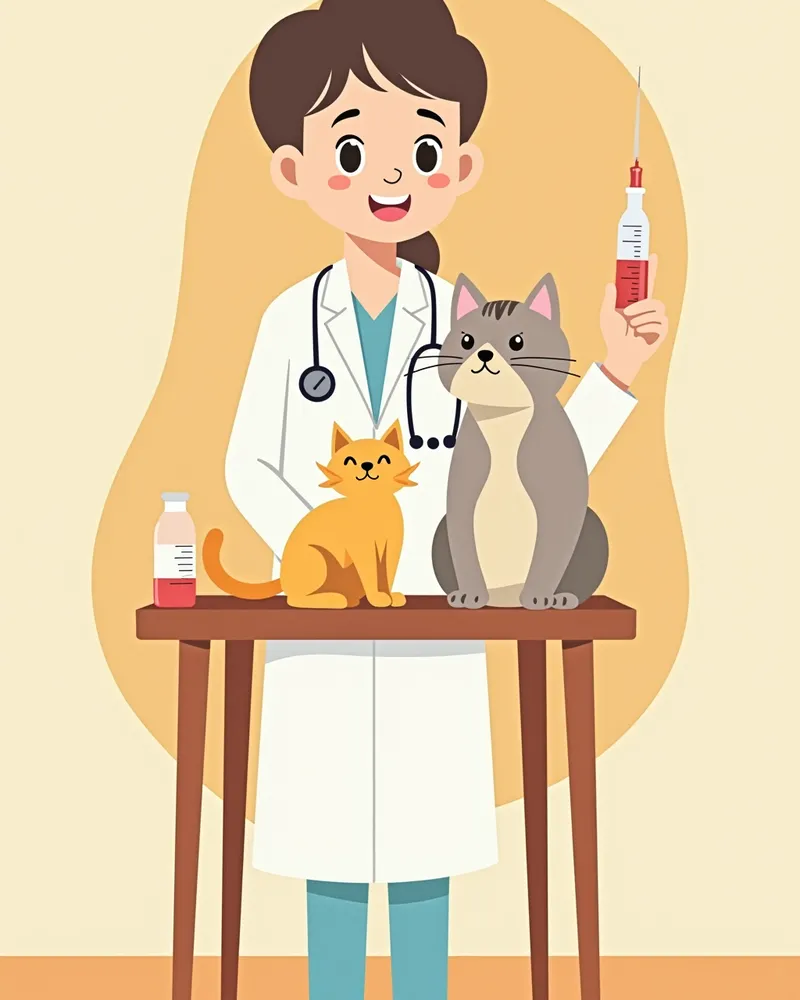
Feline health check-ups involve a comprehensive evaluation through various tests. - Blood tests: Assess overall health status and detect inflammation. - Urinalysis: Essential for evaluating kidney function and screening for diabetes. - Blood pressure measurement: Checks for hypertension, which is common in senior cats. - Ultrasound examination: Evaluates the structure and function of internal organs such as the liver, kidneys, and heart. - X-ray imaging: Can detect lung diseases or skeletal abnormalities. The specific tests recommended will vary depending on your cat’s age and symptoms, so please consult with your veterinarian.
A veterinarian drawing blood from a cat

Treatment and Care Directions Vary by Age and Condition

Treatment approaches vary depending on the diagnosed condition and the cat’s age. For example, chronic kidney disease is primarily managed through dietary control and medication, while diabetes requires insulin injections and careful dietary management. In senior cats, pain management and environmental adjustments are also essential. The goal of treatment extends beyond simply administering medication; it aims to enhance the overall quality of life.
Dietary Control: Use prescription diets tailored to the specific condition.
Medication: Carefully follow all administration instructions.
Pain Management: Consult your veterinarian for prescribed treatment if your cat is in pain.
Environmental Adjustments: Provide a comfortable living environment for your cat.
Regular Monitoring: Continuously assess treatment effectiveness through regular check-ups.
A cat eating prescription diet food

Daily Care Priorities at Home

In addition to regular check-ups, daily care plays a significant role in maintaining your pet’s health. - Monitor eating habits: Record the amount and frequency of meals to identify any changes. - Check elimination patterns: Consistently monitor the color, consistency, and frequency of bowel movements. - Track activity levels: Briefly note the extent of your pet’s movement throughout the day. - Inspect appearance: Check the condition of the coat, eyes, ears, and nails at least once a week. - Clean the environment: Clean the litter box, food and water bowls, and play area one to two times per week. These habits can lead to the early detection of diseases.
A cat grooming itself

Special Precautions for Senior Cats

Veterinary textbooks categorize cats by life stage, defining those aged 7 to 10 as mature adults and those over 10 (typically 11 and older) as seniors. The risk of chronic diseases increases with age, with chronic kidney disease, hypertension, hypertrophic cardiomyopathy, hyperthyroidism, and degenerative joint disease being particularly common. Textbooks recommend at least one veterinary checkup per year for cats of all ages, but more frequent monitoring is advisable for senior cats because their conditions can progress rapidly. Additionally, while behavioral changes in cats may seem like simple stress, they can be signs of illness, so vigilance is essential. Cats are adept at hiding signs of pain and prone to disease progression without obvious symptoms, making continuous monitoring through regular checkups crucial.

Reviewed by a veterinarian

Dr. Tony — Punnawat Phongkittirak

Dr. Tony — Punnawat Phongkittirak

Veterinarian

A veterinarian who majored in veterinary medicine at Khon Kaen University, Thailand, and completed the IVSA program at North Carolina State University in the United States. Drawing on clinical experience at animal hospitals, he works in the pet healthcare field and is dedicated to building a digital care environment that connects pet parents with veterinarians.

Frequently Asked Questions

At what age should cats start having regular health check-ups?
Veterinary textbooks recommend that all cats, regardless of age, receive regular health check-ups at least once a year. For cats in their mature stage (7-10 years) and senior stage (over 10 years), the risk of disease increases, so it's advisable to monitor them more closely while still maintaining at least one check-up per year.
Do kittens need checkups too?
Yes, young cats also need regular check-ups. During the kitten stage, which lasts until about one year of age, it's a good idea to visit the vet frequently according to the vaccination schedule to monitor their health. Check-ups during this period can help detect infectious diseases or congenital and genetic conditions early on.
How much does a check-up cost?
A basic check-up costs around $40, while additional tests such as blood work or ultrasounds typically range from $70 to $100. Regular check-ups help detect diseases early, which can reduce long-term treatment costs.
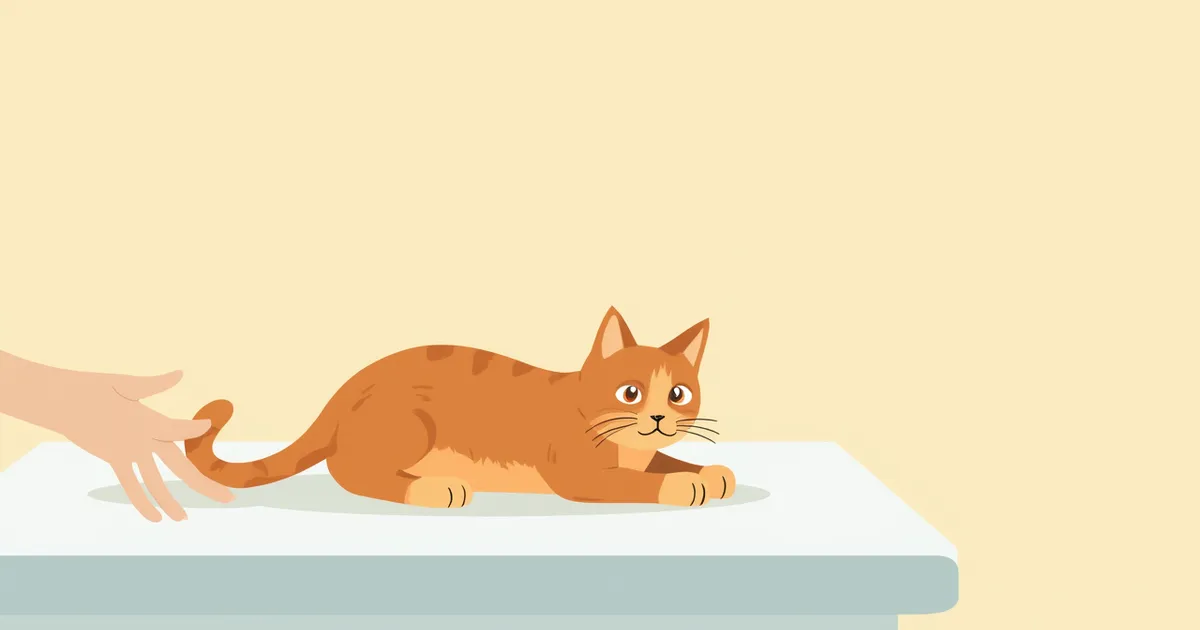
My cat hates check-ups. What should I do?
Start with short sessions and focus on creating positive experiences. Offer treats after check-ups and provide a calm, comfortable environment. Over time, your pet will gradually become more accustomed to the process.
Even if the check-up results are normal, should I still have regular check-ups?
Yes, asymptomatic conditions can exist, so regular check-ups are essential for early detection and prevention. In fact, the healthier your cat appears, the more important these check-ups become.

Share

Related Guides

References

This information is based on veterinary literature and does not replace diagnosis or treatment. Please consult a veterinarian for specific health concerns.

Metapet Co., Ltd. | CEO: Park Sung-yong | Business Reg. No. 417-88-02562 | Seoul, South Korea | Customer Center

Cat Health Check-Ups by Age: Symptoms, Diagnosis & Care | Meongsiljang