Like
Share
멍실장
강아지 분변 기생충 검사 방법 증상과 원인, 진단·치료와 관리 포인트 총정리

Dog Fecal Parasite Test: Methods, Symptoms, Causes, Diagnosis, Treatment, and Management Tips

Infection/ParasitesDiseasesMeongsiljang Veterinary Advisory Board

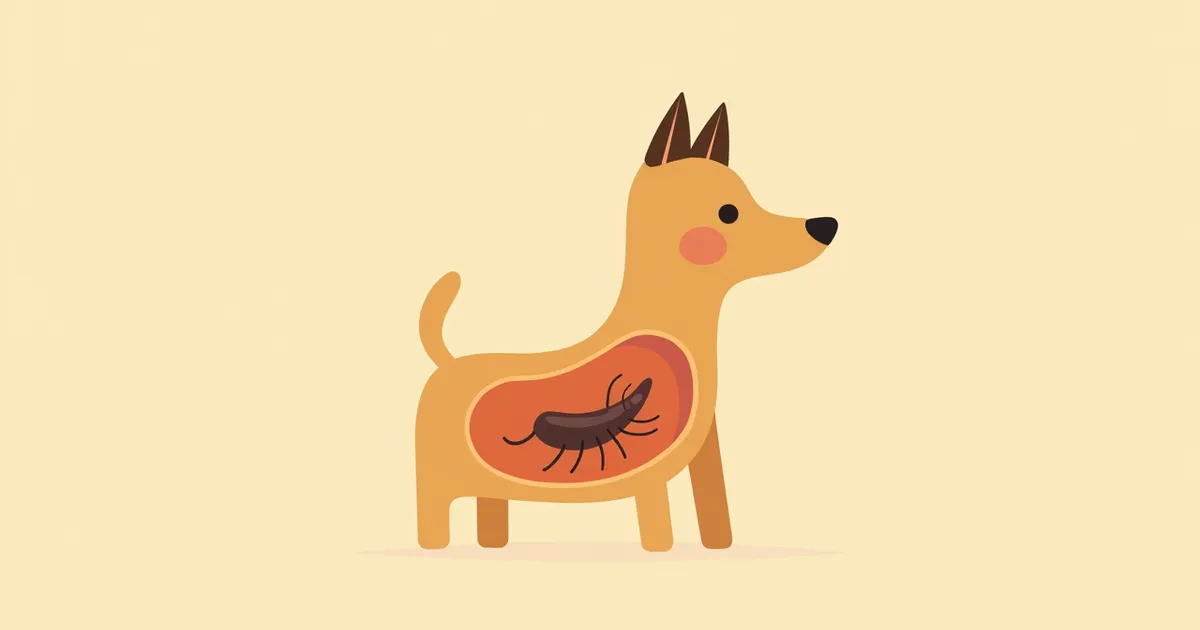
A stool parasite test for dogs is a key procedure for accurately determining whether your dog is infected with parasites. Early detection and appropriate treatment are essential to maintaining your dog’s health and well-being.

A Dog Fecal Parasite Test Is a Key Procedure for Confirming Parasite Infection

A veterinarian collecting a stool sample from a puppy.
A stool test for dogs is a diagnostic procedure that analyzes samples for the presence of parasite eggs or larvae. This test can detect early-stage infections that may not be visible to the naked eye. Regular testing is the first step in safeguarding your dog’s health. The procedure is performed by a veterinarian using specialized equipment to collect a simple sample. - Stool Examination: This is a crucial diagnostic method for determining whether parasite eggs are present. - Regular Testing: To prevent reinfection, have your dog tested at intervals recommended by your veterinarian, based on their living environment and risk assessment. - Professional Administration: For safety and accuracy, it is best to have the test performed by a veterinarian rather than attempting it at home. Results are typically available within 1 to 2 days.

The Main Causes of Parasite Infection Are Exposure to the External Environment and Poor Hygiene Management
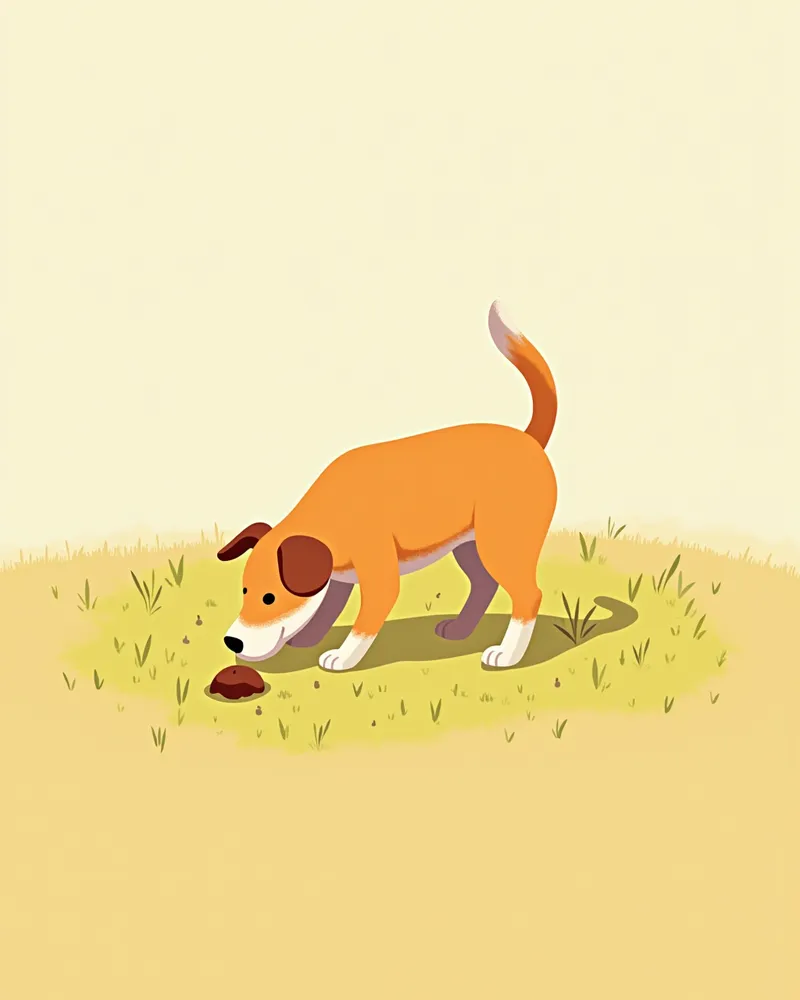
Dogs can ingest parasite eggs when they come into contact with soil, dirt, or other dogs' feces. The risk of infection increases significantly when playing in parks or on grassy areas. Additionally, parasites can be contracted through contaminated food or water. In unsanitary environments, the likelihood of infection rises, so maintaining a clean living space is essential. - External Exposure: Contact with soil or feces is a primary route of infection. - Food and Water Management: Contaminated food and water increase the risk of infection. - Environmental Hygiene: Regular cleaning and disinfection are essential. Preventing infection starts with daily care.
A scene showing a dog playing in the park being exposed to fecal matter.

The Main Symptoms of Parasite Infection Are as Follows

The main symptoms of parasitic infection in a dog's feces are as follows. Since there may be no signs until symptoms appear, caution is necessary.
Repeated diarrhea: Parasites irritate the intestines, causing persistent diarrhea.
Weight loss: Weight decreases due to impaired nutrient absorption.
Appears full but loses weight: Appetite is present, but weight decreases.
Parasites found in stool: Worms resembling white threads may appear mixed in the stool.
If these symptoms occur, consult a veterinarian immediately. Some infections may be asymptomatic or have very mild symptoms, so regular testing is important.
A puppy's stool with visible parasites in the feces

Emergency Signs Requiring Immediate Veterinary Visit

If your dog experiences severe diarrhea, bloody stools, vomiting, or lethargy, seek veterinary care immediately. These symptoms may indicate significant intestinal damage caused by parasites or signal another serious underlying condition. Prompt action is crucial, as delayed treatment can lead to dehydration and malnutrition.

Diagnostic Methods for Parasite Testing Primarily Include Fecal Flotation and Centrifugation Techniques

The fecal flotation technique is commonly used in canine fecal parasite testing. - Fecal flotation: This method detects parasites by exploiting the tendency of parasite eggs to float in a high-specific-gravity solution. It is simple and allows for rapid confirmation of infection. - Centrifugal flotation: This technique involves mixing feces with a high-density solution and spinning it in a centrifuge to bring eggs or cysts to the surface. It offers high accuracy, as it can even detect microscopic eggs like Giardia cysts. When larvae are suspected, the Baermann technique may be used in conjunction. Combining these two methods provides a more accurate assessment of infection. Results are typically available within 1–2 days.
A technician performing a parasite examination in a veterinary laboratory

Treatment Methods Vary Depending on the Type of Parasite and Are Conducted with Medications Prescribed by a Veterinarian
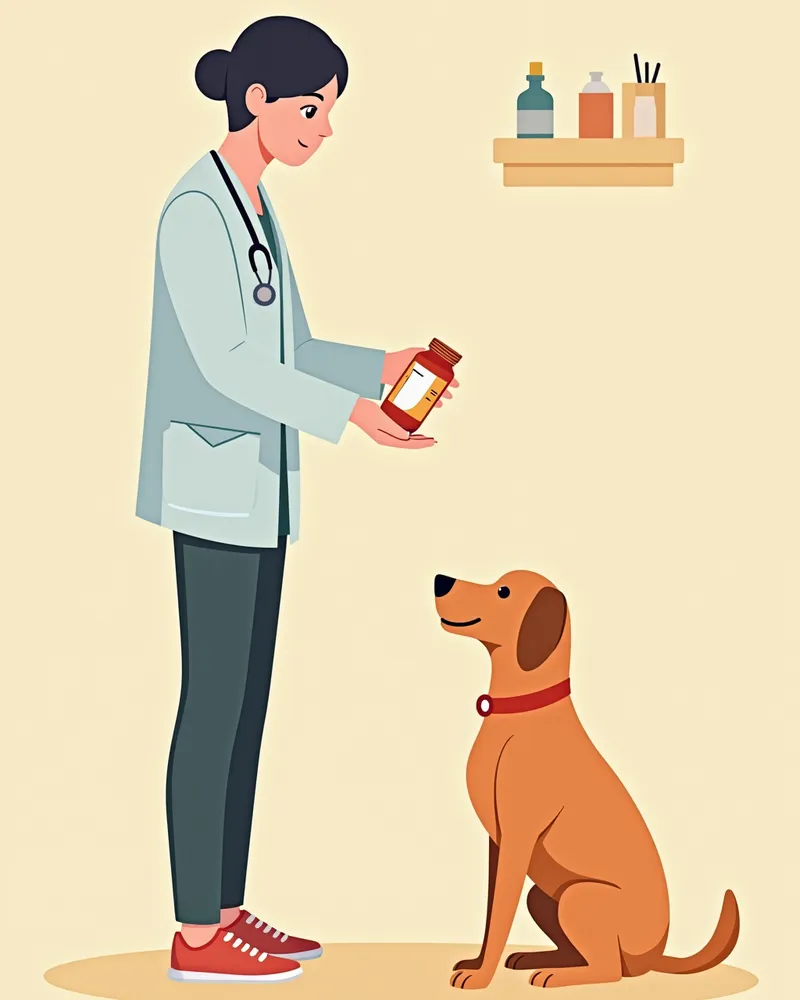
Medications are tailored to the specific type of parasite. For example, infections with nematodes such as roundworms or hookworms may be treated with fenbendazole, pyrantel pamoate, or mebendazole, while tapeworm (cestode) infections may be treated with praziquantel or epsiprantel. Medications are primarily administered orally, and some, like fenbendazole, may be given over several days. Depending on the medication, repeated dosing may be necessary, such as administering a second dose of dewormer 7–10 days later. After treatment, your veterinarian will recommend follow-up testing at specified intervals to confirm that the parasites have been completely eliminated. During treatment, it is essential to thoroughly dispose of your dog’s feces. - Medication selection: It is essential to use a medication appropriate for the specific parasite type. - Duration of administration: Adhering to the correct treatment duration is necessary for the medication to be effective. - Follow-up testing required: Confirm complete recovery with follow-up testing after treatment is finished. Preventive care remains important after treatment to prevent reinfection.
A veterinarian handing parasite treatment medication to a pet owner.

Management Tips at Home Include Maintaining Hygiene and Regular Testing

The key to managing your dog’s health after a fecal parasite test is hygiene and prevention. Remove feces immediately after your dog eliminates, and make handwashing a regular habit. It’s also important to wipe your dog’s paws after playing on the ground or in grassy areas. Depending on your dog’s living environment and infection risk, regular parasite screenings at intervals recommended by your veterinarian can help prevent reinfection. After meals, store food in a clean, secure place, and always provide fresh water. - Feces disposal: Remove promptly and disinfect the area. - Paw care: Make it a habit to wipe your dog’s paws after going outside. - Regular testing: Follow your veterinarian’s recommendations for routine screenings based on infection risk to monitor for parasites. - Diet management: Avoid contaminated food and provide fresh water. Consistent daily care is the most effective prevention.
Pet owners cleaning up their dog's feces

Certain Breeds May Be More Vulnerable to Parasite Infection

While any dog can contract a parasitic infection, puppies are especially vulnerable because their immune systems are not yet fully developed, which can cause symptoms to worsen rapidly. In severe cases, puppies suffering from significant anemia may become critically ill and require blood transfusions. Therefore, regular check-ups and preventive deworming as recommended by your veterinarian are particularly important for puppies and dogs with an unclear deworming history. It is best to consult with your vet to create a tailored care plan. However, since the risk of parasitic infection depends more on living conditions, hygiene, and age than on breed, maintaining a clean environment and scheduling regular veterinary check-ups are the most effective preventive measures.

Reviewed by a veterinarian

Dr. Tony — Punnawat Phongkittirak

Dr. Tony — Punnawat Phongkittirak

Veterinarian

A veterinarian who majored in veterinary medicine at Khon Kaen University, Thailand, and completed the IVSA program at North Carolina State University in the United States. Drawing on clinical experience at animal hospitals, he works in the pet healthcare field and is dedicated to building a digital care environment that connects pet parents with veterinarians.

Frequently Asked Questions

How often should I have my pet tested for parasites?
It’s best to have your dog tested at intervals recommended by your veterinarian, based on their living environment and risk of infection. Generally, adult dogs are advised to undergo fecal testing once or twice a year. If your dog spends a lot of time outdoors or lives in less-than-ideal sanitary conditions, more frequent testing may be appropriate.
Can I feed my pet before a parasite test?
It’s generally fine for your pet to eat before the test. However, bringing a fresh stool sample can help improve the accuracy of the results, so it’s always best to follow your veterinarian’s instructions.
Should I still give my pet deworming medication even if the parasite test results are negative?
Even if the test result is negative, it’s a good idea to consult with your veterinarian and create a preventive plan if your pet is in a high-risk situation for infection. However, if there’s no suspicion of infection, using medication preventively is generally not recommended.
Can my pet still be infected with parasites even if I don’t see them in the stool?
Yes, parasite eggs and larvae can be difficult to see with the naked eye. Making a judgment without testing can be risky, so regular check-ups are essential. Early detection greatly aids in treatment.
Can I give my pet medication right after the parasite test?
Your veterinarian will prescribe medication based on the test results. It’s best to follow your vet’s instructions for administering the medication once the results are available. We do not recommend giving any medication before reviewing the test results.

Comparison Table of Parasite Testing Methods

ItemAccuracyTime RequiredSuitable Situations
Fecal flotationMedium1–2 hoursGeneral routine screening
Centrifugation method (centrifugal flotation)High2–3 hoursWhen suspicious symptoms are present
Direct smear microscopyLowWithin 30 minutesWhen parasites are visible to the naked eye

The veterinarian selects the most suitable testing method depending on the situation.

Share

Related Guides

References

[1] Principles and Practices of Canine and Feline Clinical Parasitic Diseases, 2020

[2] BSAVA Manual of Canine and Feline Dermatology, 4th Edition, 2018

[3] Veterinary Parasitology, 5th Edition, 2021

This information is based on veterinary literature and does not replace diagnosis or treatment. Please consult a veterinarian for specific health concerns.

Metapet Co., Ltd. | CEO: Park Sung-yong | Business Reg. No. 417-88-02562 | Seoul, South Korea | Customer Center

Dog Fecal Parasite Test: Symptoms, Diagnosis, and Treatment Explained | Meongsiljang