Like
Share
멍실장
강아지 갑상선기능저하증 증상과 원인, 진단·치료와 관리 포인트 총정리

If Your Dog Is Gaining Weight and Losing Hair — Warning Signs of Hypothyroidism and When to Get Diagnosed

EndocrineDiseasesMeongsiljang Veterinary Advisory Board

Canine hypothyroidism is an endocrine disorder caused by insufficient production of thyroid hormones, with fatigue, weight gain, and hair loss being the main symptoms. Early diagnosis and appropriate treatment are important.

What Is Canine Hypothyroidism?
The anatomical structure of a dog's thyroid gland
Canine hypothyroidism is an endocrine disorder caused by insufficient production of thyroid hormones, which play a crucial role in normal cellular metabolism, temperature regulation, and energy production. - Thyroid hormone deficiency: A slowed metabolism leads to lethargy, reduced activity levels, and poor tolerance to cold. - Weight gain: Dogs often gain weight even if their appetite remains unchanged or decreases. - Hair loss and skin issues: Symmetrical hair loss occurs on both sides of the body, along with dry skin and darkened pigmentation. - Reduced exercise tolerance: Dogs may struggle with physical activity, appear mentally dull, and sleep excessively throughout the day. - Common in young adult to middle-aged large breeds: Certain breeds, such as Golden Retrievers and Doberman Pinschers, have a higher genetic predisposition. Early detection and consistent management are key to successful treatment.

What Are the Main Causes of Hypothyroidism?
The most common cause of hypothyroidism in dogs is autoimmune (lymphocytic) thyroiditis. - Autoimmune thyroiditis: The immune system attacks the thyroid gland, gradually destroying thyroid tissue. - Idiopathic thyroid atrophy: It is also common for the thyroid parenchyma to atrophy without a clear cause, leading to reduced hormone production. - Destruction by thyroid tumors: Although rare, tumors can damage thyroid tissue and cause the condition. - Congenital defects: In some cases, the thyroid gland fails to develop properly, resulting in insufficient hormone production. - Use of certain medications: Hypothyroidism can also occur when taking drugs that suppress thyroid function. Some breeds have a higher genetic risk of developing this condition, so identifying the underlying cause helps create a more accurate treatment plan.
The mechanism of autoimmune thyroiditis in dogs

Check for Key Symptoms and Signs

Hypothyroidism in dogs can manifest through a variety of symptoms. One common sign is weight gain despite a normal or even decreased appetite. Dogs may also experience significant lethargy, sleeping most of the day, showing reduced activity, and appearing mentally dull. Hair loss, dry skin, or darkening of the skin are also frequently observed. In rare cases, facial swelling known as myxedema or a slowed heart rate may occur. Since these symptoms develop gradually, it’s important for pet owners to closely monitor their dog’s condition.
Weight Gain: Gradual weight increase occurs even without an increased appetite.
Fatigue and Lethargy: The dog may remain in one place all day with little to no movement.
Hair Loss and Skin Issues: Symmetrical hair loss on both sides of the body, along with dry or thickened skin, is common.
Facial Swelling: Rarely, swelling around the eyes or face (myxedema) may appear.
Decreased Heart Rate: In some cases, the heart rate may drop below normal levels.
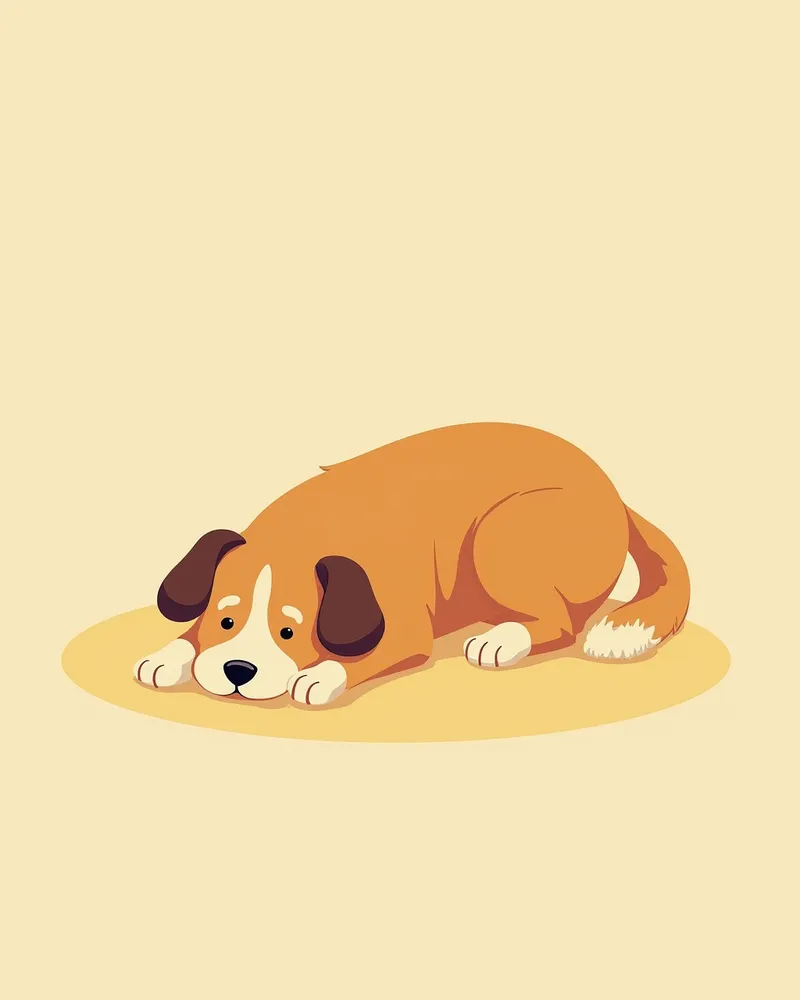
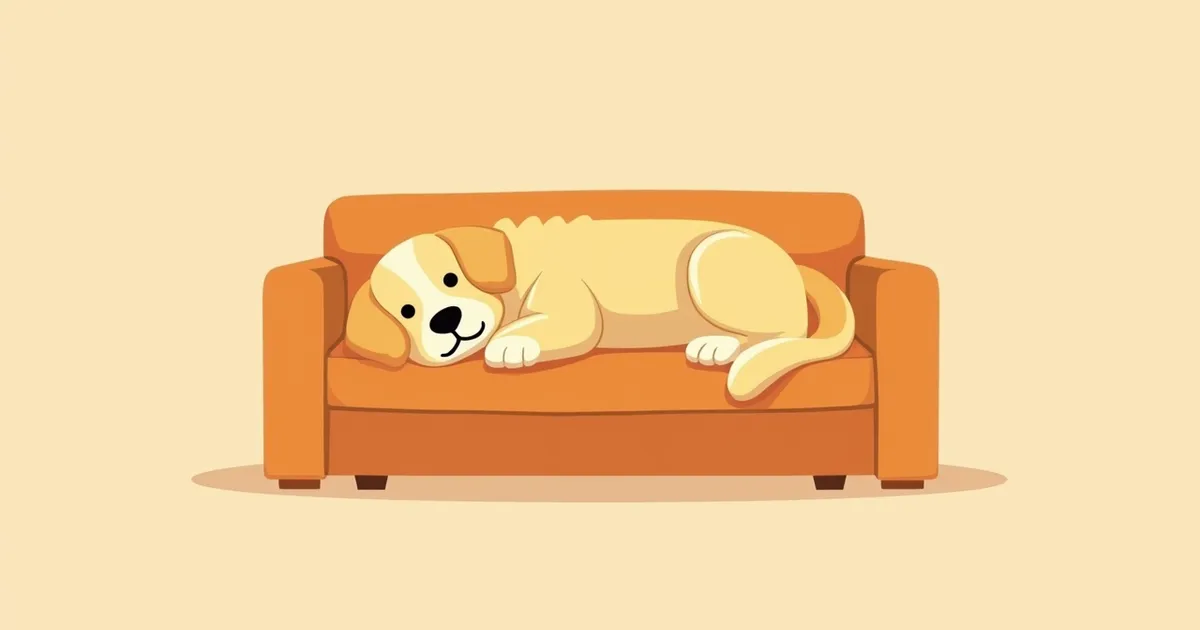
A dog showing symptoms of fatigue and hair loss

Signs That Require Immediate Veterinary Care

If your dog suddenly becomes extremely lethargic, has difficulty breathing, experiences a significantly slowed heart rate, or appears confused or disoriented, seek veterinary care immediately. These symptoms may indicate that hypothyroidism has progressed to a severe stage. Senior dogs are at higher risk for complications, so early intervention is essential. Delaying treatment can be life-threatening, so please act promptly.

Diagnostic Tests for an Accurate Diagnosis
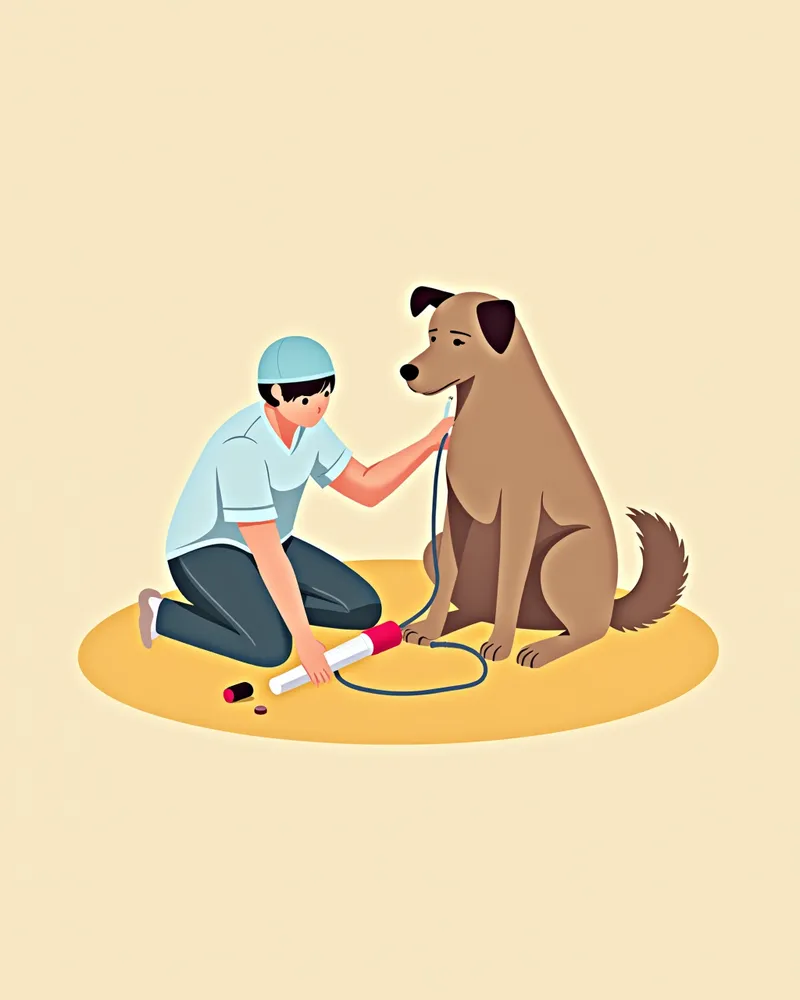
Canine hypothyroidism is diagnosed through blood tests. Total T4 (TT4) levels are typically measured as an initial screening test; if TT4 falls within the normal range, hypothyroidism is unlikely. If TT4 is low, additional tests such as free T4 (fT4) and TSH are required. Low TT4 combined with high TSH strongly suggests primary hypothyroidism. Antibody testing can also determine whether autoimmune thyroiditis is present, and findings such as anemia or hypercholesterolemia further support the diagnosis. If results are ambiguous, it is important to retest after several weeks to months, perform multiple tests in combination, and consider the response to treatment to confirm the diagnosis.
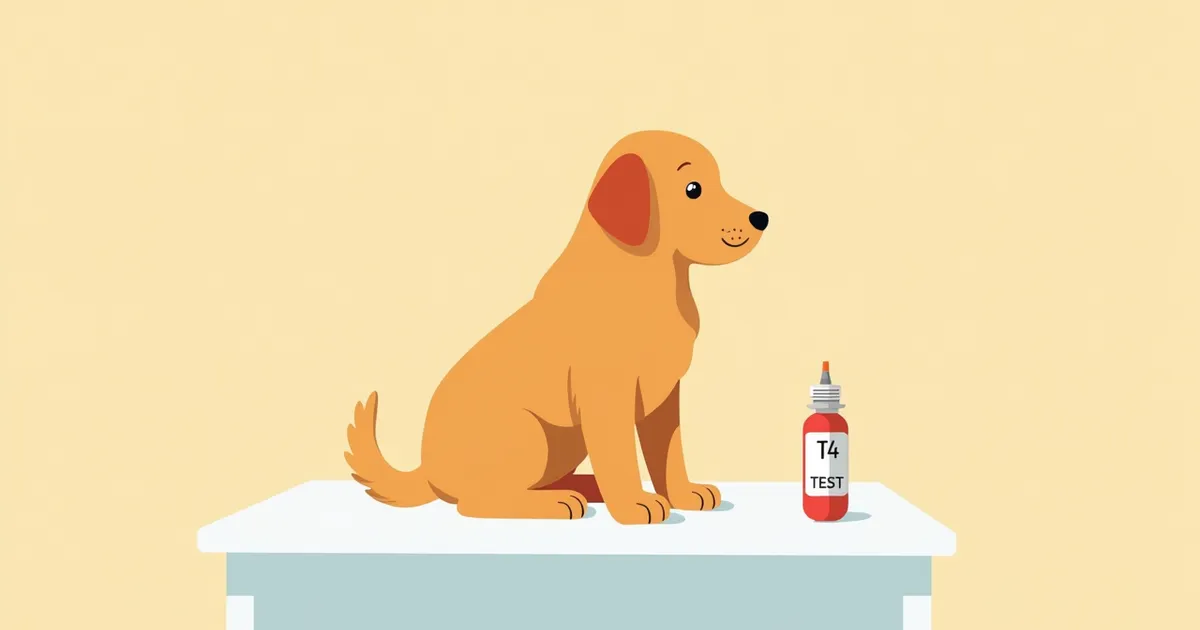
A veterinarian performing a blood test on a puppy

Treatment Methods and Step-by-Step Management
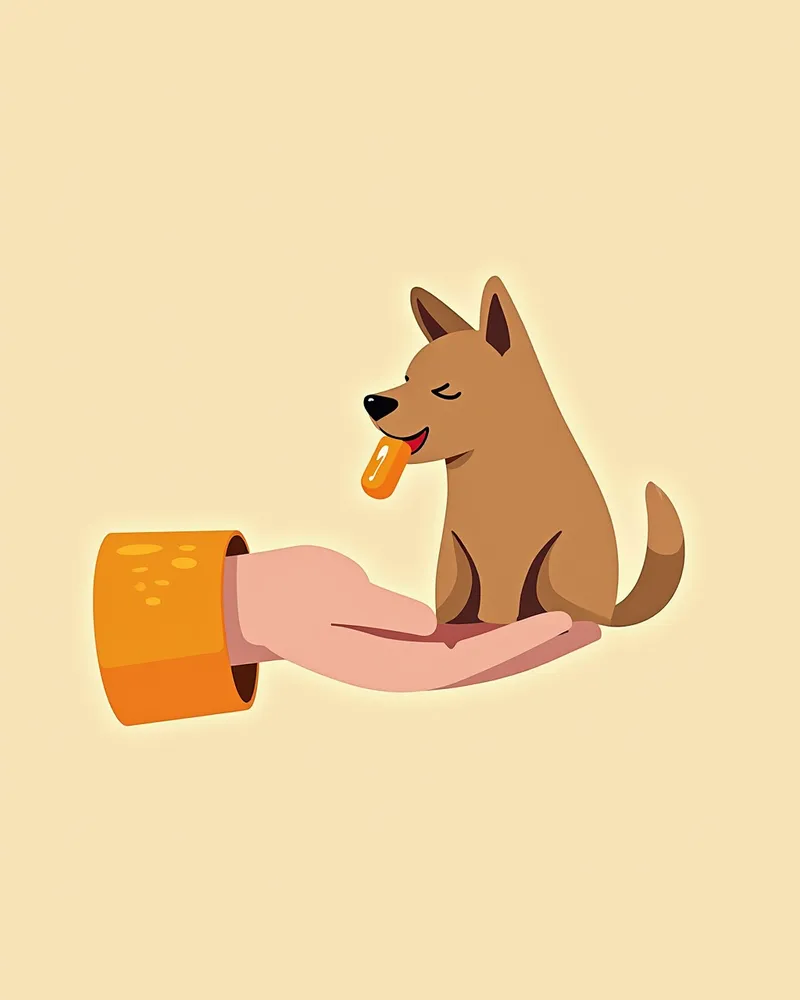
The primary treatment for hypothyroidism in dogs is the continuous administration of thyroid hormone supplements. L-thyroxine is typically used, with the dosage adjusted based on the dog’s weight and response. Four to six weeks after starting treatment, blood tests are conducted to assess effectiveness, followed by regular monitoring. In most cases, symptoms improve once hormone levels stabilize. Since treatment may be lifelong, consistent daily management is essential.
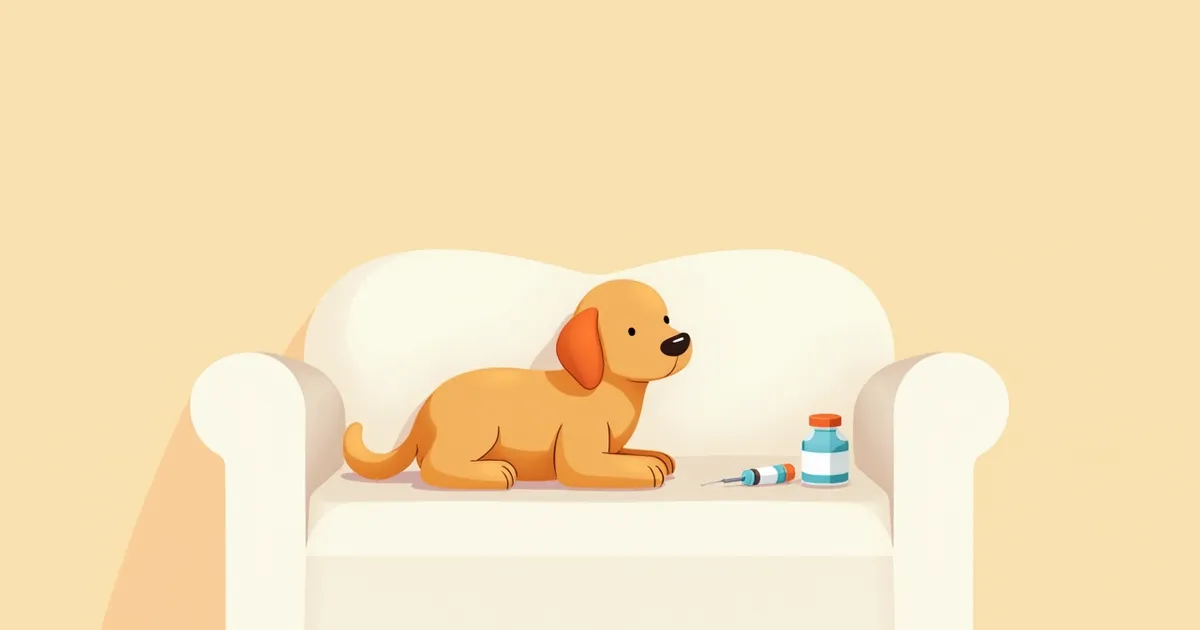
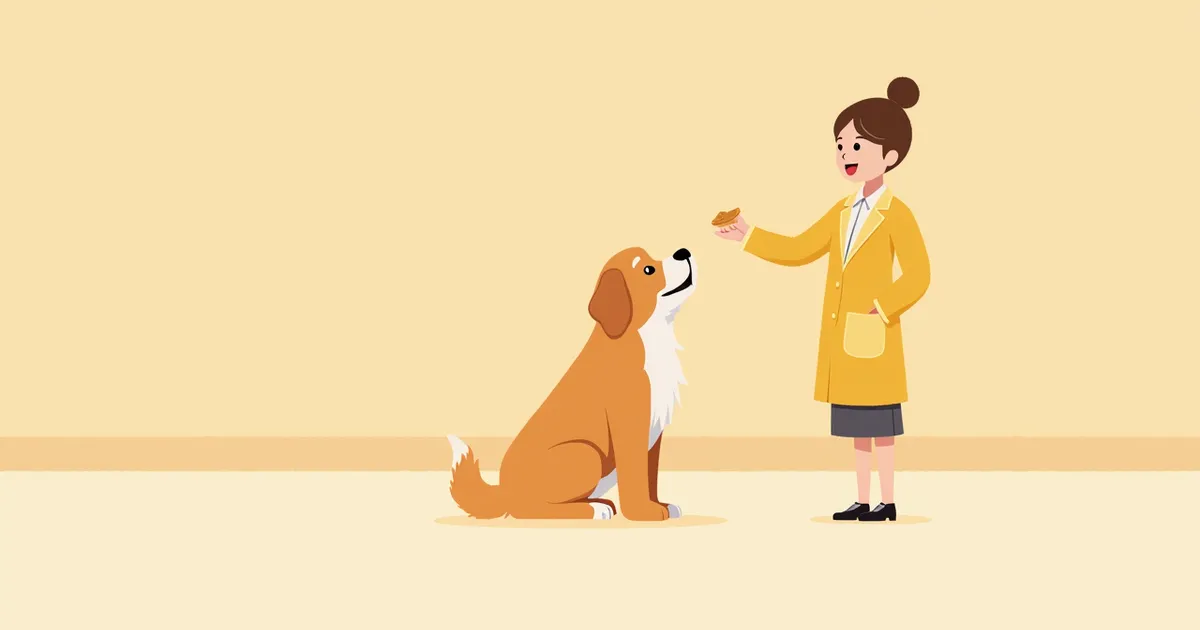
A puppy taking medicine prescribed by a veterinarian.

Management Tips at Home

Consistent medication administration is the most important part of treatment. Establish a routine of giving the medication once daily at the same time each day. It is best to administer the drug consistently, following the method and intervals prescribed by your veterinarian. Additionally, regular veterinary visits are necessary to monitor hormone levels and treatment response through blood tests. Keeping a steady record of changes in weight, activity level, and skin condition will help you assess the effectiveness of the treatment. Reducing stress and maintaining a regular daily routine are also important.
Regular Medication: Administer once daily at the same time.
Administration Method: Consistently follow the method and intervals instructed by your veterinarian.
Regular Check-ups: Monitor your pet’s condition through blood tests on the schedule recommended by your veterinarian.
Record Keeping: Consistently track weight, activity level, and skin condition.
Puppy Health Record Notebook and Medicine Bottle

Preventing Recurrence and Breed-Specific Precautions

Certain breeds, particularly Golden Retrievers, Doberman Pinschers, Boxers, Great Danes, Irish Setters, and Siberian Huskies, have a higher genetic predisposition. Since this is a hereditary condition, it is best not to breed dogs showing signs of thyroiditis. Regular monitoring of hormone levels is essential during treatment, and abruptly stopping medication is strictly prohibited as it can cause symptoms to worsen. Consistency is the key to proper management.

Reviewed by a veterinarian

Dr. Tony — Punnawat Phongkittirak

Dr. Tony — Punnawat Phongkittirak

Veterinarian

A veterinarian who majored in veterinary medicine at Khon Kaen University, Thailand, and completed the IVSA program at North Carolina State University in the United States. Drawing on clinical experience at animal hospitals, he works in the pet healthcare field and is dedicated to building a digital care environment that connects pet parents with veterinarians.

Frequently Asked Questions

Is hypothyroidism in dogs treatable?
Yes, with consistent use of thyroid hormone supplements, most symptoms improve. While lifelong treatment may be necessary, your pet can maintain a normal, healthy life.
Will the symptoms return if I stop the medication?
Yes, stopping the medication abruptly can cause hormone levels to drop again, leading to a recurrence of symptoms. It’s essential to consult with your veterinarian before making any adjustments.
What side effects might occur after taking the medication?
An overdose can lead to thyroid hormone toxicity, causing symptoms such as a rapid heart rate, panting, nervousness, weight loss, and increased drinking and urination. Your veterinarian will adjust the dosage based on regular check-ups.
How should I administer food and medication?
It’s best to give the medication once daily at the same time, following the veterinarian’s instructions consistently. Since other medications or food can affect absorption, please consult your veterinarian before making any changes to the dosing routine.
How often should regular check-ups be performed?
In the early stages of treatment, we’ll run tests more frequently. Once your pet’s condition stabilizes, we’ll monitor their progress through blood work and clinical signs at intervals recommended by your veterinarian.

Share

Related Guides

References

[1] Peterson ME, Kintzer PP, Hurvitz AI. Methimazole treatment of 262 cats with hyperthyroidism. J Vet Intern Med. 1988;2:150.

[2] Fox P, Peterson M, Broussard J. Electrocardiographic and radiographic changes in cats with hyperthyroidism: comparison of populations evaluated during 1992-1993 vs. 1979-1982. J Am Anim Hosp Assoc. 1998;35:27.

[3] Hill P, Warman S, Shawcross G. 100 Top Consultations in Small Animal General Practice. Blackwell Publishing Ltd, 2011.

This information is based on veterinary literature and does not replace diagnosis or treatment. Please consult a veterinarian for specific health concerns.

Metapet Co., Ltd. | CEO: Park Sung-yong | Business Reg. No. 417-88-02562 | Seoul, South Korea | Customer Center

Dog Gaining Weight & Losing Hair? Hypothyroidism Warning Signs | Meongsiljang