Like
Share
멍실장
고양이 안구 건조증 치료(사이클로스포린) 증상과 원인, 진단·치료와 관리 포인트 총정리

If Your Cat’s Eyes Are Constantly Dry and Sticky — Key Points on Keratoconjunctivitis Sicca and Cyclosporine Treatment

Eye HealthDiseasesMeongsiljang Veterinary Advisory Board

Feline dry eye, or keratoconjunctivitis sicca, occurs when insufficient tear production leads to dryness and inflammation of the eyes. Cyclosporine is the primary treatment for this condition. Early diagnosis and consistent management are essential.

Feline Dry Eye Is a Condition of Insufficient Tear Production
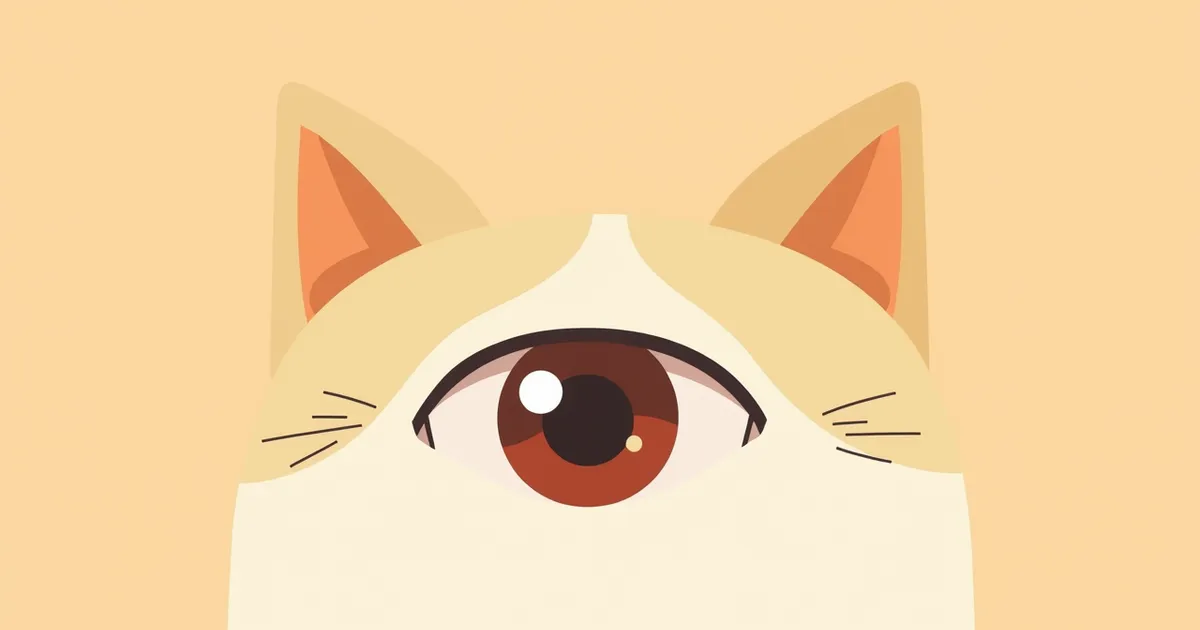
The eye condition of a cat suffering from dry eye syndrome
Feline dry eye, or keratoconjunctivitis sicca, is a condition in which the tear glands don’t produce enough of the watery component of tears. This leads to a dry ocular surface, inflammation, and an increased risk of infection. - Tear deficiency: When the tear film becomes unstable, the cornea loses its protective barrier, raising the risk of damage. - Autoimmune response: The most common cause is an immune-mediated disease in which the immune system mistakenly attacks the tear gland tissue. - Congenital or genetic predisposition: Some cats develop the condition due to inherited or congenital factors. - Medications, trauma, and neurological factors: Certain drugs (such as sulfonamides, etodolac, and atropine), eye injuries, nerve damage, or surgical removal of the third eyelid gland can also trigger the disease. Early diagnosis and consistent management are essential to preserving your cat’s vision.

The Main Causes Are Immune-Mediated Responses and Genetic Factors

The most common cause of feline dry eye is an immune-mediated (autoimmune) disease in which the immune system attacks the lacrimal gland tissue. This impairs tear production and can worsen dryness over time. - Immune-mediated mechanism: In most cases, immune cells mistakenly recognize and damage the lacrimal glands. - Congenital and genetic predisposition: Some cats have inherent or hereditary vulnerabilities that contribute to the condition. - Trauma and third eyelid gland removal: Eye injuries or surgical removal of the third eyelid gland can affect tear production. - Medications and neurological factors: Certain drugs, such as sulfonamides, etodolac, and atropine, as well as neurological issues, may suppress tear production. Early detection and identifying the underlying cause are the first steps toward effective treatment.
Inflammation of a cat’s tear ducts

Check for Key Symptoms and Signs

The main signs of feline dry eye include redness and sticky discharge from the eyes. Cats may also blink frequently or rub their eyes. In severe cases, the cornea can become cloudy or scarred. Early detection significantly improves treatment success rates. Be sure to check for the following signs.
Redness: The white part of the eye turns red.
Mucous discharge: Sticky tears are produced continuously.
Increased blinking frequency: The cat blinks often due to discomfort.
Eye rubbing: The cat repeatedly scratches or rubs its eyes.
Decreased vision: The cat may squint or avoid light.
Eye redness and discharge caused by dry eye syndrome

Signs That Require an Immediate Veterinary Visit

If your pet’s eyes are severely bloodshot, if they can’t open their eyes, or if their tears look blood-tinged, consult a veterinarian immediately. These are signs of corneal damage or a progressing infection. Delayed treatment can lead to vision loss. This is an emergency, so a veterinary visit within 24 hours is essential.

Multiple Tests Are Needed for an Accurate Diagnosis
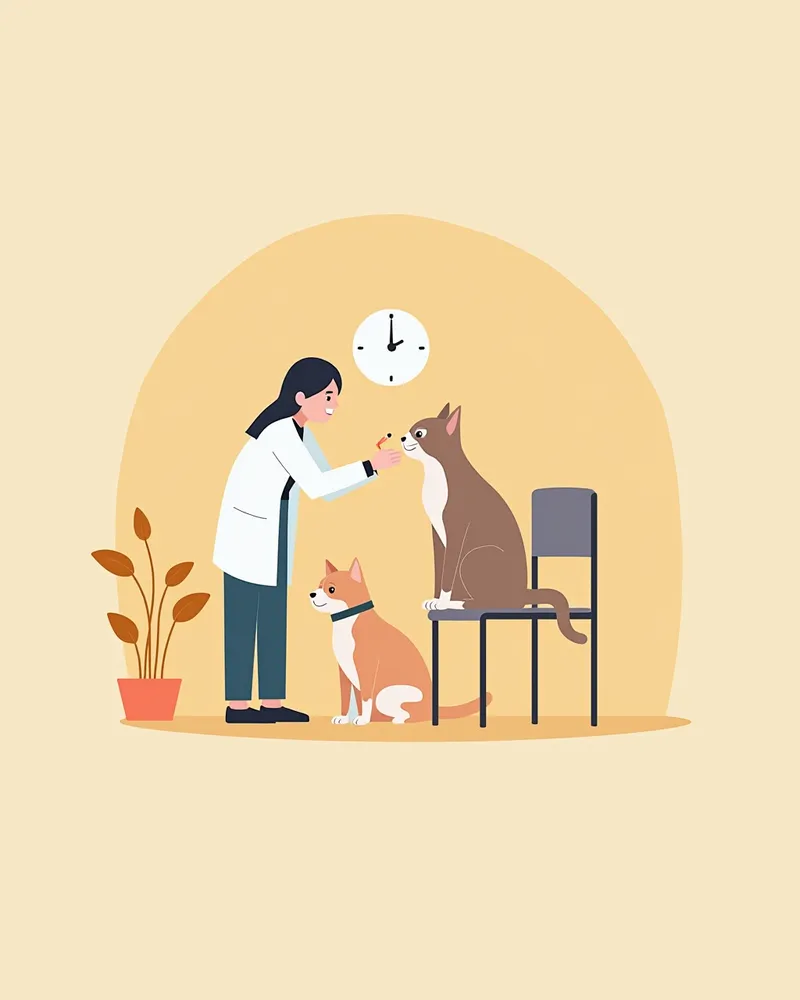
Diagnosing feline dry eye (keratoconjunctivitis sicca) based on symptoms alone is difficult, so several tests are required. Schirmer tear test: This basic test measures tear production by checking the amount of tears secreted in one minute. A normal value is approximately 17 mm/min, and a value below 5 mm/min suggests dry eye; however, since cats can have low readings even when healthy, clinical symptoms are evaluated alongside the test results. - Fluorescein staining: This test checks for corneal damage (ulcers), with damaged areas becoming visible through staining. - Palpebral and corneal reflex tests: These assess whether the reflexes for closing or protecting the eyes are normal. - Tear film evaluation: This examines deficiencies in the aqueous, mucin, and lipid components of the tear film to determine the type of dry eye. - Overall health assessment: A systemic examination is also performed to identify any connections with other diseases. An accurate diagnosis enables tailored treatment.
Performing the Stevenson test on a cat

Cyclosporine Eye Drops Are the Cornerstone of Treatment

The primary treatment for feline dry eye is topical cyclosporine eye drops. This medication suppresses the immune response to help restore lacrimal gland function and promote tear production. - Mechanism of cyclosporine: As a calcineurin inhibitor, it suppresses T-cell activity to prevent immune-mediated damage to the lacrimal glands. - Dosing frequency: The number of administrations and dosage must be followed exactly as directed by your veterinarian. - Treatment duration: It may take time for effects to appear, and consistent long-term use is often necessary. - Managing side effects: Hypersensitivity reactions or gastrointestinal upset may occur; consult your veterinarian if any adverse reactions arise. - Regular check-ups: Continue regular monitoring with your veterinarian during treatment. For immune-mediated dry eye, the goal is to stabilize symptoms through consistent management rather than seeking a complete cure.
Cyclosporine eye drops for cats

Home Care and Precautions

During treatment, gently wipe your pet’s eyes frequently, but avoid using harsh cleansers. Accumulated debris around the eyes can increase the risk of infection. Maintain indoor humidity and keep your pet away from direct drafts. Since cyclosporine may cause side effects with long-term use, regular veterinary check-ups are essential. Work with your veterinarian to develop a management plan.
Maintain humidity: Keep indoor humidity between 40% and 60%.
Eye cleaning: Gently wipe with a soft cloth.
Medication administration: Administer medication strictly at the correct times and frequency.
Regular check-ups: Visit your veterinarian every 1 to 2 months.
A cat resting comfortably in a humidity-controlled environment.

Certain Breeds Are at Higher Risk

Dry eye can be more prevalent in cats with congenital or genetic predispositions. Regular eye examinations are recommended for cats suspected of having a family history or congenital factors. Early detection and consistent care can help prevent complications such as corneal damage or secondary infections. If you have any concerns, work with your veterinarian to develop a management plan.

Reviewed by a veterinarian

Dr. Tony — Punnawat Phongkittirak

Dr. Tony — Punnawat Phongkittirak

Veterinarian

A veterinarian who majored in veterinary medicine at Khon Kaen University, Thailand, and completed the IVSA program at North Carolina State University in the United States. Drawing on clinical experience at animal hospitals, he works in the pet healthcare field and is dedicated to building a digital care environment that connects pet parents with veterinarians.

Frequently Asked Questions

How long should I use cyclosporine eye drops?
It may take some time for the treatment to show its effects, and even if symptoms improve, continue using it consistently as directed by your veterinarian. If you stop immunemediated dry eye on your own, it can recur or worsen, so be sure to consult your vet before discontinuing use.
Are there any side effects associated with cyclosporine eye drops?
Some cats may experience irritation upon application of the medication, and cyclosporine has been associated with hypersensitivity reactions and gastrointestinal disturbances. If any adverse reactions occur, consult your veterinarian, and have your cat’s condition monitored through regular check-ups during treatment.
What should I do if I miss a dose of eye drops?
If you miss a dose, give it as soon as you remember on the same day, then resume the regular schedule the next day. Do not double up on doses. When in doubt, consult your veterinarian for guidance.
Can dry eye be cured?
It depends on the underlying cause. If an immune-mediated reaction is to blame, long-term management is necessary. However, with appropriate treatment and care, most cats can achieve stable symptoms and maintain their normal daily lives.
How can I clean my pet’s eyes at home?
Gently wipe around your pet’s eyes using a soft cotton pad or a specialized eye wipe. Use only water or a jelly-type cleanser recommended by your veterinarian. Avoid strong cleansers.

Cyclosporine vs. Tacrolimus: Comparing Treatment Efficacy

ItemCyclosporineTacrolimus
Drug ClassCalcineurin inhibitorCalcineurin inhibitor
Mechanism of ActionSuppresses T-cell activitySuppresses T-cell activity
Ophthalmic UseUsed as a topical immunosuppressantUsed as a topical immunosuppressant
Known Side EffectsHypersensitivity reactions, gastrointestinal disturbances reportedLimited data

Both cyclosporine and tacrolimus are calcineurin inhibitors that are topical immunosuppressants suppressing T-cell activity. Specific superiority in terms of onset of effect, frequency of side effects, cost, etc. is difficult to determine from the presented evidence alone, so decide on the drug choice in consultation with your veterinarian.

Share

Related Guides
References

[1] Dodi PL. Immune-mediated keratoconjunctivitis sicca in dogs: current perspectives on management. Vet Med (Auckl). 2015;6:341–347.

[2] Hendrix DV, Adkins EA, Ward DA, Stuffle J, Skorobohach B. An investigation comparing the efficacy of topical ocular application of tacrolimus and cyclosporine in dogs. Vet Med Int. 2011;2011:487592.

[3] Plumb's Veterinary Drug Handbook, 10th Ed. Wiley Blackwell, 2023.

This information is based on veterinary literature and does not replace diagnosis or treatment. Please consult a veterinarian for specific health concerns.

Metapet Co., Ltd. | CEO: Park Sung-yong | Business Reg. No. 417-88-02562 | Seoul, South Korea | Customer Center

Cat's Eyes Always Dry & Sticky? KCS and Cyclosporine Treatment | Meongsiljang