

Cat Oral Hygiene Products: Comparison, Symptoms, Causes, Diagnosis, Treatment, and Care Points
Cat oral hygiene products play an important role in preventing periodontal disease and maintaining oral health. The key lies in choosing the right product and using it correctly.
Cat Oral Hygiene Products Are Essential Tools for Maintaining Oral Health

The Main Causes of Oral Issues Are Bacterial Proliferation and Tartar Buildup
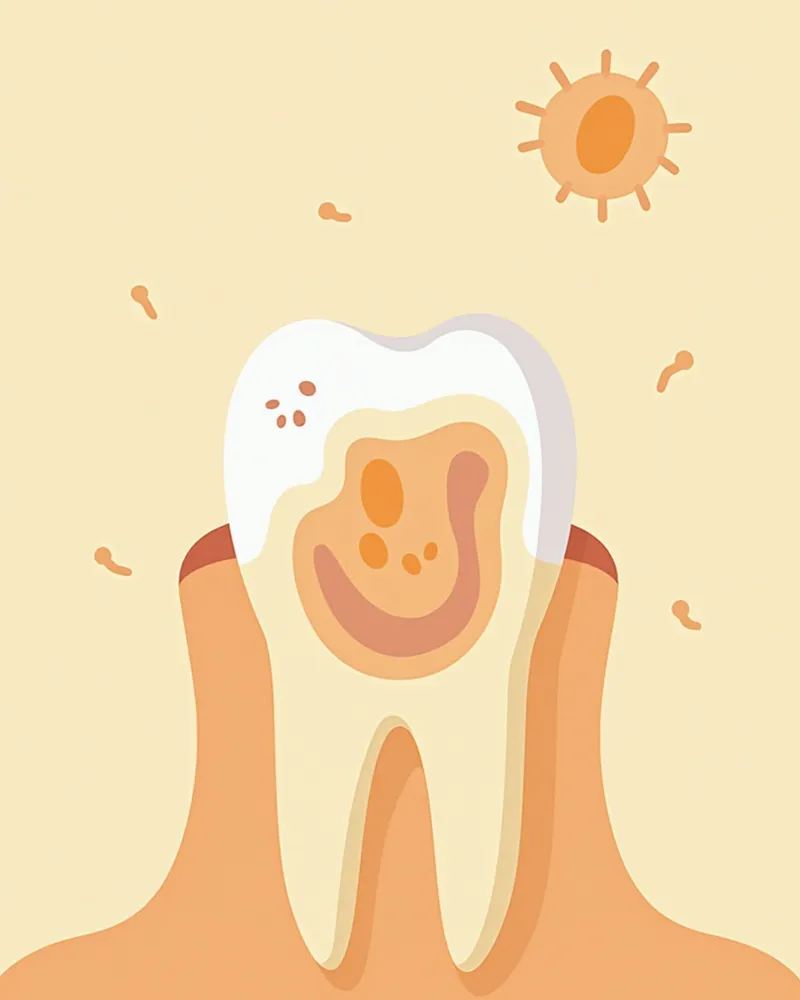
The Main Symptoms of Oral Issues Are Bad Breath and Gum Changes

Immediate Veterinary Visit Is Required for Severe Bad Breath or Tooth Loss
Severe bad breath or tooth loss indicates that periodontal disease has already progressed significantly. Advanced periodontal disease can lead to serious local and surrounding tissue complications, such as pathological jaw fractures or damage around the eyes, so immediate veterinary examination and treatment are essential at this stage.
Cat Oral Hygiene Product Comparison Chart
| Item | Main Ingredients | How to Use | Recommended Frequency |
|---|---|---|---|
| Oral rinse | Chlorhexidine, glucosamine | Dilute in water and mix into food, or apply to a toothbrush | 1–2 times daily |
| Oral spray | Chlorhexidine, tea tree oil | Spray directly into the mouth | Once daily |
| Oral gel | N-acetylcysteine, hyaluronic acid | Apply directly to the teeth | Once daily |
| Dental pencil | Nylon floss, natural flavoring | Rub and clean the teeth | 2–3 times per week |
Choose products recommended by your veterinarian. Alcohol, artificial fragrances, and artificial colorants should be avoided.
Cat Oral Cleaning Product Comparison Chart

Treatment Is Divided Into Tartar Removal, Medication, and Preventive Care

At-Home Care Centers on Product Selection and Consistent Use
Oral Hygiene Products Directly Affect a Cat’s Health, So Choose Carefully
Because a cat's mouth is sensitive, products with unstable or irritating ingredients can actually worsen inflammation. It's safest to use products recommended by your veterinarian.
Reviewed by a veterinarian

Dr. Tony — Punnawat Phongkittirak
VeterinarianA veterinarian who majored in veterinary medicine at Khon Kaen University, Thailand, and completed the IVSA program at North Carolina State University in the United States. Drawing on clinical experience at animal hospitals, he works in the pet healthcare field and is dedicated to building a digital care environment that connects pet parents with veterinarians.
Reviewed 2026-06-07
Frequently Asked Questions
Is it safe to use an oral rinse every day?
Is it safe for my pet to ingest oral rinses?
Will using a mouthwash eliminate bad breath?
Will using a mouthwash cause tartar to build up again?
Will my cat reject the use of an oral rinse?
Share
Related Guides

7 Best Cat Dental Chews for Tartar Prevention Recommended by Veterinarians and Selection Criteria

Top 5 Recommended Dental Treats for Dogs in 2026 — VOHC Certification Criteria

7 Criteria for Choosing Dog Tartar Prevention Dental Chews Recommended by Veterinarians

Don't Ignore Lumps or Bleeding in Your Cat's Mouth — Symptoms and the Golden Window for Oral Squamous Cell Carcinoma

Why Is My Cat Not Eating? Causes of Oral Pain and When to Visit the Vet

Oral Bacteria in Cats Affecting the Heart and Kidneys? — Warning Signs of Systemic Disease and Management Timing

If Your Cat’s Gums Are Red and Swollen — Causes of Gingivitis and When to Treat

Feline Dental Scaling and Tartar Removal: Symptoms, Causes, Diagnosis, Treatment, and Care Essentials

Complete Guide to Canine Tumor Biopsy and Fine-Needle Aspiration (FNA) — How to Distinguish Benign from Malignant

If You Feel a Lump Near Your Dog’s Anus — Symptoms and Treatment Points for Perianal Gland Tumors
References
[1] BSAVA Manual of Canine and Feline Dermatology, 4th Ed, 2020
[2] Applied Veterinary Clinical Nutrition, 2nd Ed, 2018
[3] The Cat, Clinical Medicine and Management, 2nd Edition, 2019