
Like
Share
멍실장
강아지 신장 기능 보조제(오메가3 등) 증상과 원인, 진단·치료와 관리 포인트 총정리

Can I Give Omega-3 to a Dog with Poor Kidney Function? — Supplement Effects and Precautions

KidneyDiseasesMeongsiljang Veterinary Advisory Board

Kidney support supplements for dogs help manage chronic kidney disease. Omega-3 fatty acids are effective in reducing inflammation and protecting the kidneys.

What Are Kidney Support Supplements for Dogs (Omega-3, etc.)?
Comparison image of a healthy versus damaged dog kidney
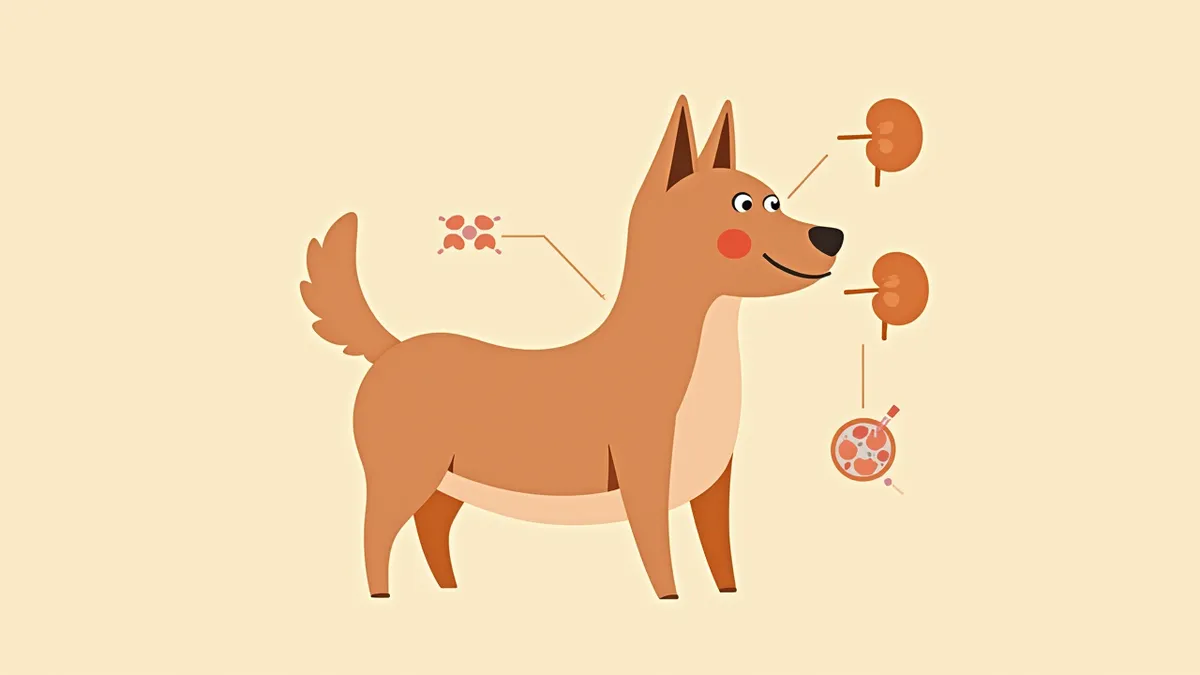
Kidney support supplements for dogs help slow the progression of chronic kidney disease and protect kidney function. In particular, omega-3 fatty acids contain EPA and DHA, which reduce inflammatory responses and improve blood flow within the kidneys, thereby helping to maintain renal function. - Omega-3: Plays a crucial role in alleviating inflammation and improving blood flow within the kidneys. - Consult a veterinarian before use: It is essential to confirm the appropriate dosage and administration method based on your pet’s individual health status. - Regular monitoring is necessary: Work with your veterinarian to monitor effectiveness and check for any side effects. - Not a standalone treatment: These supplements should be used in conjunction with medication and dietary management. - Dietary management is central: Kidney support supplements are merely an adjunct to slow disease progression; the primary treatment involves a low-protein, low-phosphorus diet.

What Are the Main Causes of Declining Kidney Function?

Kidney function decline in dogs can result from various factors, including aging, genetic predisposition, chronic infections, drug toxicity, and severe dehydration. It is particularly common in senior dogs, and a high-protein diet combined with insufficient water intake also poses a risk. - Aging: The function of kidney cells gradually declines. - Genetic factors: Certain breeds are more susceptible to kidney disease. - Chronic infections: These can cause prolonged inflammation in the kidneys. - Drug toxicity: Specific medications can damage the kidneys. - Insufficient hydration: Dehydration can rapidly worsen kidney function. Regular check-ups are essential for early detection.
An elderly dog undergoing a routine checkup

Check for Key Symptoms and Signs

The early signs of declining kidney function in dogs often begin with subtle changes, so close observation is essential.
Excessive thirst: Your dog may suddenly start drinking water multiple times a day. This can signal impaired fluid regulation due to reduced kidney function.
Frequent urination: An increase in the number of times your dog urinates each day may indicate a decline in the kidneys' filtering ability.
Weight loss: A decrease in appetite can lead to noticeable weight loss.
Lethargy: Your dog may appear sleepy throughout the day or show reduced activity levels.
Vomiting: Repeated vomiting after meals or a complete lack of appetite may occur.
If these symptoms persist, it is important to visit the vet immediately.
A dog that only drinks water

Signs Requiring Immediate Veterinary Visit

If your dog suddenly starts urinating much more frequently and in larger amounts, loses its appetite completely, experiences repeated vomiting, becomes lethargic, or shows signs of confusion, you should take it to the vet immediately. These could be signs of severe kidney damage. In emergency situations, fluid therapy may be necessary to correct dehydration and clear the buildup of waste products.

Diagnostic Tests for Accurate Diagnosis

Before giving your dog a kidney-support supplement, an accurate diagnosis is essential. - Blood tests: Evaluate kidney filtration function by measuring creatinine and BUN levels. - Urinalysis: Check for protein in the urine to assess the extent of kidney damage. - Ultrasound: Visually examine the size, shape, and structure of the kidneys. Kidney biopsy (if needed): An additional test to identify the exact cause of the lesion. - Comprehensive evaluation: The veterinarian will make a diagnosis by considering symptoms, age, weight, and other factors. Early detection improves treatment success rates.
An ultrasound examination of a puppy’s kidneys

Treatment Methods and Step-by-Step Management

Kidney support supplements for dogs are used as an important adjunct to treatment. - Omega-3 supplementation: Helps reduce inflammation and improve blood flow within the kidneys. Proper dosing and consistent administration are key. - Low-protein diet: Protein intake is regulated to reduce the burden on the kidneys. This is one of the core components of treatment. - Hydration: Essential for preventing dehydration and maintaining kidney function. Always provide fresh water to encourage frequent drinking. - Medication: Prescribed to manage complications such as hypertension, anemia, and metabolic acidosis. - Regular check-ups: Follow your veterinarian’s guidance for routine tests to monitor treatment efficacy and any changes in your dog’s condition. Long-term management is the key to success.
A dog eating special food for kidney health

Management Points at Home

When giving your dog a kidney support supplement, it’s important to administer it consistently at the same time each day. - Water access: Always provide fresh, clean water to encourage frequent drinking. - Diet management: Follow the dietary plan recommended by your veterinarian to maintain a healthy weight and overall well-being. - Minimize stress: Keep your dog in a calm environment and maintain a consistent daily routine. - Activity management: Avoid excessive exercise and stick to moderate walks. - Regular check-ups: Consult with your veterinarian every one to two months to monitor your dog’s condition. Consistent care significantly improves quality of life.
A puppy resting comfortably in a quiet environment.

Breed-Specific Precautions and Prevention of Recurrence

Certain breeds may be genetically predisposed to kidney disease. According to veterinary textbooks, specific renal conditions have been reported in particular breeds, such as amyloidosis in Shar-Peis and Beagles, Fanconi syndrome in Basenjis, and polycystic kidney disease in Cairn Terriers, Bull Terriers, and Persian cats. Even while using supplements, regular check-ups are essential to monitor your pet’s condition. Additionally, be cautious of excessive protein intake and dehydration, as these can worsen the disease.

Reviewed by a veterinarian

Dr. Tony — Punnawat Phongkittirak

Dr. Tony — Punnawat Phongkittirak

Veterinarian

A veterinarian who majored in veterinary medicine at Khon Kaen University, Thailand, and completed the IVSA program at North Carolina State University in the United States. Drawing on clinical experience at animal hospitals, he works in the pet healthcare field and is dedicated to building a digital care environment that connects pet parents with veterinarians.

Frequently Asked Questions

When should I start giving my dog a kidney supplement?
Supplements may help in the early stages of chronic kidney disease, but their preventive effects are not guaranteed. It’s safest to consult with your veterinarian and start them at the appropriate time.
What ingredients are important in omega-3 supplements?
EPA and DHA are the key ingredients. These two components help suppress inflammatory responses and improve blood flow within the kidneys. When choosing a supplement, be sure to check the EPA and DHA content.
Can supplements interact with medications?
Because this supplement may interact with other medications, please be sure to tell your veterinarian about any drugs your pet is currently taking before starting the supplement.
Will giving supplements change the smell of my pet’s urine?
There’s no evidence that omega-3 supplements directly change urine odor. If the smell worsens or you notice blood in the urine, please visit a vet right away.
Will symptoms return if I stop the supplement?
Supplements are tools to help alleviate symptoms, not a substitute for proper treatment. Consistent use is important because stopping them may cause the condition to worsen again.

Share

Related Guides

References

[1] BSAVA Manual of Canine and Feline Dermatology, 4th Ed, 2020

[2] Clinical Medicine of the Dog and Cat, 4th Ed, 2019

[3] NRC (National Research Council). Nutrient Requirements of Dogs and Cats, 2006

This information is based on veterinary literature and does not replace diagnosis or treatment. Please consult a veterinarian for specific health concerns.

Metapet Co., Ltd. | CEO: Park Sung-yong | Business Reg. No. 417-88-02562 | Seoul, South Korea | Customer Center

Omega-3 for Dogs with Kidney Issues: Effects & Precautions | Meongsiljang