Like
Share
멍실장
강아지 개 회충(톡소카라) 증상과 원인, 진단·치료와 관리 포인트 총정리

Puppy Dog Roundworm (Toxocara): Symptoms, Causes, Diagnosis, Treatment, and Management Essentials

Infection/ParasitesDiseasesMeongsiljang Veterinary Advisory Board

Roundworm infections (Toxocara) in puppies are a serious parasitic condition that can occur from infancy and may cause gastrointestinal symptoms and neurological abnormalities. Early diagnosis and systematic treatment are essential.

What Are Puppy Dog Roundworms (Toxocara)?

Microscopic image of Toxocara canis (dog roundworm) eggs
Dog roundworms (Toxocara) are parasitic worms belonging to the Toxocara genus. They primarily reside in a puppy’s small intestine and can also infect humans. - Adult worms: They live in the puppy’s small intestine, absorbing nutrients to grow. - Larval migration: Larvae migrate to various organs, potentially causing damage to the lungs, liver, brain, and other tissues. - Transmission routes: Infection spreads through the mother’s mammary glands, contaminated soil, or food. - Severity: In young puppies, infection can lead to stunted growth and even be life-threatening. - Importance of prevention: Early diagnosis and systematic management are essential.

What Are the Main Causes of Puppy Dog Roundworms (Toxocara)?
Puppies can be born with roundworms (Toxocara) through transplacental transmission from their mother. - Maternal transmission: Larvae can be passed to newborn puppies through the mother’s mammary glands. - Environmental contamination: Infection can occur when puppies ingest eggs from contaminated soil or food. - Behavioral risks: Puppies that lick the ground or eat soil are at higher risk of infection. - Contact with other dogs’ feces: If infected dog feces contaminate the soil, puppies can become infected by walking or playing in those areas. - Prevention-focused approach: Managing the environment to block infection routes is essential.
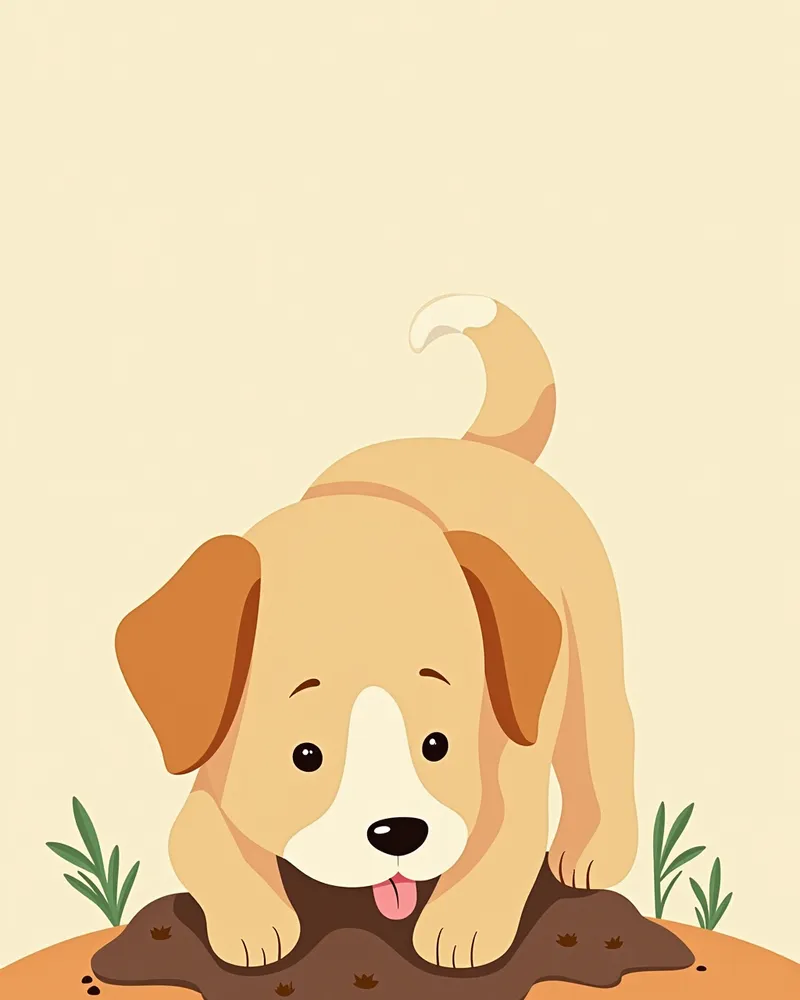
An image of a puppy licking soil, alongside a depiction of soil containing roundworm eggs.

What Are the Main Symptoms of Puppy Dog Roundworms (Toxocara)?

When puppies are infected with roundworms (Toxocara), they commonly exhibit vomiting, small intestinal diarrhea, decreased appetite, general decline in health, and a distended abdomen known as a "pot-belly." - Digestive issues: Intestinal parasitism interferes with nutrient absorption, leading to weight loss and overall weakness. - Respiratory symptoms: As larvae migrate to the lungs, coughing and rapid breathing may occur. - Severe infection: A heavy worm burden can lead to small intestinal obstruction or intussusception, which is dangerous. - Growth retardation: In young puppies, infections can result in stillbirth, neonatal mortality, or chronic developmental delays. - Importance of early detection: Symptoms may be mild, making regular veterinary check-ups essential.
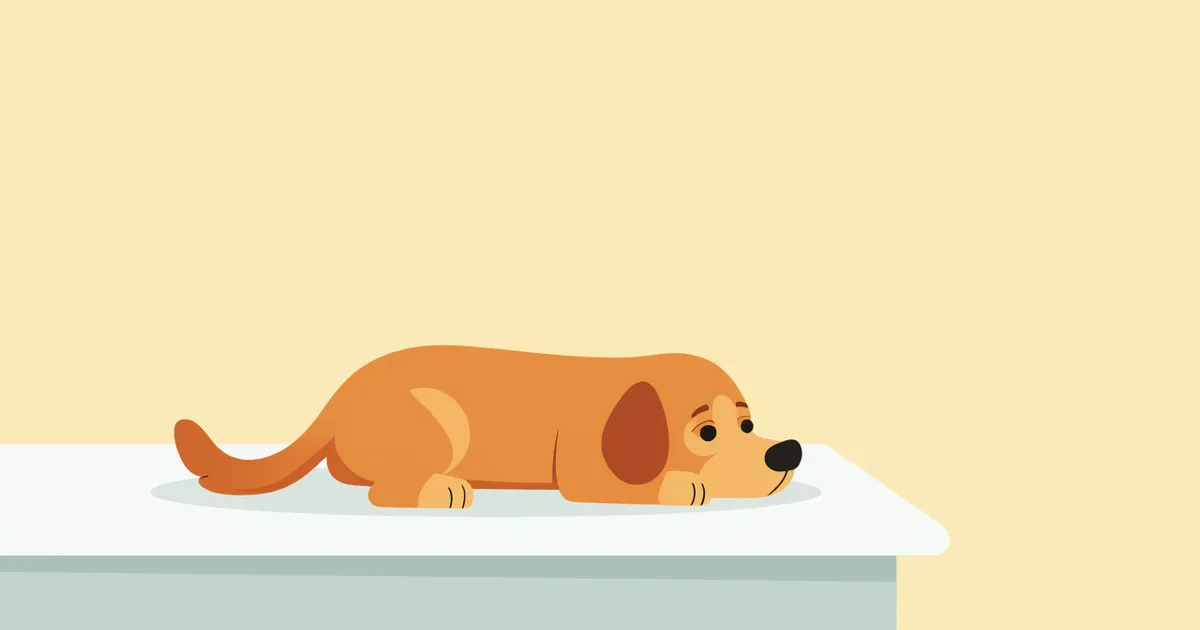
A young puppy with a full belly

Symptoms Requiring Immediate Veterinary Visit

If your dog suddenly develops severe coughing or rapid breathing, seek veterinary care immediately. When larvae migrate to the lungs, they can cause coughing and tachypnea. A heavy burden of roundworms may lead to small intestinal obstruction or intussusception, resulting in severe vomiting, abdominal pain, and recurrent diarrhea. These conditions are life-threatening, so prompt diagnosis and treatment are essential.

How Are Puppy Dog Roundworms (Toxocara) Diagnosed?

Toxocara canis, the common roundworm in dogs, is diagnosed by identifying eggs in the feces using a flotation test. - Fecal examination: Characteristic thick-shelled, brown eggs are detected using either centrifugal or simple flotation methods. - Repeat testing: Since eggs may not be present in early stages, three tests spaced over 5–7 days may be necessary. - Egg characteristics: Toxocara eggs are round with a thick, rough shell, measuring approximately 90×75 μm. - Clinical signs: Diagnosis is made in conjunction with clinical signs in puppies, such as pot-bellied appearance, diarrhea, and vomiting. - Veterinary diagnosis: Always consult a veterinarian for accurate diagnosis and appropriate treatment.
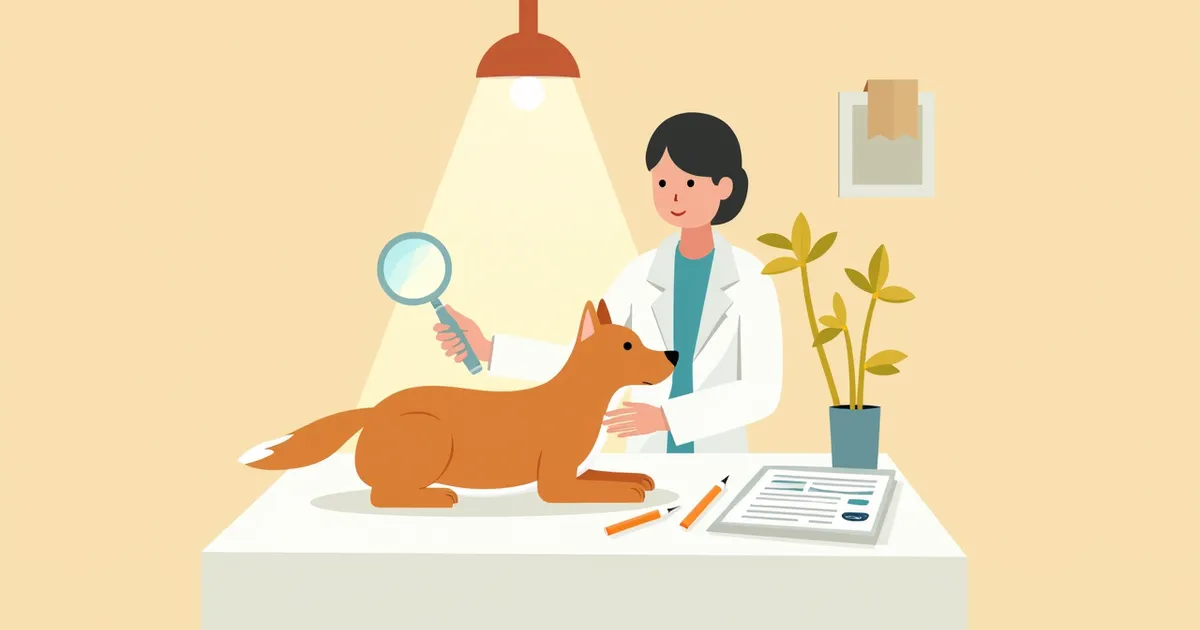
An image showing a veterinarian observing roundworm eggs during a fecal examination

How Are Puppy Dog Roundworms (Toxocara) Treated?
Treatment for roundworms (Toxocara) in dogs typically involves deworming medications such as pyrantel pamoate, fenbendazole, piperazine, and macrocyclic lactones like milbemycin oxime and moxidectin. - Drug action: The prescribed dewormer eliminates adult roundworms residing in the small intestine. - Repeat dosing: Depending on the medication, a follow-up dose may be required three weeks later. - Accurate administration: It is essential to administer the medication prescribed by your veterinarian at the exact dosage. - Supportive care: When necessary, supportive treatments such as nutritional supplementation can aid recovery. - Preventing reinfection: Consistent environmental management and preventive deworming are crucial even after treatment.
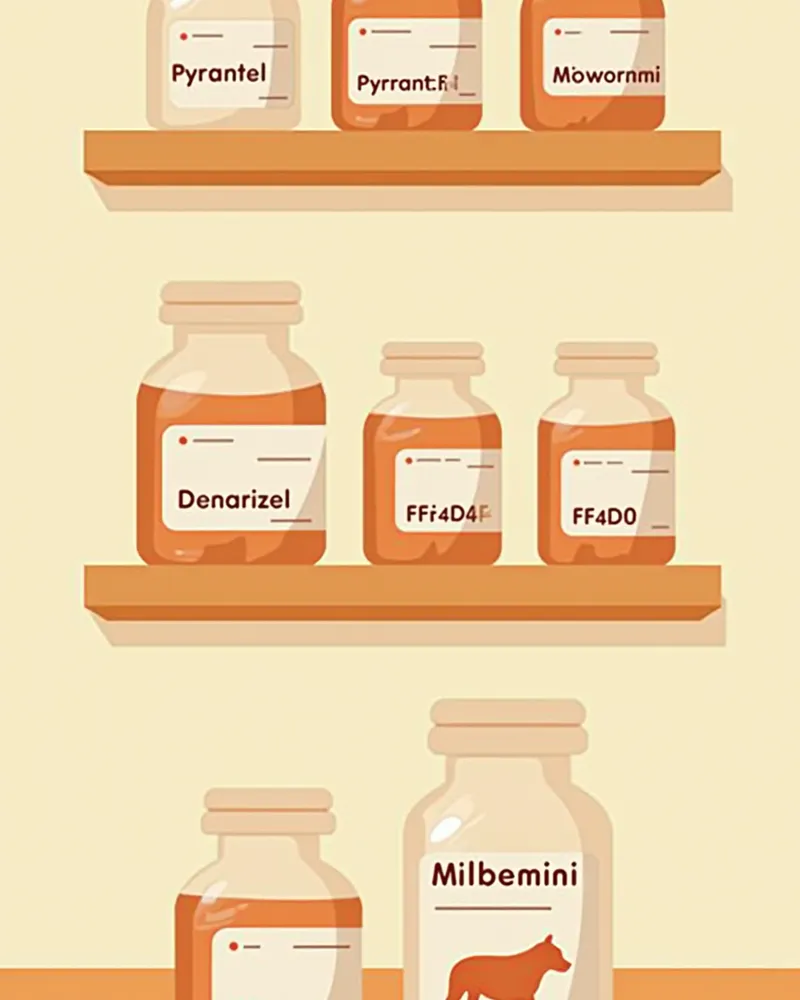
Veterinary roundworm deworming medications

Home Management Points for Puppy Dog Roundworms (Toxocara)
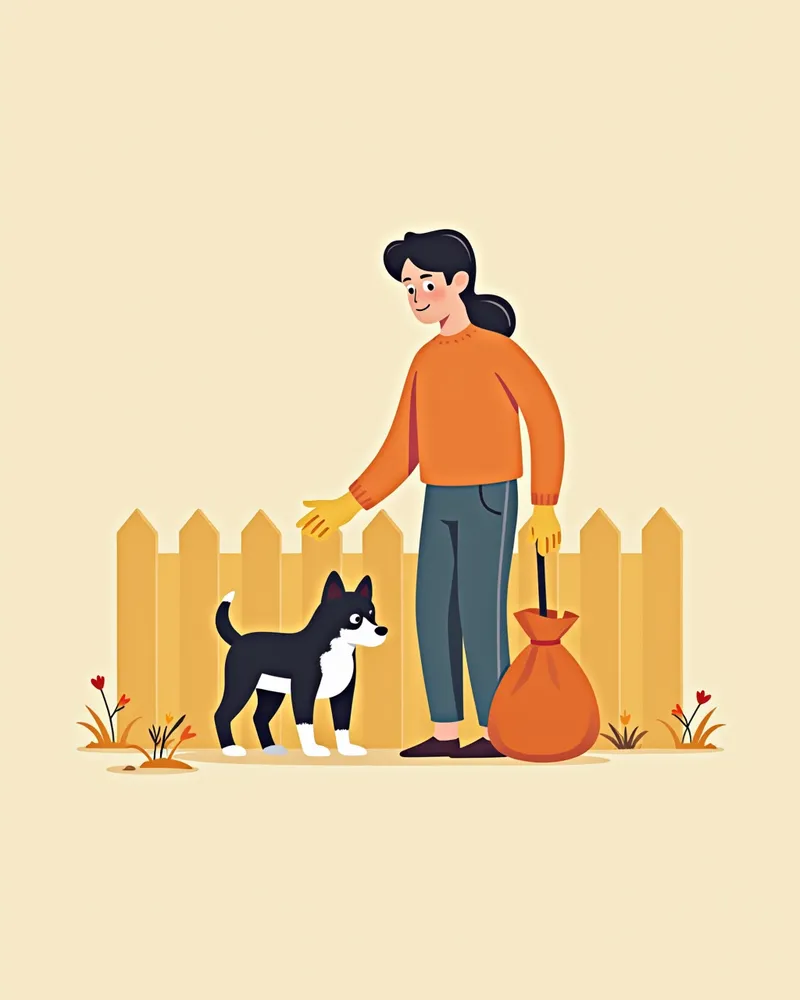
After a puppy is infected with roundworms (Toxocara), thorough environmental cleaning is essential. - Feces disposal: Collect feces immediately and disinfect them before discarding; do not store them for long periods. - Cleaning schedule: Regularly disinfect areas such as play spaces, beds, and soil. - Behavior modification: If your puppy has a habit of licking the ground, correct this behavior through training. - Preventive treatment: Consistently perform regular fecal examinations and administer preventive deworming treatments. - Environmental control: Managing the environment to block sources of infection is key to preventing reinfection.
Dog owners picking up their pets' waste

Breed-Specific Precautions and Prevention of Reinfection

Dogs frequently exposed to the outdoor environment, especially puppies at higher risk of larval infection, require particular attention. Puppies with a habit of licking the ground are also at increased risk of reinfection. Regular deworming and environmental management are essential.

Reviewed by a veterinarian

Dr. Tony — Punnawat Phongkittirak

Dr. Tony — Punnawat Phongkittirak

Veterinarian

A veterinarian who majored in veterinary medicine at Khon Kaen University, Thailand, and completed the IVSA program at North Carolina State University in the United States. Drawing on clinical experience at animal hospitals, he works in the pet healthcare field and is dedicated to building a digital care environment that connects pet parents with veterinarians.

Frequently Asked Questions

Can roundworms (Toxocara) from dogs be transmitted to humans?
Yes, humans can also become infected with Toxocara larvae. Children are especially at risk if they lick contaminated soil or put their hands in their mouths. This can lead to a condition known as Toxocara larva migrans, which includes visceral larva migrans (VLM) and ocular larva migrans (OLM).
Is it safe to give my puppy deworming medication frequently?
Regular preventive deworming is essential, and the dewormers used to treat roundworms are generally safe and easy to administer. However, it’s best to give the medication at the intervals recommended by your veterinarian.
Can my pet still be infected with roundworms even if no eggs were found in the stool test?
Yes, in the early stages of infection or before eggs have been shed, they may not show up in a fecal test. In such cases, it’s necessary to repeat the fecal examination several times over a 5- to 7-day period to confirm whether an infection is present.
What should I do if my dog vomits after taking a deworming medication for roundworms?
This could be a reaction to the medication, so please contact your veterinarian right away. Some medications can irritate the stomach. Administer the next dose only as directed by your veterinarian.
What should I do if my dog’s belly still looks swollen after deworming for roundworms?
If your pet continues to experience a feeling of fullness or indigestion after treatment, it may indicate a heavy roundworm infection or reinfection. It's a good idea to consult with your veterinarian and consider additional tests, such as a fecal examination.

Share

Related Guides

References

[1] Clinical Medicine of the Dog and Cat, 4th Ed. (2023). Elsevier.

[2] Principles and Practices of Canine and Feline Clinical Parasitic Diseases. (2022). Wiley-Blackwell.

[3] The Veterinary Workbook of Small Animal Clinical Cases. (2021). Mosby Elsevier.

This information is based on veterinary literature and does not replace diagnosis or treatment. Please consult a veterinarian for specific health concerns.

Metapet Co., Ltd. | CEO: Park Sung-yong | Business Reg. No. 417-88-02562 | Seoul, South Korea | Customer Center

Puppy Roundworm (Toxocara): Symptoms, Causes & Treatment | Meongsiljang