Like
Share
멍실장
강아지 정소(고환) 종양, 원인·증상·치료 완벽 가이드

If Your Dog’s Testicles Are Different Sizes — Warning Signs and Treatment Points for Testicular Tumors

ImmunityDiseasesMeongsiljang Veterinary Advisory Board

Testicular tumors are common in older, intact male dogs. Early detection and neutering are key to prevention and treatment.

What Are Testicular Tumors in Dogs?
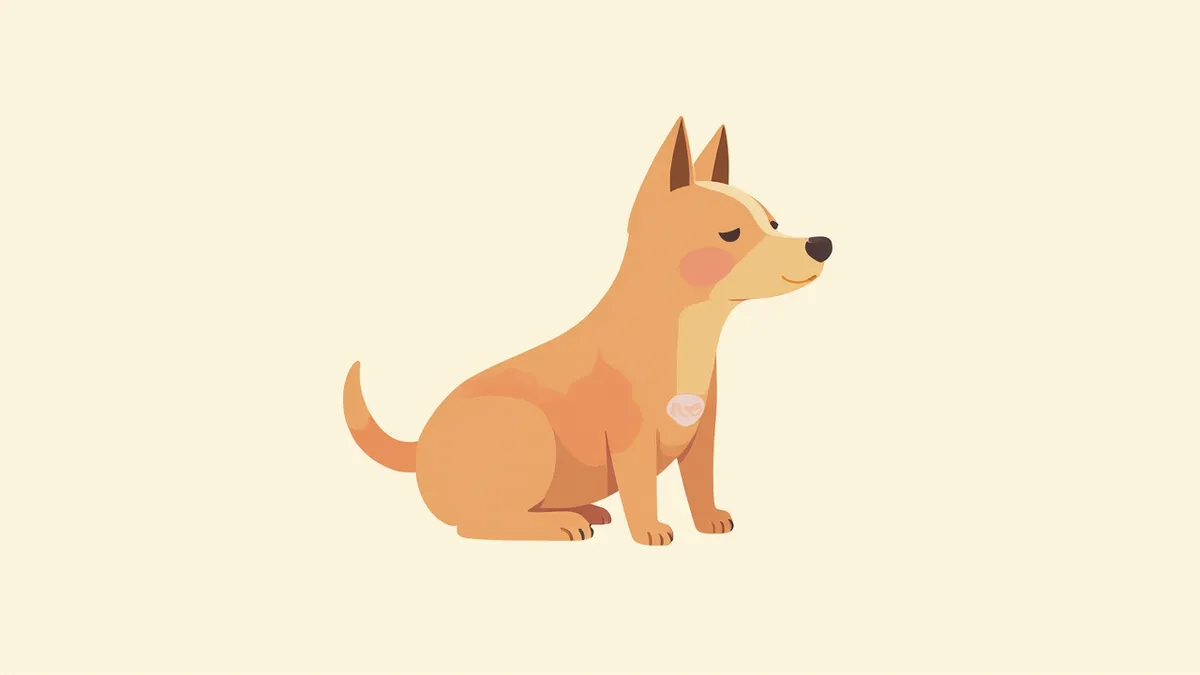
Illustration of the anatomical structure of a dog's testicles
Testicular tumors in dogs are reproductive cancers that develop in the testicular tissue of male dogs. They are especially common in intact males over the age of seven. Early detection and neutering are key. If you notice asymmetry in testicle size, swelling of the mammary glands, or symmetrical hair loss on both sides of the body, have your dog checked at a veterinary clinic right away. Most testicular tumors have a low risk of metastasis and can be cured with surgery, offering a good prognosis. However, the risk increases significantly in dogs with cryptorchidism (undescended testicles).

Causes and Pathogenesis

The biggest risk factors for testicular tumors are being intact (not neutered) and advanced age. In clinical practice, dogs diagnosed with testicular tumors are generally reported to be middle-aged to senior, typically between 6 and 16 years old. Studies have shown that even in intact males where no tumor was palpable during physical examination, approximately 28% of removed testicles showed evidence of tumors upon histopathological examination after neutering, highlighting how being intact itself increases the risk. In particular, cryptorchid testes (those retained in the abdomen or inguinal canal) are known to be more prone to developing tumors, especially Sertoli cell tumors, compared to normally positioned testes. While breed-related differences are sometimes mentioned, the most consistent and well-documented risk factors are being intact and cryptorchidism. Therefore, if there are no breeding plans, neutering is the most effective way to eliminate the risk entirely.

Three Main Types of Testicular Tumors

Most testicular tumors in dogs fall into three main types, each with its own distinct characteristics.
Sertoli cell tumor: This type overproduces female hormones, leading to feminizing symptoms such as mammary gland development, symmetrical hair loss, and skin hyperpigmentation.
Leydig cell tumor: These tumors are typically asymptomatic and are often discovered incidentally during routine health checkups. They carry the best prognosis.
Seminoma: This type is characterized by noticeable enlargement of the testicle. While the rate of metastasis is low, some cases may spread to nearby lymph nodes.
Icons representing the three types of testicular tumors

Visit the Vet Immediately If You Notice These Signs

If you notice any of the following symptoms, please visit a veterinary clinic within 24 hours: - One testicle appears noticeably enlarged or firm - There is a clear difference in size between the left and right testicles - Hair loss on the back, sides, or thighs occurs symmetrically on both sides - A male dog shows swollen mammary glands or enlarged nipples - The skin turns dark or the dog exhibits signs of itching - Loss of appetite, lethargy, or signs of anemia are present In particular, if feminizing symptoms are observed, a Sertoli cell tumor may cause bone marrow suppression, necessitating urgent evaluation.

Diagnostic Methods for Testicular Tumors

Testicular tumors are diagnosed through the following examinations:
Physical examination: The veterinarian palpates both testicles to assess size, firmness, and asymmetry (including atrophy of the contralateral testicle).
Abdominal ultrasound: This evaluates the location of cryptorchid testicles, abdominal organs, the prostate, and any signs of metastasis.
Thoracic radiographs: Chest X-rays are used to check for pulmonary metastasis. Although metastasis is rare, cases of Sertoli cell tumors spreading to the lungs have been reported, so a three-view thoracic series is performed for thorough evaluation.
Blood tests: If a Sertoli cell tumor is suspected, blood work is conducted to check for bone marrow suppression signs associated with estrogen excess, such as anemia, leukopenia, and thrombocytopenia.
Histopathology: The surgically removed testicle is examined via histopathology for a definitive diagnosis.

Comparison of the Three Types of Testicular Tumors

ItemSertoli cell tumorInterstitial (Leydig) cell tumorSeminoma
Hormonal abnormalityMarked feminization signsAlmost noneRarely present
Association with cryptorchidismVery highLowHigh
Metastasis riskLow (some risk)Very lowLow
Prognosis after treatmentGoodVery goodGood
Typical symptomsSymmetrical hair loss · mammary developmentAlmost no symptomsTesticular enlargement

Treatment — Neutering Is the Standard

The standard treatment for testicular tumors is bilateral orchiectomy (surgical removal of both testicles). Even if only one testicle is affected, both are often removed to prevent new tumors from developing in the unaffected side. In particular, for tumors in testicles that have descended into the scrotum, bilateral orchiectomy including scrotal ablation is recommended. In most cases, this single surgery is curative. In cases of cryptorchidism (retained testicles): Testicles retained within the abdominal cavity are removed via laparotomy (open abdominal surgery). Because this procedure is more extensive, the recovery period is longer. In rare cases where metastasis is confirmed: Additional diagnostic tests and treatments are determined in consultation with your veterinarian, depending on the tumor type and the extent of surgical resection. Sertoli cell tumors causing severe bone marrow suppression: Blood transfusions and supportive care may be necessary before surgery. However, estrogen-induced bone marrow suppression may recover slowly or not fully recover even after surgery, making it crucial to perform the surgery as early as possible.
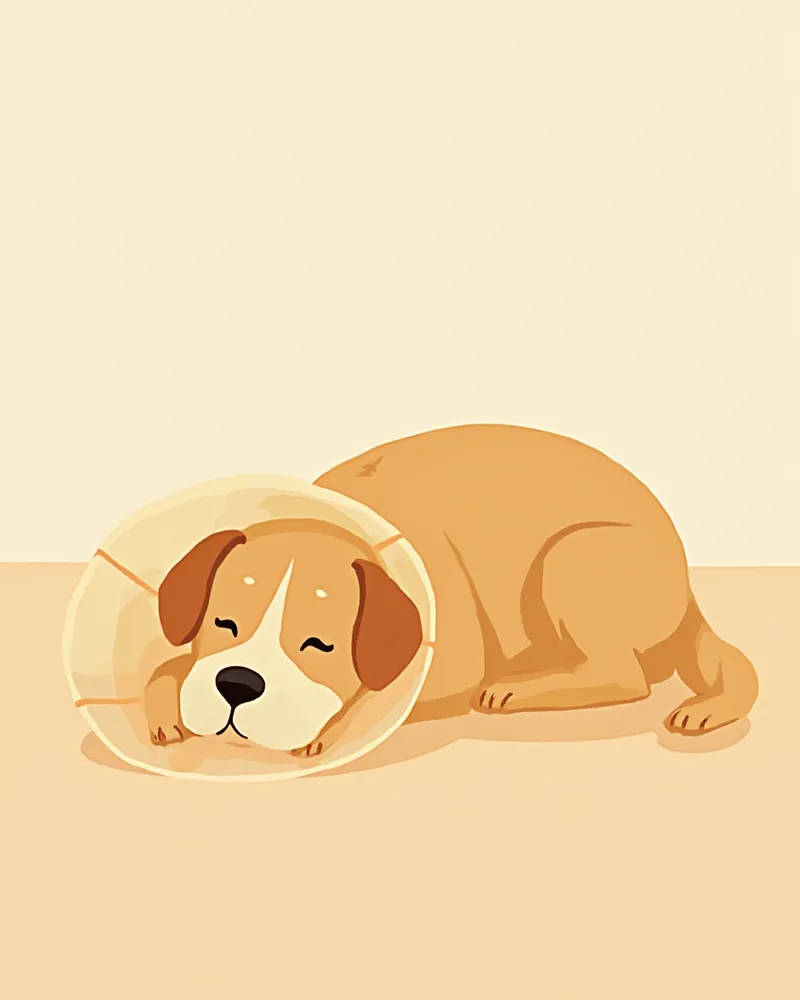
A puppy recovering after neutering surgery

Post-Surgical Home Care Points

Here are the key care points you should follow after surgery.
Surgical site: Check the wound daily for 10–14 days, monitoring for swelling, discharge, or redness.
E-collar: Keep it on for at least two weeks to prevent licking.
Activity restriction: Limit walks to short durations for two weeks, and prohibit stair climbing and jumping.
Diet: Offer a small amount of food on the day of surgery, then return to the regular diet the following day.
Follow-up visits: Sutures will be removed two weeks post-surgery, and a blood test three months later will confirm recovery of hormone levels and anemia.
If the diagnosis was a Sertoli cell tumor, it may take 2–4 months for hair loss to resolve, so there is no need to rush the process.

Prevention and Recurrence Prevention

Testicular tumors are nearly the only type of cancer that can be prevented 100% through neutering. - If you have no breeding plans, we recommend neutering between 6 and 12 months of age. - If cryptorchidism (retained testicles) is detected, immediate surgical removal of the intra-abdominal testicle is essential. - For intact males aged 7 years and older, testicular palpation is mandatory during annual health check-ups. - After bilateral orchiectomy, the risk of recurrence is negligible, so maintaining routine blood tests is sufficient. Neutering also helps prevent prostate diseases and perianal tumors, in addition to testicular cancer.

Reviewed by a veterinarian

Dr. Tony — Punnawat Phongkittirak

Dr. Tony — Punnawat Phongkittirak

Veterinarian

A veterinarian who majored in veterinary medicine at Khon Kaen University, Thailand, and completed the IVSA program at North Carolina State University in the United States. Drawing on clinical experience at animal hospitals, he works in the pet healthcare field and is dedicated to building a digital care environment that connects pet parents with veterinarians.

Frequently Asked Questions

Can senior dogs also undergo neutering surgery?
Yes, it is possible. By confirming anesthesia safety through preoperative blood tests and cardiac evaluation, even senior dogs over the age of 10 can undergo surgery safely. The risks associated with surgery are far lower than those of leaving the tumor untreated.
Are testicular tumors life-threatening in dogs?
Most testicular tumors have a low risk of metastasis and can be cured with surgery. However, some Sertoli cell tumors can produce excessive estrogen, which may suppress bone marrow function and become life-threatening, making early diagnosis crucial.
Is surgery always necessary to remove an undescended testicle?
Yes, it is essential to remove the affected testicle. Cryptorchid testes are known to have a higher risk of developing tumors, particularly Sertoli cell tumors, compared to normally positioned testes. Since intra-abdominal testes are difficult to palpate and monitor for changes, they are often detected late. Therefore, it is safest to remove them during neutering.
If the testicle has enlarged but there’s no pain, is that okay?
Not necessarily. Testicular tumors often cause little to no pain in the early stages, which is why many pet owners don’t notice them until later. Regardless of whether there’s pain, any changes in size or firmness should be evaluated by a veterinarian right away.
When will the hormonal abnormalities after surgery recover?
Feminizing signs, such as hair loss and mammary gland development, often gradually improve after tumor removal eliminates the hormonal stimulation. However, bone marrow suppression caused by estrogen (e.g., anemia) may recover slowly or not at all, making early diagnosis and surgery even more critical.

Share

Related Guides

References

[1] Withrow, S.J., Vail, D.M., Page, R.L., Withrow and MacEwen's Small Animal Clinical Oncology, 6th Ed, 2020

[2] Kustritz, M.V.R., Determining the optimal age for gonadectomy of dogs and cats, JAVMA, 2007

[3] Kessler, M., Small Animal Oncology, Veterinary Surgical Oncology 2nd Ed, 2022

This information is based on veterinary literature and does not replace diagnosis or treatment. Please consult a veterinarian for specific health concerns.

Metapet Co., Ltd. | CEO: Park Sung-yong | Business Reg. No. 417-88-02562 | Seoul, South Korea | Customer Center

Dog Testicles Different Sizes? Testicular Tumor Warning Signs | Meongsiljang