Like
Share
멍실장
고양이 경구 예방약(이소옥사졸린 계열) 증상과 원인, 진단·치료와 관리 포인트 총정리

Feline Oral Preventives (Isoxazoline Class): Symptoms, Causes, Diagnosis, Treatment, and Management Essentials

Infection/ParasitesDiseasesMeongsiljang Veterinary Advisory Board

Feline oral preventives (isoxazoline class) are effective medications for preventing external parasites. However, since side effects can occur, caution is necessary.

What Are Feline Oral Preventives (Isoxazoline Class)?

A scene of administering oral medication to a cat
Oral preventives for cats in the isoxazoline class are effective medications for suppressing the survival and reproduction of external parasites such as fleas and ticks. After oral administration, the drug is rapidly absorbed into the body and distributed systemically. When parasites feed on the cat’s blood, they are exposed to the medication, which causes paralysis of their nervous and muscular systems, leading to death. Because the drug’s effect on ticks only manifests after they have begun feeding, it does not prevent attachment; however, due to its rapid action, ticks typically die and detach within 12 to 24 hours. The dosing interval varies by product, with some requiring administration approximately every 30 days and others every 11 to 12 days. These medications are increasingly popular among pet owners, largely due to the convenience of administration.

What Are the Main Causes and Mechanisms of Action of This Drug?
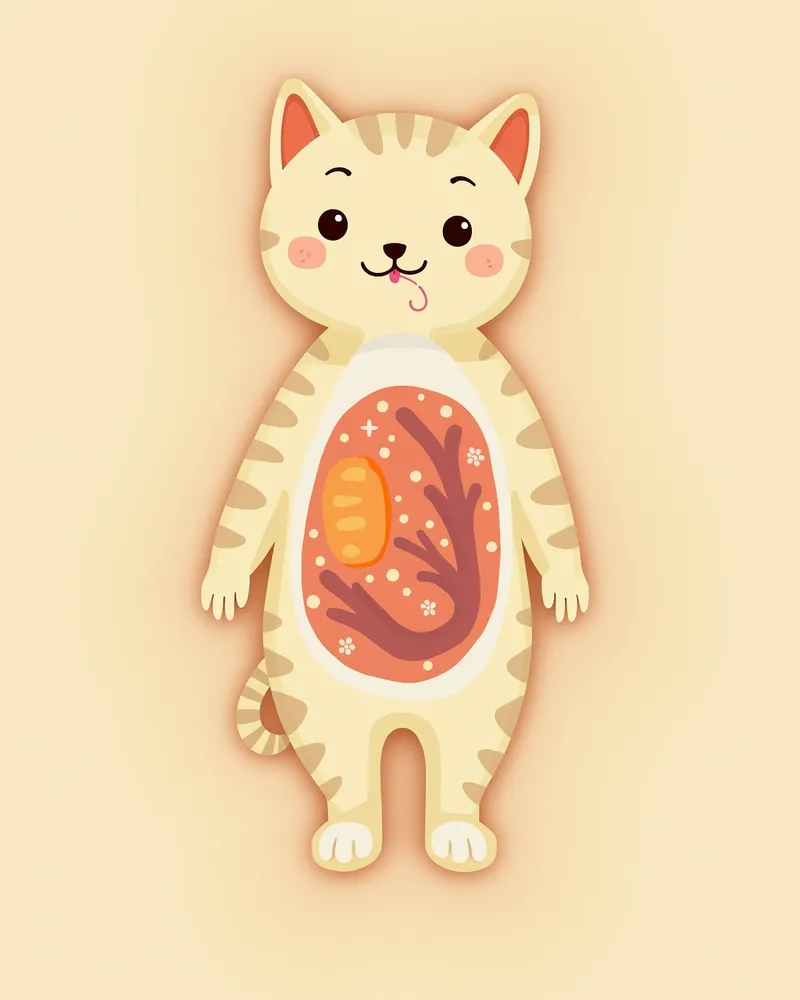
Isoxazoline-class drugs bind non-competitively to the GABA- and glutamate-gated chloride channels in the nerve and muscle cells of parasites, blocking chloride ion movement and interrupting nerve transmission. This causes paralysis and eventual death of the parasites. Because these drugs selectively target receptors in invertebrates like insects, they are relatively safe for mammals. However, the exact mechanism behind adverse reactions in mammals remains unclear, and it is hypothesized that they may partially affect GABA-gated chloride channels in vertebrates. Adverse reactions are more common at doses exceeding two to three times the recommended amount, and animals with pre-existing neurological conditions, such as seizures, are more prone to neurological symptoms. In such cases, symptoms may include vomiting, ataxia, muscle tremors, and seizures.
Distribution of isoxazoline-class drugs within a cat's body

What Are the Main Symptoms and Signs?

After administering oral isoxazoline-class preventatives to cats, the following main side effects may occur. Symptoms can appear rapidly within one hour of administration or be delayed for up to 20 hours. Although even the most severe symptoms typically improve within 24 hours, you should consult your veterinarian immediately if symptoms persist or worsen. Common signs include vomiting, diarrhea, drooling, lethargy, ataxia (loss of balance), muscle tremors, seizures, hypersensitivity, vocalization, disorientation, and in cats, hypothermia may also occur.
A cat losing its balance and swaying unsteadily

Symptoms Requiring Immediate Veterinary Visit

If your cat exhibits severe neurological symptoms such as seizures, severe vomiting, ataxia, or decreased consciousness after taking medication, you should seek veterinary care immediately. Although rare, repeated or prolonged seizures can be life-threatening emergencies. Extra caution is especially necessary for animals with a history of pre-existing neurological conditions, such as seizures, as they may be more prone to experiencing these symptoms even at recommended dosages.

How Is Diagnosis Performed?

If your cat shows unusual symptoms after taking medication, the veterinarian will thoroughly review its medical history, current symptoms, and medication record. Blood tests and liver function tests help assess the impact of the drug, while neurological exams identify any abnormal signs. In cases of seizures or muscle tremors, an EEG or MRI may be performed to check for brain damage. - Blood tests: Help determine drug levels and detect any liver function abnormalities. - Neurological evaluation: Assesses seizures, muscle tone, and reflexes to gauge the severity of side effects. - Imaging tests: MRI or CT scans may be used to check for any abnormal changes in the brain.
A veterinarian examining a cat.

Treatment Methods and Step-by-Step Response

If you suspect side effects, stop the medication immediately and consult your veterinarian. Mild cases may improve with observation alone, but severe cases may require anticonvulsants, intravenous fluids, and oxygen therapy. The veterinarian will monitor your pet’s condition in the hospital for a period of time. - Anticonvulsant administration: If seizures persist, medications are used to suppress excessive brain stimulation. - Intravenous fluids: These may be necessary to address dehydration or electrolyte imbalances. - Oxygen therapy: Oxygen supplementation helps stabilize pets experiencing difficulty breathing. - Post-recovery monitoring: Even after symptoms subside, consult your veterinarian to determine whether to resume the medication.
A veterinarian administering an intravenous injection to a cat

Home Management and Care Points

Closely monitor your cat for 24 hours after administering the medication. Provide plenty of food and water, but avoid excessive stimulation and maintain a quiet environment. Keep the room warm and well-ventilated. It is best to avoid going outside or contact with other animals during the 24 hours following medication. Even if symptoms subside, consult your veterinarian to determine the next dose and prevent recurrence.
A cat resting comfortably in a quiet room

Breed-Specific Precautions and Prevention of Recurrence

Isoxazoline-class medications can rarely cause neurological side effects even at recommended doses, particularly in animals with a pre-existing history of neurological conditions such as seizures. The risk of severe neurological symptoms increases further if the medication is administered at two to three times or more than the recommended dose. Therefore, it is advisable to thoroughly discuss your cat’s medical history and current health status with your veterinarian before starting treatment. If adverse reactions occur, it is important to consult your veterinarian to develop a dosing plan or consider alternative preventive medications to prevent recurrence.

Reviewed by a veterinarian

Dr. Tony — Punnawat Phongkittirak

Dr. Tony — Punnawat Phongkittirak

Veterinarian

A veterinarian who majored in veterinary medicine at Khon Kaen University, Thailand, and completed the IVSA program at North Carolina State University in the United States. Drawing on clinical experience at animal hospitals, he works in the pet healthcare field and is dedicated to building a digital care environment that connects pet parents with veterinarians.

Frequently Asked Questions

Are isoxazoline-class medications always dangerous for cats?
Not all cats experience side effects. This medication selectively targets invertebrate receptors, making it relatively safe to use. However, the risk can vary depending on factors such as overdose or a history of seizures.
What should I do if my pet vomits within two hours of taking the medication?
If your pet vomits right after taking the medication, it may not have absorbed enough of the drug. Rather than giving another dose on your own, it’s safer to consult your veterinarian to determine the next steps. If vomiting persists or is accompanied by other neurological symptoms, seek veterinary care promptly.
Can this medication be taken together with other medications?
Isoxazoline-class medications are sometimes formulated in combination with drugs such as milbemycin oxime, moxidectin, pyrantel, and selamectin. In these cases, there may be an increased risk of toxicity, particularly if an overdose occurs. If your pet is taking any other medications, be sure to consult your veterinarian before administering this treatment.
Is this medication taken only once a month?
The dosing schedule varies depending on the medication. Some are administered every 30 days, while others are given every 11 to 12 days, so it is safest to follow your veterinarian's instructions.
Does this medication also work against other parasites besides fleas and ticks?
Isoxazoline-class medications are effective against fleas and ticks, and may also help with certain skin-dwelling mites, such as the feline fur mites Demodex cati and Demodex gatoi. However, they do not work against internal parasites like roundworms, so a separate internal parasite preventive is necessary.

Share

Related Guides

References

[1] The Cat, Clinical Medicine and Management, 2nd Edition, 2023

[2] Plumb's Veterinary Drug Handbook, 9th Edition, 2022

[3] American Association of Feline Practitioners (AAFP) Guidelines on Parasite Prevention, 2023

This information is based on veterinary literature and does not replace diagnosis or treatment. Please consult a veterinarian for specific health concerns.

Metapet Co., Ltd. | CEO: Park Sung-yong | Business Reg. No. 417-88-02562 | Seoul, South Korea | Customer Center

Feline Oral Preventives (Isoxazoline): Symptoms & Care | Meongsiljang