
Dog Weight and Obesity Prevention and Management: Symptoms, Causes, Diagnosis, Treatment, and Key Management Points
Dog obesity is a major health concern that can lead to various conditions such as heart disease, diabetes, and joint problems. Accurate diagnosis and systematic management are essential.
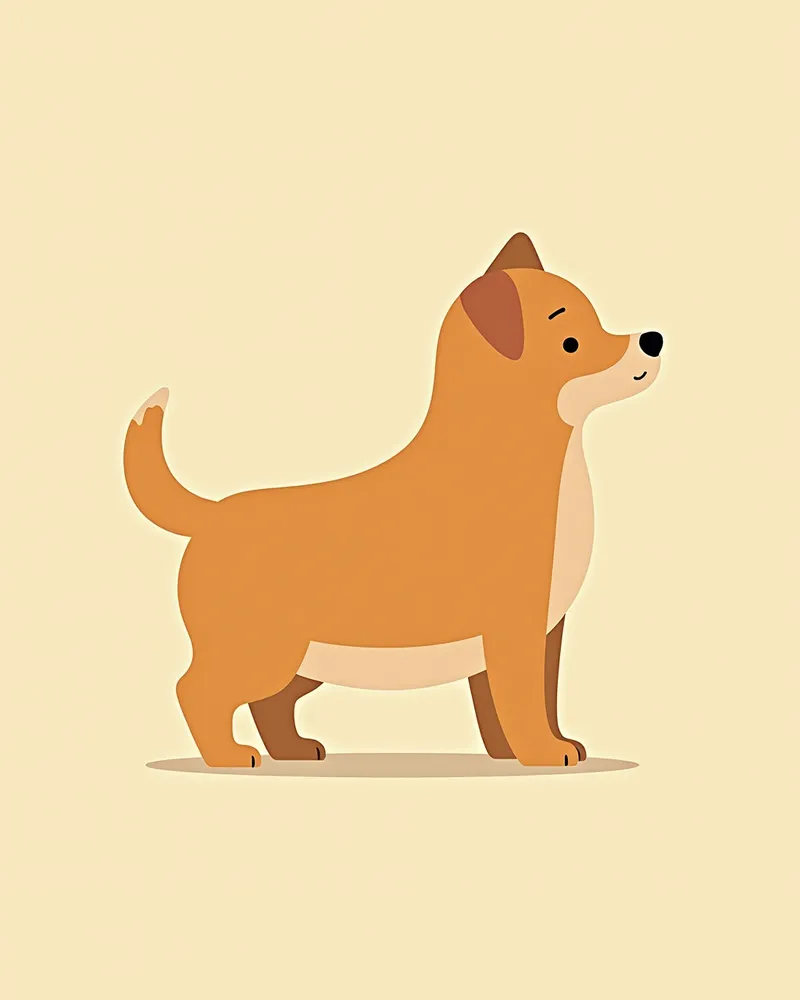
Canine obesity is a state of excessive weight gain
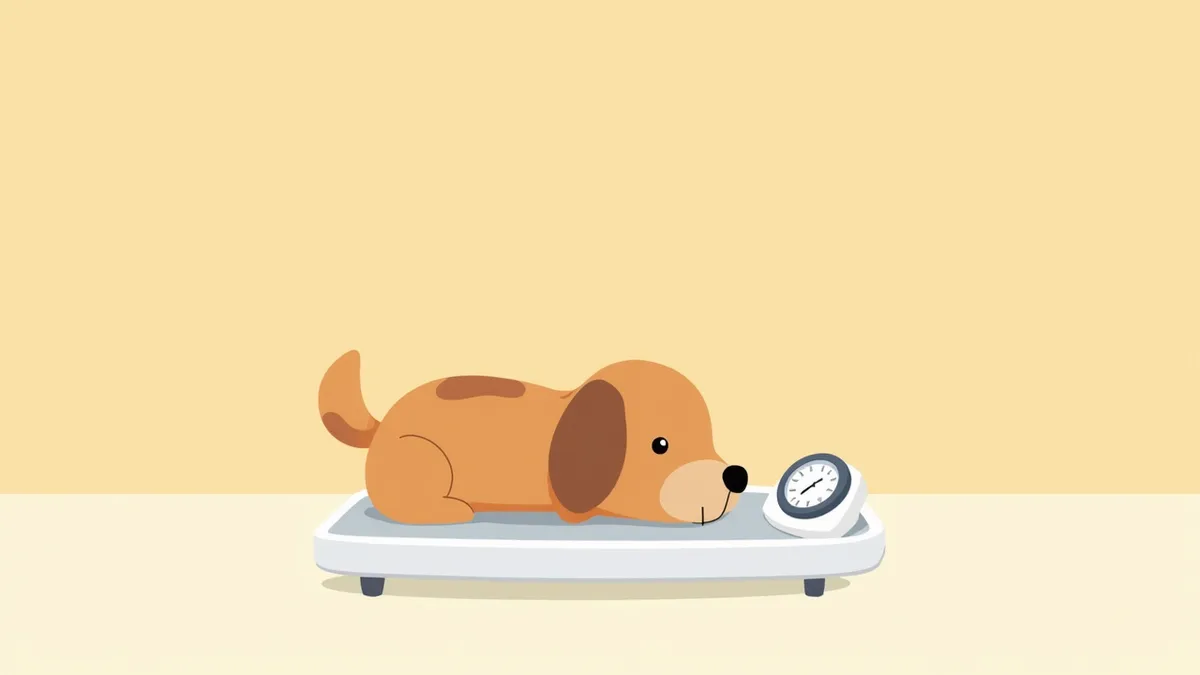
The main causes of obesity are insufficient dietary control and lack of exercise

Check the main symptoms and signs of obesity
Cases requiring immediate veterinary visit
If your dog is panting heavily, struggling to move, or experiencing persistent severe breathing difficulties, coughing, or lethargy, please visit a veterinary clinic immediately. These symptoms may indicate a serious condition affecting the heart or lungs.
Obesity is diagnosed through body condition evaluation and weight measurement

Comparison of obesity management methods
| Item | Dietary Control | Exercise Plan | Snack Management | Regular Weight Measurement |
|---|---|---|---|---|
| Using Low-Calorie Food | ✔️ Effective | ❌ Insufficient | ❌ Insufficient | ❌ Insufficient |
| Walking + Play Activities | ❌ Insufficient | ✔️ Effective | ❌ Insufficient | ❌ Insufficient |
| Limiting Snacks and Choosing Healthy Snacks | ❌ Insufficient | ❌ Insufficient | ✔️ Effective | ❌ Insufficient |
| Weekly Weight Recording | ❌ Insufficient | ❌ Insufficient | ❌ Insufficient | ✔️ Effective |
Obesity management is most effective when all elements are combined.
Dietary management and an exercise plan are key to treating obesity
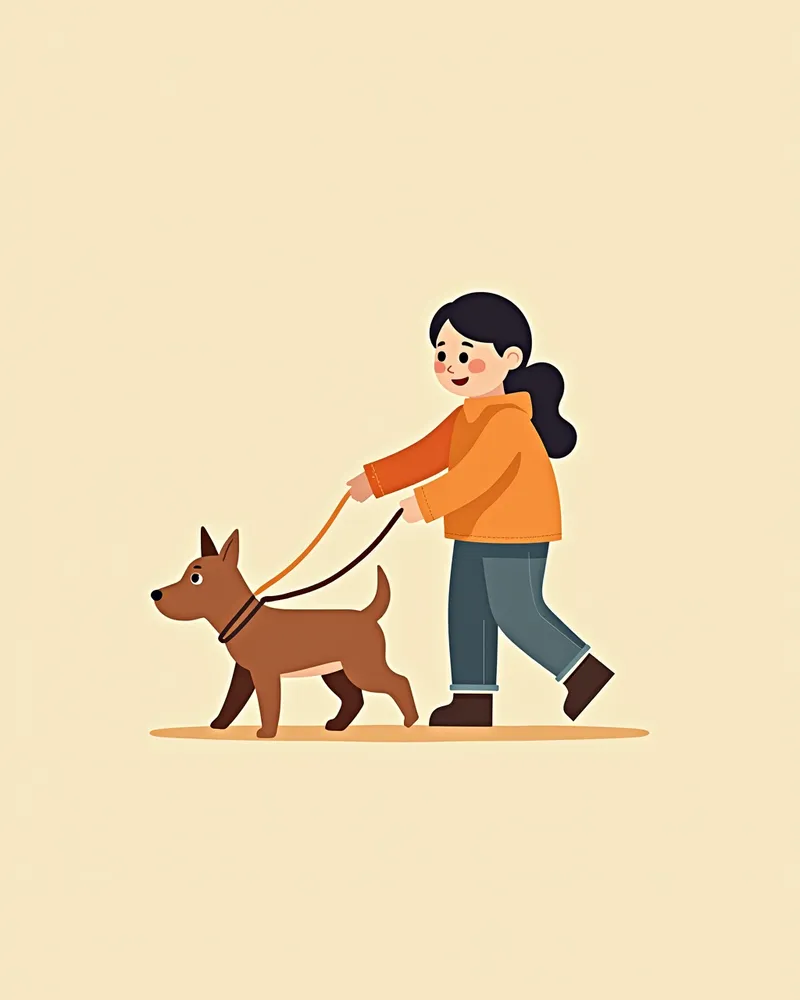
Consistent habit formation is key to management at home

Certain breeds are more susceptible to obesity
Certain breeds, such as Bulldogs, Terriers, Pomeranians, and Pugs, may be more prone to obesity. However, the most common causes of obesity are overeating and a lack of exercise. Additionally, spaying or neutering and a sedentary lifestyle can increase the risk, so pet owners should diligently monitor their pets' weight and manage their diet.
Reviewed by a veterinarian

Dr. Tony — Punnawat Phongkittirak
VeterinarianA veterinarian who majored in veterinary medicine at Khon Kaen University, Thailand, and completed the IVSA program at North Carolina State University in the United States. Drawing on clinical experience at animal hospitals, he works in the pet healthcare field and is dedicated to building a digital care environment that connects pet parents with veterinarians.
Reviewed 2026-06-29
Frequently Asked Questions
My dog is a little overweight. Is that okay?
Why can't I give treats?
Can walking alone help with weight loss?
How fast should the weight loss be?
Is obesity as serious for dogs as it is for cats?
Share
Related Guides

The Best Dog Ear Cleaning Methods, Care Tips, and Selection Criteria
Top Recommendations and Selection Criteria for Cat FIV and FeLV Testing

The Best Tips for Optimal Timing and Selection Criteria for Dog Neutering

Is the Lump Under Your Cat’s Skin Benign or Malignant? — Key Points for Distinguishing Lipomas from Liposarcomas

SAMe vs. Milk Thistle for Dog Liver Protectants — Which Is Right for Your Pet?

If Your Dog’s Abdomen Is Swollen — Causes of Hepatic Enlargement and When to Treat
Canine Cholecystitis and Gallbladder Disease: Symptoms, Causes, Diagnosis, Treatment, and Management Essentials

If Your Cat Keeps Getting Drowsy After Meals — Causes and Treatment Timing for Portosystemic Shunt (PSS)
If Your Cat’s Eyes and Gums Are Yellow — Causes of Feline Jaundice and When to Visit the Vet

If Your Cat Keeps Vomiting and Is Lethargic — Symptoms, Causes, and Treatment Timing for Cholecystitis
References
[1] Burkholder WJ. Use of body condition scores in clinical assessment of the provision of optimal nutrition. J Am Vet Med Assoc 2000;217(5):650-4.
[2] Robertson ID. The association of exercise, diet and other factors with owner-perceived obesity in privately owned dogs from metropolitan Perth, WA. Preventive Veterinary Medicine 2003;58(1—2):75-83.
[3] Anderson RS. Obesity in dogs: prevalence, risk factors, and health consequences. Vet Clin North Am Small Anim Pract 2014;44(1):1-15.