Like
Share
멍실장
강아지 고혈압과 단백뇨 관계 증상과 원인, 진단·치료와 관리 포인트 총정리

High Blood Pressure and Proteinuria in Dogs: Symptoms, Causes, Diagnosis, Treatment, and Management Essentials

UrinaryDiseasesMeongsiljang Veterinary Advisory Board

High blood pressure in dogs is a serious condition that can lead to kidney damage and proteinuria. Early detection and management are crucial.

What is the Relationship Between High Blood Pressure and Proteinuria in Dogs?

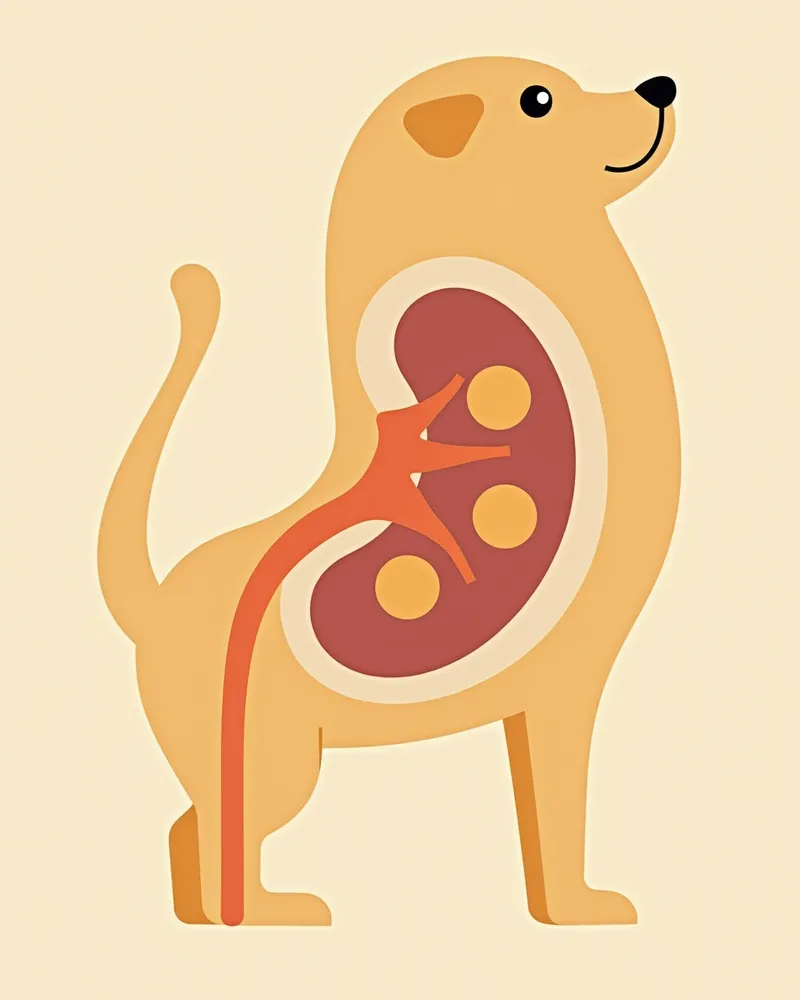
A medical illustration explaining how high blood pressure damages the kidneys and causes protein to leak into the urine.
Canine hypertension and proteinuria occur when persistently elevated blood pressure damages the tiny blood vessels in the kidneys, impairing the filtration barrier and allowing protein to leak into the urine. This condition indicates abnormal kidney filtration function, making early detection and management crucial. - Hypertension: Sustained high blood pressure places stress on the kidney’s capillaries, disrupting the function of the filtration barrier and causing protein to spill into the urine. - Proteinuria: Protein leaks into the urine through the damaged filtration barrier, serving as a key indicator of declining kidney function. - Vicious cycle: Hypertension can cause kidney damage, which in turn disrupts the body’s blood pressure regulation mechanisms, leading to further increases in blood pressure. Early diagnosis and consistent management are essential to slowing the progression of the disease.

Main Causes and Pathogenesis

The main causes of hypertension and proteinuria in dogs are chronic kidney disease and endocrine disorders, and certain medications can also raise blood pressure. - Chronic Kidney Disease: Kidney disease is the most common cause of secondary hypertension in dogs (accounting for approximately 60–80% of cases). As kidney function declines, the body’s blood pressure regulation mechanisms break down, leading to hypertension. - Endocrine Disorders: Hormonal imbalances such as hyperadrenocorticism (Cushing’s disease), diabetes mellitus, thyroid disorders, pheochromocytoma, and primary hyperaldosteronism can elevate blood pressure. - Medications and Other Factors: Certain drugs, including glucocorticoids and NSAIDs, can also raise blood pressure. This elevated pressure places strain on the kidney’s microvasculature, damaging the filtration barrier and resulting in proteinuria. This creates a vicious cycle that progressively worsens kidney function, making early intervention essential.
An anatomical illustration explaining the process of protein leaking into urine from damaged kidney filtration cells.

Main Symptoms and Signs

In the early stages, high blood pressure and proteinuria in dogs may show few or very mild symptoms. However, as the condition progresses, the following signs may appear. If you notice any of these symptoms, be sure to consult your veterinarian. Immediate veterinary attention is required if you observe any of the following symptoms:
Excessive thirst and urination: Your dog drinks water frequently and urinates often.
Weight loss and decreased appetite: Your dog loses weight without an apparent cause and eats less.
Vomiting and gastrointestinal discomfort: Your dog experiences an upset stomach and vomits frequently.
Vision impairment or blindness: Your dog shows signs of eye problems or suddenly becomes blind.
Lethargy and weakness: Your dog remains inactive throughout the day and shows a sudden drop in energy levels.
These symptoms may indicate that high blood pressure has caused damage to vital organs such as the kidneys, eyes, and brain.
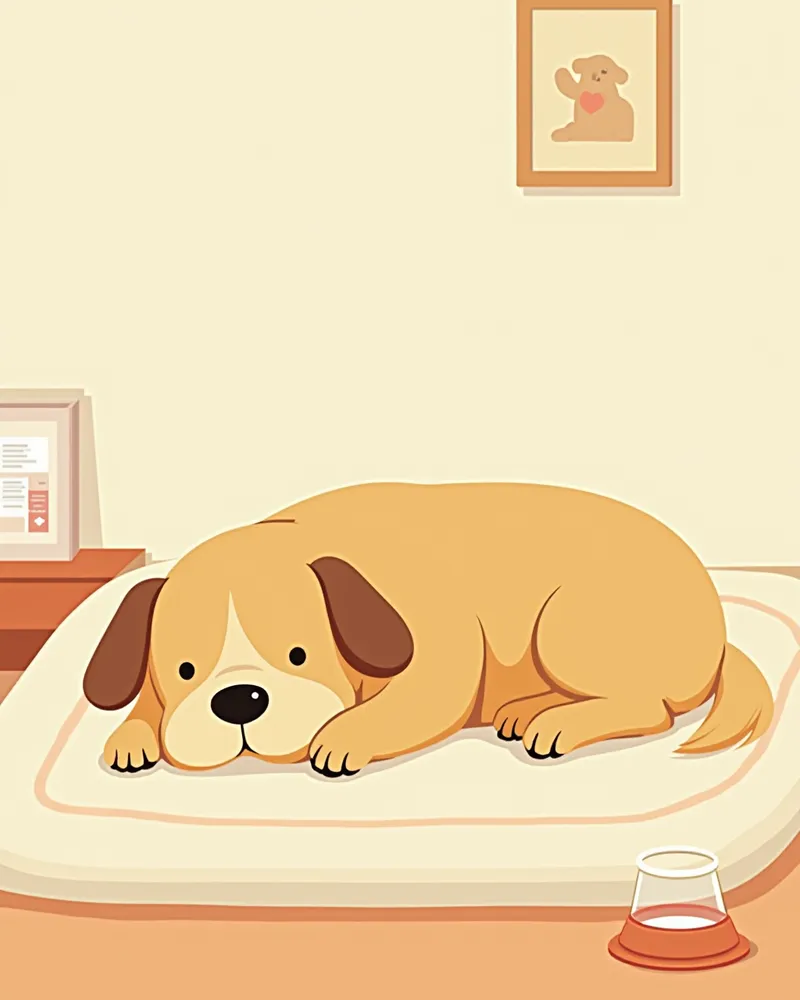
A lethargic dog, weakened by high blood pressure, drinking water and urinating.

Criteria for Immediate Veterinary Visit (Emergency Situations)

If your dog suddenly goes blind or experiences severe vomiting and seizures, seek veterinary care immediately. These symptoms may indicate that high blood pressure has caused serious damage to the brain or eyes. Delaying treatment can lead to worsening organ damage.

Accurate Diagnostic Methods
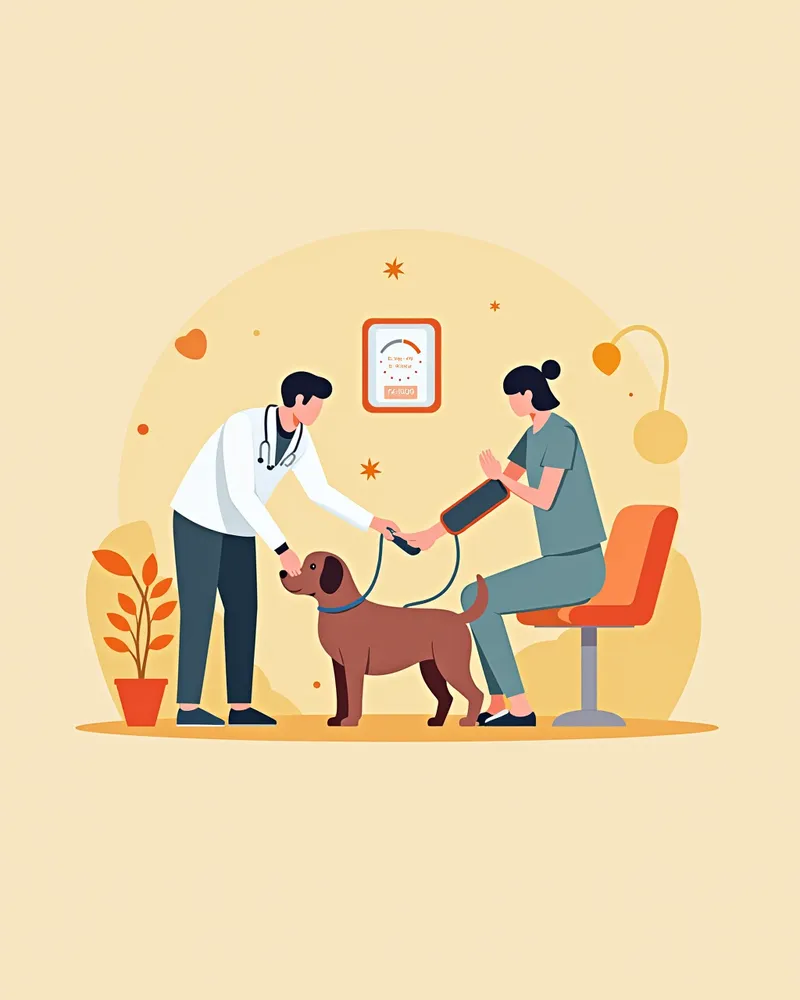
Accurately diagnosing high blood pressure and proteinuria in dogs requires a combination of tests. - Blood pressure measurement: Use precise equipment and take repeated readings while minimizing stress factors. - Urinalysis: Essential for detecting proteinuria, with the urine protein-to-creatinine ratio (UPC) used to assess severity. - Blood tests: Evaluate kidney function by measuring serum creatinine and blood urea nitrogen levels. - Imaging studies: Renal ultrasound helps identify structural abnormalities, and a biopsy may be considered if necessary. - Comprehensive diagnosis: Integrate results from multiple tests to determine the underlying cause and severity, then develop a treatment plan. Early diagnosis lays the foundation for long-term management.
A veterinarian measuring a puppy's blood pressure

Treatment Methods and Step-by-Step Management

Treating high blood pressure and proteinuria in dogs centers on addressing the underlying cause and controlling blood pressure. - Antihypertensive medications: Prescribed by your veterinarian based on your dog’s weight and condition, these require consistent, long-term administration. - Renal-support diets: These specialized foods reduce kidney strain by carefully controlling protein and phosphorus levels. - Regular check-ups: Monitor treatment progress through routine blood pressure, urine, and blood tests. - Lifestyle management: Help your dog by minimizing stress, ensuring adequate hydration, and maintaining regular exercise. - Treatment plan adjustments: Medication dosages and diet may be modified based on test results. This is a long-term commitment that requires close cooperation from the entire family.
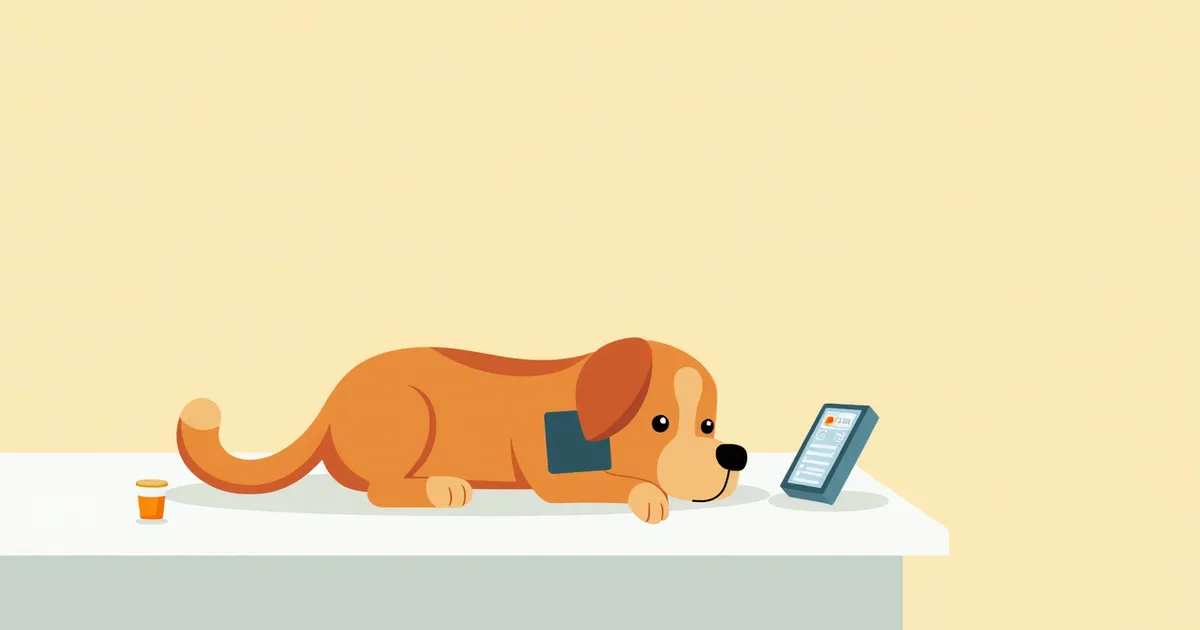
A puppy eating special kidney-protective food and medication

Home Management and Care Points

Managing the link between high blood pressure and proteinuria in dogs requires consistent care at home. Please be sure to follow these guidelines:
Regular blood pressure monitoring: Frequently check your dog’s blood pressure at home to track any changes.
Prescribed diet: Consistently feed the special diet recommended by your veterinarian.
Hydration management: Encourage your dog to drink plenty of water.
Minimize stress: Ensure your dog lives comfortably in a quiet environment.
Medication adherence: Administer prescribed medications regularly and without missing doses.
This type of care helps slow disease progression and improves your dog’s quality of life.
A dog resting comfortably in a quiet environment, along with water and medication administration tools

Breed-Specific Precautions and Prevention of Recurrence

As dogs age, their kidney function tends to decline, which can increase the risk of high blood pressure. While breed-specific predispositions have not yet been clearly established, dogs with chronic kidney disease or endocrine disorders are at higher risk and require closer monitoring. Regular check-ups and blood pressure monitoring are essential to prevent recurrence. Early detection and consistent management contribute to long-term health maintenance and improved quality of life.

Reviewed by a veterinarian

Dr. Tony — Punnawat Phongkittirak

Dr. Tony — Punnawat Phongkittirak

Veterinarian

A veterinarian who majored in veterinary medicine at Khon Kaen University, Thailand, and completed the IVSA program at North Carolina State University in the United States. Drawing on clinical experience at animal hospitals, he works in the pet healthcare field and is dedicated to building a digital care environment that connects pet parents with veterinarians.

Frequently Asked Questions

Why does high blood pressure in dogs cause proteinuria?
High blood pressure damages the tiny blood vessels in the kidneys, impairing the filtration membrane and allowing protein to leak into the urine. This is one of the key signs of kidney disease.
What tests should be done if high blood pressure is suspected?
It’s a good idea to have your pet undergo blood pressure monitoring, urinalysis (to check for proteinuria), blood tests (to assess kidney function), and, if necessary, an ultrasound. In particular, it’s important to minimize stress and take repeated blood pressure readings.
Will giving medication cure high blood pressure?
Medications can help manage symptoms and slow disease progression, but without addressing the underlying cause, a complete cure is unlikely. With consistent care, your pet’s quality of life can be maintained.
Can I measure blood pressure at home?
While you can measure your pet’s blood pressure at home using a professional-grade monitor, it’s important to do so under the guidance of a veterinarian to ensure accurate results.
Does protein in the urine always mean high blood pressure?
Proteinuria can result from a variety of causes beyond high blood pressure, including kidney disease, infections, immune-mediated disorders, and adverse drug reactions. Additional testing is necessary to pinpoint the exact underlying cause.

Share

Related Guides

References

[1] Acierno, M.J., Brown, S., Coleman, A.E. et al. (2018). ACVIM consensus statement: guidelines for the identification, evaluation, and management of systemic hypertension in dogs and cats. J. Vet. Intern. Med. 32: 1803–1822.

[2] Finco, D.R., Brown, S.A., Crowell, W.A. et al. (1994). Effects of aging and dietary protein intake on uninephrectomized geriatric dogs. Am. J. Vet. Res. 55: 1282–1290.

[3] Ross, S.J., Osborne, C.A., Kirk, C.A. et al. (2006). Clinical evaluation of dietary modification for treatment of spontaneous chronic kidney disease in cats. J. Am. Vet. Med. Assoc. 229: 949–957.

This information is based on veterinary literature and does not replace diagnosis or treatment. Please consult a veterinarian for specific health concerns.

Metapet Co., Ltd. | CEO: Park Sung-yong | Business Reg. No. 417-88-02562 | Seoul, South Korea | Customer Center

Dog Hypertension & Proteinuria: Symptoms & Treatment | Meongsiljang