
Complete Guide to Canine Urinary Incontinence After Neutering: Symptoms, Causes, Diagnosis, Treatment, and Management
Urinary incontinence after neutering in dogs is a common issue caused by weakening of the urethral smooth muscle due to hormonal changes. With accurate diagnosis and proper management, it can usually be improved.
What Is Urinary Incontinence After Neutering in Dogs?
What Are the Main Causes of Urinary Incontinence?
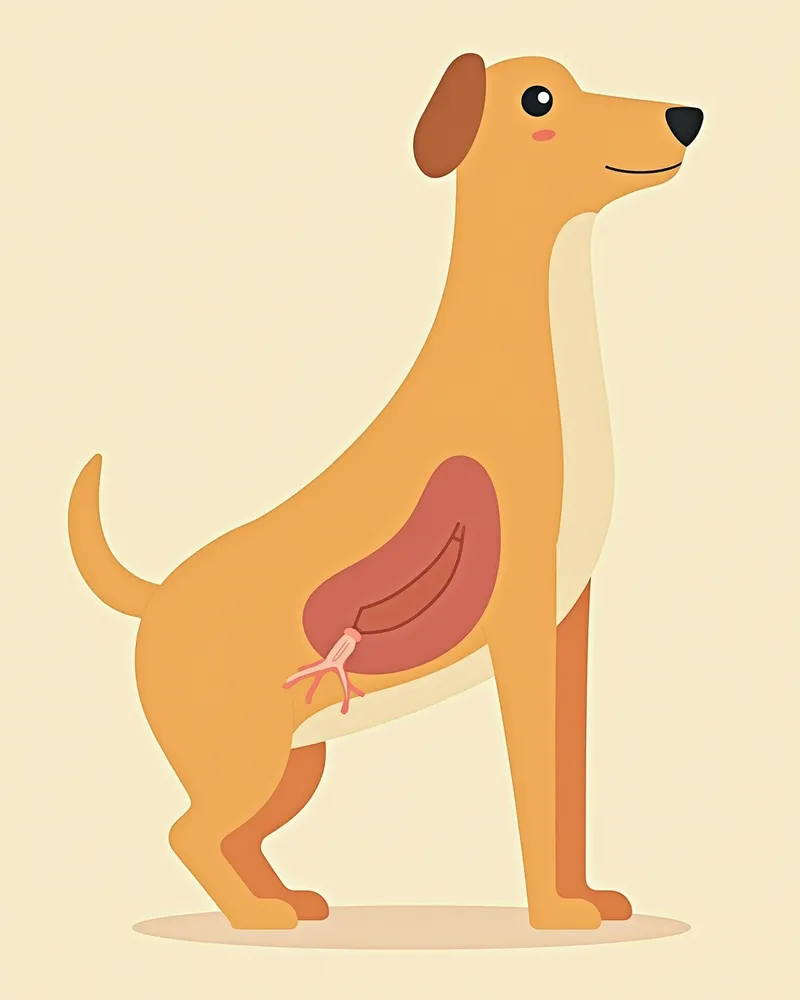
Check for Key Symptoms and Signs

When to Visit the Vet Immediately
If your dog is unable to hold its urine at all or shows signs of pain while urinating, you should take it to the vet immediately. This could indicate an emergency such as a urinary tract infection or urethral obstruction. In particular, if symptoms worsen within one month after neutering, a veterinary examination is essential.
Diagnostic Tests for Accurate Diagnosis
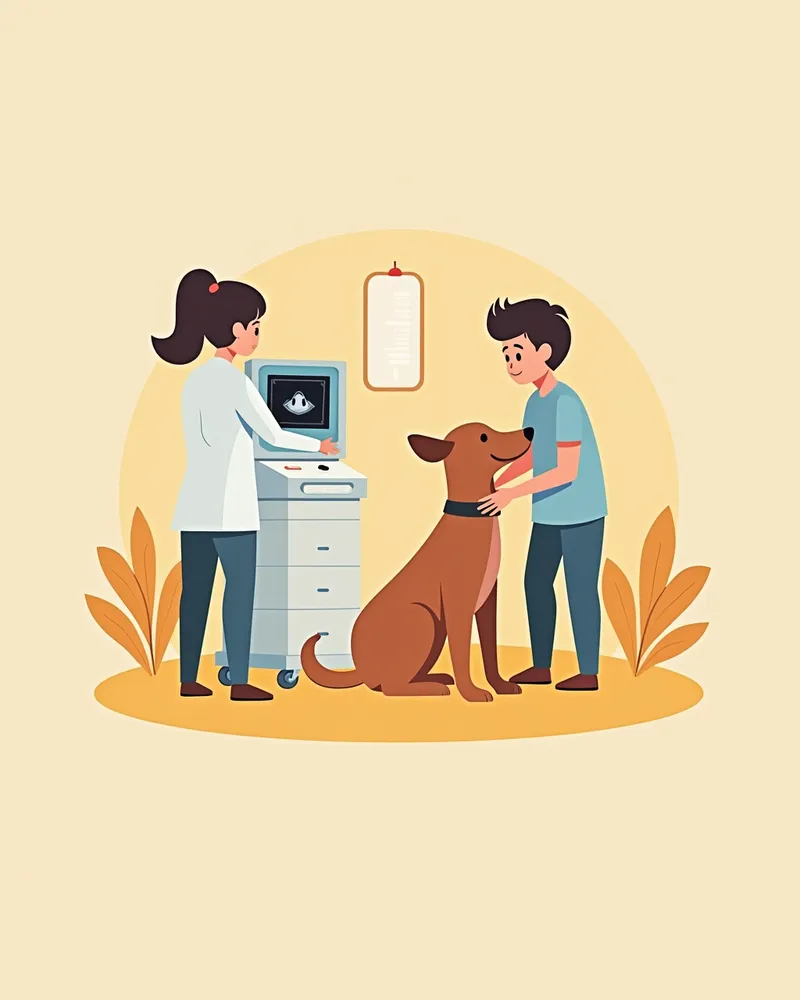
Treatment Options and Step-by-Step Management
Management Tips You Can Do at Home
Preventing Recurrence and Breed-Specific Considerations
Urinary incontinence after spaying is more common in certain breeds. The risk is particularly high in Irish (Red) Setters, and it also tends to be more frequent in large breeds such as Labrador Retrievers, Golden Retrievers, and Spaniels. Additionally, the risk may increase if the dog is spayed at a young age (before the first heat cycle). Do not stop medications abruptly; always consult your veterinarian. Regular check-ups and weight management are essential to prevent recurrence.
Reviewed by a veterinarian

Dr. Tony — Punnawat Phongkittirak
VeterinarianA veterinarian who majored in veterinary medicine at Khon Kaen University, Thailand, and completed the IVSA program at North Carolina State University in the United States. Drawing on clinical experience at animal hospitals, he works in the pet healthcare field and is dedicated to building a digital care environment that connects pet parents with veterinarians.
Reviewed 2026-06-29
Frequently Asked Questions
When does urinary incontinence typically improve after spaying or neutering?
What should I do if my pet experiences side effects while taking medication?
If incontinence persists, is surgery necessary?
Can urinary incontinence occur before spaying or neutering?
Will the incontinence go away completely?
Share
Related Guides

Top 5 Prescription Diets for Feline FLUTD — Comparison by Struvite and Calcium Oxalate Stones

Top 7 Prescription Diets for Feline Bladder and Urinary Tract Health Recommended by Veterinarians — Including Selection Criteria

Top 5 Cranberry Urinary Supplements for Dogs — Preventing Cystitis
Complete Guide to Feline Antiarrhythmic Medications — Types, Effects, and Side Effect Management

If Your Dog’s Eyes Are Crossed — Causes of Strabismus and When to Seek Treatment

The Complete Guide to the Schirmer Tear Test for Dogs — Key to Early Detection of Dry Eye

If Your Dog Suddenly Loses Vision — Warning Signs of Retinal Detachment and Emergency Response
My Dog’s Eye Discharge Is Sticky — Symptoms and Treatment Points for Keratoconjunctivitis Sicca (KCS)

Cyclosporine Treatment for Canine Keratoconjunctivitis Sicca — Efficacy and Lifelong Management Points
If Your Dog’s Eyes Are Red and Bloodshot — Conjunctivitis Symptoms, Causes, and When to Treat
References
[1] The Dog Care Handbook, Things I Wish My Vet Had Told Me, 2024
[2] Handbook on Field Veterinary Surgery, Ch19: Ovariohysterectomy in Canines and Felines, 2023
[3] The Cat, Clinical Medicine and Management, 2nd Edition, 2022