Like
Share
멍실장
강아지 빈뇨·긴박뇨 증상과 원인, 진단·치료와 관리 포인트 총정리

A Complete Guide to Frequent and Urgent Urination in Dogs: Symptoms, Causes, Diagnosis, Treatment, and Management

UrinaryDiseasesMeongsiljang Veterinary Advisory Board

Frequent and urgent urination in dogs refers to the condition where your dog feels a frequent urge to urinate and needs to go quickly. The causes can vary, including infections, urinary stones, hormonal imbalances, and more, so an accurate diagnosis is essential.

What is Frequent and Urgent Urination in Dogs?
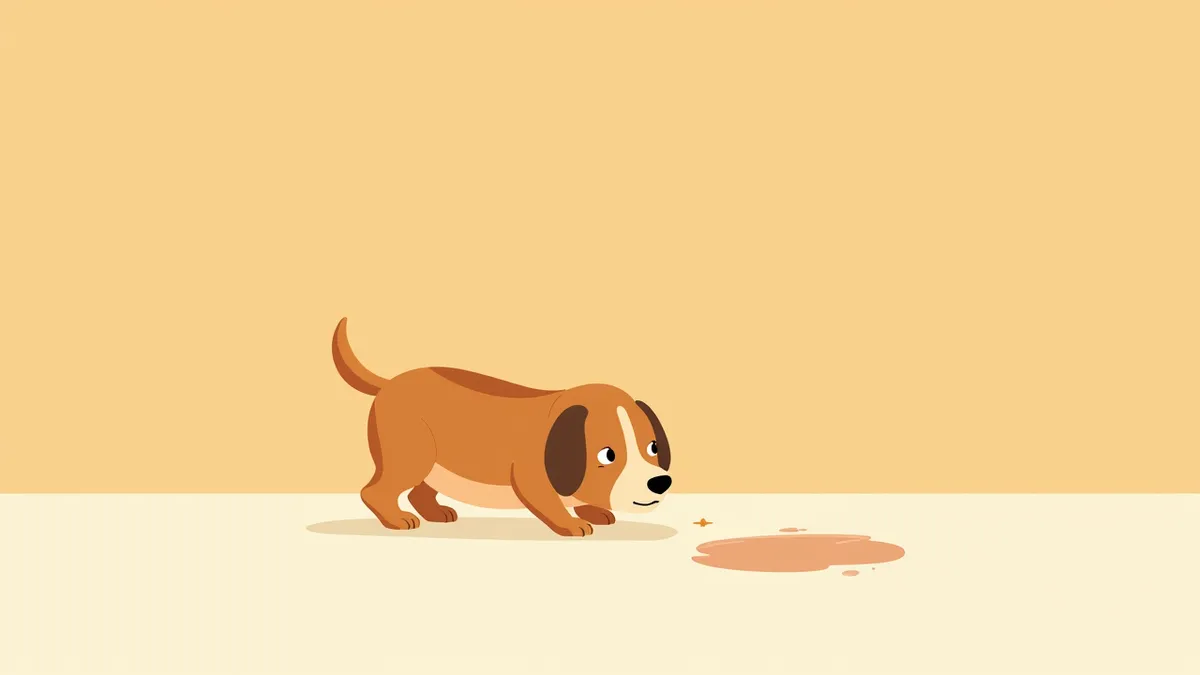
Your dog appears to be in urgent need of urinating.
Frequent and urgent urination in dogs refers to the urge to urinate often, accompanied by a sudden need to go quickly. This symptom can occur when there is inflammation or irritation in the urinary tract, or when there are issues with the nervous system's control. In many cases, your dog may repeatedly show signs of needing to urinate, but only pass small amounts or nothing at all. As a pet owner, it's easy to overlook these changes in behavior, so it's important to observe your dog closely. This symptom is not just a simple habit issue; it could be a warning sign from your dog's body. Since early diagnosis and treatment are crucial, we recommend visiting the vet immediately if you notice any unusual signs.

What are the Main Causes?

There are various causes of frequent and urgent urination in dogs. - Urinary tract infection: Bacteria cause inflammation in the urinary tract, leading to a frequent urge to urinate. - Urinary tract stones: Stones can irritate the urinary tract, causing a sense of urgency. - Prostate disease: In male dogs, conditions such as prostatitis can irritate the lower urinary tract, resulting in frequent and urgent urination. - Neurological disorders: Spinal cord injuries or impaired control of the nerves regulating urination can make it difficult to control bladder function. - Urethral obstruction: A common emergency in male dogs, where no urine is passed at all. - Cancer: Tumors in the urinary tract or bladder (such as transitional cell carcinoma) can cause irritation and lead to symptoms. Accurately identifying the underlying cause is key to effective treatment.
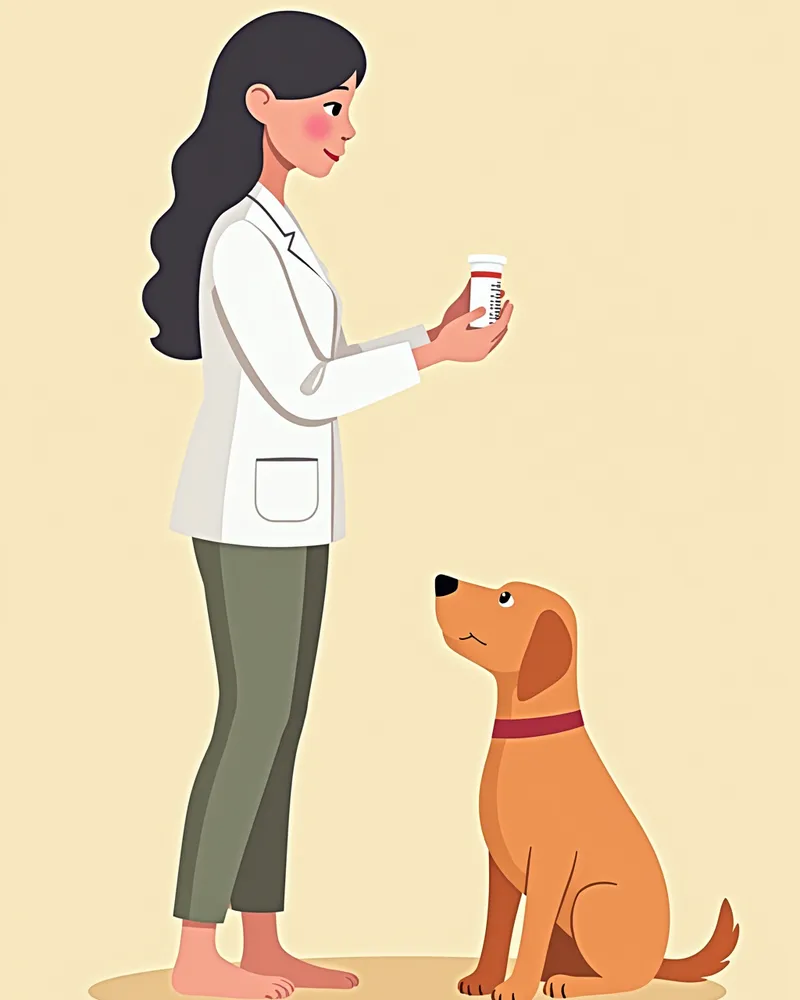
A veterinarian preparing for a urine test.

Main Symptoms and Signs

The main symptoms of frequent urination and urinary urgency in dogs include the following: repeatedly attempting to urinate, taking a long time to pass urine, suddenly stopping mid-stream, leaking urine without fully voiding, urinating outside the designated area, and showing signs of pain while urinating. If you notice any of these signs, your dog needs to be checked right away.
Frequent urination: This refers to the act of urinating multiple times a day. Typically, only small amounts are passed each time, as inflammation or irritation in the urinary tract causes the dog to frequently attempt to void.
Urinary urgency: This is characterized by a strong, sudden urge to urinate, causing the dog to move restlessly or urgently.
Painful urination: This involves whining or trembling while urinating.
Urine leakage: This occurs when the dog cannot consciously control their bladder, resulting in involuntary leaking.
Urinating outside the designated area: This refers to the dog urinating in places other than their usual bathroom spot.
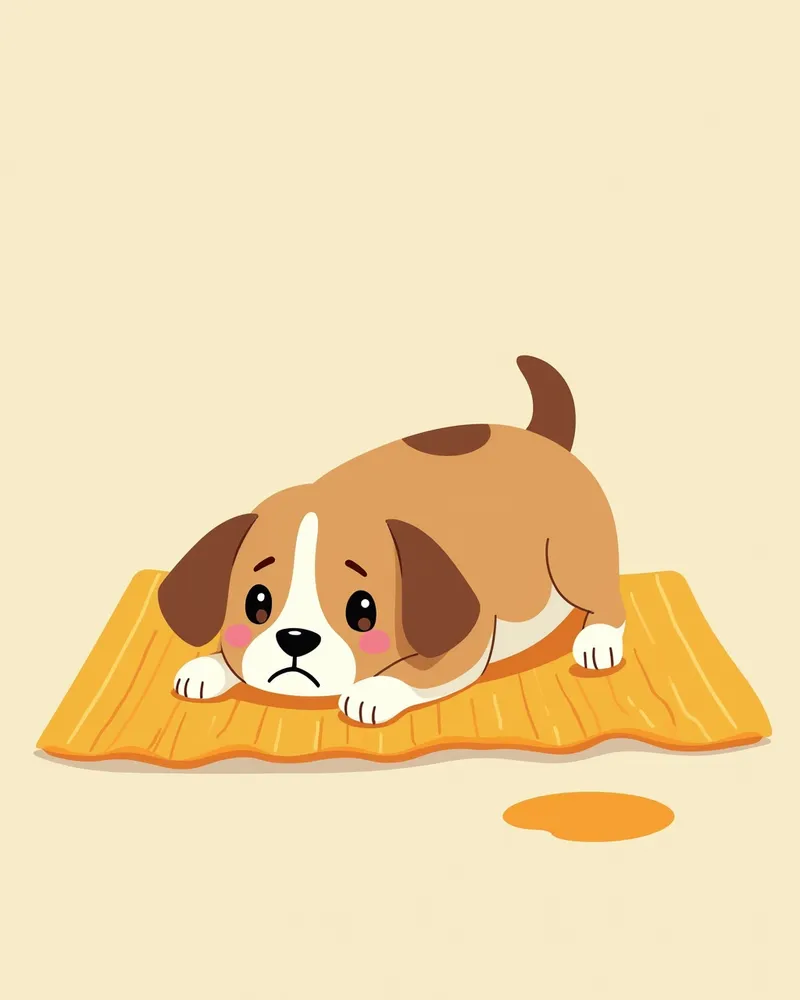
A puppy experiencing pain while urinating

Signs Requiring Immediate Veterinary Care

If your dog is straining without producing urine, crying out in pain or trembling while trying to urinate, or if no urine is coming out at all, immediate veterinary care is essential. This could be a medical emergency caused by a urethral obstruction. Prompt action can save your pet’s life.

Accurate Diagnostic Methods
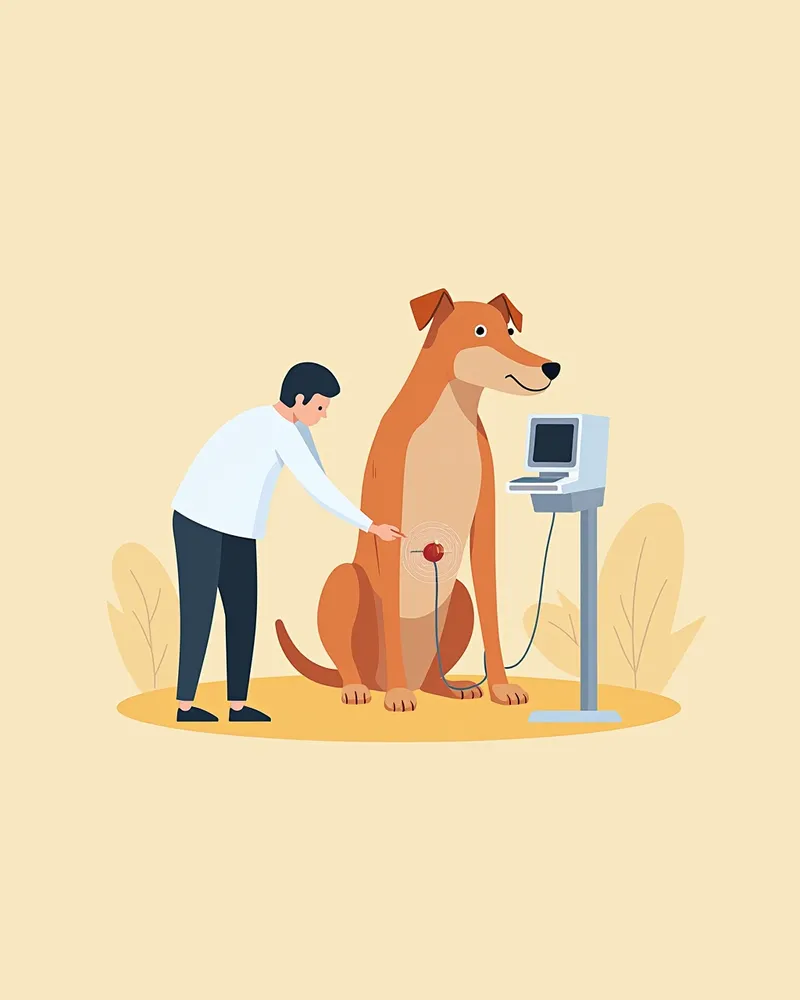
To accurately diagnose frequent and urgent urination in dogs, several tests are typically performed together. - Urinalysis: This includes checking for white blood cells, blood, protein, and pH levels, which are essential for determining whether an infection is present. - Blood tests: These assess kidney function and electrolyte balance to evaluate your dog’s overall health. - Ultrasound: This imaging helps detect stones, tumors, or structural abnormalities in the bladder and urinary tract. - X-rays: These are useful for identifying the location and size of urinary stones. - Voiding records: Notes taken by the owner regarding the frequency and volume of urination can provide valuable diagnostic clues. By comprehensively analyzing the results of these various tests, we can pinpoint the underlying cause.
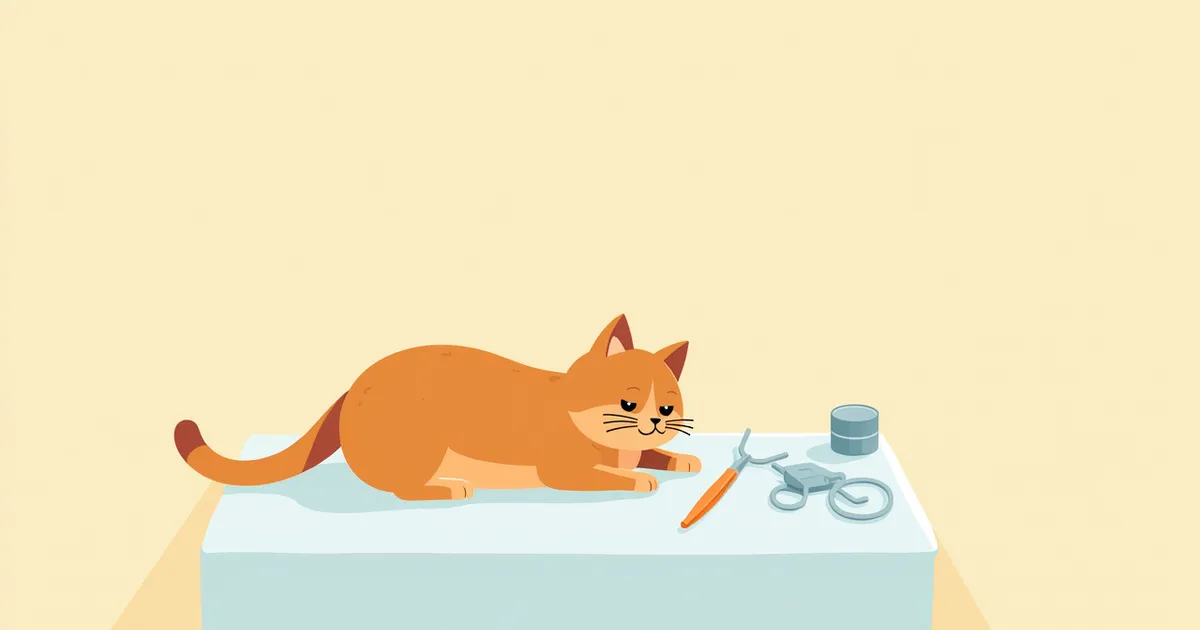
A veterinarian examining the urinary tract with an ultrasound.

Treatment Methods and Step-by-Step Management
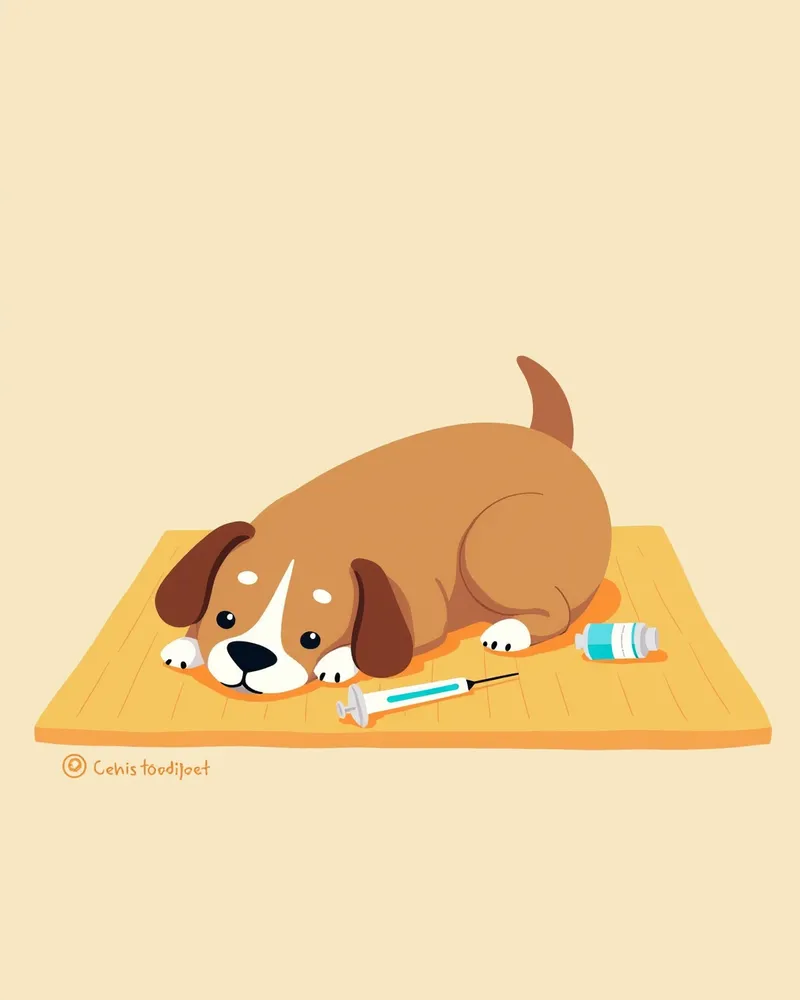
Treatment depends on the underlying cause. For infections, antibiotics are prescribed; for bladder stones, dietary management or surgery may be necessary. If another underlying condition, such as a prostate disorder, is the cause, that primary issue is treated concurrently. Pain relievers can also be used to alleviate symptoms. Treatment progresses step by step, tailored to the specific cause.
Antibiotic therapy: This is the primary treatment for urinary tract infections. Whenever possible, the medication is selected based on the results of a culture and sensitivity test.
Dietary management: This involves using specialized prescription diets to help prevent stone formation.
Surgical intervention: Surgery is necessary in cases of urethral obstruction or large stones.
Pain relievers: These medications help reduce the discomfort associated with urination.
A puppy taking its medication

Management Points at Home

At home, carefully monitor your dog’s urination habits and ensure they drink plenty of water. Keep the litter area clean and create a low-stress environment. Administer medications exactly as directed by your veterinarian, and closely watch for any side effects during treatment.
Increase water intake: Dilutes urine to reduce irritation in the urinary tract.
Clean the litter area: Removes urine odor to prevent repeated urination in the same spot.
Reduce stress: A quiet environment and consistent daily routine are essential.
Medication management: Administer precisely as instructed by your veterinarian.
Post-medication monitoring: Closely observe for side effects such as vomiting, decreased appetite, or reduced activity levels.
A puppy living comfortably in a peaceful environment

Breed-Specific Considerations and Prevention of Recurrence

Certain breeds and age groups, particularly spayed females and senior dogs, are more prone to frequent urination or urinary incontinence due to weakened urinary tract function or impaired bladder control. Additionally, various urinary tract conditions—such as infections, stones, and tumors—can occur at any age, making regular check-ups and a healthy lifestyle essential to prevent recurrence.

Reviewed by a veterinarian

Dr. Tony — Punnawat Phongkittirak

Dr. Tony — Punnawat Phongkittirak

Veterinarian

A veterinarian who majored in veterinary medicine at Khon Kaen University, Thailand, and completed the IVSA program at North Carolina State University in the United States. Drawing on clinical experience at animal hospitals, he works in the pet healthcare field and is dedicated to building a digital care environment that connects pet parents with veterinarians.

Frequently Asked Questions

Is it normal for my dog to urinate frequently?
No, urinating small amounts frequently throughout the day is not normal. It may indicate frequent urination (pollakiuria), so further evaluation is necessary.
Why does my pet suddenly stop mid-stream while urinating?
Irritation or pain in the urinary tract may occur. Since this could be a sign of infection or bladder stones, a veterinary examination is necessary.
What should I do if my pet’s symptoms don’t improve while giving medication at home?
If your pet’s symptoms don’t improve or get worse after starting the medication, please consult your veterinarian to reassess the diagnosis and treatment plan.
Does frequent urination in dogs only occur in senior dogs?
No, it can occur at any age. However, it is more common in older dogs and spayed females, and it can co-occur with other conditions.
How can urinary tract infections be prevented?
It's important to ensure your pet drinks enough water to dilute their urine, keep their litter box clean, and have regular health check-ups for early detection.

Share

Related Guides

References

[1] Ettinger, S.J., Feldman, E.C., & Côté, E. (2017). Textbook of Veterinary Internal Medicine: Diseases of the Dog and the Cat. 8th ed. Elsevier.

[2] Côté, E. (2015). Clinical Veterinary Advisor: Dogs and Cats. 3rd ed. Elsevier Mosby.

[3] Hoskinson, J. (2020). Urinary Tract Infections in Dogs: Diagnosis and Management. Veterinary Clinics of North America: Small Animal Practice, 50(3), 457–472.

This information is based on veterinary literature and does not replace diagnosis or treatment. Please consult a veterinarian for specific health concerns.

Metapet Co., Ltd. | CEO: Park Sung-yong | Business Reg. No. 417-88-02562 | Seoul, South Korea | Customer Center

Frequent & Urgent Urination in Dogs: Causes & Vet Warning Signs | Meongsiljang