
Like
Share
멍실장
고양이 만성 기침 감별 진단 증상과 원인, 진단·치료와 관리 포인트 총정리

Comprehensive Guide to Feline Chronic Cough: Differential Diagnosis, Symptoms, Causes, Diagnosis, Treatment, and Management

RespiratoryDiseasesMeongsiljang Veterinary Advisory Board

Chronic coughing in cats can be a sign of various underlying conditions, making accurate differential diagnosis essential. It’s important to identify the cause of the cough and begin appropriate treatment.

Chronic Coughing in Cats Can Be a Sign of Various Underlying Conditions

A close-up shot of a cat coughing
Chronic coughing in cats typically refers to a cough lasting two months or longer and can be a sign of various underlying conditions. - Infectious Cough: Upper or lower respiratory tract diseases caused by viral or bacterial infections can lead to coughing. In particular, pathogens such as Bordetella and Mycoplasma can cause coughing and bronchitis in cats. The presence of infection can be confirmed through PCR testing or culture. - Airway Diseases: Conditions like bronchiectasis or chronic bronchitis (feline lower airway disease) cause recurrent coughing due to impaired mucus clearance and airway inflammation. These are diagnosed using chest X-rays, high-resolution CT scans, or bronchoscopy. - Heart Disease: Although coughing due to heart issues is relatively rare in cats, left atrial enlargement can compress the airways, or pulmonary edema may develop, leading to coughing and difficulty breathing. - Allergies and Inflammation: Exposure to environmental irritants such as dust, smoke, or pollen can trigger airway reactions and result in chronic coughing. In such cases, airway cell sampling or additional tests may be necessary. Professional diagnostic testing at a veterinary clinic is essential to determine the exact cause.

Main Causes Include Infection, Airway Diseases, and Heart Problems
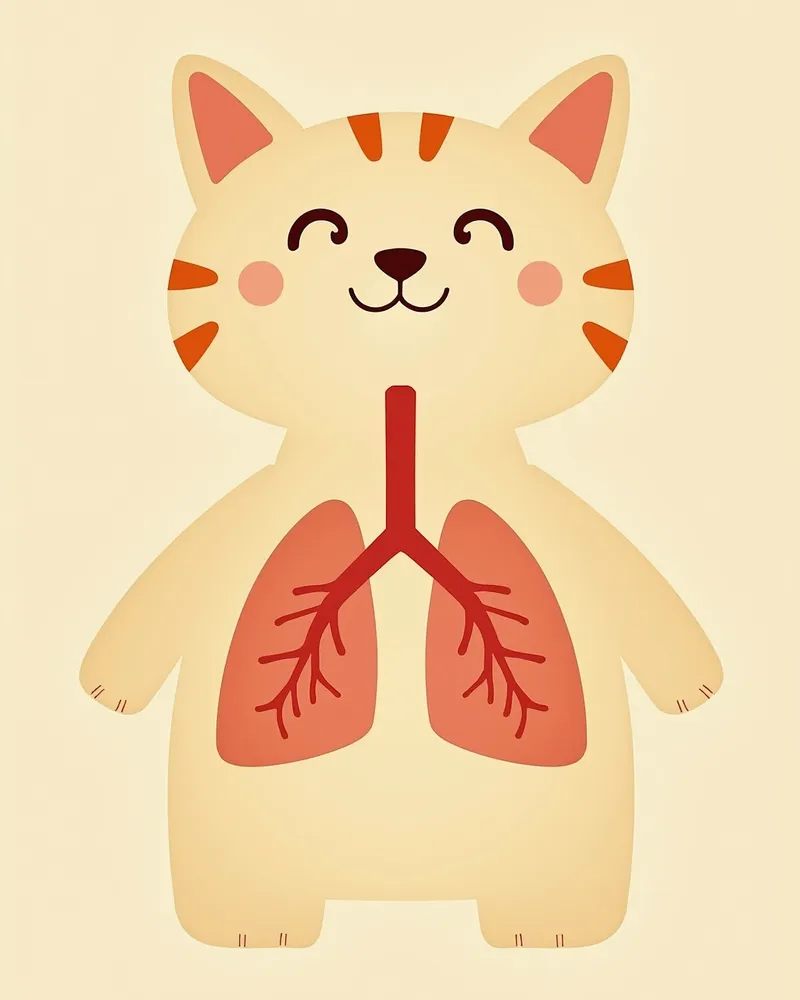
The causes of chronic coughing in cats are varied, and coughing is most commonly associated with lower airway diseases, such as those affecting the trachea and bronchi. - Bronchiectasis and chronic bronchitis: Abnormal dilation or chronic inflammation of the bronchi can make it difficult to expel mucus, leading to recurrent coughing. Diagnosis is confirmed through chest X-rays, high-resolution CT scans, and bronchoscopy. - Heart disease: Although coughing due to heart issues is relatively rare in cats, left atrial enlargement or pulmonary edema can cause coughing accompanied by difficulty breathing. - Parasitic infections: Infection with lungworms (e.g., *Aelurostrongylus abstrusus*) can irritate the airways and trigger coughing. Diagnosis is made via fecal examination (Baermann technique), and treatment involves species-appropriate deworming medication. - Allergic and irritant reactions: Overreaction to environmental irritants such as dust, pollen, or smoke can lead to persistent coughing. Because identifying the exact cause is crucial for effective treatment, thorough diagnostic testing is necessary.
An anatomical diagram of the feline respiratory system, with emphasis on the trachea and bronchi.

Identify Key Symptoms and Signs

The main symptoms of chronic coughing in cats include persistent coughing, difficulty breathing, vomiting after coughing, and decreased activity levels. Coughing may worsen at night or after exercise. Keeping a record of the characteristics and frequency of these symptoms can aid in diagnosis.
Increased coughing frequency: Cats often cough multiple times a day.
Vomiting after coughing: Severe coughing can lead to the expulsion of stomach contents.
Difficulty breathing: Cats may exhibit rapid breathing or open-mouth breathing.
Decreased activity: Cats may move less than usual and rest more frequently.
Weight loss: Reduced appetite or weight loss may occur.
A cat appearing to have reduced energy levels

Signs Requiring Immediate Veterinary Care

If your pet’s cough worsens, breathing becomes labored, or their mouth or lips turn blue, or if they experience repeated severe vomiting after coughing, seek veterinary care immediately. These symptoms may indicate pulmonary edema or an acute respiratory condition.

Diagnostic Tests for Accurate Diagnosis
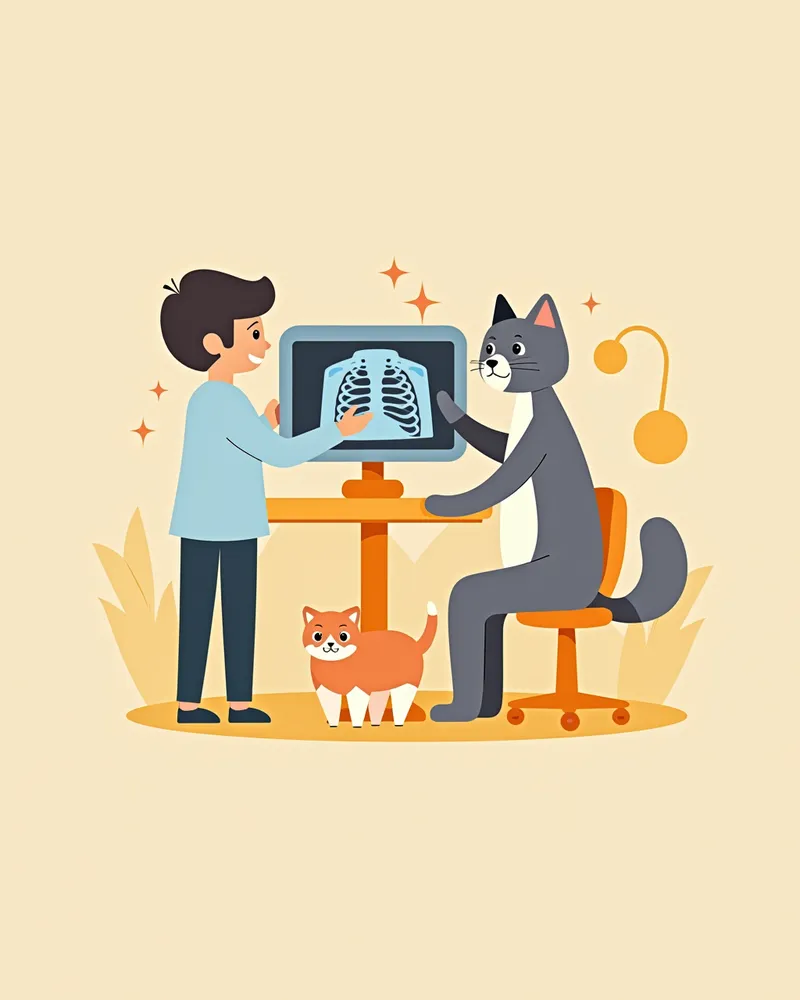
Diagnosing chronic cough in cats begins with a thorough review of the medical history and an analysis of symptoms. - Thoracic radiography (X-rays): This is a key diagnostic tool for evaluating the lung parenchyma, large airways, heart size, and pleural space, helping to identify conditions such as bronchiectasis, pneumonia, and cardiac enlargement. High-resolution CT scans provide even more precise evaluation of lung and airway lesions. - Fecal examination: Fecal testing is recommended to rule out lungworm infection, with the Baermann technique being the most effective method for detecting lungworms. - Blood tests: These help assess the cat’s overall systemic health, including signs of infection and inflammatory markers. - Airway sampling and culture/PCR testing: When history, physical examination, and thoracic radiographs do not yield a clear diagnosis, samples are collected from the airways for cytology, aerobic bacterial cultures and susceptibility testing, and PCR testing. - Cardiac evaluation: Echocardiography allows for a detailed assessment of heart structure and function. Because accurate diagnosis often requires a combination of these tests, referral to a specialized facility is recommended when necessary.
A veterinarian reviewing a cat’s chest X-ray

Treatment Varies Depending on the Cause

If the cough is caused by an infection, we prescribe antibiotics or antiviral medications tailored to the specific pathogen. The appropriate medication is selected based on the type of infection. - Bronchiectasis and Chronic Bronchitis: The key is to reduce symptoms and help clear mucus using bronchodilators and cough-suppressing medications. Steroids may be necessary to control inflammation, and any concurrent bacterial infections are treated simultaneously. - Heart Disease: Heart medications prescribed by the veterinarian are used to reduce pulmonary edema and coughing. Medications must always be selected based on diagnostic results. - Allergies and Inflammation: Medications such as steroids are used to reduce airway inflammation and alleviate coughing, while it is important to remove triggering irritants from the environment. - Parasitic Infections: If parasites such as lungworms are identified, treatment is administered with dewormers appropriate for the specific species. The choice of medication depends on the type of parasite involved. Treatment must be targeted to the underlying cause to be effective, and ongoing management is essential.
A close-up shot of a cat taking medicine

Management Points at Home

Managing chronic cough in cats centers on environmental control and consistent medication. Key measures include using an air purifier, avoiding cigarette smoke and perfumes, maintaining proper humidity, and adhering to a regular medication schedule. Creating a low-stress environment also helps.
Use an air purifier: Reduces fine dust and allergens. A HEPA filter is recommended.
Avoid cigarette smoke: Smoking environments worsen coughing, as smoke is a major airway irritant.
Maintain humidity: Keep levels between 40% and 60%. Dry air can irritate the airways.
Take medication regularly: Strictly follow the dosing schedule. Abruptly stopping medication can cause symptoms to worsen.
Reduce stress: A quiet environment and stable routine are essential. Stress can exacerbate coughing.
A cat resting peacefully in a quiet environment.

Breed-Specific Considerations and Prevention of Recurrence

The provided textbook evidence does not clearly indicate any specific breed-related susceptibility to chronic feline bronchitis or bronchiectasis. Therefore, rather than feeling reassured or overly concerned based on breed, it is important to focus on the coughing symptoms themselves. If your cat has a chronic cough, regular check-ups and consistent symptom management are essential. To prevent recurrence, do not stop medication without veterinary guidance, and maintain ongoing environmental management, such as removing irritants.

Reviewed by a veterinarian

Dr. Tony — Punnawat Phongkittirak

Dr. Tony — Punnawat Phongkittirak

Veterinarian

A veterinarian who majored in veterinary medicine at Khon Kaen University, Thailand, and completed the IVSA program at North Carolina State University in the United States. Drawing on clinical experience at animal hospitals, he works in the pet healthcare field and is dedicated to building a digital care environment that connects pet parents with veterinarians.

Frequently Asked Questions

When should you take your coughing cat to the vet?
If your pet experiences persistent coughing, difficulty breathing, vomiting, or decreased activity levels, seek veterinary care immediately. Prompt diagnosis is especially important if the cough worsens at night or after exercise.
Is a cat’s cough the same as a cold?
While it may resemble a common cold, a cat’s cough can signal lower airway diseases such as bronchiectasis or chronic bronchitis, and in rare cases, it may be associated with heart disease. Immediate diagnosis is essential.
Can I give my pet cough medicine at home?
Cough medications should never be given without a veterinarian's prescription. Using the wrong medication can worsen your pet's condition, and treating symptoms without addressing the underlying cause may lead to long-term health issues.
The cough has improved—can I stop the medication?
Consult your veterinarian before stopping the medication. Premature discontinuation can lead to symptom recurrence or worsening inflammation. It is essential to complete the full course of treatment.
What can I do at home to stop my pet from coughing?
Using an air purifier, maintaining humidity levels between 40% and 60%, avoiding smoking, adhering to a regular medication schedule, and reducing stress can all be helpful. Environmental management to eliminate triggering factors is key.

Share

Related Guides

References

[1] Smith, P. et al. (2023) Canine and Feline Respiratory Medicine, 3rd Edition. Elsevier.

[2] Veterinary Workbook of Small Animal Clinical Cases (2022). Case 42: Chronic Cough in Cats. Wiley.

[3] Textbook of Respiratory Disease in Dogs and Cats (2021). Chapter 46: Chronic Cough in Felines. Elsevier.

This information is based on veterinary literature and does not replace diagnosis or treatment. Please consult a veterinarian for specific health concerns.

Metapet Co., Ltd. | CEO: Park Sung-yong | Business Reg. No. 417-88-02562 | Seoul, South Korea | Customer Center

Feline Chronic Cough: Differential Diagnosis & Treatment | Meongsiljang