Like
Share
멍실장
고양이 비만과 인슐린 저항성 증상과 원인, 진단·치료와 관리 포인트 총정리

Is Your Cat’s Weight Gain a Path to Diabetes? — Causes and Management of Obesity and Insulin Resistance

EndocrineDiseasesMeongsiljang Veterinary Advisory Board

Feline obesity is a major cause of insulin resistance and diabetes, making early detection and management essential. You should also watch for behavioral changes that accompany weight gain.

What Are Feline Obesity and Insulin Resistance?
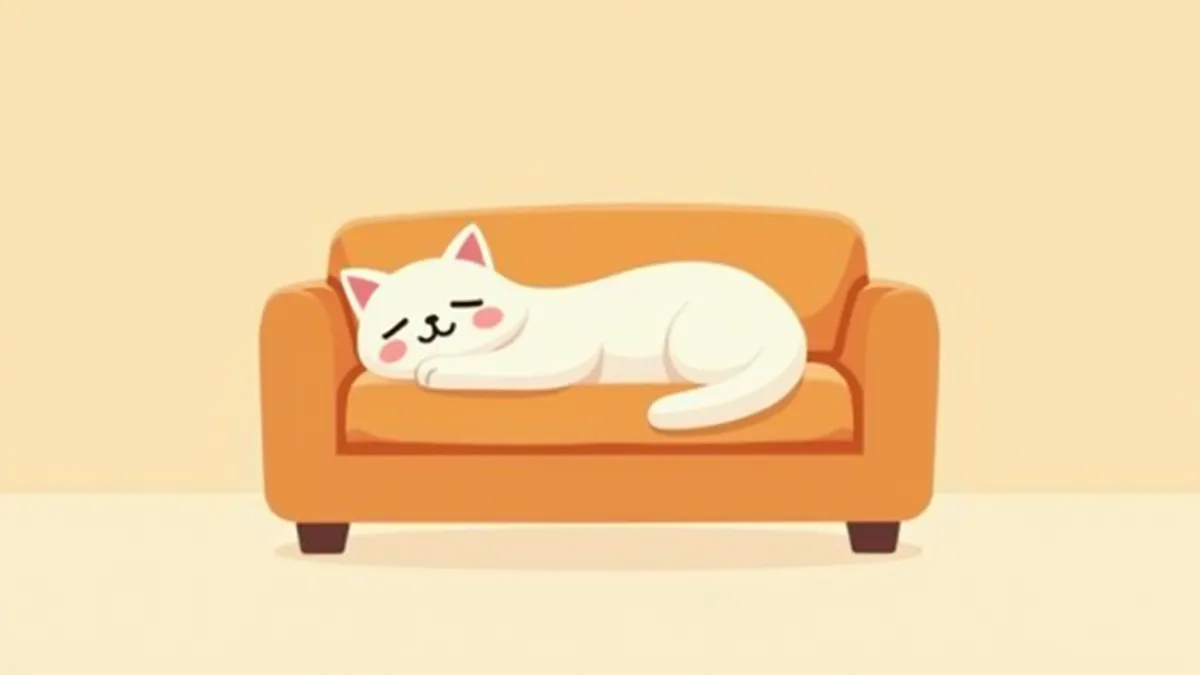
An overweight tabby cat lying on a sofa
Feline obesity is a metabolic disorder characterized by excessive accumulation of body fat, which leads to reduced insulin sensitivity. - Obesity: As fat tissue increases, the expression of glucose transporters and cytokines involved in insulin signal transduction is affected, resulting in decreased insulin sensitivity and impaired blood sugar regulation. - Insulin Resistance: This condition occurs when insulin fails to function properly, making it difficult to lower blood glucose levels. It can progress to a form of diabetes similar to type 2 diabetes in humans. In fact, overweight cats are reported to have approximately four times the risk of developing diabetes compared to cats with a normal weight. Furthermore, obesity can adversely affect the cardiovascular system through metabolic syndrome, making early detection and consistent weight management crucial.

What Are the Main Causes?

The main causes of feline obesity and insulin resistance are excessive calorie intake and insufficient exercise. - Excessive calorie intake: High-calorie diets or too many treats accelerate fat accumulation. - Lack of exercise: Indoor lifestyles reduce energy expenditure. - Genetic factors: Some cats may be genetically predisposed to obesity (in dogs, a genetic predisposition has been confirmed in breeds such as Labrador Retrievers). - Neuter status: Neutered cats are known to have a higher risk of obesity. - Underlying endocrine disorders: Endocrine conditions such as hypothyroidism can also contribute to obesity. Note that obesity prevalence tends to decrease in senior cats, so it is difficult to assume that cats simply become more obese as they age.
The way cats look at their food and treats

Key Symptoms and Signs

Feline obesity and insulin resistance can manifest through various physical and behavioral changes. - Weight gain: Fat tends to accumulate thickly, particularly around the abdomen and waist (the circumference behind the last rib serves as an objective indicator of obesity). - Changes in body shape: The ribs become difficult to feel, and the natural waistline disappears. - Increased thirst and urination: If the condition progresses to diabetes and blood sugar levels rise, your cat will drink more water and produce more urine. - Decreased activity: As weight increases, movement becomes sluggish, and your cat may tend to avoid play. - Reduced mobility: Obese cats are more likely to develop lameness (limping) compared to cats of normal weight. If you notice these changes, it is advisable to have your cat evaluated by a veterinarian.
A cat drinking water and abdominal obesity

When to Visit the Vet Immediately

If your cat suddenly loses its appetite, or shows vomiting, diarrhea, or lethargy, take it to the vet immediately. These could be signs of an emergency complication such as diabetic ketoacidosis, which can occur as diabetes progresses. If severe lethargy or difficulty breathing is also present, it’s an even more urgent situation that requires immediate attention. The earlier obesity and insulin resistance are detected and managed through weight control, the higher the chance that a cat’s diabetes can be reversed.

How Is It Accurately Diagnosed?
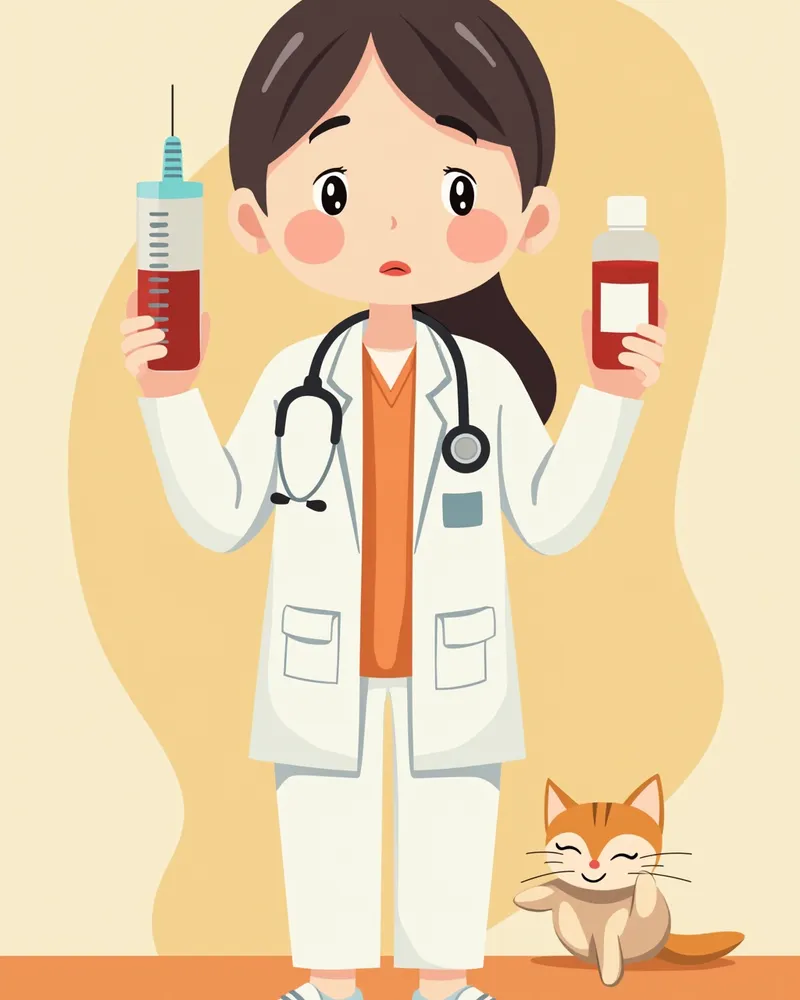
Feline obesity and insulin resistance are diagnosed through a comprehensive evaluation. - Weight and Body Condition Assessment: Obesity is assessed using a 9-point Body Condition Score (BCS) and by measuring the circumference behind the last rib. - Blood Tests: Blood glucose, insulin, and ketone levels are checked. Cats are typically diagnosed with diabetes when they exhibit clear clinical signs of hyperglycemia. - Screening for Underlying Conditions: We check for other diseases associated with obesity to develop an appropriate treatment plan. - Analysis of Clinical Signs: Factors such as increased thirst, urination, and changes in appetite are considered holistically. Note that the oral glucose tolerance test (OGTT), commonly used in humans, is generally not recommended for cats due to high variability in results. Your veterinarian will synthesize findings from multiple tests to make a diagnosis.
A veterinarian drawing blood from a cat.

Treatment Methods and Step-by-Step Approach

Treatment focuses on weight loss and dietary management. - Dietary management: Switch to a veterinarian-prescribed weight-loss diet that is lower in calories, and strictly follow the recommended feeding amounts. For cats, a diet high in protein helps reduce fat while minimizing the loss of lean body mass (muscle). - Weight reduction to an ideal body condition: Losing weight to reach an ideal body condition improves blood sugar control and can even lead to remission of diabetes in cats. - Encouraging exercise: Increase physical activity naturally through play. - Regular check-ups: Monitor progress through regular weigh-ins and blood tests. - Insulin therapy: If blood sugar cannot be adequately controlled through diet and weight management alone, your veterinarian may recommend insulin injections.
A cat playing with a laser pointer

Management Points at Home

Managing feline obesity requires changes in daily habits. - Portion control: Strictly follow the feeding amounts recommended by your veterinarian. - Treat restriction: Limit treats to once or twice a week and choose healthy options. - Encourage exercise: Dedicate 10 to 15 minutes daily for playtime. - Weight monitoring: Record your cat’s weight weekly to track changes. - Regular check-ups: Have blood tests conducted every six months to monitor health status.
Cat Weight Record Notebook and Scale

Breed-Specific Precautions and Prevention of Recurrence

Obesity results from a complex interplay of factors, and some pets may be genetically more susceptible (a genetic predisposition has been confirmed in certain dog breeds, such as Labrador Retrievers, while it is difficult to pinpoint specific cat breeds). Neutered cats are known to have a higher risk of obesity. To prevent relapse, it is important to consistently maintain a prescription diet and regular feeding and exercise routines even after weight loss. Sudden increases in food intake or cessation of exercise can lead to weight regain.

Reviewed by a veterinarian

Dr. Tony — Punnawat Phongkittirak

Dr. Tony — Punnawat Phongkittirak

Veterinarian

A veterinarian who majored in veterinary medicine at Khon Kaen University, Thailand, and completed the IVSA program at North Carolina State University in the United States. Drawing on clinical experience at animal hospitals, he works in the pet healthcare field and is dedicated to building a digital care environment that connects pet parents with veterinarians.

Frequently Asked Questions

Can feline obesity lead to diabetes?
Yes, feline obesity can lead to insulin resistance, making it a major risk factor for diabetes. Overweight cats have been reported to have a higher risk of diabetes compared to cats with normal body weight, so early management is important.
Can obesity be resolved through dietary management alone?
Dietary management is the most important first step. For best results, combine it with regular exercise and consistent weight monitoring.
Should I completely stop giving treats?
Rather than cutting them out completely, it’s better to limit treats to once or twice a week and choose healthier options.
How long does it take to lose weight?
Rapid weight loss can be dangerous, so it’s safer to proceed gradually. The target weight, rate of weight loss, and duration vary from cat to cat, so it’s best to consult with your veterinarian to create a personalized plan.
When is an insulin injection necessary?
If blood sugar levels cannot be controlled through diet, exercise, and weight management alone, your veterinarian may recommend insulin injections.

Share

Related Guides

References

[1] Burkholder WJ. Use of body condition scores in clinical assessment of the provision of optimal nutrition. J Am Vet Med Assoc 2000;217(5):650-4.

[2] The Dog Care Handbook, Things I Wish My Vet Had Told Me. 2020. Chapter on obesity and metabolic health in cats.

[3] Clinical Medicine of the Dog and Cat, 4th Ed. 2021. Chapter 26: Management of the Obese Dog or Cat.

This information is based on veterinary literature and does not replace diagnosis or treatment. Please consult a veterinarian for specific health concerns.

Metapet Co., Ltd. | CEO: Park Sung-yong | Business Reg. No. 417-88-02562 | Seoul, South Korea | Customer Center

Is Your Cat's Weight Gain Leading to Diabetes? Obesity Care | Meongsiljang