Like
Share
멍실장
고양이 체중·비만 예방 관리 증상과 원인, 진단·치료와 관리 포인트 총정리

Feline Weight and Obesity Prevention and Management: Symptoms, Causes, Diagnosis, Treatment, and Key Management Points

Lifestyle & Age CareDiseasesMeongsiljang Veterinary Advisory Board

Feline obesity can lead to various health issues, including diabetes, arthritis, and heart disease, making weight management essential for prevention and care. Regular weight monitoring and proper dietary control are key.

Feline obesity is a chronic condition caused by increased weight and body fat

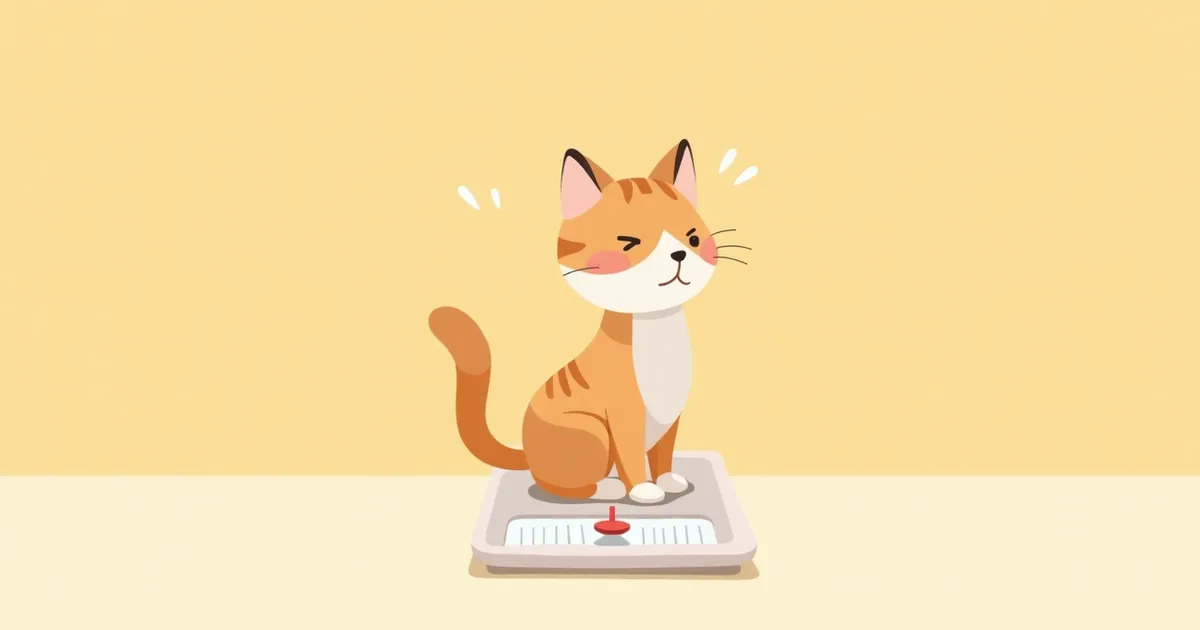
A cat lying on a scale
Feline obesity is a chronic condition in which a cat’s weight exceeds the normal range and body fat percentage is elevated, negatively impacting health. - Weight gain: Continuous weight gain places strain on the entire body and restricts mobility. - Increased joint stress: Excess body fat puts additional pressure on joints, making orthopedic issues such as osteoarthritis and lameness more likely. - Increased risk of diabetes: Insulin resistance develops, making blood sugar regulation more difficult and raising the risk of diabetes. - Increased metabolic burden: Obesity is linked to metabolic syndrome and can place stress on multiple organs. Regular weight monitoring and dietary management are key to prevention.

The main causes of obesity are excessive calorie intake and insufficient exercise
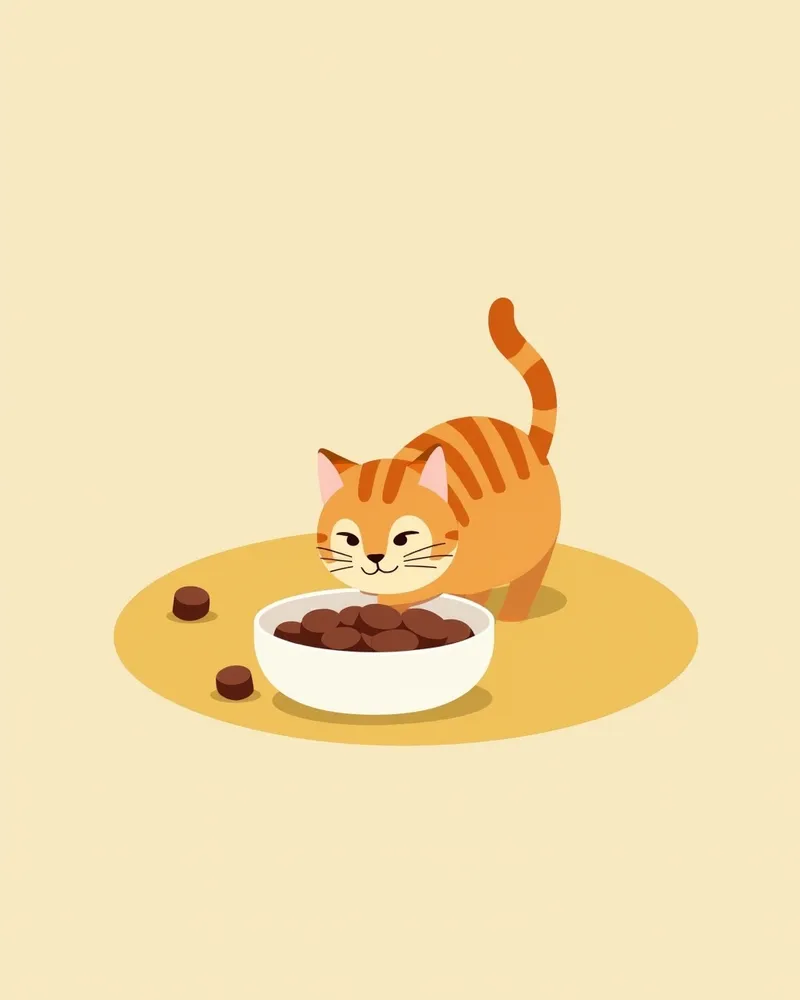
The main causes of feline obesity are excessive calorie intake and insufficient exercise. - Overfeeding dry food: Providing dry food without portion control can lead to a rapid increase in calorie consumption. - Excessive treats: Offering treats multiple times a day can easily cause daily calorie limits to be exceeded. - Reduced activity levels: Increased indoor living suppresses cats' natural hunting instincts. - Environmental factors: Environments that make it difficult for cats to play reduce their energy expenditure. - Established feeding habits: Owners' habits influence their cat's eating patterns. All these factors work together to contribute to obesity.
A cat looking at its food and treats

Check the main signs and symptoms of obesity
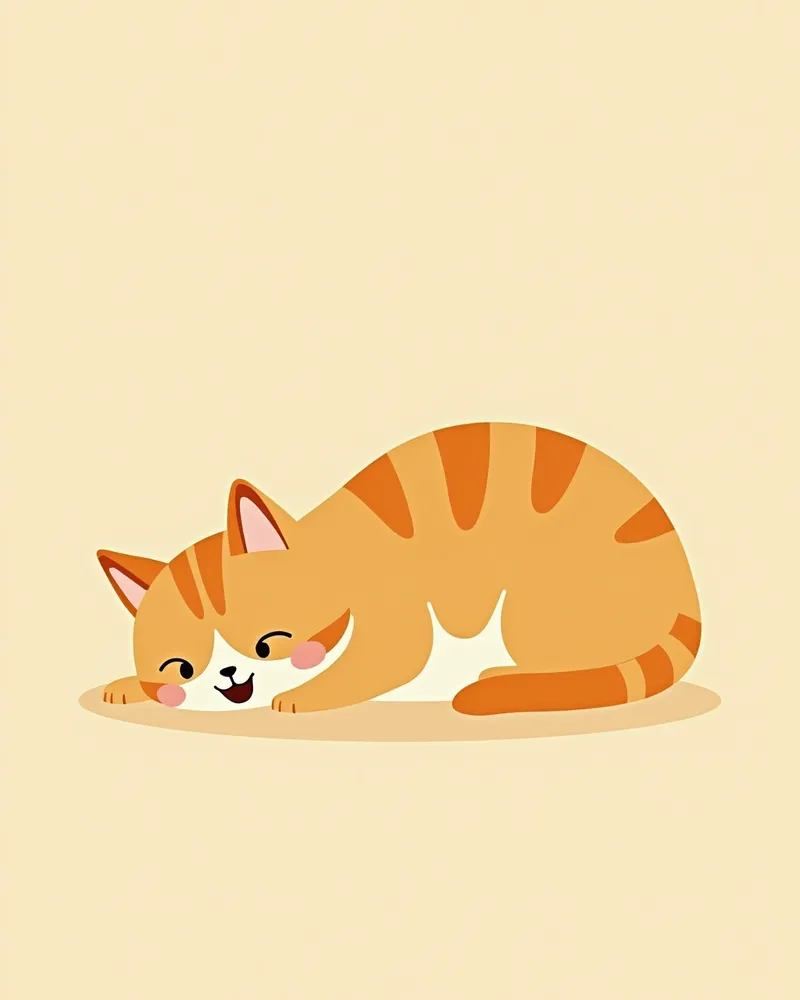
The main signs of feline obesity include weight gain, difficulty feeling the ribs, a rounded abdomen, and reduced mobility. Cats often struggle to use their hind legs, making jumping and running difficult. Decreased activity levels and increased sleep compared to usual are also warning signs. Early detection is key to effective management.
Weight gain trend: Weigh your cat regularly; consistent upward trends warrant attention.
Rounded abdomen: Fat accumulation causes the belly to appear round from above, with an indistinct waistline.
Difficulty palpating ribs: If fat layers make it hard to feel the ribs, suspect overweight or obesity.
Reduced mobility: There is often a decline in jumping, running, and play activities.
Fatigue after activity: Cats may become easily tired and show signs of exertion even with minimal movement.
A cat that appears to be short of breath due to obesity.

Symptoms requiring immediate veterinary visit

If your cat is panting, unable to jump, or inactive all day, consult a veterinarian immediately. These could be signs of heart or respiratory issues. Sudden weight gain or a sharp decrease in appetite can also indicate an emergency.

Obesity diagnosis begins with weight and body condition assessment
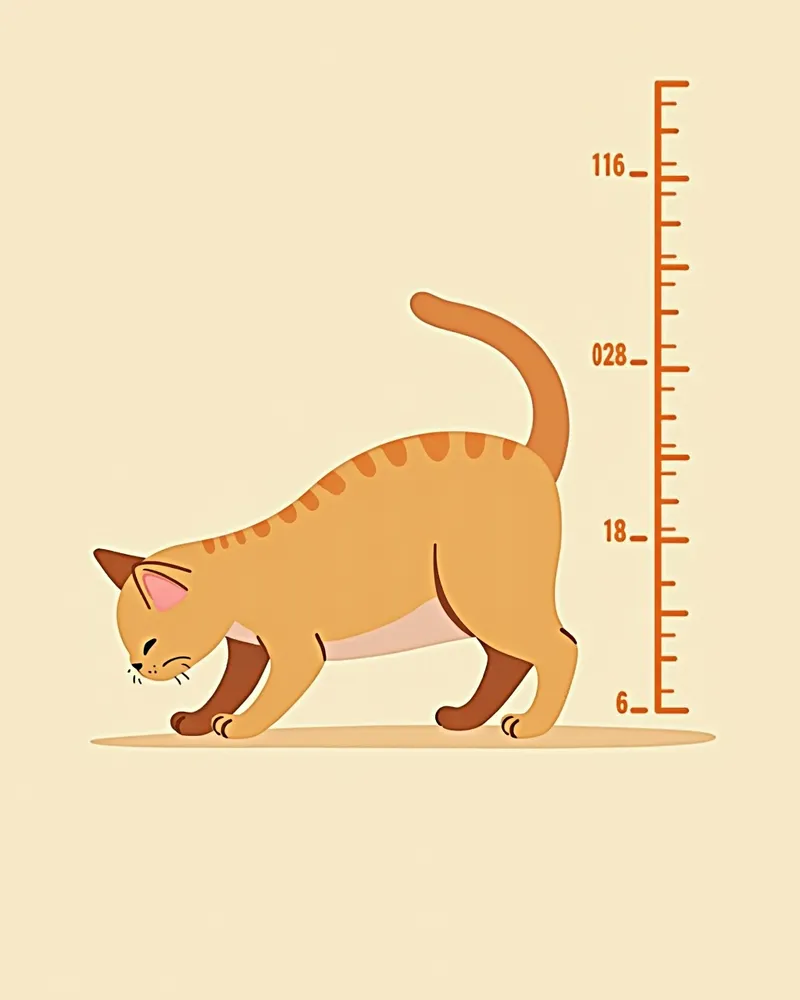
Feline obesity is diagnosed through weight measurement and body condition assessment. - Weight measurement: Regularly record your cat’s weight to monitor changes over time. - Body Condition Score (BCS): On a 9-point scale, a score of 5 is ideal, 6–7 indicates overweight, and 8 or higher signifies obesity. On a 5-point scale, a score of 3 is ideal. - Palpation and circumference measurement: Objectively assess fat levels by checking how easily the ribs can be felt and measuring the abdominal circumference just behind the last rib. - Tracking weight changes: Periodically record weight to identify trends. - Veterinary consultation is essential: Consult your veterinarian for an accurate diagnosis and to rule out underlying health conditions. This process helps develop a personalized management plan.
A veterinarian using a body condition scoring system to assess a cat's physique.

Treatment proceeds gradually with weight loss goals

Treating obesity involves setting weight loss goals and combining dietary management with increased physical activity. - Low-calorie diet: A veterinarian-recommended diet restricts calories to promote weight loss. - Gradual weight loss goals: It is important to aim for a stable and sustainable rate of weight loss, reducing weight slowly over several weeks rather than rapidly. - Expand playtime: Ensure at least 15–30 minutes of playtime daily to increase energy expenditure. - Use puzzle feeders: Encourage foraging behavior to increase activity levels and extend mealtime. - Monitor weight changes: Weigh your pet regularly to track progress, and adjust calorie intake if weight loss stalls. - Owner involvement is essential: Consistent care and attention are key to successful treatment.
A cat playing with a puzzle-style feeder.

Home management focuses on dietary control and increased daily activity

Managing feline obesity requires consistent effort at home. Measure your cat’s food portions accurately and minimize treats. Ensure at least 15 to 30 minutes of playtime daily, using puzzle feeders or interactive toys. Record weight changes once a week and consult with your veterinarian regularly. Consistent management is the key to success.
Portion Control: Strictly adhere to the amount recommended by your veterinarian.
Treat Limitation: Limit treats to once or twice a week, choosing low-calorie options.
Playtime: Ensure at least 15 minutes of activity each day.
Weight Tracking: Record your cat’s weight weekly to monitor trends.
Veterinary Consultation: Schedule regular check-ups every one to two months.
A pet owner who keeps track of their cat's weight records

Preventing feline obesity recurrence and breed-specific precautions

Obesity is a condition prone to recurrence, so consistent management is essential even after treatment. Some breeds may be genetically predisposed to obesity, and after neutering, calorie needs decrease, making weight gain more likely, so extra caution is necessary. Work with your veterinarian to develop a long-term management plan and stay attentive to any changes in your pet’s weight.

Reviewed by a veterinarian

Dr. Tony — Punnawat Phongkittirak

Dr. Tony — Punnawat Phongkittirak

Veterinarian

A veterinarian who majored in veterinary medicine at Khon Kaen University, Thailand, and completed the IVSA program at North Carolina State University in the United States. Drawing on clinical experience at animal hospitals, he works in the pet healthcare field and is dedicated to building a digital care environment that connects pet parents with veterinarians.

Frequently Asked Questions

How fast do cats typically gain weight?
Weight loss is safest and most sustainable when done gradually over several weeks rather than all at once. For example, a 5 kg cat should ideally lose about 50 g per week.
Should I completely stop giving treats?
Rather than eliminating treats entirely, it's better to limit them to once or twice a week and choose low-calorie options. Use treats only as rewards.
What should I do if my cat has no appetite?
A decreased appetite can occur even during weight-loss treatment. Consult your veterinarian to adjust the dietary management plan or consider nutritional supplements.
Do puzzle feeders really work?
It’s highly effective. As cats hunt for their food, they burn energy, and the extended mealtime helps them feel full for longer.
Can obesity recur even after weight loss?
Yes, this is a condition prone to recurrence. Consistent dietary management and maintaining regular exercise habits are essential. Work with your veterinarian to develop a long-term care plan.

Comparison of obesity management methods: Dietary control vs. Increased exercise vs. Puzzle feeders

ItemMethodEffectivenessDifficulty of PracticeRecommended Frequency
Dietary ControlFast weight loss, improves underlying conditionsMediumLowDaily
Increased ExerciseIncreased energy expenditure, helps maintain muscleHighMedium5+ times per week
Puzzle FeederProlongs mealtime, increases satiety, relieves stressLowLowDaily

The combination of dietary control and a puzzle feeder is the most effective.

Share

Related Guides
References

[1] Burkholder WJ. Use of body condition scores in clinical assessment of the provision of optimal nutrition. J Am Vet Med Assoc 2000;217(5):650-4.

[2] The Dog Care Handbook, Things I Wish My Vet Had Told Me. 2021. Page 123-125.

[3] Clinical Medicine of the Dog and Cat, 4th Ed. 2020. Chapter 26: Management of the Obese Dog or Cat.

This information is based on veterinary literature and does not replace diagnosis or treatment. Please consult a veterinarian for specific health concerns.

Metapet Co., Ltd. | CEO: Park Sung-yong | Business Reg. No. 417-88-02562 | Seoul, South Korea | Customer Center

Cat Weight & Obesity Prevention: Symptoms to Treatment | Meongsiljang