

Comprehensive Guide to Symptoms, Causes, Diagnosis, Treatment, and Care for Age-Specific Regular Health Check-ups for Dogs
This guide provides a comprehensive overview of health check-ups for dogs, including their importance based on age, key symptoms, causes, diagnostic methods, and treatment and care tips.
Age-Specific Regular Health Check-ups for Dogs Are a Key Preventive Measure to Protect the Health of Both Owners and Dogs
Health Risks for Dogs Vary Significantly Across Different Life Stages

Identify Key Symptoms and Causes for Each Age Group

Immediate Veterinary Visit Is Required If These Symptoms Appear
If your dog suddenly loses its appetite and shows persistent vomiting or diarrhea, difficulty breathing, or decreased consciousness, you should visit a vet immediately. These could be signs of an acute illness, and quick diagnosis and treatment can save your dog's life. Early intervention is especially important for senior dogs to prevent symptoms from worsening.
Regular Health Check-ups Include Blood Work, Urinalysis, and X-rays

Stage-Specific Treatment and Management Methods for Early Disease Detection
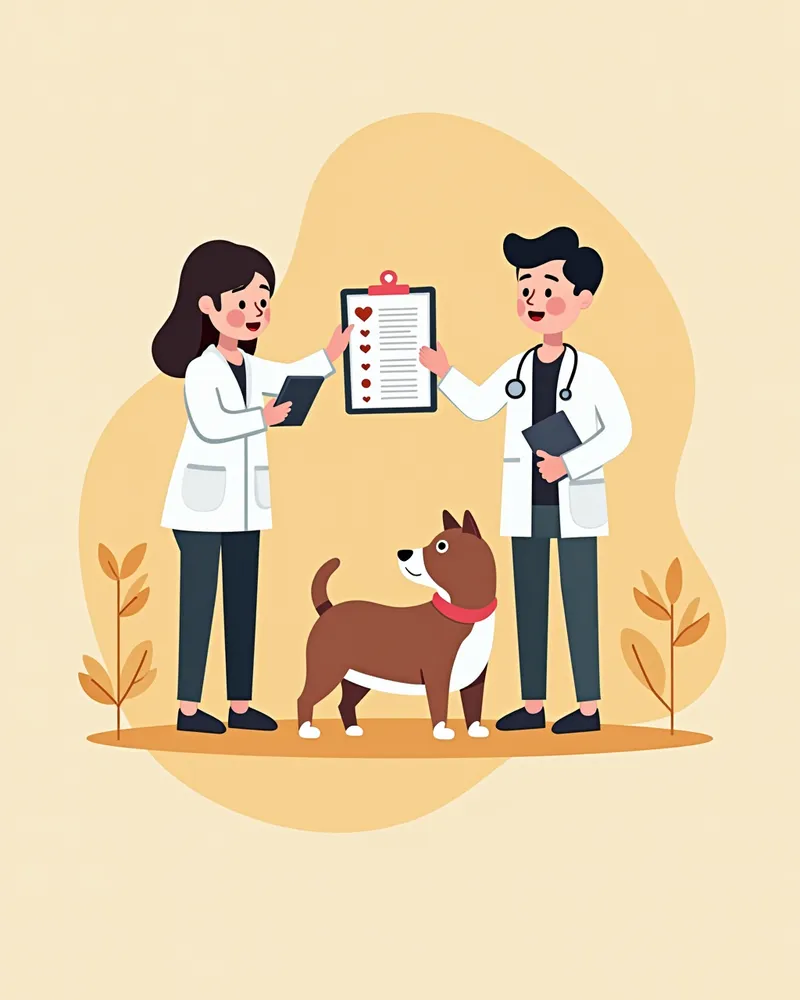
Age-Specific Care Points You Can Implement at Home

Senior Dogs Are at Higher Risk of Disease Recurrence, So Caution Is Required
Senior dogs are at higher risk of chronic conditions such as heart disease, diabetes, and kidney disease recurring. Regular check-ups and careful medication management are essential. It’s also important to watch for potential drug interactions and to regularly review the treatment plan in close consultation with your veterinarian. Preventive care is key to maintaining their quality of life.
Reviewed by a veterinarian

Dr. Tony — Punnawat Phongkittirak
VeterinarianA veterinarian who majored in veterinary medicine at Khon Kaen University, Thailand, and completed the IVSA program at North Carolina State University in the United States. Drawing on clinical experience at animal hospitals, he works in the pet healthcare field and is dedicated to building a digital care environment that connects pet parents with veterinarians.
Reviewed 2026-06-29
Frequently Asked Questions
How often should dogs have routine health check-ups at different life stages?
What health screenings are recommended for senior dogs?
What should I do if my dog gets anxious during a checkup?
How much does a routine health check-up cost?
What should I do if my dog dislikes check-ups?
Comparison of Age-Specific Regular Health Check-up Items for Dogs
| Item | Main Examination Items | Examination Interval | Precautions |
|---|---|---|---|
| Infancy (0–1 year) | Vaccination, parasite testing, weight/growth tracking, basic physical examination | Every 3–4 weeks | Focused on preventing infectious diseases and assessing growth and development |
| Adolescence (1–3 years) | Behavioral assessment, nutritional status check, basic blood test, physical examination | Every 6 months | Observation of emotional development and behavioral traits |
| Adulthood (3–7 years) | Liver/kidney function test, blood test, urinalysis, physical examination | Once a year | Early detection of chronic diseases and lifestyle management |
| Senior (7 years and older) | Cardiac ultrasound, liver/kidney function test, blood test, urinalysis, radiography | Every 6 months | Tracking chronic disease progression and early detection of functional decline |
Examination items may be adjusted by the veterinarian based on the dog's breed, health condition, and clinical signs.
Share
Related Guides

Top Recommendations and Selection Criteria for Cat FIV and FeLV Testing
Top Microchip Implantation Management Recommendations for Dogs and Key Selection Criteria

Complete Guide to Choosing, Comparing, and Managing the Best Heartworm Preventives for Dogs

Puppy Basic Vaccination Schedule: Symptoms, Causes, Diagnosis, Treatment, and Management Essentials

Optimal Timing for Dog Neutering: Symptoms, Causes, Diagnosis, Treatment, and Care Points Summary

Puppy Nutritional Counseling and Diet Selection: Symptoms, Causes, Diagnosis, Treatment, and Management Essentials

Dog Nail Care: A Complete Guide to Symptoms, Causes, Diagnosis, Treatment, and Management

Complete Guide to Choosing and Comparing Heartworm Preventives for Dogs: Symptoms, Causes, Diagnosis, Treatment, and Management
Comprehensive Guide to Symptoms, Causes, Diagnosis, Treatment, and Management for a Puppy’s First Vet Visit

Dog Dry vs Wet vs Raw Food Selection: Symptoms, Causes, Diagnosis, Treatment, and Management Points Summary