

If Your Cat Keeps Coughing — Lungworm Infection Symptoms, Transmission Routes, and Treatment Timing
Feline lungworm infection is a respiratory parasitic disease caused by lungworms that parasitize the lungs and bronchi. The main symptoms are chronic coughing and difficulty breathing, and the primary route of infection is through the ingestion of slugs or lizards.
What Is Feline Lungworm Infection?

How Does Infection Occur? — Transmission Routes and Life Cycle
Checklist of Main Symptoms of Lungworm Infection
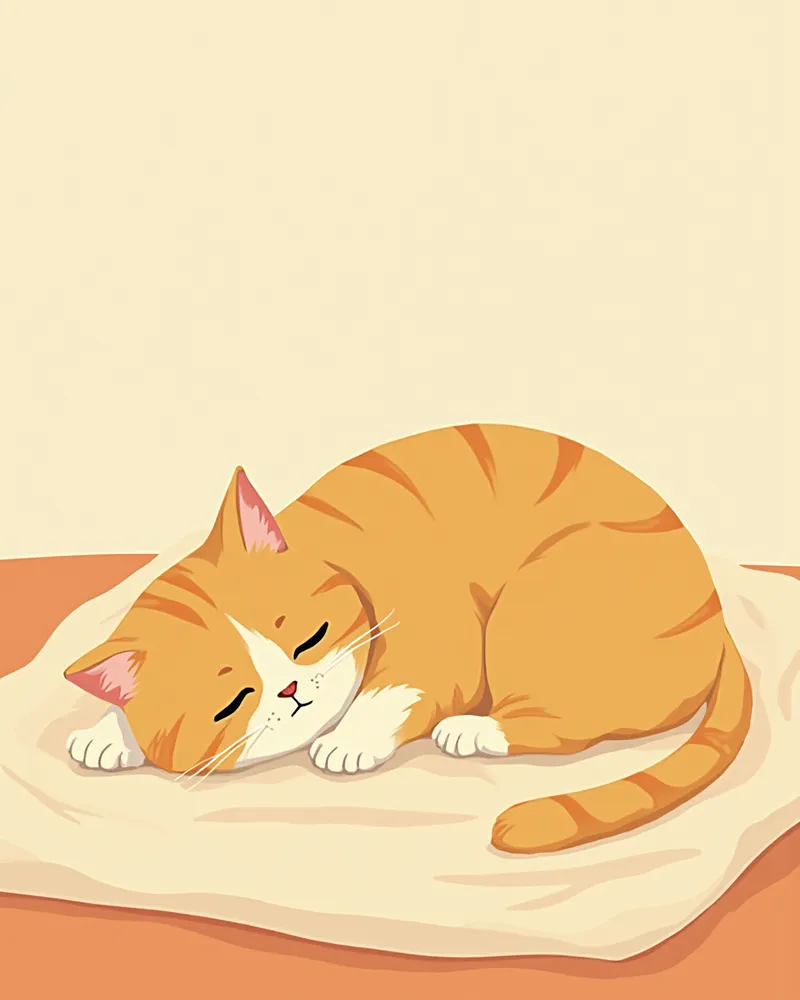
When Immediate Emergency Veterinary Care Is Needed
If your cat is panting with its mouth open, if its gums or tongue appear pale or bluish, if its abdomen is noticeably expanding and contracting with each breath, or if it has refused food and water for more than 24 hours, seek immediate veterinary care. These signs may indicate a life-threatening emergency involving a sudden decline in lung function.
How Is It Diagnosed?
Treatment Methods — Deworming Medication and Supportive Care
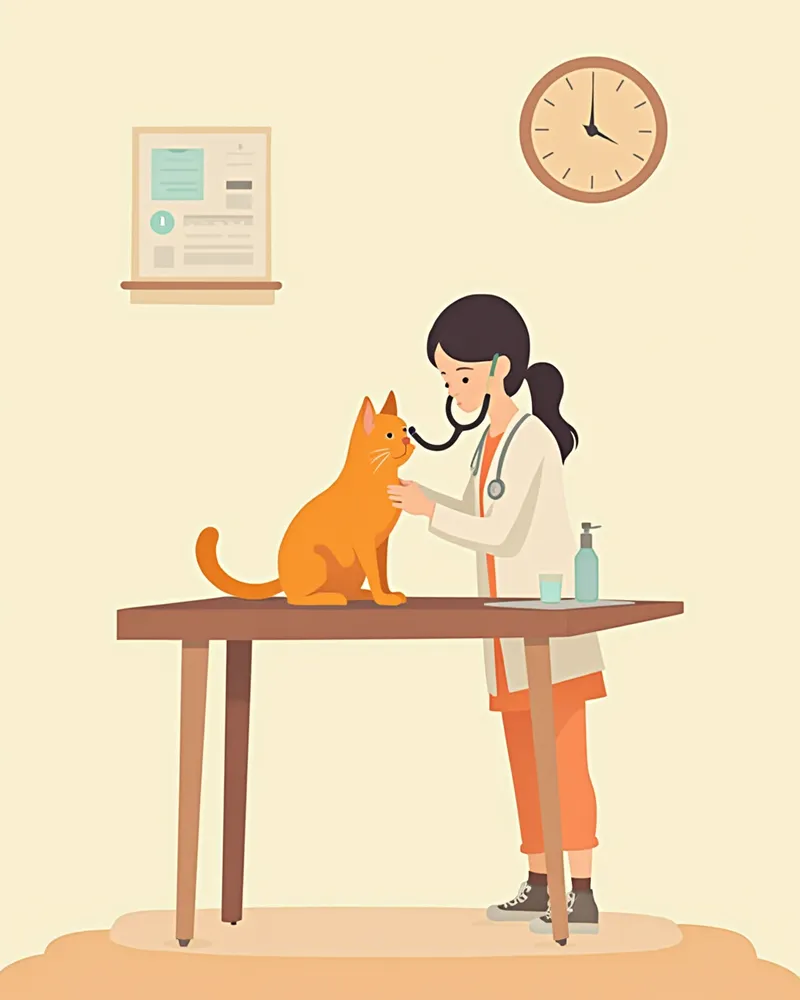
Home Management and Care Points

Preventing Reinfection and Breed-Specific Precautions
Kittens under six months of age and immunocompromised senior cats may experience a more rapid worsening of symptoms. Brachycephalic breeds, such as Persians and Exotic Shorthairs, have naturally narrower airways, which can lead to more severe respiratory symptoms. Even after full recovery, it is advisable for outdoor cats to undergo fecal examinations every six months and to receive monthly deworming preventatives consistently.
Reviewed by a veterinarian

Dr. Tony — Punnawat Phongkittirak
VeterinarianA veterinarian who majored in veterinary medicine at Khon Kaen University, Thailand, and completed the IVSA program at North Carolina State University in the United States. Drawing on clinical experience at animal hospitals, he works in the pet healthcare field and is dedicated to building a digital care environment that connects pet parents with veterinarians.
Reviewed 2026-05-29
Frequently Asked Questions
Can heartworms be transmitted to humans?
Can even indoor cats get infected with heartworm?
How long does treatment take?
Is there a separate preventive medication?
Does coughing always mean a heartworm infection?
Share
Related Guides

5 Flea and Tick Preventives for Cats Recommended by Veterinarians — Ingredient Safety Comparison

The Ultimate Guide to Differentiating Symptoms, Managing Internal Parasites in Dogs, and Choosing the Best Products

Best Practices and Selection Criteria for Dog Heartworm Antigen Testing
Complete Guide to Feline Rabies Vaccination: Symptoms, Causes, Diagnosis, Treatment, and Management

Complete Guide to Cat Age Conversion: Symptoms, Causes, Diagnosis, Treatment, and Management

Cat Core Vaccination Schedule: Symptoms, Causes, Diagnosis, Treatment, and Management Points Summary

Cat Dry vs. Wet vs. Raw Food Selection: Symptoms, Causes, Diagnosis, Treatment, and Management Points Summary

A Complete Guide to Cat Health Check-ups by Age: Symptoms, Causes, Diagnosis, Treatment, and Care Priorities

Puppy Deworming: Timing, Symptoms, Causes, Diagnosis, Treatment, and Management Essentials

Dog Lung Fluke Symptoms, Causes, Diagnosis, Treatment, and Management: A Complete Guide
References
[1] Traversa D, Di Cesare A, Conboy G. Canine and feline cardiopulmonary parasitic nematodes in Europe: emerging and underestimated. Parasit Vectors. 2010;3:62.
[2] Little SE (ed). The Cat: Clinical Medicine and Management, 2nd Edition. Elsevier Saunders, 2012.
[3] Ettinger SJ, Feldman EC, Côté E (eds). Textbook of Veterinary Internal Medicine, 8th Edition. Elsevier, 2017.
[4] Bowman DD. Georgis' Parasitology for Veterinarians, 10th Edition. Elsevier Saunders, 2014.