Like
Share
멍실장
고양이 흉수(흉막삼출) 증상과 원인, 진단·치료와 관리 포인트 총정리

Feline Pleural Effusion: Symptoms, Causes, Diagnosis, Treatment, and Care Essentials

RespiratoryDiseasesMeongsiljang Veterinary Advisory Board

Feline pleural effusion is a condition in which excess fluid accumulates in the chest cavity, causing difficulty breathing. Early detection and appropriate treatment are key to improving survival rates.

What Is Feline Pleural Effusion?
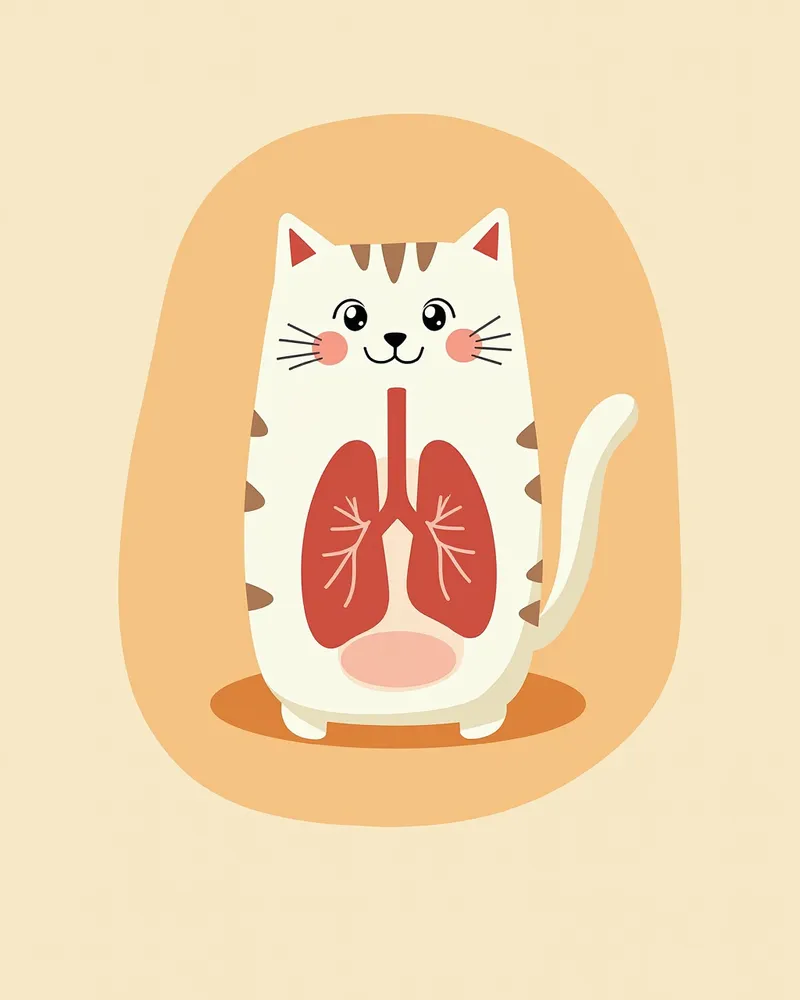
Anatomical image showing the site of pleural effusion in cats
Feline pleural effusion is a condition in which an abnormal accumulation of fluid between the layers of the pleura within the thoracic cavity compresses the lungs and impairs respiratory function. - Pleural effusion: Excess fluid in the thoracic cavity prevents the lungs from expanding fully, reducing oxygen exchange and making breathing difficult. - Diverse causes: Heart disease, infections, tumors, trauma, and immune-mediated disorders can all cause pleural effusion, so identifying the exact underlying cause is crucial for effective treatment. - Respiratory distress: Affected cats may pant, breathe with their mouths open, exhibit rapid breathing, and show increased chest movement. - Emergency situation: If signs of hypoxia appear, such as bluish discoloration of the lips or oral mucosa, or if the cat collapses, immediate veterinary care is essential. Prompt diagnosis and treatment are critical to improving survival rates.

Main Causes

There are many possible causes of pleural effusion in cats. - Heart disease: Congestive heart failure resulting from impaired cardiac function can disrupt blood circulation and cause fluid to accumulate in the thoracic cavity. - Infectious causes: Pneumonia or bacterial and viral infections can inflame the pleura, promoting fluid production. - Tumors: Malignant tumors in the lungs or pleura can induce the production of exudative fluid; identifying the underlying cause is essential for effective treatment. - Trauma and coagulopathies: Post-traumatic hemorrhage or clotting disorders can also lead to pleural effusion. - Immune-mediated diseases: Autoimmune disorders can trigger inflammatory responses in the pleura, resulting in fluid accumulation. Accurately identifying the underlying cause is the first step toward treatment.
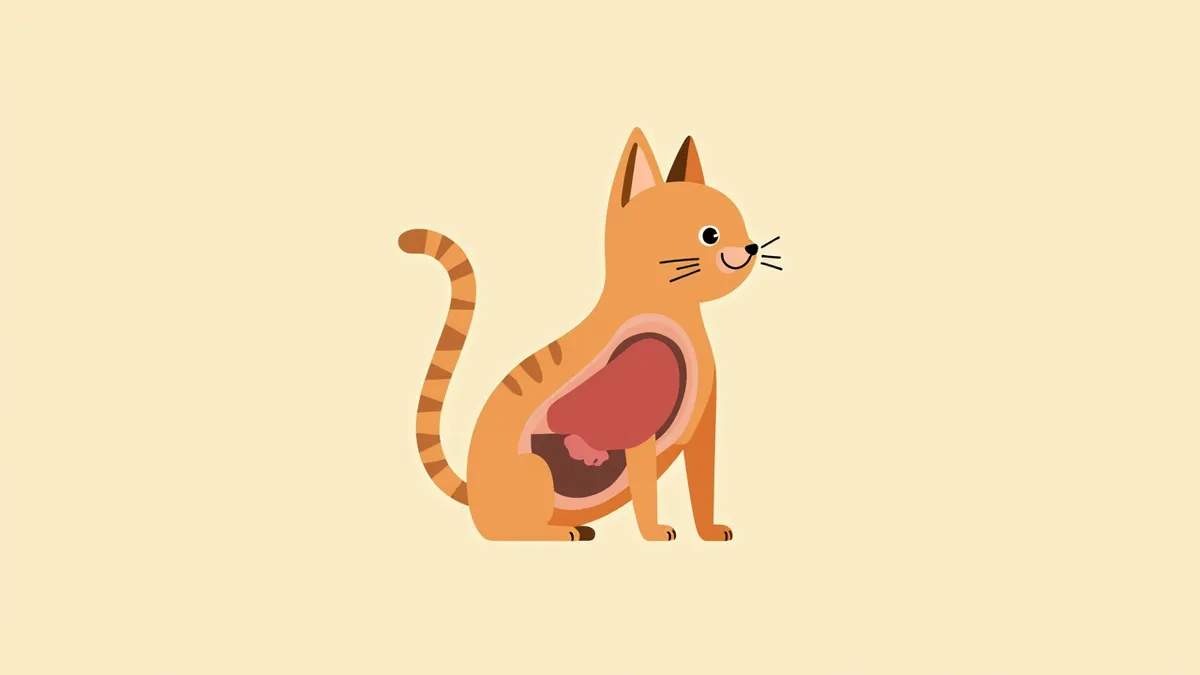
An infographic explaining the main causes of feline pleural effusion

Main Symptoms

Feline pleural effusion typically presents with respiratory distress as the earliest sign. - Respiratory distress: The cat may pant or breathe with an open mouth, showing an increased respiratory rate and exaggerated chest movements. - Increased chest movement: Rapid rising and falling of the chest is visible, or rapid thoracic breathing can be observed from the side. - Postural changes: The cat may adopt a sitting or recumbent resting position, sometimes extending the hind legs and lowering the chin to the ground in a “sphinx” posture to aid breathing. - Signs of hypoxia: The lips or oral mucosa may turn blue, and the cat may progress to shock. - Decreased activity: The cat shows reduced movement, loss of appetite, and weakness. As the condition worsens, it can become life-threatening, requiring immediate veterinary care.
Difficulty breathing in cats caused by pleural effusion

Signs Requiring Immediate Veterinary Attention

If your cat is panting, breathing with its mouth open, has blue-tinged lips or oral mucosa, or collapses, seek veterinary care immediately. These signs indicate acute hypoxemia due to a respiratory problem, and delayed oxygen therapy can be fatal, so prompt intervention is critical.

Diagnostic Methods
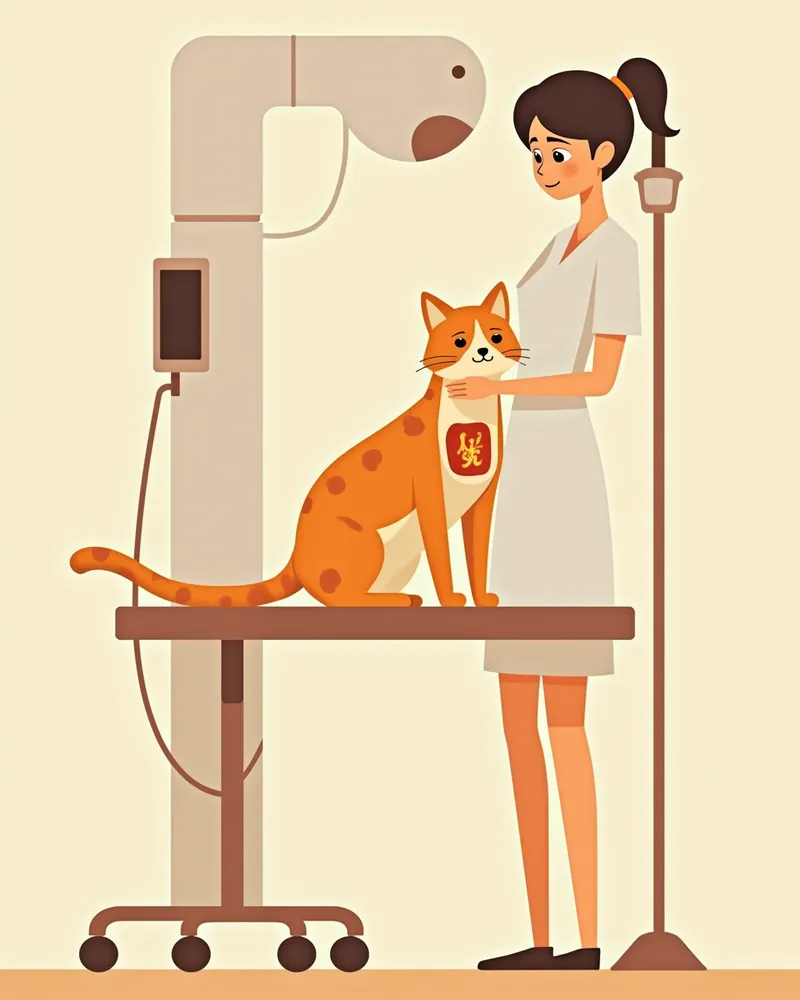
The first step in diagnosing pleural effusion is a chest X-ray. - Chest X-ray: This is the most useful tool for initial diagnosis, as it clearly shows fluid accumulation within the thoracic cavity. - Thoracentesis: By collecting and analyzing a sample of the pleural fluid, we can identify the underlying cause and also help alleviate symptoms. - Echocardiogram: This allows us to assess heart function and determine whether heart disease is the cause. - Blood tests and CT scans: These provide a more precise evaluation for infections, tumors, or immune-mediated diseases. Because effective treatment is difficult without an accurate diagnosis, we rely on a combination of these tests to reach a definitive conclusion.
A chest X-ray being taken to diagnose pleural effusion in a cat

Treatment Methods

Treatment depends on the underlying cause, but stabilizing breathing is the top priority. - Thoracentesis: This procedure removes excess fluid to help the lungs expand and restore normal breathing. Rapid breathing and increased respiratory effort caused by pleural effusion often improve quickly after thoracentesis. - Treating the underlying cause: Therapy is tailored to the specific cause, such as heart medications for cardiac disease, antibiotics for infections, chemotherapy for tumors, or immunosuppressants for immune-mediated conditions. - Oxygen therapy: Supplemental oxygen delivered via an oxygen cage, oxygen tent, mask, or flow-by method helps relieve respiratory distress. - Surgical intervention: Surgery may be considered for tumors or chronic pleural effusion, with the decision based on the nature of the lesion. - Ongoing care: Regular check-ups and continued medication are necessary after treatment. Consistent monitoring is essential to detect any changes in condition early.
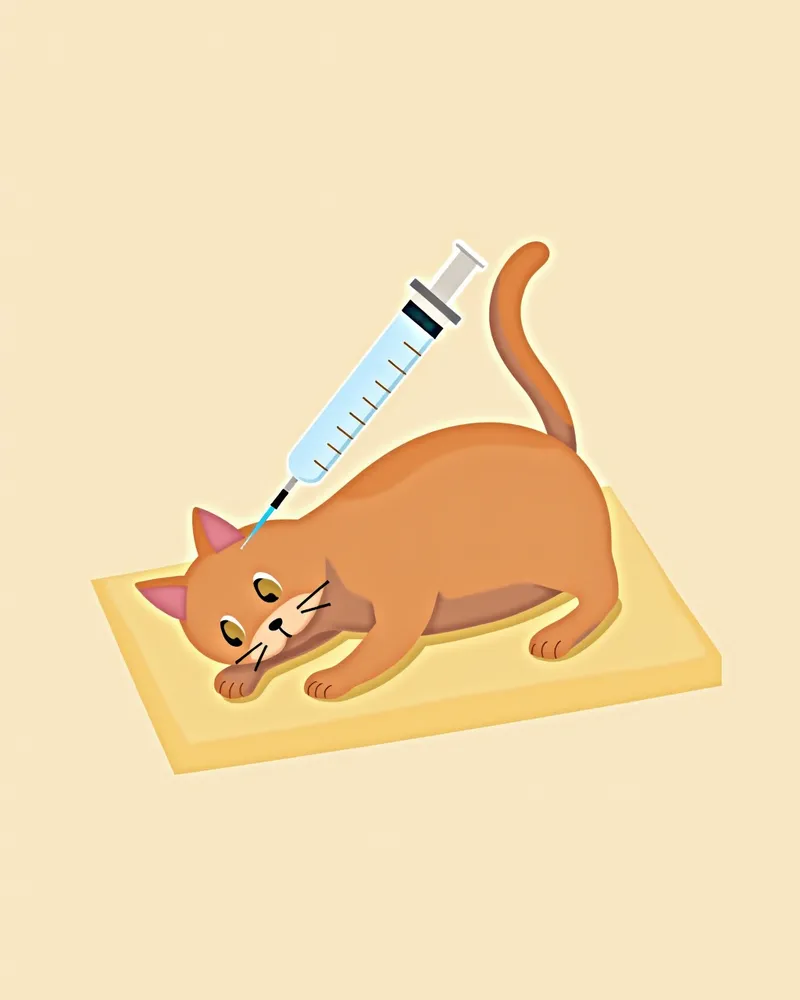
Thoracentesis procedure for treating feline pleural effusion

Home Care and Management

After treatment, it is important to manage your pet in a stable environment. - Environmental Control: Provide a quiet and warm space to reduce stress and maintain an environment that supports physical recovery. - Oxygen Supply: If necessary, assist with oxygen supply using an oxygen cage, oxygen tent, or oxygen mask to make breathing easier. - Medication Administration: Administer medication at the correct dosage and time. If fatigue, vomiting, or side effects from the medication occur, consult your veterinarian immediately. - Dietary Management: It is important to reduce the burden on the stomach by offering small, frequent meals and to maintain nutritional balance. - Activity Restriction: Avoid excessive exercise and ensure your pet gets plenty of rest. Regular veterinary check-ups to monitor their condition will help prevent recurrence and support long-term health.
A cat resting in a calm, stable environment after treatment for pleural effusion.

Preventing Recurrence and Precautions

If the underlying cause isn’t treated, pleural effusion can recur. Managing the root condition—such as heart disease or chronic tumors—is key to preventing recurrence. While your pet is on medication, carefully monitor for any side effects, and consult your veterinarian right away if you notice any changes in symptoms.

Reviewed by a veterinarian

Dr. Tony — Punnawat Phongkittirak

Dr. Tony — Punnawat Phongkittirak

Veterinarian

A veterinarian who majored in veterinary medicine at Khon Kaen University, Thailand, and completed the IVSA program at North Carolina State University in the United States. Drawing on clinical experience at animal hospitals, he works in the pet healthcare field and is dedicated to building a digital care environment that connects pet parents with veterinarians.

Frequently Asked Questions

Is feline mastitis treatable?
Treatment depends on the underlying cause. Heart disease can often be stabilized with medication, while infections or tumors require specific, targeted therapies. Early diagnosis and treatment are key to improving survival rates.
Is pleural effusion common in cats?
While it’s relatively uncommon overall, cats with heart or lung disease, as well as senior cats, are at higher risk. Early detection is key.
How long can a pet live after treatment for pleural effusion?
It depends on the underlying cause and how the patient responds to treatment. Heart disease can be managed long-term, whereas malignant tumors may carry a poor prognosis. Regular monitoring in collaboration with your veterinarian is essential.
Can you prevent pleural effusion at home?
While direct prevention can be challenging, maintaining heart health and undergoing regular check-ups are essential. Reducing stress and providing a stable living environment can also be beneficial.
My cat seems distressed after thoracentesis. Is this normal?
Temporary fatigue or anxiety are common reactions. However, if difficulty breathing persists or quickly recurs, or if your pet collapses or shows bluish discoloration of the lips, immediate veterinary care is necessary.

Share

Related Guides

References

[1] The Cat, Clinical Medicine and Management, 2nd Edition, 2020, Elsevier

[2] Plumb's Veterinary Drug Handbook, 9th Edition, 2021, Wiley

[3] Feline Medicine and Surgery, 2nd Edition, 2019, Saunders

This information is based on veterinary literature and does not replace diagnosis or treatment. Please consult a veterinarian for specific health concerns.

Metapet Co., Ltd. | CEO: Park Sung-yong | Business Reg. No. 417-88-02562 | Seoul, South Korea | Customer Center

Feline Pleural Effusion: Symptoms, Causes, and Treatment Guide | Meongsiljang