
Complete Guide to Puppy Malocclusion: Symptoms, Causes, Diagnosis, Treatment, and Care
Malocclusion in puppies is a dental issue where the teeth don’t align properly, which can affect eating and oral hygiene. Early detection and proper care are key.
Puppy malocclusion is an oral issue where the teeth do not align properly

The main causes of malocclusion are genetics and changes in tooth alignment during growth

Main symptoms include difficulty eating, bad breath, and tooth damage

Signs that require an immediate veterinary visit
If your dog shows signs of pain while eating, has bleeding from the mouth, loses teeth, or develops severe bad breath, consult a veterinarian immediately. These could be signs of serious gum disease or tooth damage. Delaying treatment can make it more difficult to manage, so prompt action is essential.
Diagnosis is accurately confirmed through oral examination and dental X-rays
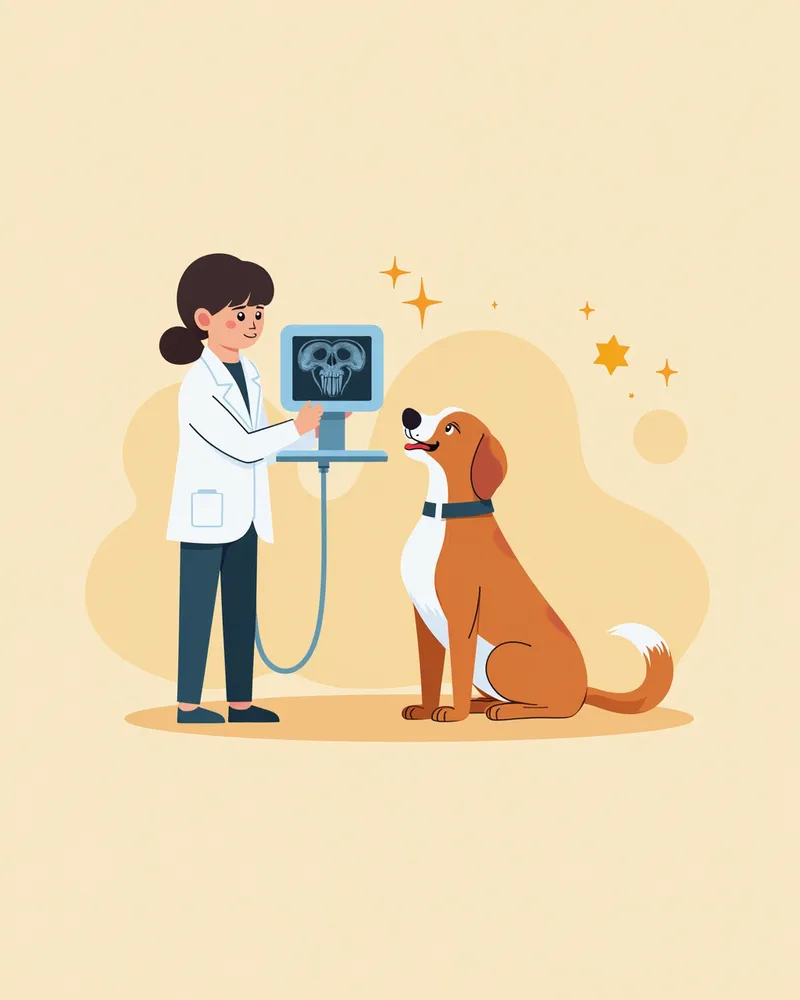
Treatment is carried out in stages, including orthodontic correction, tooth extraction, and surgery

Home care focuses on regular oral hygiene and managing eating habits

Certain breeds are at higher risk for malocclusion and require extra attention
Brachycephalic breeds with short muzzles, such as Bulldogs, Pugs, Shih Tzus, and Boston Terriers, are prone to malocclusion and dental disease because their upper teeth tend to crowd into a limited space, so extra care is needed. In particular, brachycephalic dogs with short jaws may have uneven tooth alignment or improperly positioned teeth, which can lead to oral trauma. Additionally, certain breeds, such as Shetland Sheepdogs, can inherit specific abnormalities in canine tooth positioning. It is important to understand breed-specific traits before adoption and to have your dog undergo a dental examination during the transition from deciduous to permanent teeth.
Reviewed by a veterinarian

Dr. Tony — Punnawat Phongkittirak
VeterinarianA veterinarian who majored in veterinary medicine at Khon Kaen University, Thailand, and completed the IVSA program at North Carolina State University in the United States. Drawing on clinical experience at animal hospitals, he works in the pet healthcare field and is dedicated to building a digital care environment that connects pet parents with veterinarians.
Reviewed 2026-06-29
Frequently Asked Questions
Can a dog’s malocclusion be treated?
Is malocclusion hereditary?
When should orthodontic treatment for teeth begin?
Does malocclusion make it difficult for your pet to eat?
What are some management methods you can do at home?
Share
Related Guides
7 Best Cat Dental Chews for Tartar Prevention Recommended by Veterinarians and Selection Criteria
Top 5 Recommended Dental Treats for Dogs in 2026 — VOHC Certification Criteria
7 Criteria for Choosing Dog Tartar Prevention Dental Chews Recommended by Veterinarians
Complete Guide to Feline Liver Ultrasound — From Abnormal Findings to Diagnosis and Management Points

Complete Guide to Feline Liver Support Diets — What and How to Feed

My Cat Won’t Eat — Warning Signs of Fatty Liver (Hepatic Lipidosis) and When to Act

If Your Cat Keeps Vomiting and Refuses to Eat — Causes and Treatment Timing for Triaditis (Liver, Pancreas, Intestine)
Complete Guide to Dog Kidney Ultrasound: Costs, Process, and Timing for Result Interpretation
Our Puppy with Kidney Failure — When Peritoneal Dialysis Is Needed and Key Care Points
Nephrotoxic Drugs and Substances Dangerous to Your Dog — Symptoms of Toxicity and Key Response Points
References
[1] Asher, L. et al. (2009) Inherited defects in pedigree dogs. Part 1: Disorders related to breed standards. Veterinary Journal, 182, 402–411.
[2] Clinical Medicine of the Dog and Cat, 4th Ed. (2023). Chapter 12: Dental Disorders and Oral Health.
[3] Plumb's Veterinary Drug Handbook, 9th Ed. (2022). Section on Oral Medications and Pain Management in Canine Dentistry.