
Feline Neurogenic Bladder: Symptoms, Causes, Diagnosis, Treatment, and Management Essentials
Feline neurogenic bladder is a condition in which nerve damage impairs the bladder’s ability to contract properly, leading to urinary difficulties and pain. Early diagnosis and management are essential.
What is Feline Neurogenic Bladder?
What are the Main Causes?
Main Symptoms and Signs

Signs Requiring Immediate Veterinary Visit
If your cat is unable to urinate for an extended period or shows signs of pain while trying to urinate, you should take them to the vet immediately. A blockage in urine flow can quickly lead to kidney dysfunction and life-threatening conditions such as hyperkalemia. It also increases the risk of bladder distension and urinary tract infections, so this situation must be treated as an emergency.
Accurate Diagnostic Methods
Treatment Methods and Step-by-Step Management
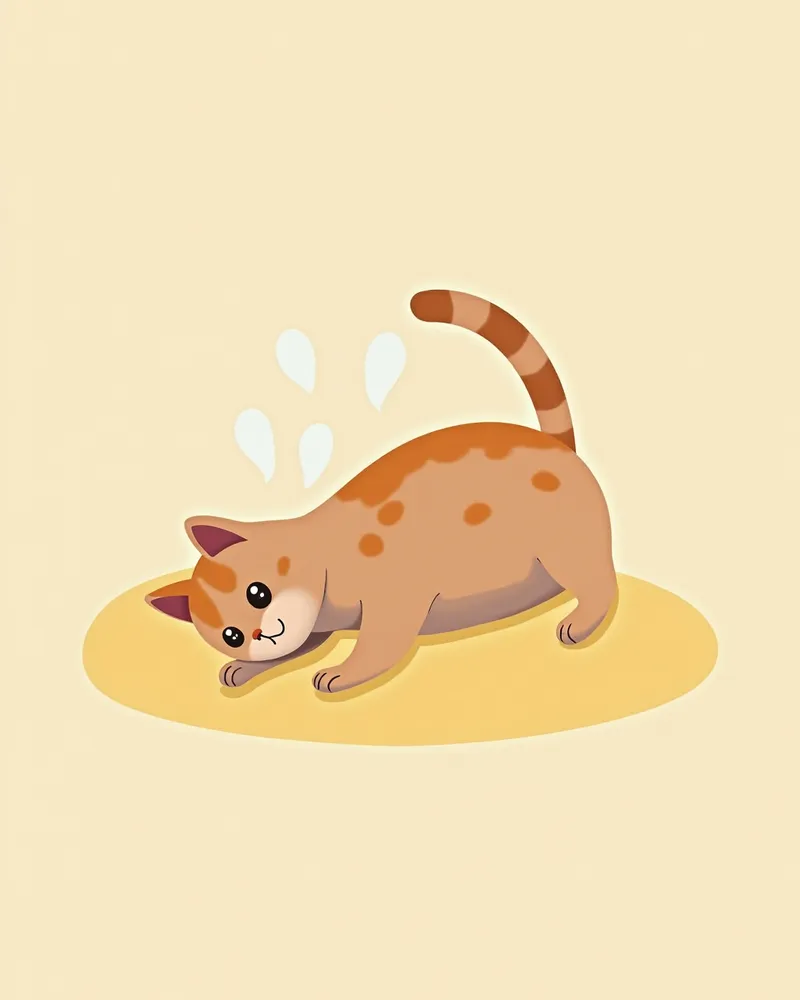
Home Management Points
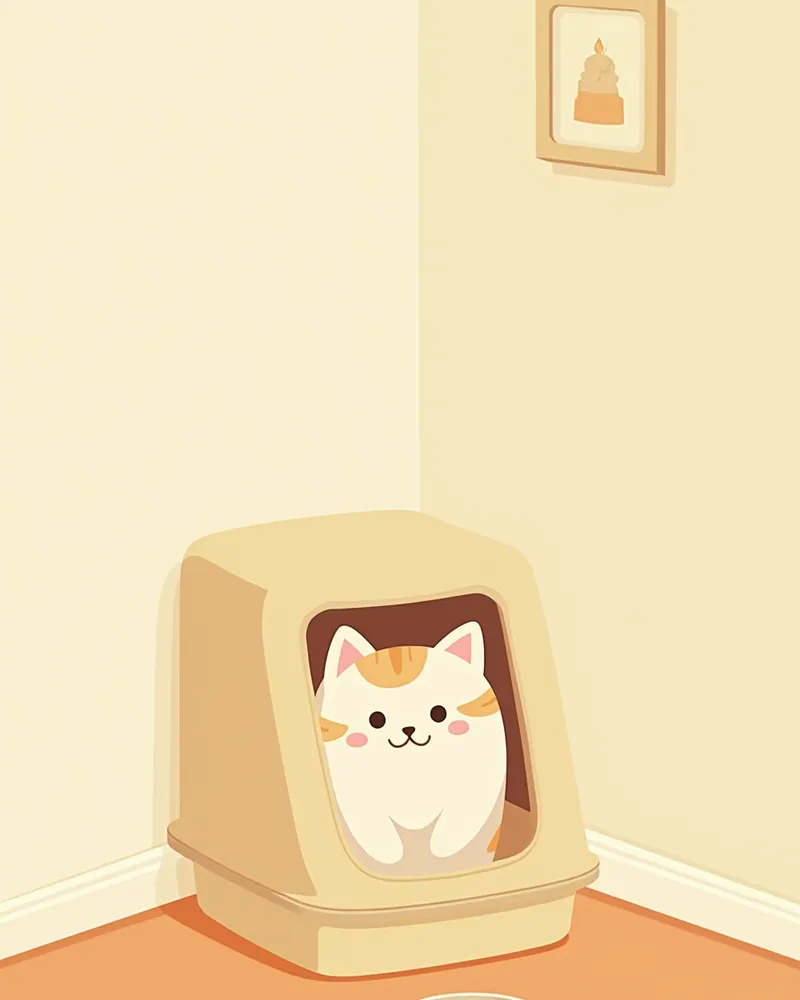
Preventing Recurrence and Breed Considerations
There is currently no clear evidence that certain breeds are genetically more susceptible to neurogenic bladder. Since bladder control dysfunction is primarily caused by acquired factors such as spinal cord injury, nerve compression, or neurological diseases like feline infectious peritonitis, identifying the underlying clinical cause is more important than focusing on breed.
Reviewed by a veterinarian

Dr. Tony — Punnawat Phongkittirak
VeterinarianA veterinarian who majored in veterinary medicine at Khon Kaen University, Thailand, and completed the IVSA program at North Carolina State University in the United States. Drawing on clinical experience at animal hospitals, he works in the pet healthcare field and is dedicated to building a digital care environment that connects pet parents with veterinarians.
Reviewed 2026-06-29
Frequently Asked Questions
Can feline neurogenic bladder be treated?
How often should manual urination be performed?
Why might a cat have trouble urinating?
Why can’t my pet urinate even when their bladder is empty?
Is this condition common in cats?
Share
Related Guides

Top 5 Prescription Diets for Feline FLUTD — Comparison by Struvite and Calcium Oxalate Stones

Top 7 Prescription Diets for Feline Bladder and Urinary Tract Health Recommended by Veterinarians — Including Selection Criteria

Top 5 Cranberry Urinary Supplements for Dogs — Preventing Cystitis
When Your Cat Is Lethargic and Only Drinks Water — Causes and Treatment of Feline Primary Hyperparathyroidism
My Cat Is Constantly Lethargic and Having Seizures — Causes and Treatment Timing for Neoplasm-Induced Hypoglycemia
Complete Guide to Monitoring a Cat’s Blood Glucose Curve — From Measurement to Interpretation and Management
How to Plan a Diabetic Cat’s Diet — Key Points for Blood Sugar Management

Growling When Toys Are Touched — Causes and Correction of Resource Guarding Behavior in Dogs

List of Toxic Plants for Pets — A Complete Guide to Dangerous Indoor and Garden Plants and Poisoning Symptoms
Dog Urine Culture Test: Symptoms, Causes, Diagnosis, Treatment, and Care Essentials
References
[1] Barrs, V.R. et al. (2005) 'Neurogenic bladder dysfunction in cats: a retrospective study of 28 cases'. Journal of Feline Medicine and Surgery, 7(3), pp. 181–188.
[3] Plumb's Veterinary Drug Handbook, 9th Edition (2022). Wiley-Blackwell. pp. 1245–1248.