
If Administering Eye Drops to Your Dog Is Too Difficult — A Guide to Successful Administration Without Resistance
Administering eye drops to dogs requires proper technique, as incorrect application can irritate the eyes. By understanding the correct method and precautions, you can ensure effective treatment.
Administering Eye Drops to Dogs Requires Proper Technique
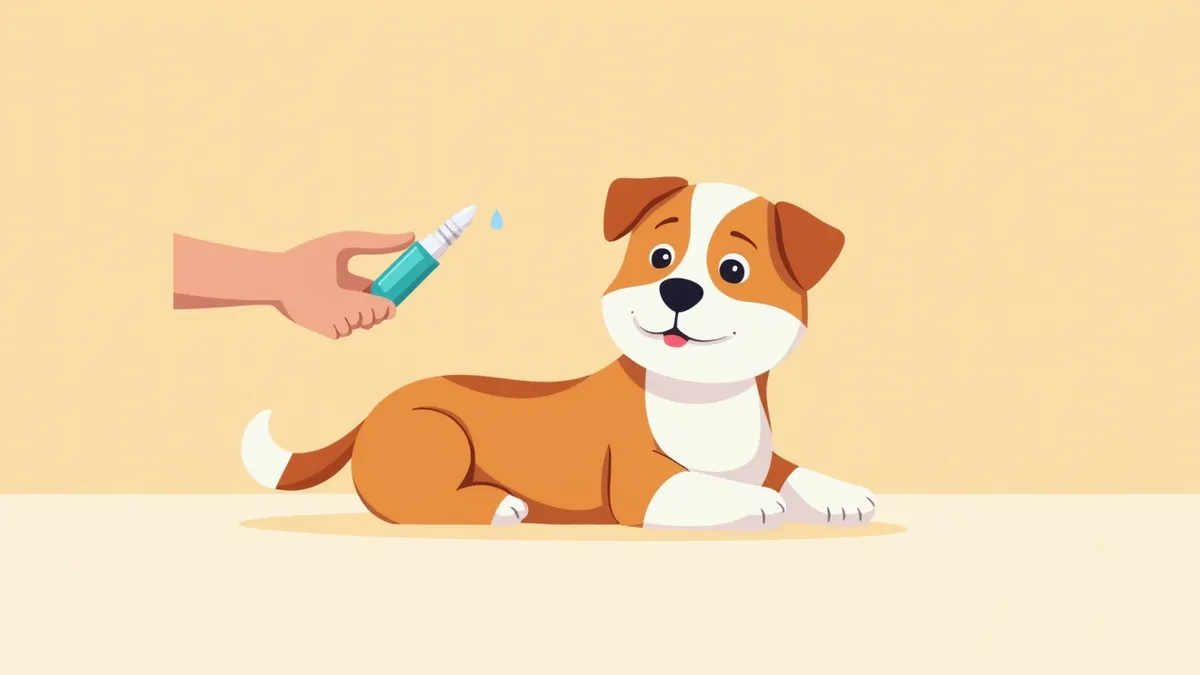
Main Causes and Pathogenesis of Eye Drop Administration

Main Symptoms and Signs When Administering Eye Drops

Emergency Signs Requiring Immediate Veterinary Visit
If your pet’s eyes are severely swollen or producing white or yellow discharge, seek veterinary care immediately, as these may be signs of a bacterial infection or corneal damage. It is also an emergency if your pet cannot open its eyes or appears to have lost vision. If symptoms worsen within 24 hours of administering eye drops, consult your veterinarian right away.
Diagnostic Tests for Accurate Diagnosis
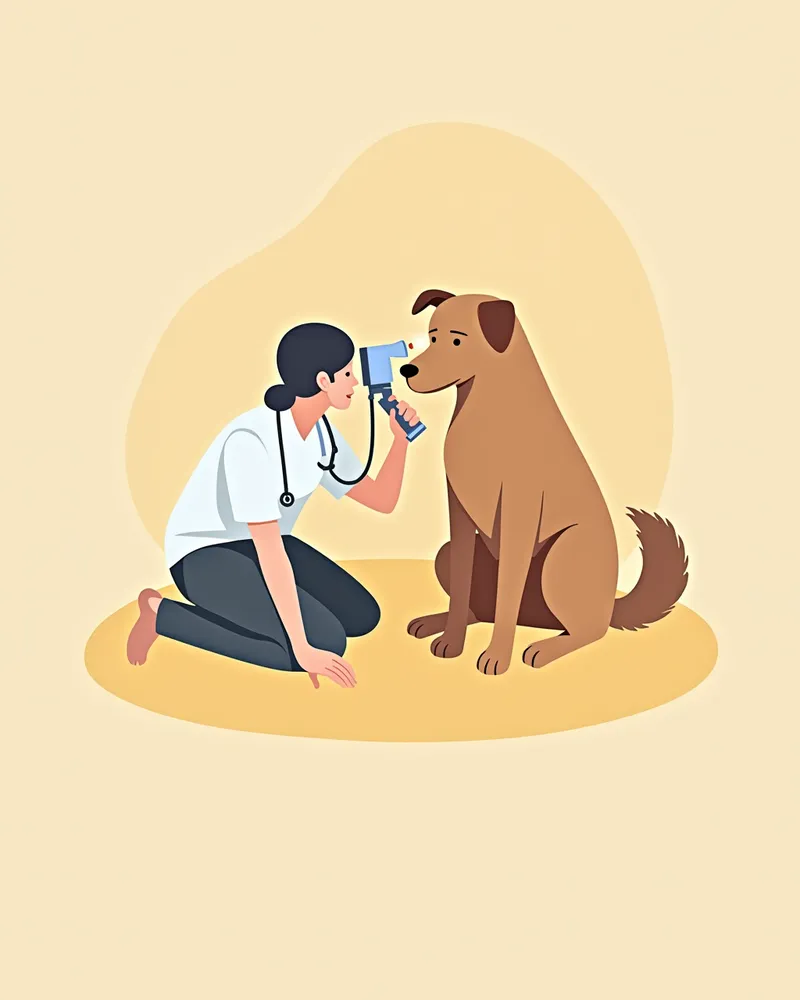
Step-by-Step Eye Drop Administration Method
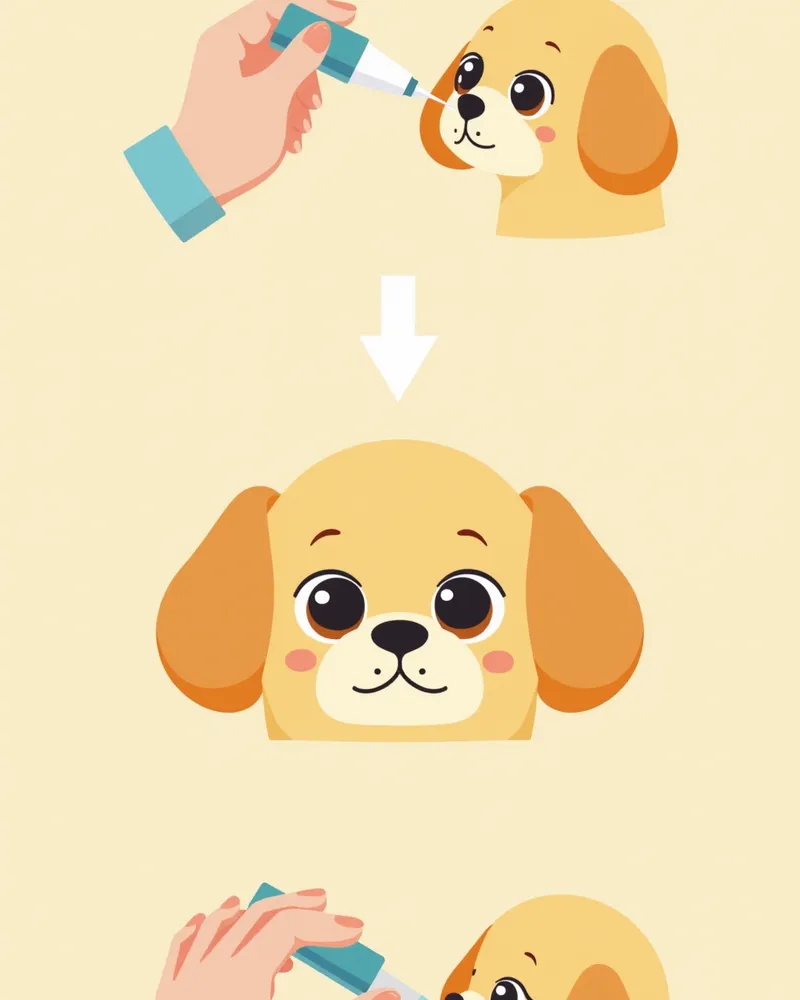
Eye Drop Storage and Care Points at Home

Breed-Specific Precautions and Tips to Prevent Recurrence
Brachycephalic breeds (e.g., Bulldogs, Pekingese, Shih Tzus) have protruding eyes, requiring extra caution when administering eye drops. Their exposed ocular surfaces are prone to dryness and more susceptible to irritation or infection. Additionally, excessive hair around the eyes can trap medication, reducing its efficacy, so please clean the area around the eyes thoroughly before application. Regular cleaning of the eye area and routine veterinary check-ups are essential. Some eye conditions may require long-term or lifelong management, so it is advisable to consult with your veterinarian to establish a consistent care plan to prevent recurrence.
Reviewed by a veterinarian

Dr. Tony — Punnawat Phongkittirak
VeterinarianA veterinarian who majored in veterinary medicine at Khon Kaen University, Thailand, and completed the IVSA program at North Carolina State University in the United States. Drawing on clinical experience at animal hospitals, he works in the pet healthcare field and is dedicated to building a digital care environment that connects pet parents with veterinarians.
Reviewed 2026-06-03
Frequently Asked Questions
What should I do if I accidentally administer eye drops incorrectly?
My pet’s eyes got redder after applying the eye drops. Is that normal?
Is it correct to administer eye drops twice a day?
Should eye drops be stored in the refrigerator?
What should I do if my dog moves around while I’m trying to administer eye drops?
Share
Related Guides
Top 5 Dog Tear Supplements Recommended for 2026
What is Lutein? Effects on Dog Eye Health

The Best Canine Uveitis Management Products and Selection Criteria: A Comprehensive Guide
Canine Bronchiectasis: Symptoms, Causes, Diagnosis, Treatment, and Management Essentials

Surgical Correction for Brachycephalic Dogs: Symptoms, Causes, Diagnosis, Treatment, and Care Essentials

Feline Viral Upper Respiratory Infection: Symptoms, Causes, Diagnosis, Treatment, and Management Essentials

Feline Pulmonary Thromboembolism: Symptoms, Causes, Diagnosis, Treatment, and Management Essentials

Feline Bordetella Respiratory Infection: Symptoms, Causes, Diagnosis, Treatment, and Management Essentials

Complete Guide to Managing Dogs During Winter Cold Snaps: Hypothermia Prevention, Symptoms, Causes, Diagnosis, Treatment, and Care Points
Comprehensive Guide to Dog Routine Blood Test Items, Symptoms, Causes, Diagnosis, Treatment, and Management
References
[1] Shilo-Benjamini, Y. et al. (2019) Small Animal Regional Anesthesia and Analgesia, 2nd Edition. Wiley-Blackwell.
[2] Advanced Monitoring for Small Animal Emergency and Critical Care, 2nd Ed. (2021). Elsevier.
[3] Tsegaw, A. et al. (2017) Bacterial contamination of multi-dose eye drops at Ophthalmology Department, University of Gondar. Middle East Afr J Ophthalmol, 24(2), 81–86.