Like
Share
멍실장
강아지 구충(훅웜) 증상과 원인, 진단·치료와 관리 포인트 총정리

Comprehensive Guide to Hookworm Symptoms, Causes, Diagnosis, Treatment, and Management in Dogs

Infection/ParasitesDiseasesMeongsiljang Veterinary Advisory Board

Hookworms in dogs are parasitic worms that live in the small intestine, where they absorb nutrients and can cause anemia and diarrhea. Early diagnosis and appropriate treatment are essential.

What Are Hookworms in Dogs?

The inside of a pale-skinned puppy's mouth
Hookworms are intestinal parasites that attach to the small intestine of dogs and feed on their blood. This parasite can cause severe anemia and small intestinal diarrhea, particularly in puppies. Infected dogs may exhibit weight loss, decreased appetite, and lethargy, and in young puppies, hemorrhagic anemia can be life-threatening. Hookworm eggs are shed into the environment through feces, where they develop into infective larvae. Infection occurs when dogs ingest these larvae orally or when the larvae penetrate the skin. Early diagnosis and appropriate treatment are key to recovering from anemia and improving prognosis, and with timely treatment, the prognosis is generally favorable. Therefore, prevention and early management are very important. Hookworm infections can cause more severe symptoms in young animals, such as puppies, and because all stages of the parasite’s life cycle must be eliminated for complete treatment, consistent management is essential.

Main Causes of Hookworm Infection

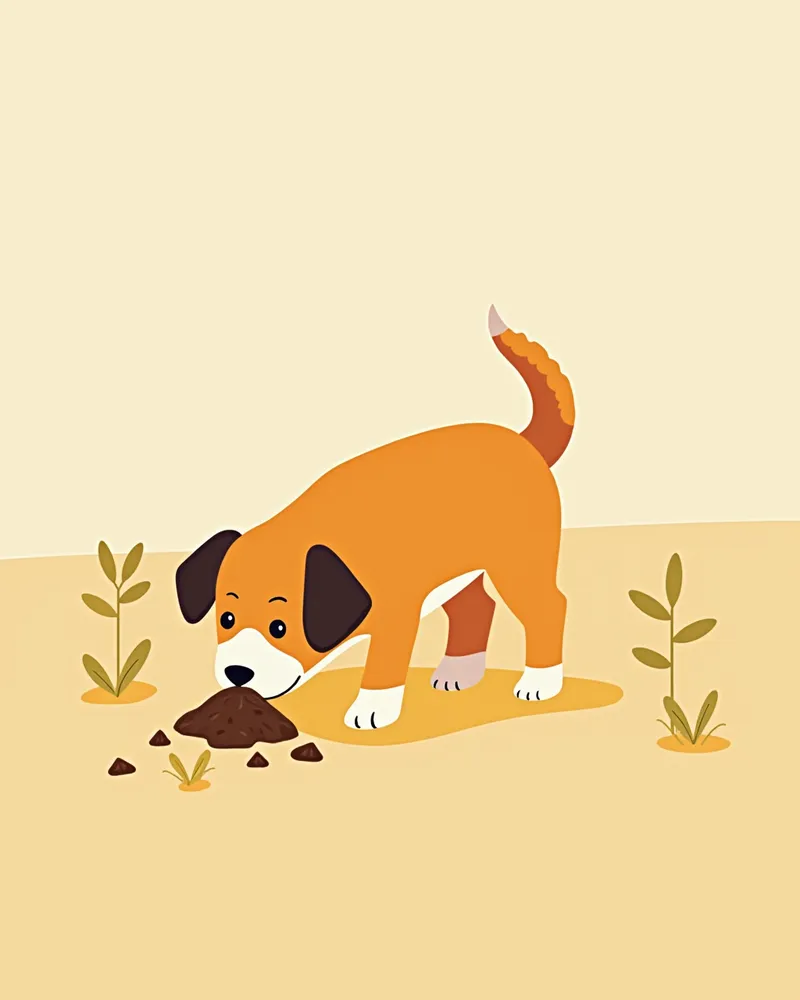
Hookworm infection typically occurs when infective larvae, which have developed from eggs in soil or dirt, enter a puppy’s body through the mouth or skin. Puppies that frequently roll on the ground or roam freely indoors and outdoors are at higher risk. Infection can happen when a puppy licks the ground and swallows the larvae, or when the larvae penetrate the skin directly. Additionally, young puppies are vulnerable to infection early in life due to their exposure to the environment. Furthermore, if the feces of an infected dog contaminate the surroundings, the eggs spread into the soil, increasing the risk of infection for other dogs. Therefore, proper environmental management and regular deworming as directed by your veterinarian are essential.
A puppy sniffing the ground

Key Symptoms and Signs

The most common signs of hookworm infection include:
Anemia: Pale oral mucous membranes and a sudden drop in energy levels.
Small intestinal diarrhea: Stools may be black, sticky, or contain blood.
Weight loss: Pets may fail to gain weight despite eating, or may become emaciated.
Poor coat condition: The coat may lose its shine and become dry or brittle.
Pica: Ingestion of non-food items, such as dirt.
Coughing: In some cases, larvae migrating to the lungs and upper respiratory tract can trigger coughing.
If these symptoms recur or persist, it is important to consult a veterinarian immediately. Young animals, such as puppies, are particularly vulnerable to infection.
Pale lips and gums in dogs with dark coats

When to Visit the Vet Immediately

If your dog suddenly collapses, has very pale gums, or passes blood in their stool, you should go to the vet immediately. This is an emergency situation caused by severe anemia, so consult a veterinarian without delay.

Diagnostic Methods

Hookworm infections can be diagnosed through a fecal flotation test. Your veterinarian will examine your dog’s stool under a microscope to check for the presence of hookworm eggs. In some cases, a blood test may also be performed to assess the severity of anemia. Fecal testing is especially important if your dog is experiencing persistent diarrhea or signs of anemia. Early diagnosis significantly improves treatment outcomes, so it’s a good idea to request testing during your veterinary visit. Because hookworms have life stages during which eggs are not shed, multiple tests may be necessary for an accurate diagnosis; please follow your veterinarian’s guidance. Additionally, hookworm eggs can be distinguished from those of other parasites by their shape under a light microscope, making microscopic examination essential for accurate identification.
A veterinarian examining a puppy’s stool under a microscope

Treatment and Step-by-Step Management
Hookworm treatment involves both medication and environmental cleaning.
Medication: A veterinarian will prescribe deworming medication to eliminate the parasites. Common drugs include pyrantel pamoate and fenbendazole. For example, pyrantel is typically administered again after 7–10 days, while fenbendazole is given for three consecutive days. The specific regimen is determined by the veterinarian based on the dog’s weight, age, and severity of infection. A single treatment may not eliminate all life stages of the parasite, so follow-up doses are often necessary.
Nutritional Support: In cases of severe anemia, a blood transfusion (whole blood or packed red blood cells) may be required.
Environmental Cleaning: Areas where the dog frequently plays should be thoroughly cleaned and disinfected. Careful environmental management is essential to prevent reinfection.
Preventive Care: It is important to administer deworming medication regularly as directed by a veterinarian to prevent reinfection. Preventive care is especially critical for young animals, such as puppies.
A veterinarian administering deworming medication to a puppy.

Management Tips at Home

Hookworms are easily reinfected, so daily management is key.
Regular deworming: Deworming should be carried out according to the dosage and schedule prescribed by your veterinarian based on your dog’s weight and age. Focus on following the correct procedure rather than just sticking to a fixed interval.
Toilet hygiene: Remove feces immediately after defecation to prevent eggs from contaminating the soil.
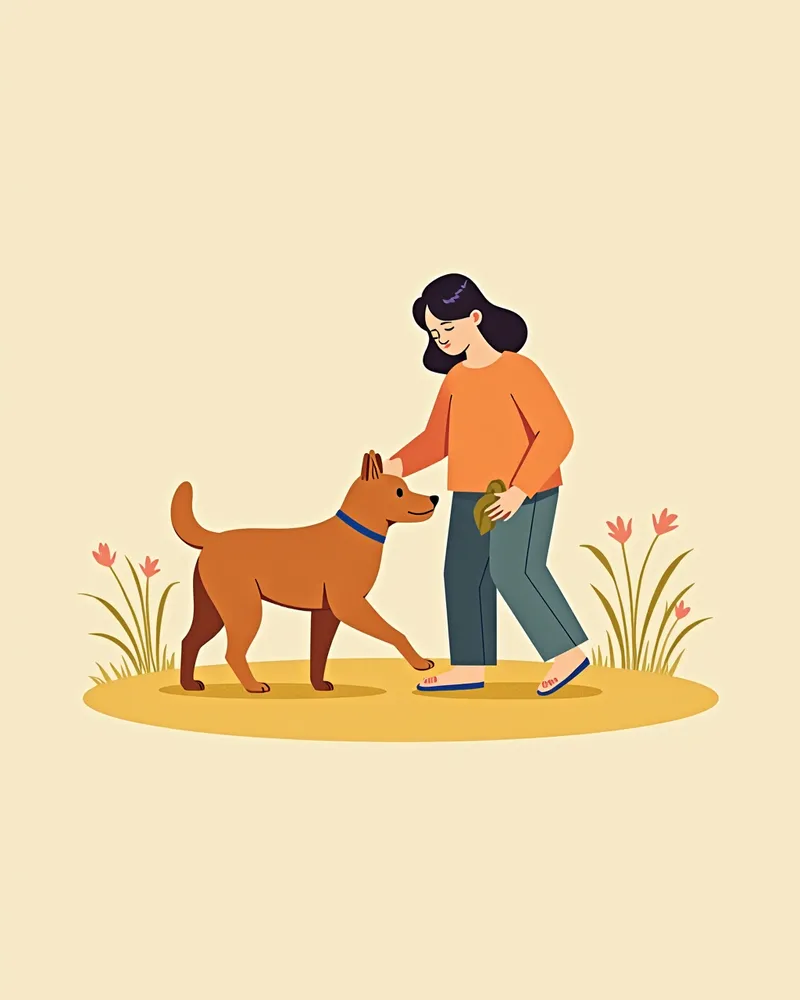
Cleaning after outdoor play: Wipe your dog’s paws if they’ve played on the ground. Avoid walking barefoot on soil or sand to reduce exposure.
Pregnant and nursing dogs: Pregnant or lactating dogs should also receive deworming under veterinary guidance.
Separation from other animals: It’s best to temporarily separate infected dogs from other animals. Since the risk of environmental contamination is high, minimize contact with infected individuals.
A picture of an owner wiping their dog's paws with a wet wipe.

Breed-Specific Precautions and Prevention of Reinfection

Particularly in puppies and senior dogs, recovery after infection tends to be slower, and they are more susceptible to anemia and other complications. Dogs with compromised immune systems are also at a higher risk of symptom exacerbation. To prevent reinfection, deworming medications must be administered precisely as directed by your veterinarian. Regular health check-ups and proper environmental management are essential for maintaining long-term health.

Reviewed by a veterinarian

Dr. Tony — Punnawat Phongkittirak

Dr. Tony — Punnawat Phongkittirak

Veterinarian

A veterinarian who majored in veterinary medicine at Khon Kaen University, Thailand, and completed the IVSA program at North Carolina State University in the United States. Drawing on clinical experience at animal hospitals, he works in the pet healthcare field and is dedicated to building a digital care environment that connects pet parents with veterinarians.

Frequently Asked Questions

Can hookworms be transmitted to humans?
Although uncommon in humans, larvae can penetrate the skin, typically causing itchy, red rashes known as cutaneous larva migrans or "creeping eruption." This usually presents as a self-limiting dermatitis that resolves on its own. To prevent infection, avoid walking barefoot on soil or sand, and always wash your hands thoroughly after handling your dog's feces. Individuals with weakened immune systems should take extra precautions.
Can I buy deworming medication at home and give it to my pet?
We recommend consulting with a veterinarian before use. Deworming medications are safest when prescribed by a veterinarian based on your pet’s weight and age, as incorrect dosages can cause side effects. Additionally, availability and regulatory approval of dewormers vary by region, so it’s important to follow professional guidance.
How long do hookworms live?
Adult worms are known to live in the small intestine for several months, but their exact lifespan varies depending on the infection status and the individual’s condition. Eggs expelled into the environment begin developing within 24 to 48 hours and grow into infective third-stage larvae (L3) within about five days, at which point they become infectious. This life cycle underscores the importance of thorough environmental cleaning and management.
My pet has diarrhea after taking deworming medication. Is this normal?
Temporary diarrhea may occur as a side effect of the medication. However, if it persists or if blood is present in the stool, contact your veterinarian immediately to determine whether this is a drug reaction or a recurrence of infection. While transient gastrointestinal symptoms after deworming are common, persistent signs require prompt veterinary attention.
If my dog has hookworms, can they spread to other animals?
Yes, it can spread to other dogs or cats. Animals living in the same environment are at a higher risk of infection. Minimize contact with infected dogs and thoroughly disinfect the environment. Since parasite eggs can survive for a long time in the environment, thorough disinfection and proper management of feces are essential.

Comparison of Hookworm Deworming Medications

ItemProduct NameActive IngredientTiming of UseDuration of Effect
BEST 1: Epsiprantel-basedEpsiprantelRemoval of adult worms and larvaeDosing interval recommended by the veterinarianThe main duration of effect varies by individual and environment
BEST 2: Mebendazole-basedMebendazoleRemoval of various parasitesDosing interval recommended by the veterinarianDuration of effect varies with clinical condition and frequency of use
BEST 3: Abamectin-basedAbamectinSpecialized for small-intestine parasitesDosing interval recommended by the veterinarianDuration of effect varies between individuals

Choose the product and dosing interval recommended by your veterinarian according to body weight and age. Separate consultation is needed for young puppies or those that are pregnant.

Share

Related Guides

References

This information is based on veterinary literature and does not replace diagnosis or treatment. Please consult a veterinarian for specific health concerns.

Metapet Co., Ltd. | CEO: Park Sung-yong | Business Reg. No. 417-88-02562 | Seoul, South Korea | Customer Center

Hookworms in Dogs: Symptoms, Treatment, and Management Guide | Meongsiljang