Like
Share
멍실장
강아지 동종 개 공격성 증상과 원인, 진단·치료와 관리 포인트 총정리

If Your Dog Growls at Other Dogs — Causes of Same-Sex Aggression and Behavior Modification

Brain & CognitionDiseasesMeongsiljang Veterinary Advisory Board

If your dog growls or lunges at other dogs, it may be displaying same-sex aggression. We’ve compiled a comprehensive guide based on veterinary advice, covering everything from identifying the underlying causes to behavior modification treatments and home management strategies.

What Is Canine Same-Sex Aggression?
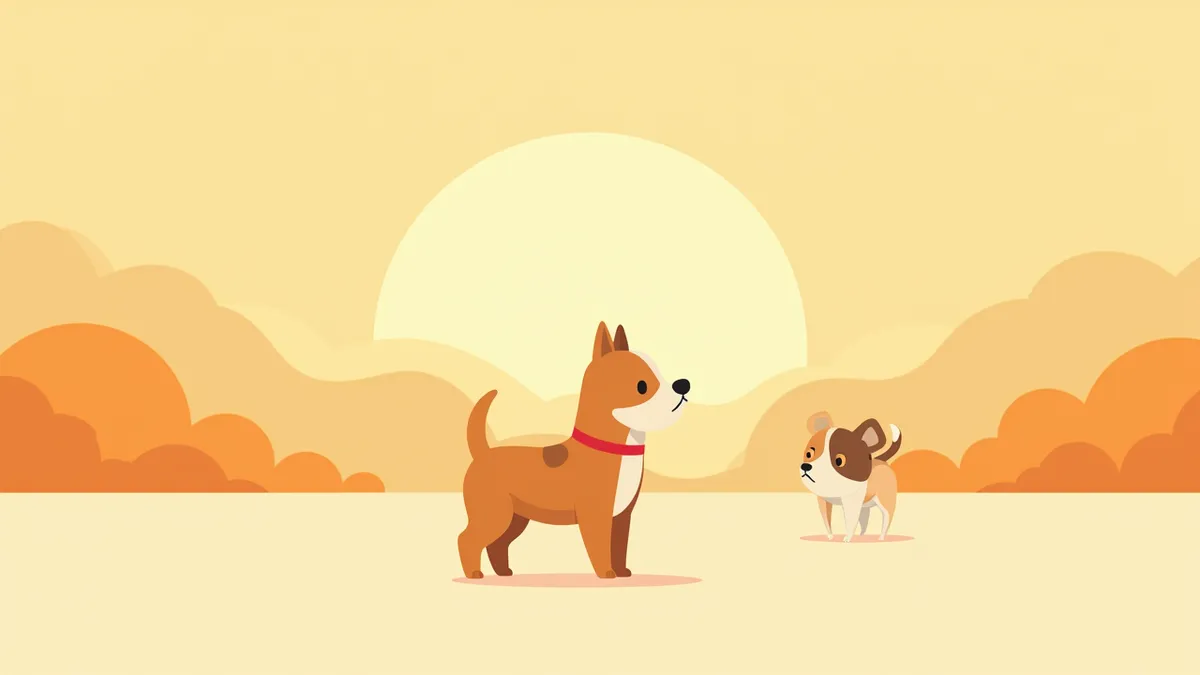
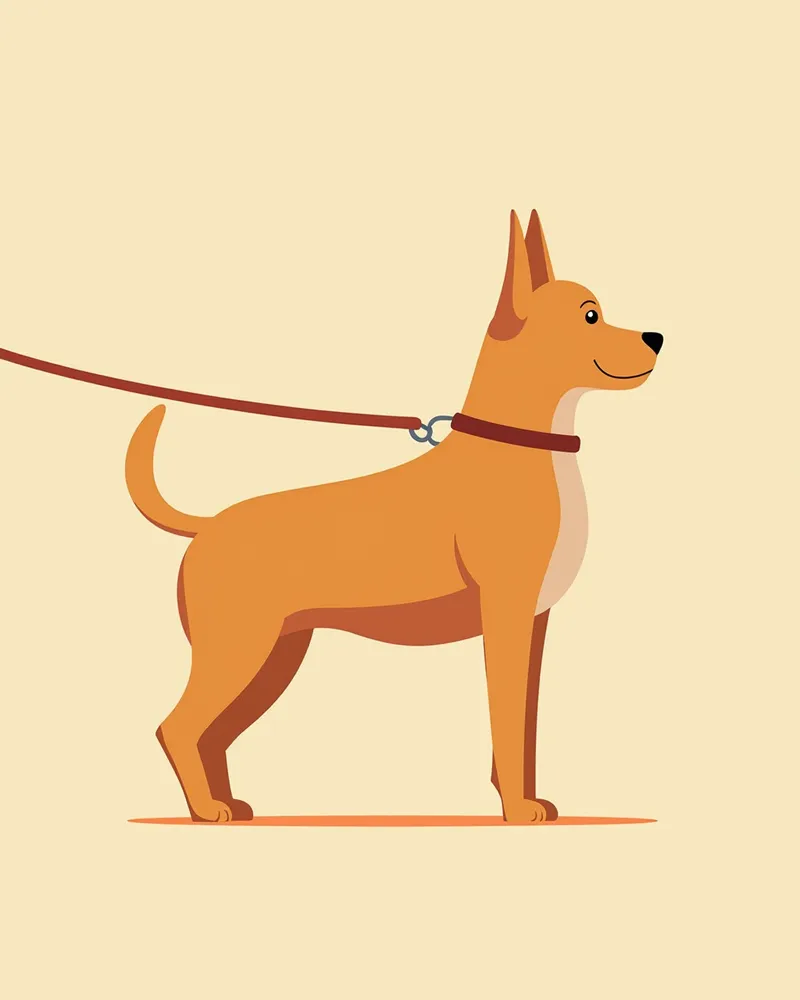
A puppy that assumes a tense posture toward other dogs
Canine aggression toward other dogs is a behavioral issue characterized by repeated aggressive actions—such as growling, biting, or lunging—directed at other dogs of the same species. It’s important to understand that aggression is rarely a diagnosis in itself; more often, it’s a clinical sign stemming from underlying physical issues like pain, endocrine disorders, or neurological conditions, or emotional states such as fear, anxiety, or frustration. Multiple types of aggression can co-occur, and if triggering situations persist, the behavior can become reinforced. Therefore, quickly identifying triggers and initiating behavior modification early is crucial. Because the causes are diverse—including fear, resource guarding, territorial competition, and social conflict—it’s essential to first accurately assess the specific type of aggression to determine the appropriate treatment direction.

Main Causes of Same-Sex Aggression

Fear-based aggression: This type occurs when a dog perceives other dogs as threats due to insufficient socialization or past trauma, leading it to attack preemptively.
Resource-guarding aggression: This stems from the instinct to protect valuable resources such as food bowls, toys, or sleeping areas.
Territorial aggression: This is triggered when an unfamiliar dog enters a space the dog considers its own.
Maternal aggression: This can occur in female dogs that have puppies or are experiencing pseudopregnancy.
Social conflict: This may arise among cohabiting dogs when their social roles are unclear.

Key Symptoms Checklist

Growling and baring teeth: When encountering another dog, your dog may growl low in the throat while showing their teeth.
Stiffened front legs and fixed gaze: Your dog may tense their body and stare intently at the other dog.
Pulling on the leash and barking: Your dog may pull hard on the leash, bark aggressively, or try to lunge forward.
Biting and pinning down: If physical contact occurs, your dog may bite or attempt to pin the other dog to the ground.
Piloerection (hackles raised): Raised fur along the neck and back is a strong sign of arousal or heightened emotional state.
A dog with raised hackles and a stiff posture

When to Seek Immediate Veterinary Care

If your pet has been bitten, is showing escalating aggression, or exhibits self-harm or panic responses after an aggressive episode, seek veterinary care immediately. Medical conditions such as pain, thyroid disorders, or neurological diseases can trigger aggression, so it’s essential to rule out any underlying physical issues before starting behavior modification.

Diagnosing Same-Sex Aggression

Diagnosis is handled by a veterinarian specializing in behavioral issues or a board-certified veterinary behaviorist. First, blood tests and a physical examination are conducted to rule out medical causes such as pain, thyroid abnormalities, or brain disorders. Next, the circumstances surrounding the aggression, triggering factors, intensity and frequency of attacks, and whether the target is a specific individual or anyone in general are assessed to classify the underlying cause. Clearly identifying the type of aggression is essential for developing an effective behavior modification plan.

Treatment — Step-by-Step Behavior Modification
Step 1 — Managing Trigger Situations: Carefully avoid known triggers to prevent aggressive behaviors from recurring or becoming reinforced.
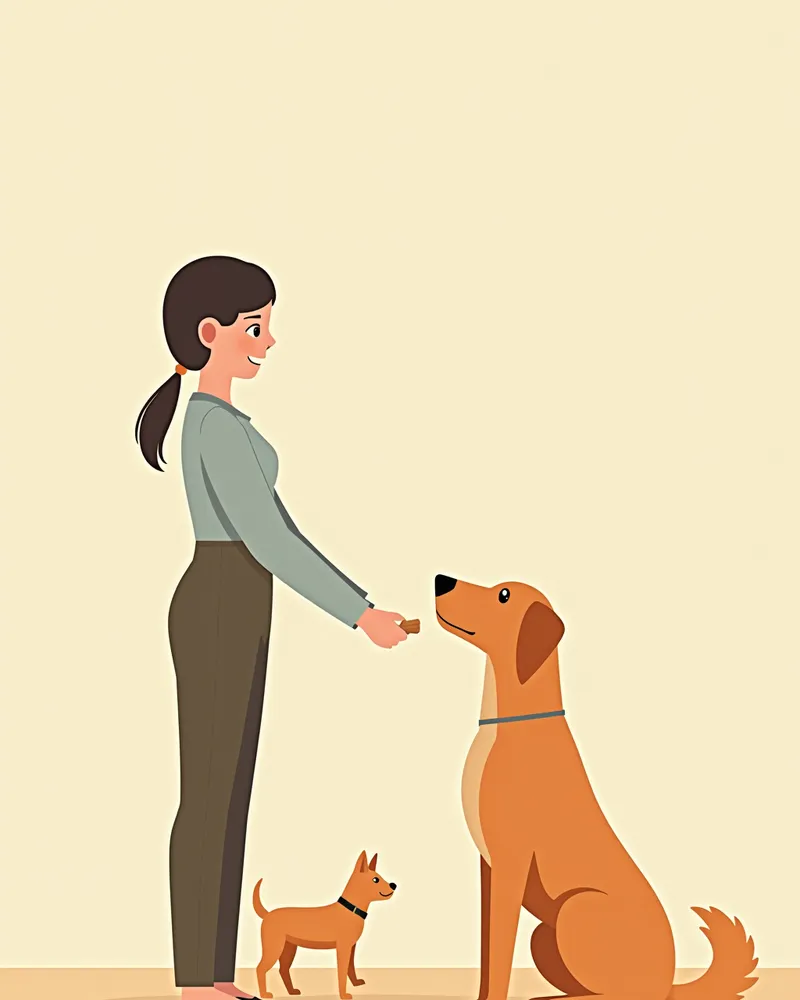
Step 2 — Counterconditioning and Desensitization: This training gradually shifts negative emotional responses to the presence of other dogs into positive ones by associating them with treats and praise.
Step 3 — Training Alternative Behaviors: Teach your dog to perform alternative actions, such as making eye contact with you or moving to a designated spot, instead of acting on aggressive impulses.
Medication Support: If severe anxiety is present, veterinarian-prescribed medication can enhance the effectiveness of the training.
A dog receiving treats during behavior modification training.

Home Management Tips

Prioritize sufficient exercise: Tiring your dog out with walks and play lowers their reactivity to stimuli.
Establish a predictable routine: Consistent feeding and walking schedules help reduce anxiety.
Completely separate resources: If you have multiple dogs, keep their food and resting areas separate to prevent resource conflicts.
Use double-locking gear: For safety during unexpected situations on walks, use a double-locking leash or harness.
Avoid coercive correction: Punishment or forceful training can actually worsen aggression.
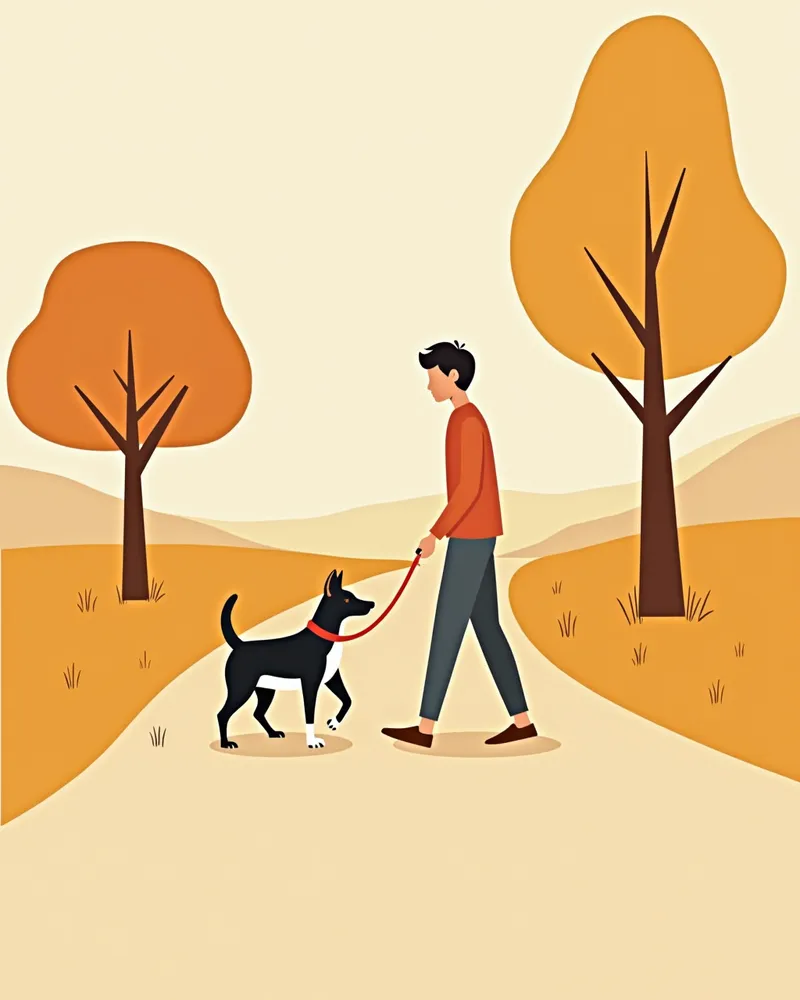
A dog leisurely strolling with its owner.

Breed-Specific Considerations and Preventing Relapse

Because many breeds were selectively bred for specific purposes such as hunting, guarding, or tracking, there can be genetic differences in behavioral tendencies among breeds. However, having a genetic predisposition does not mean that such traits will inevitably manifest, and there is significant individual variation even within the same breed, so aggression should never be judged based on breed alone. Conversely, even breeds known for being sociable, such as Retrievers and Beagles, can develop same-species aggression due to trauma or improper socialization. Therefore, you should not feel reassured by breed alone; if the level of aggression is high or there is a risk of biting, intensive evaluation by a veterinary behaviorist and systematic behavior modification are necessary, regardless of the breed.

Reviewed by a veterinarian

Dr. Tony — Punnawat Phongkittirak

Dr. Tony — Punnawat Phongkittirak

Veterinarian

A veterinarian who majored in veterinary medicine at Khon Kaen University, Thailand, and completed the IVSA program at North Carolina State University in the United States. Drawing on clinical experience at animal hospitals, he works in the pet healthcare field and is dedicated to building a digital care environment that connects pet parents with veterinarians.

Frequently Asked Questions

Does neutering reduce aggression?
There isn’t enough veterinary evidence to suggest that neutering is generally effective in treating aggression, so it’s not recommended as a primary treatment. Before considering neutering, it’s much more important to evaluate the exact cause of the aggression and combine it with behavior modification training.
My dogs, who used to get along so well, suddenly started fighting.
When dogs who used to get along suddenly start fighting, it’s often a sign of an underlying physical or medical issue, such as pain or a thyroid disorder. Conflicts can also arise from changes in anxiety levels or shifts in the desire for control among dogs in the same household. That’s why it’s a good idea to first have a veterinarian check for any physical abnormalities.
How can you safely separate dogs when they are fighting?
Placing a board or chair between them, or lifting the hind legs, is a relatively safe approach. Directly pulling them apart by hand can be dangerous, as the handler may get bitten.
How long does behavior modification training take?
The time it takes can vary depending on the triggering factors, the intensity of the aggression, and the dog's age and temperament, but it may take several months to over a year. Consistent training and environmental management must be combined to see results.
Can I train my pet on my own, or is it necessary to hire a professional?
For mild cases, you can try basic training. However, if there has been a biting incident or the aggression level is high, it is essential to seek help from a certified behaviorist or a qualified trainer.

Share

Related Guides

References

[1] Horwitz, D.F. (Ed.). 100 Top Consultations in Small Animal General Practice. Ch.14: Inter-dog and Territorial Aggression. Wiley-Blackwell, 2011.

[2] Shaw, J.K. & Martin, D. Veterinary Guide to Preventing Behavior Problems in Dogs and Cats. Table 9.4: General treatment plan for aggression in dogs. Wiley-Blackwell, 2015.

[3] Howell, T., Bennett, P. & Blackwell, E. Introduction to Animal Behavior and Veterinary Behavioral Medicine. Ch.15: Canine Aggression — Assessment and Behavior Modification. Wiley-Blackwell, 2022.

[4] Appleby, D., Bradshaw, J., and Casey, R. (2002). Relationship between aggressive and avoidance behaviour by dogs and their experience in the first six months of life. Vet. Rec. 150(14): 434–438.

This information is based on veterinary literature and does not replace diagnosis or treatment. Please consult a veterinarian for specific health concerns.

Metapet Co., Ltd. | CEO: Park Sung-yong | Business Reg. No. 417-88-02562 | Seoul, South Korea | Customer Center

Dog Growls at Other Dogs: Same-Sex Aggression and Fixes | Meongsiljang